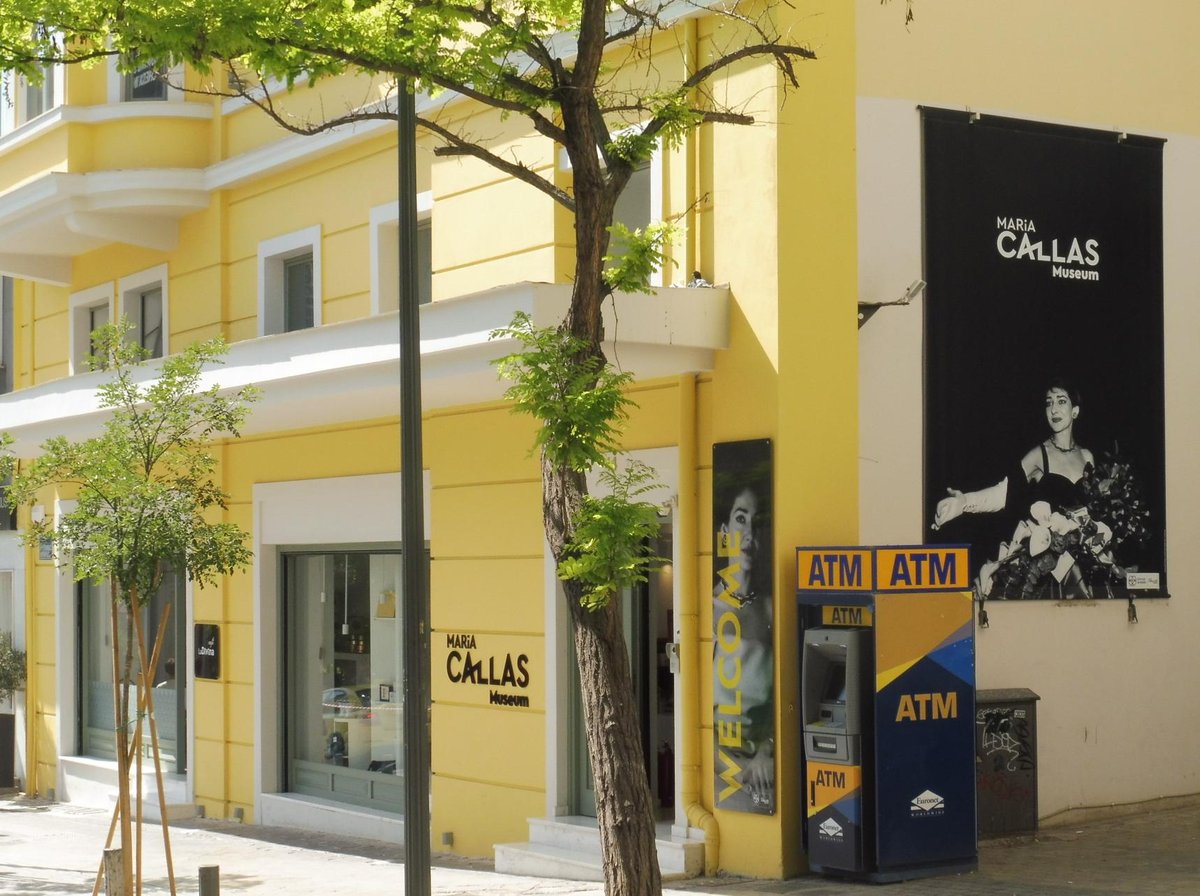
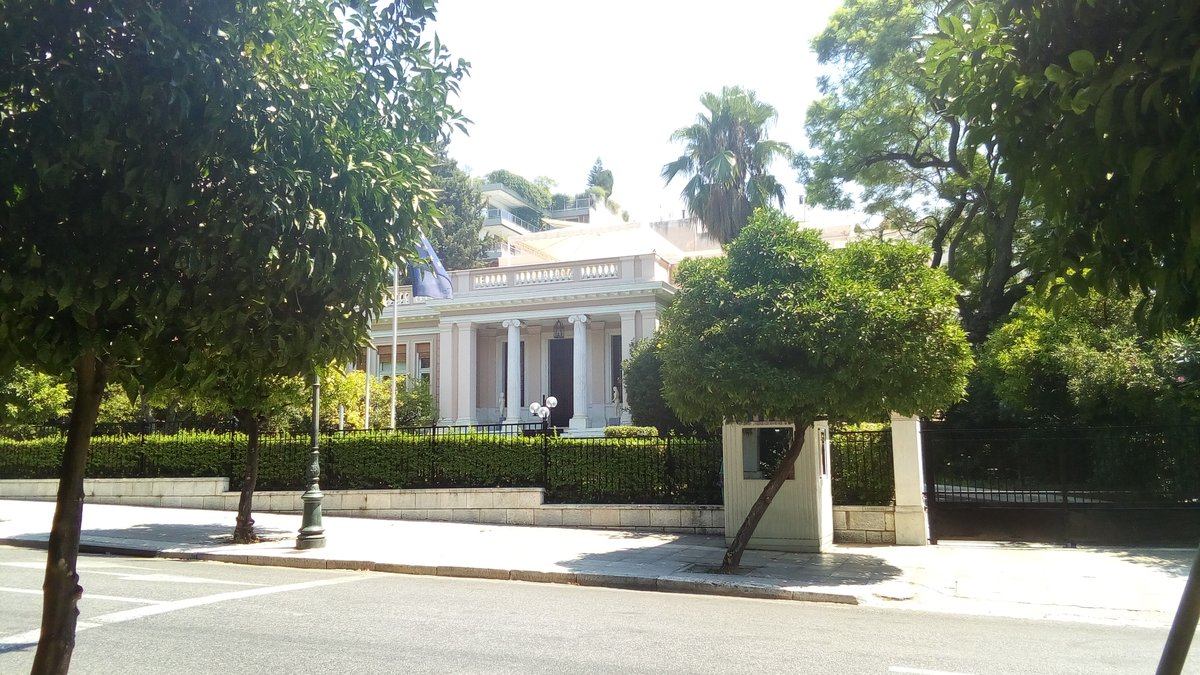
Introduction
The José de San Martín Monument stands in central Athens as a powerful symbol of international friendship, freedom, and the shared history between Greece and Latin America. Honoring the legendary Argentine liberator José de San Martín—who played a pivotal role in the independence movements of Argentina, Chile, and Peru—the monument invites locals and visitors to reflect on universal ideals of liberty, democracy, and self-determination. Its location near the city’s major landmarks and its open, welcoming setting make it a must-visit for anyone interested in history, art, or cross-cultural connections.
(Aeroleo Blog; The Famous People; City of Athens Tourism)
Photo Gallery
Explore José De San Martín in Pictures
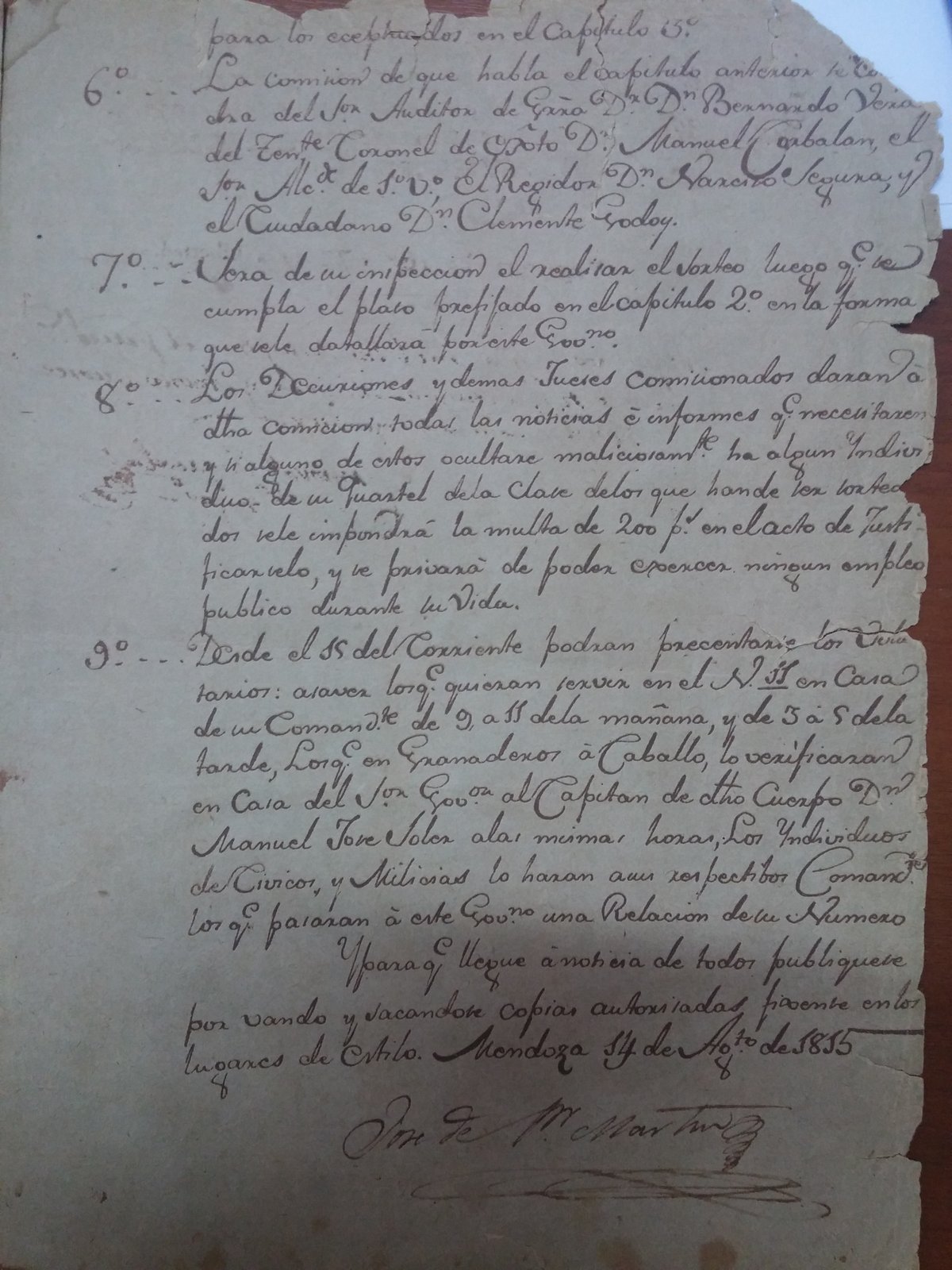
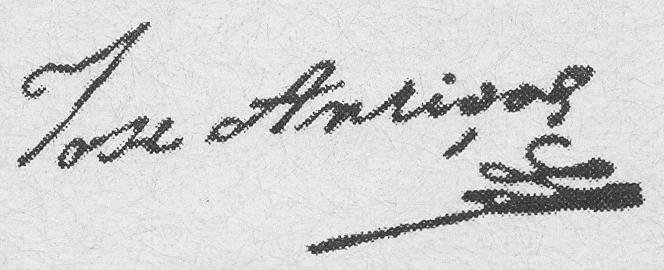
Image of the historic document signed by San Martín, highlighting the notable 'Bando Histórico de 1815' decree.
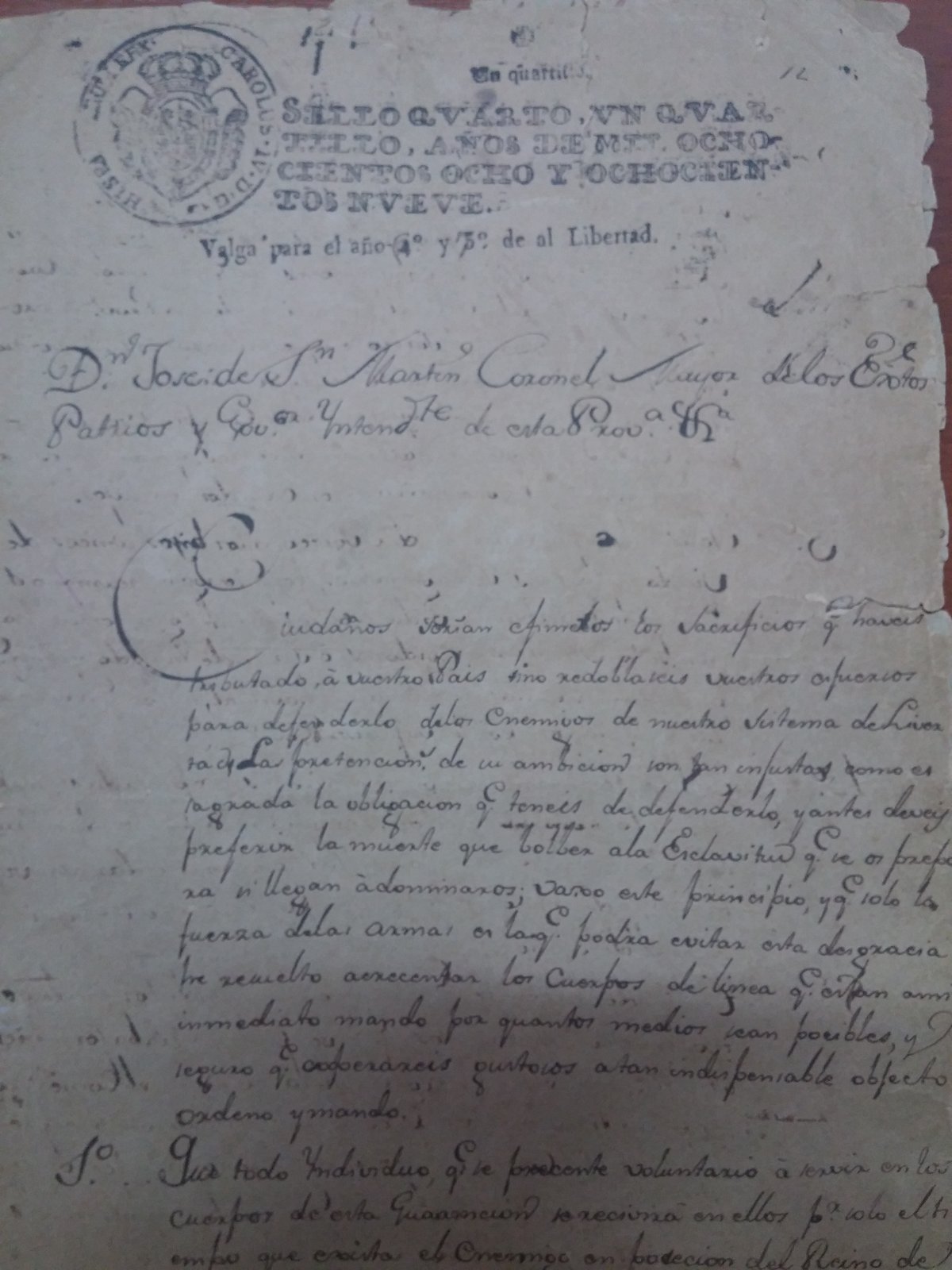
Image of the Bando Histórico de 1815, a historical document signed by General José de San Martín, highlighting its significance in South American history.
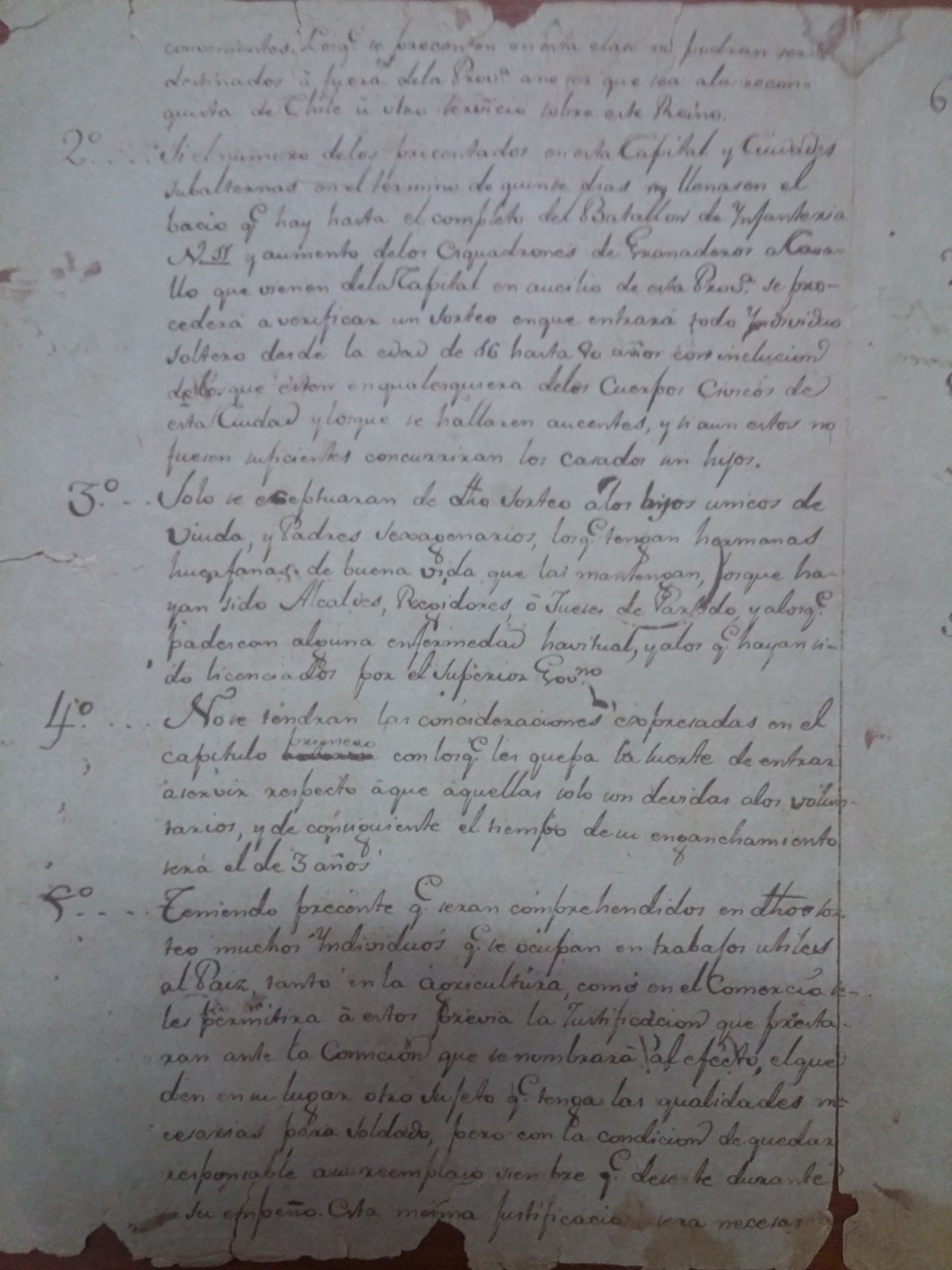
Image of a historical document signed by José de San Martín, highlighting the significant 'Bando Histórico de 1815'. This document is an important artifact showcasing the signature and decrees of the Argentine liberator.
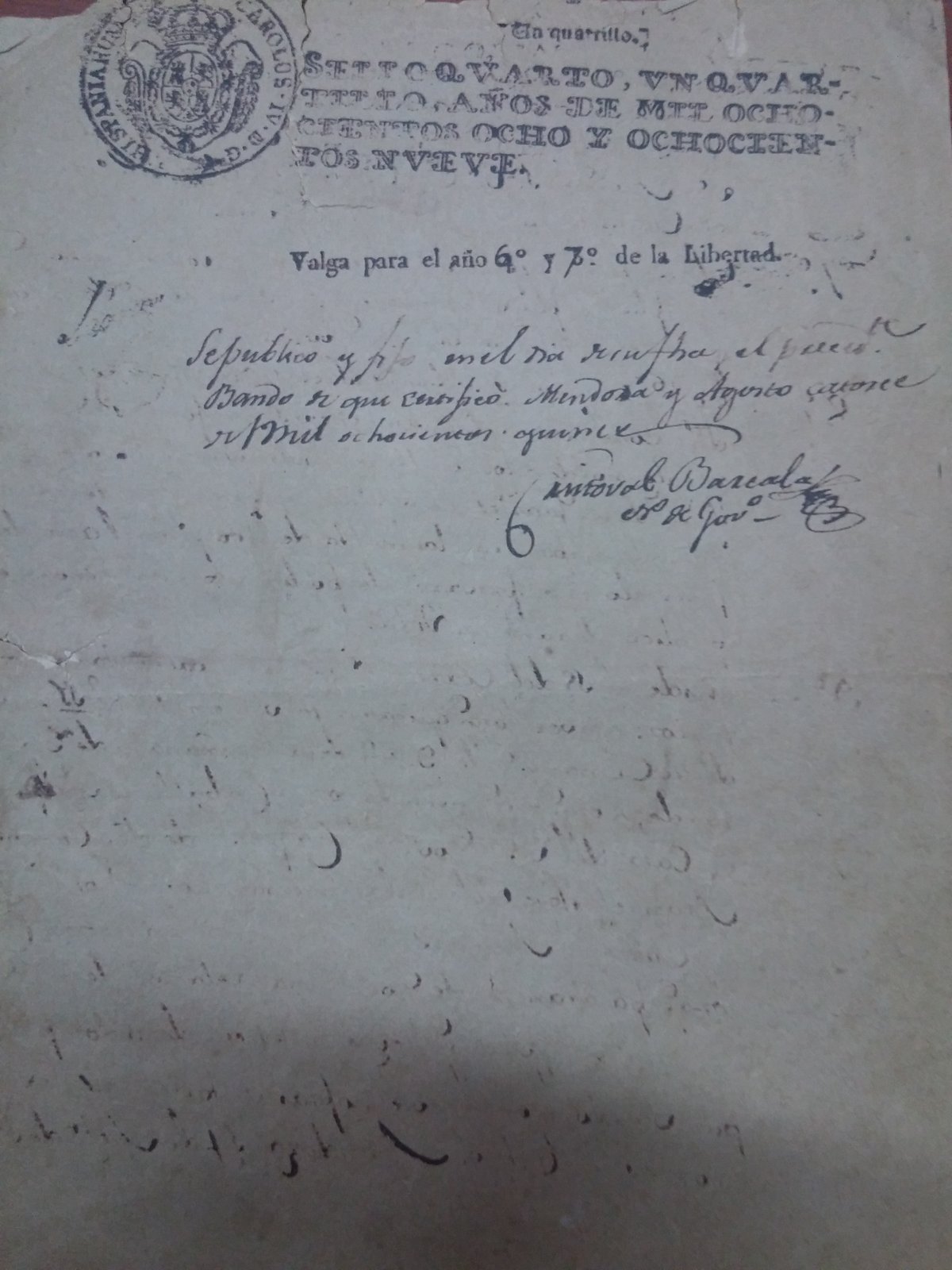
A historic document known as Bando Histórico de 1815 featuring signatures by the Argentine general José de San Martín, an important figure in South American independence movements.
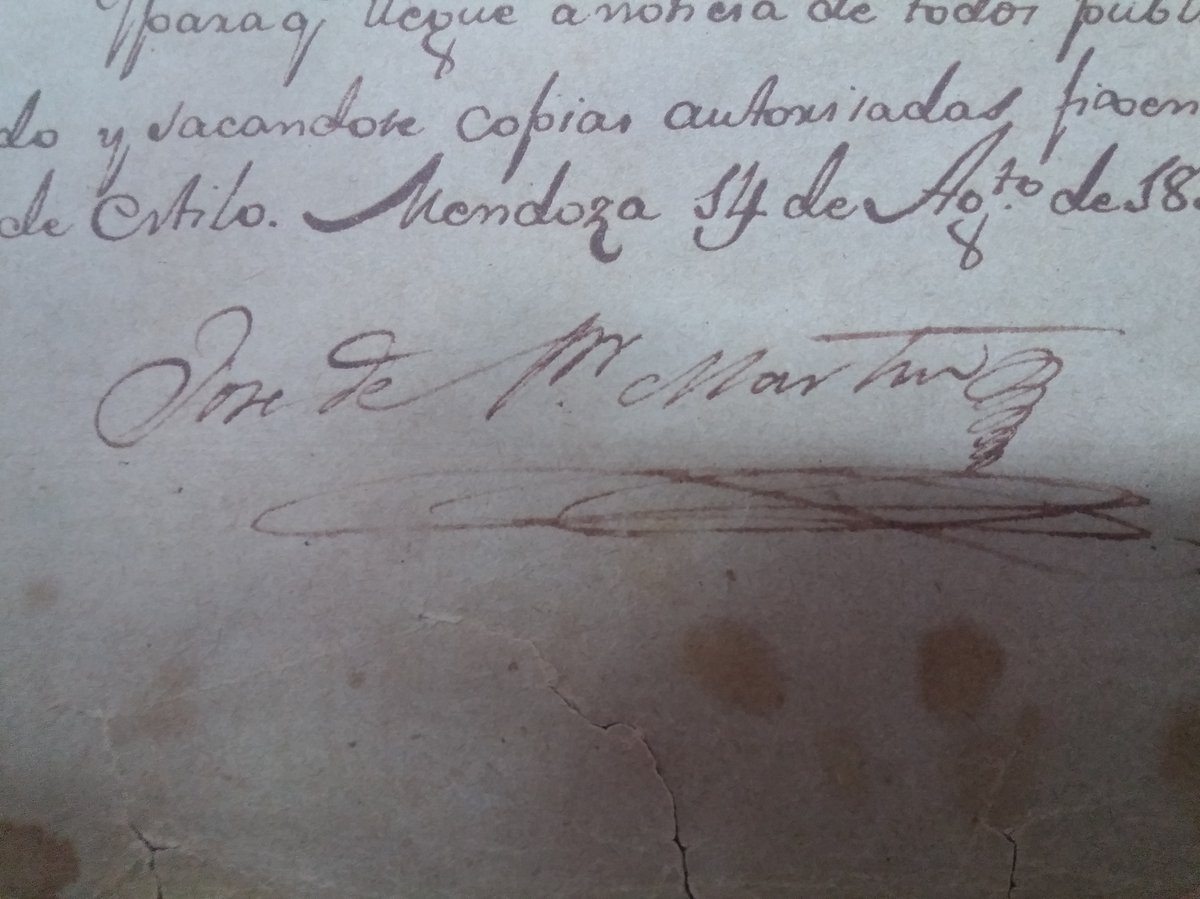
Image of historical documents signed by San Martín, featuring the notable 'Bando Histórico de 1815' prominently.
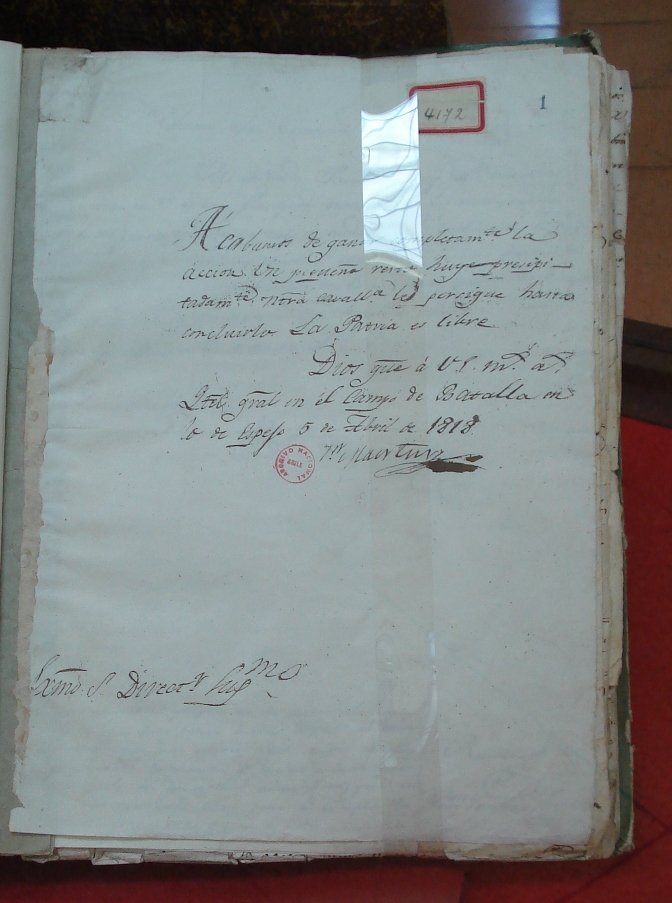
Historical letter dated April 5, 1818, written by José de San Martin to Bernardo O'Higgins announcing the victory in the Battle of Maipú, which was decisive for the independence of Chile. The document is preserved in the National Archive of Chile.
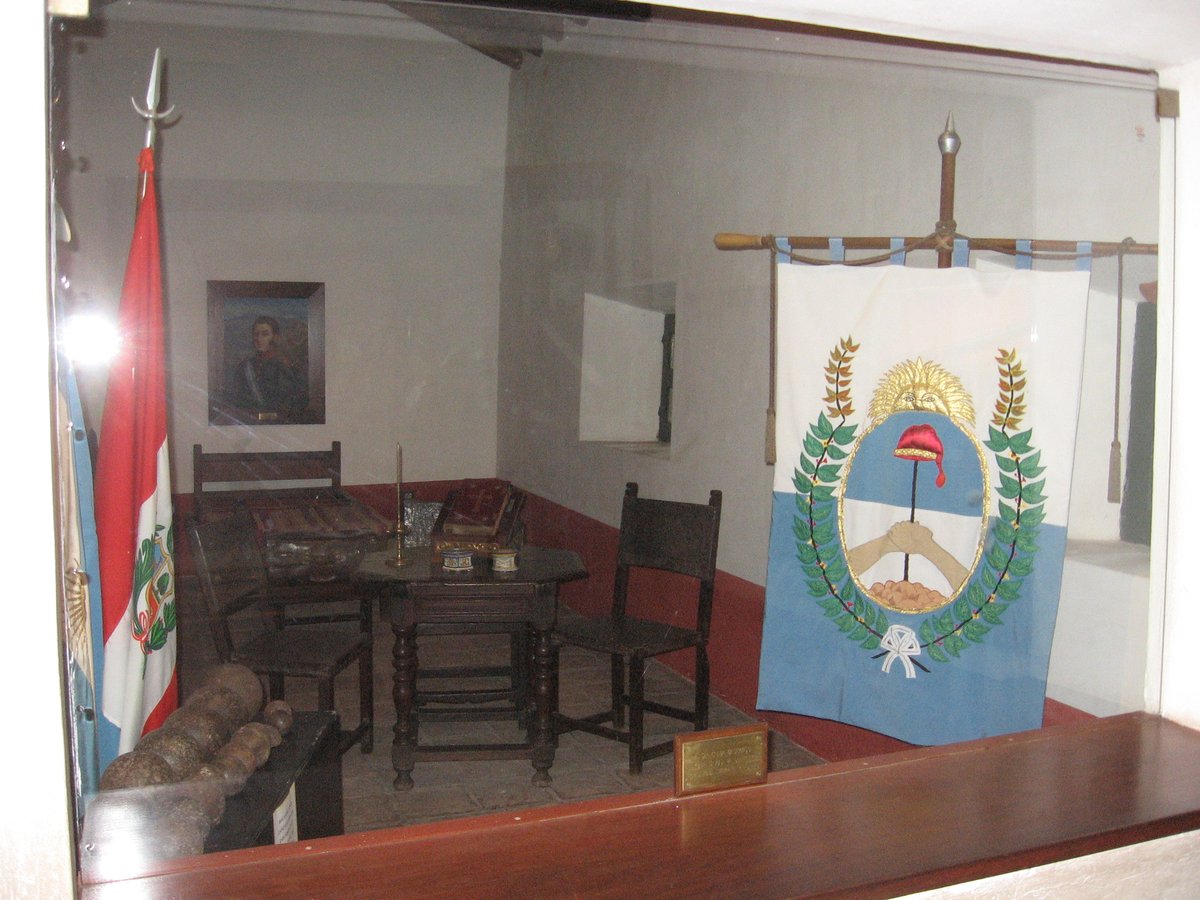
Interior view of the historical cell of San Martín at Convento San Carlos, the room where he stayed on the eve of the Battle of San Lorenzo. The term 'cell' refers to individual rooms in convents, not only prison cells.
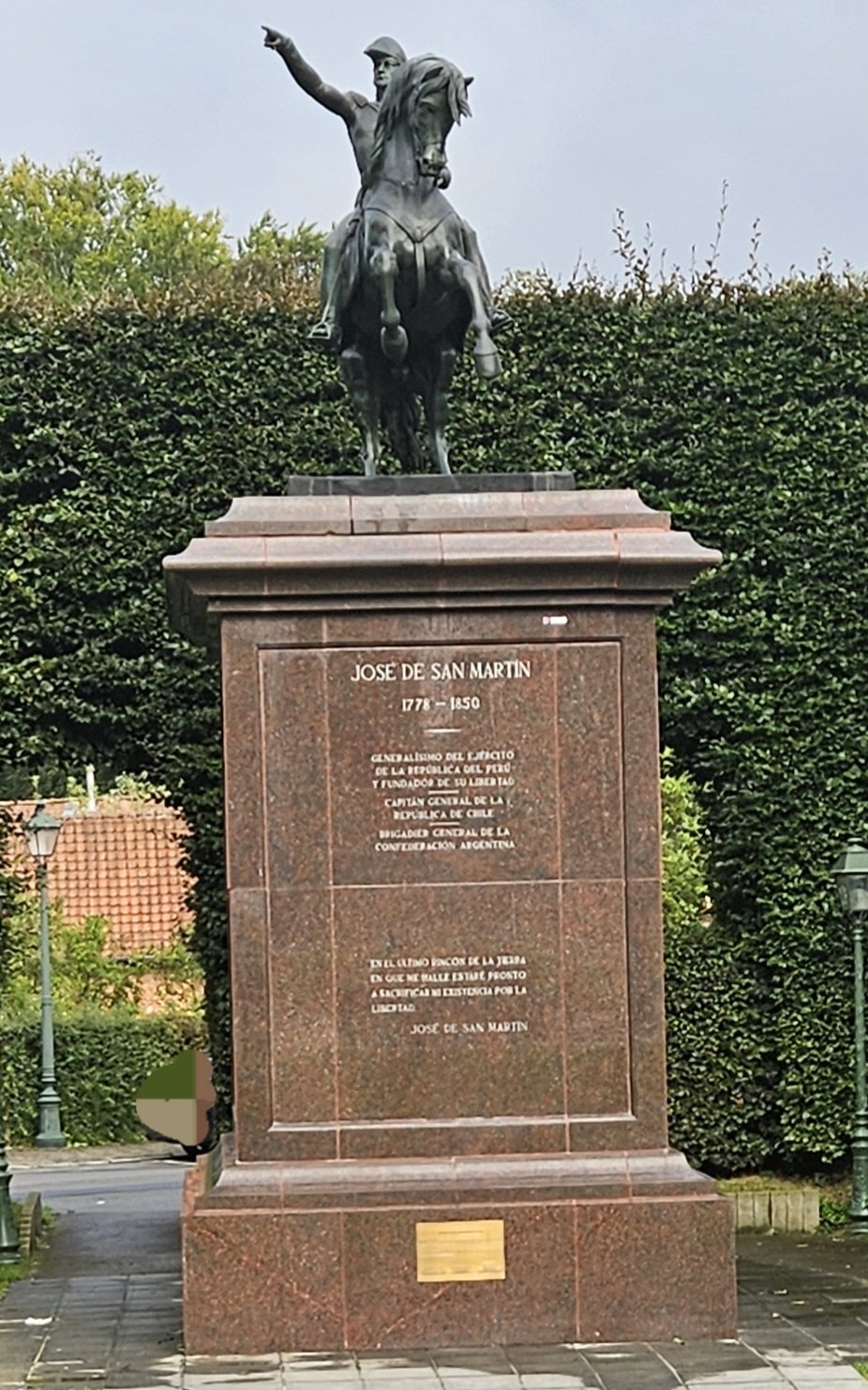
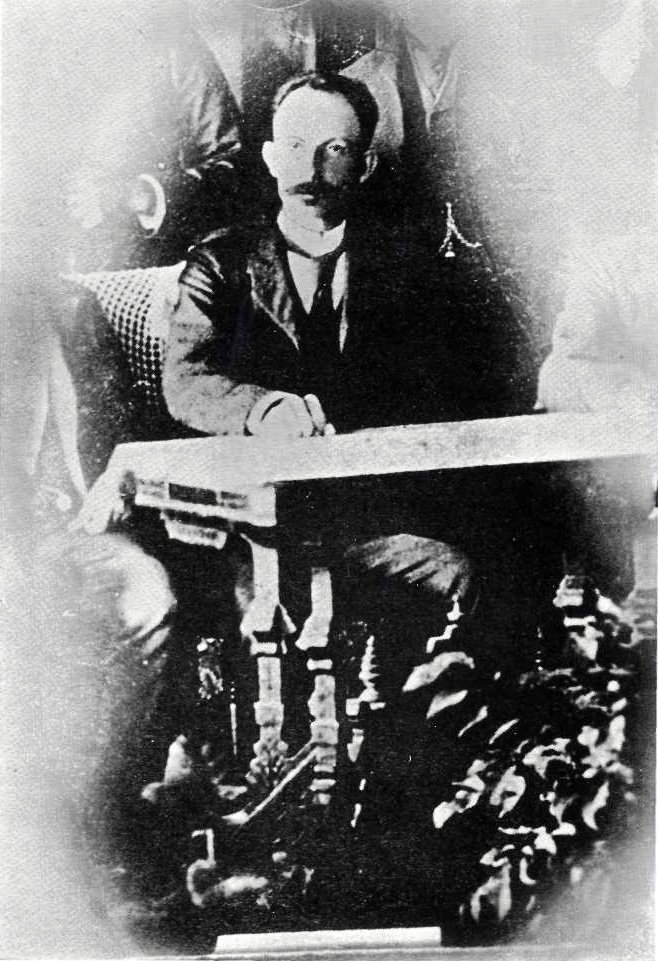
Portrait of José de San Martín, a prominent historical figure, wearing formal 19th-century attire, depicted in an artistic style.
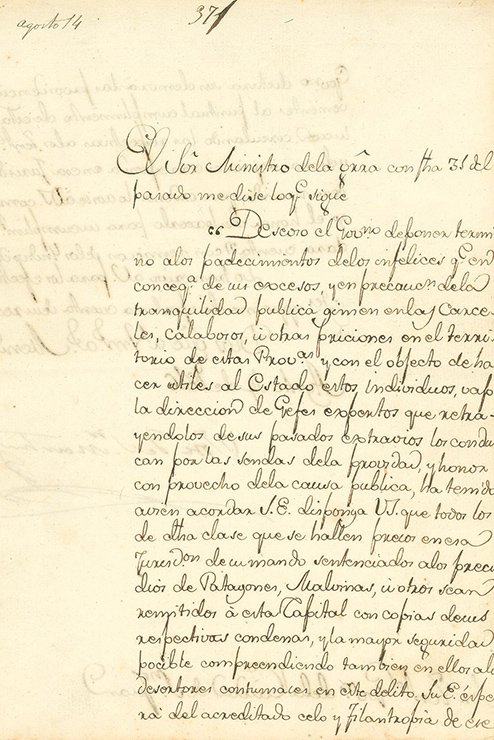
1816 historical letter from Jose de San Martin to the Governor of San Juan Province asking for prisoners from the Malvinas Islands to assist in the Crossing of the Andes
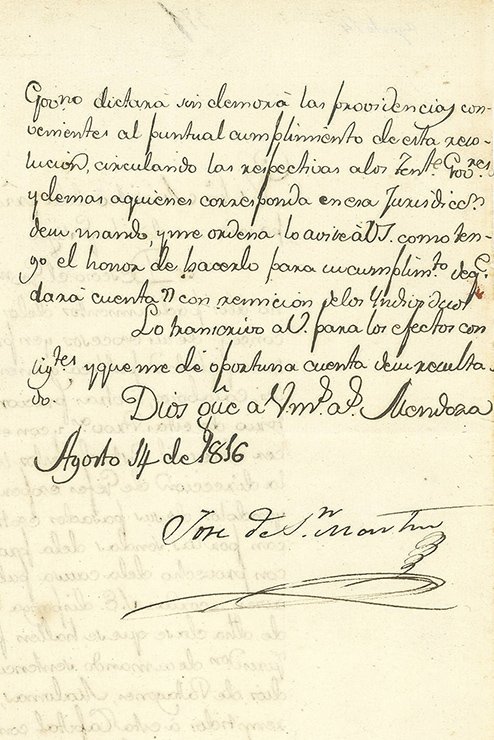
Historical document: Letter written by Jose de San Martin in 1816 addressed to the Governor of San Juan Province, requesting prisoners from the Malvinas Islands to assist with the Crossing of the Andes
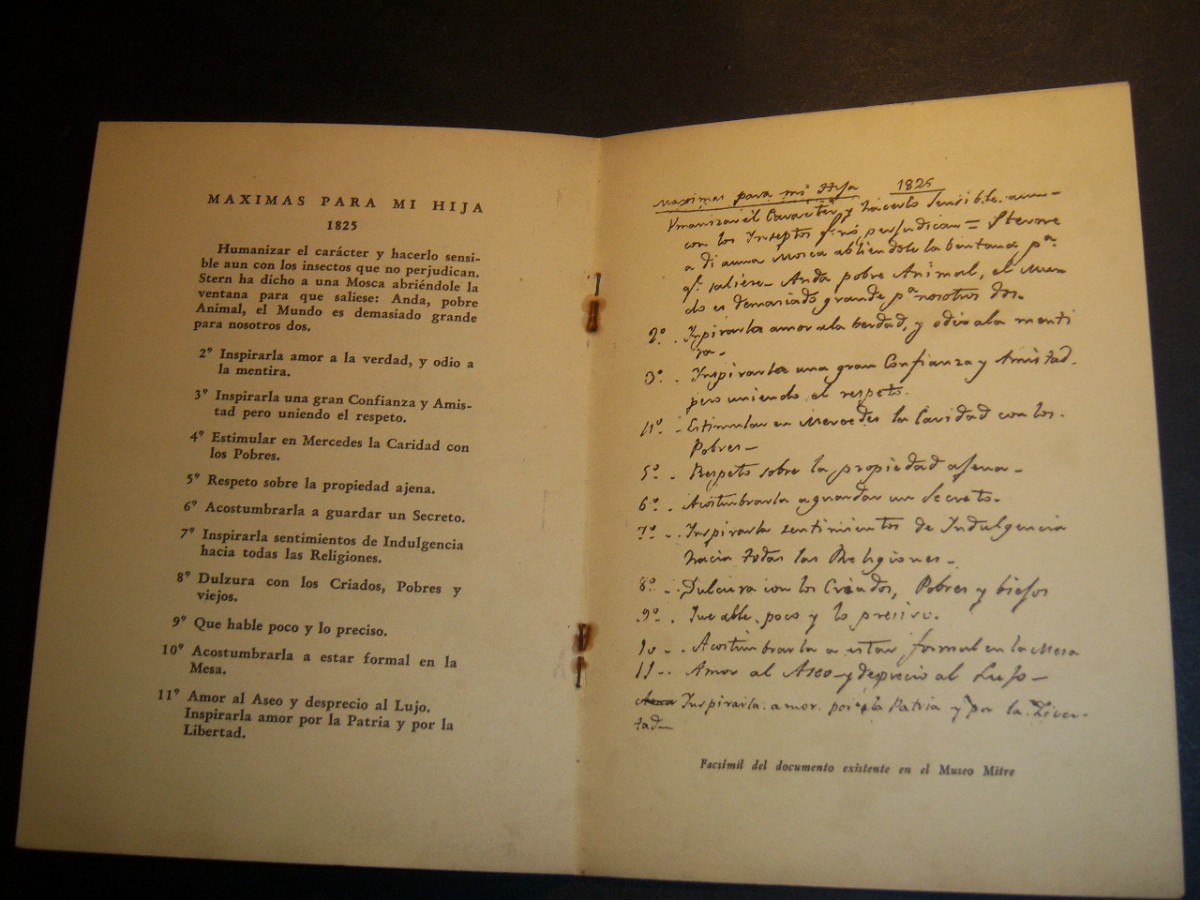
Historical document showing the handwritten maxims written by General José de San Martín addressed to his daughter Merceditas, reflecting his wisdom and guidance.
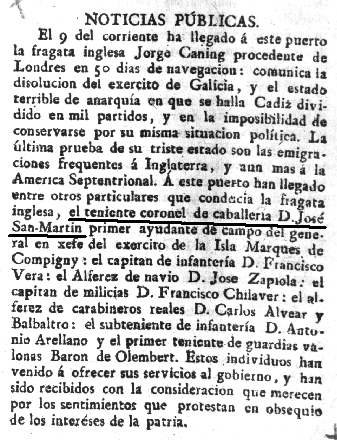
Black and white historic photograph depicting San Martín addressing a crowd during a public event, showcasing a significant moment in history.
Historical Background and Significance
General José de San Martín (1778–1850) is celebrated as one of South America’s greatest liberators, instrumental in the independence of Argentina, Chile, and Peru. Born in Yapeyú, Argentina, he was educated and trained in Spain before returning to South America to lead military campaigns that freed large swathes of the continent from Spanish colonial rule. His audacious crossing of the Andes and subsequent victories cemented his reputation as a military and strategic genius.
(The Famous People; Saylor Foundation PDF)
The monument in Athens, gifted by the Argentine government, stands as a tribute to San Martín’s enduring impact and symbolizes the kinship between Greece and Argentina—two nations whose histories are marked by struggles for liberty and independence. Its presence in Athens underscores the universal relevance of San Martín’s ideals and the value of international solidarity.
(Aeroleo Blog; be-monumen.be)
Monument Location and Setting
The José de San Martín Monument is centrally located near Syntagma Square and the National Garden, two of Athens’ most prominent landmarks. The area is easily accessible by public transportation:
- Metro: Syntagma and Evangelismos stations (Lines 2 & 3) are within walking distance.
- Bus/Tram: Multiple routes serve Syntagma Square and the National Garden.
- By Foot: The monument is a short stroll from the National Garden, making it a pleasant addition to a walking tour of central Athens.
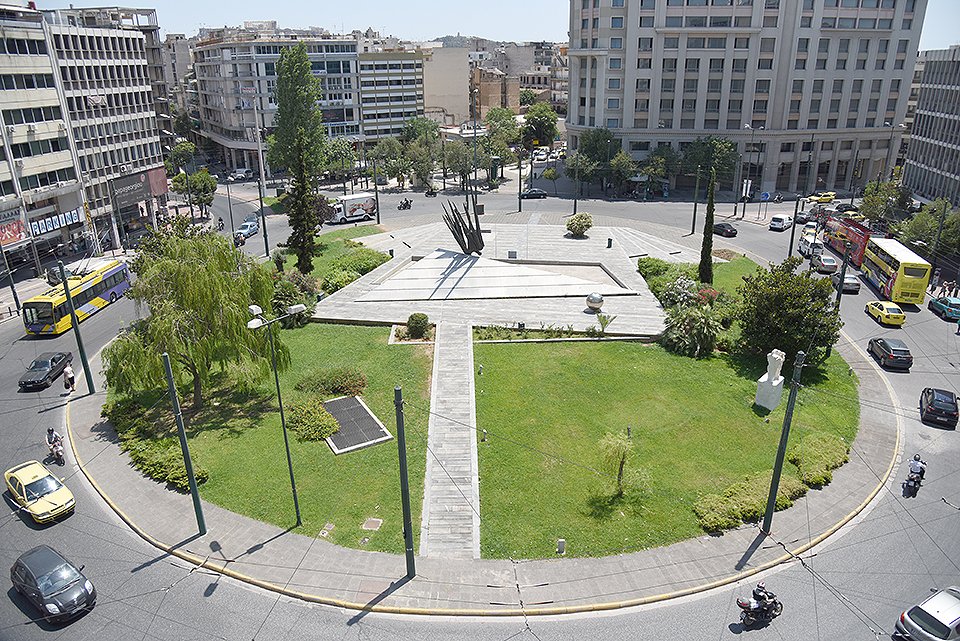
The monument itself is set in a landscaped public square, surrounded by gardens and paved walkways. Benches and shaded areas provide a tranquil atmosphere for contemplation and photography.
(City of Athens Tourism; Accessible Routes Athens)
Artistic Features and Inscriptions
This striking bronze equestrian statue depicts General San Martín in military regalia astride a rearing horse, capturing his leadership and courage. The statue is modeled after the original by French sculptor Louis-Joseph Daumas, first unveiled in Buenos Aires in 1862. The pedestal features prominent inscriptions and coats of arms:
Front inscription:
“JOSE DE SAN MARTIN 1778 – 1850
GENERALISIMO DEL EJERCITO DE LA REPUBLICA DEL PERU Y FUNDADOR DE SU LIBERTAD
CAPITAN GENERAL DE LA REPUBLICA DE CHILE
BRIGADIER GENERAL DE LA CONFEDERACION ARGENTINA”
Famous quote:
“EN EL ÚLTIMO RINCÓN DE LA TIERRA EN QUE ME HALLE ESTARE PRONTO A SACRIFICAR MI EXISTENCIA POR LA LIBERTAD”
(“In the last corner of the earth where I find myself, I will always be ready to sacrifice my life for liberty.”)
The sides display the coats of arms of Argentina and Belgium, highlighting the international reach of San Martín’s legacy. The foundry mark “Carlos Campolonghi y hijos Buenos Aires” confirms the statue’s origin.
(be-monumen.be)
Visiting Hours and Admission
- Hours: Open 24 hours a day, 7 days a week. As an outdoor monument in a public space, there are no time restrictions.
- Admission: Free. No tickets or reservations are required.
For optimal lighting and a vibrant atmosphere, visit during daylight hours. The monument is beautifully illuminated in the evening for those who prefer a quieter experience.
Accessibility and Facilities
- Wheelchair Access: The area around the monument is paved and largely flat, making it accessible for wheelchairs and strollers. Some nearby paths, especially within the National Garden, may be uneven.
- Nearby Amenities: Public restrooms are available at Syntagma metro station. Cafés, restaurants, and shops are abundant in the surrounding district.
(Accessible Routes Athens; audiala.com)
Guided Tours and Practical Tips
While there are no dedicated guided tours for the monument itself, it is often featured as part of broader Athens walking tours focused on international monuments, diplomacy, or the city’s historical center. Local providers and apps like Audiala offer self-guided audio tours with historical context.
Travel tips:
- Best Time to Visit: April to mid-June, and September to mid-October, offer mild weather and fewer tourists.
(Global Highlights; Real Greek Experiences) - Photography: Excellent photo opportunities from multiple angles; early morning and late afternoon provide the best natural light.
- Etiquette: Please respect the monument—do not climb or sit on the statue. During official ceremonies, maintain a respectful distance.
Cultural and Diplomatic Context
The monument serves as a gathering place for commemorative events and cultural ceremonies, especially on dates significant to Argentina and Greece. Wreath-laying ceremonies and cultural performances are held on occasions such as Argentine Independence Day and San Martín’s birthday, strengthening the diplomatic and cultural ties between the two nations.
(NPS Memorial Plaque)
Nearby Attractions and Suggested Itineraries
The monument’s location makes it easy to integrate into an exploration of Athens’ top sites:
- National Garden: Adjacent, ideal for a peaceful walk.
- Acropolis & Acropolis Museum: Iconic ancient site and world-class museum.
- Panathenaic Stadium: Venue of the first modern Olympic Games.
- Monastiraki Flea Market: Bustling market for souvenirs and local flavor. (Lonely Planet Athens Guide; Earth Trekkers Athens Guide)
A suggested itinerary: Start at the Acropolis, stroll through the National Garden, pause at the San Martín monument, and finish with lunch in the Plaka district.
Safety and Responsible Tourism
The area is well-patrolled and generally safe, though standard precautions against pickpocketing apply. Dispose of litter properly and respect park rules. Smoking is prohibited in most public gardens, and tap water in Athens is safe to drink.
Frequently Asked Questions (FAQ)
Q: Is there an entrance fee or required ticket?
A: No, the monument is free and open to the public 24/7.
Q: Is the site wheelchair accessible?
A: Yes, paved paths and ramps provide accessibility.
Q: Are guided tours available?
A: While there are no monument-specific tours, broader city tours often include the site.
Q: Can I take photographs?
A: Yes, photography is encouraged—please be respectful.
Q: What is the best way to reach the monument?
A: By metro (Syntagma/Evangelismos stations), bus, or on foot from central Athens.
Listen to the full story in the app
Your Personal Curator, in Your Pocket.
Audio guides for 1,100+ cities across 96 countries. History, stories, and local insight — offline ready.
Audiala App
Available on iOS & Android
Join 50k+ Curators
Sources
- verified
- verified
- verified
- verified
- verified
- verified
- verified
Last reviewed: