
Historical Background and Significance
A Gift to Athens
Hadrian's Library was more than just a repository for scrolls; it was designed as a grand cultural complex. Envisioned as a gift to the citizens of Athens, the library complex encompassed a multitude of spaces dedicated to intellectual pursuits and artistic expression.
Architectural Splendor
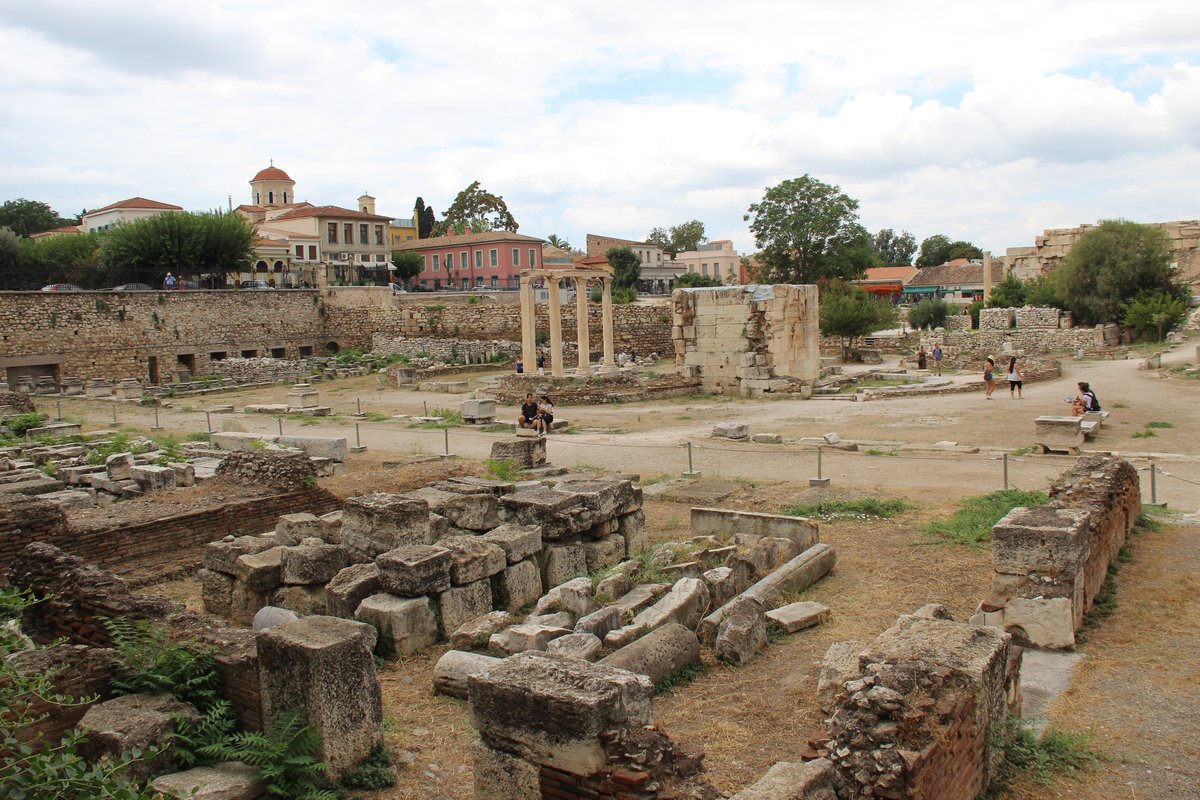
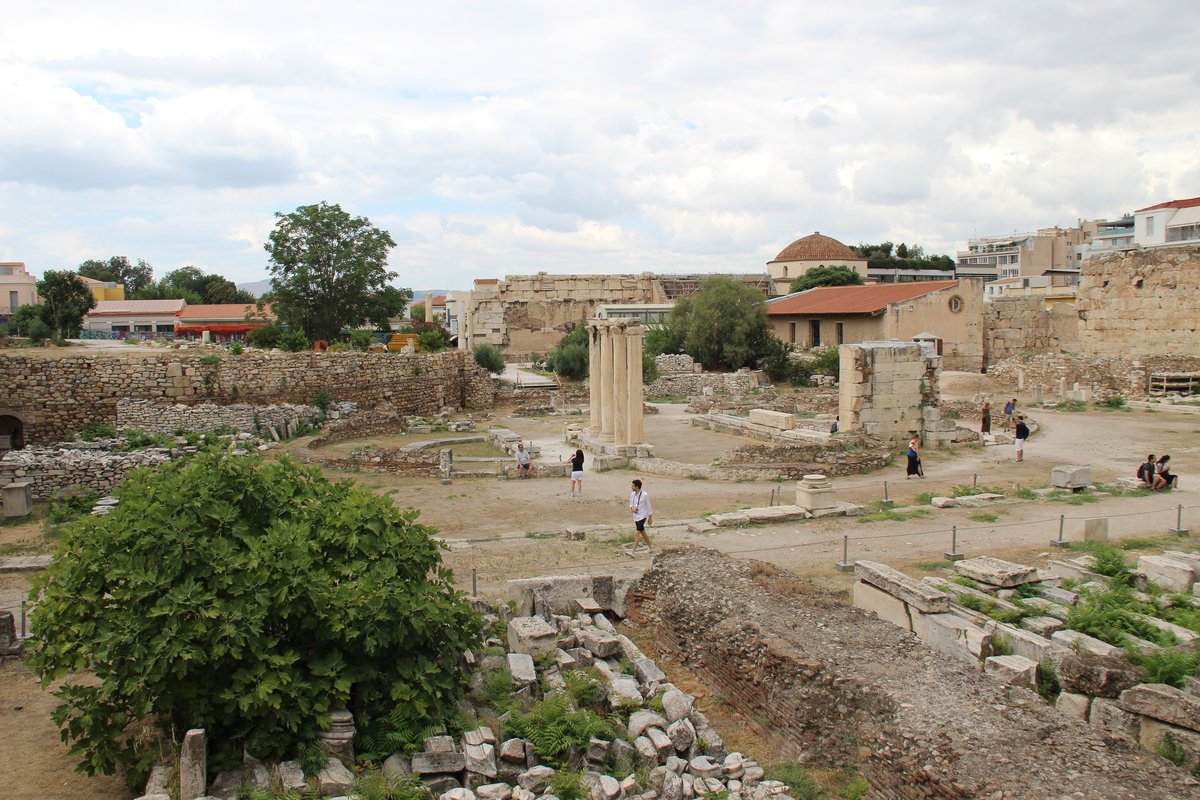
The library's design reflected the typical Roman forum combined with elements of Greek architecture. A rectangular courtyard, measuring approximately 122 by 82 meters, formed the heart of the complex. Surrounding this courtyard were porticoes lined with columns, creating shaded walkways ideal for contemplation and discussion. Within this space, one could find lecture halls, reading rooms, and gardens, fostering an environment conducive to both study and discourse.
The library's collection was vast, housing thousands of papyrus scrolls containing literary works, philosophical treatises, and legal documents. This treasure trove of knowledge attracted scholars and students from across the Roman Empire, cementing Athens' reputation as a center of intellectual pursuit.
Beyond Books - A Cultural Hub
Hadrian's Library was not merely a place for quiet study; it was a vibrant center of cultural and social life in Roman Athens. The complex hosted public lectures, debates, and readings, attracting a diverse audience eager to engage with the latest ideas and artistic expressions.
A History Marked by Change
The library flourished for over two centuries, enduring as a beacon of knowledge until 267 AD when it suffered significant damage during a Herulian invasion. This marked a period of decline for the library, though it was partially restored under the reign of Flavius Claudius Julianus, the Roman emperor known as Julian the Apostate.
Transformation and Adaptation
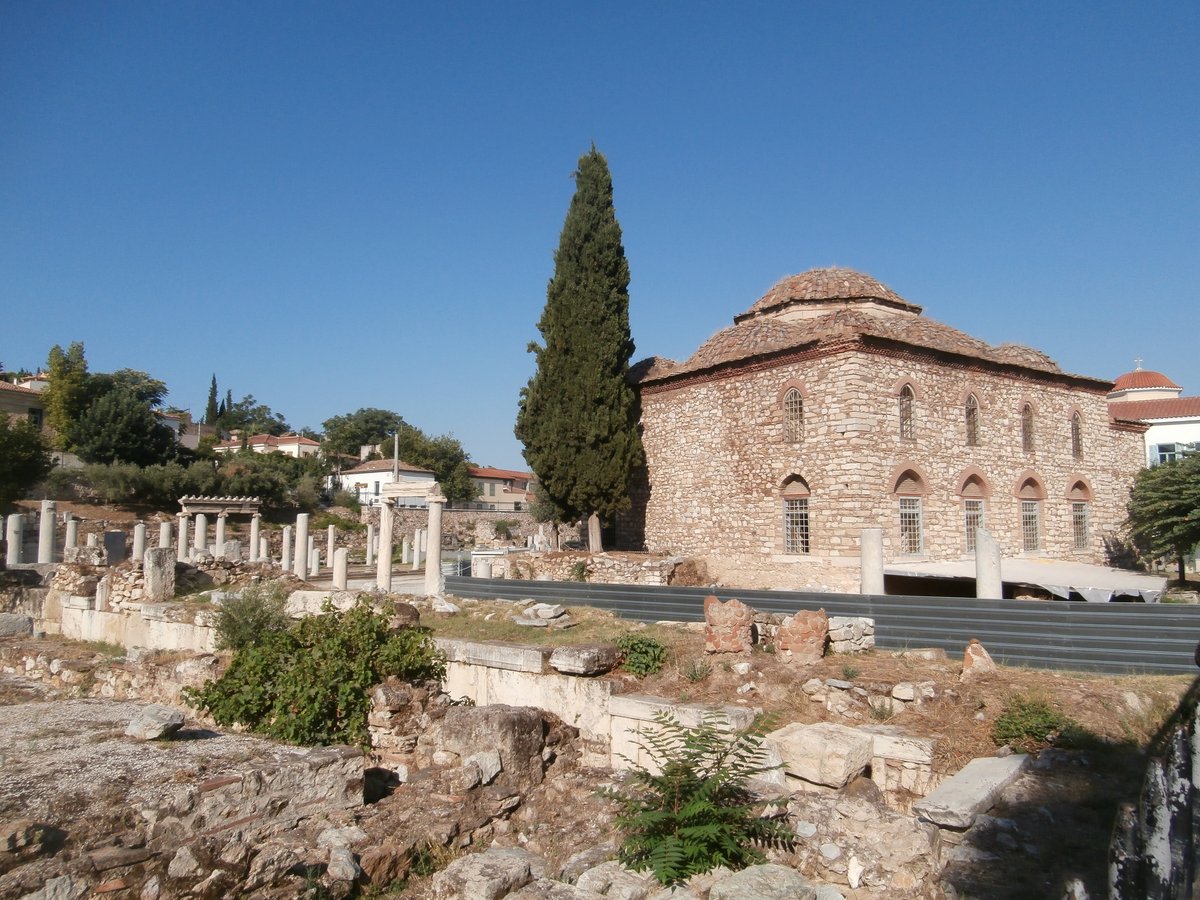
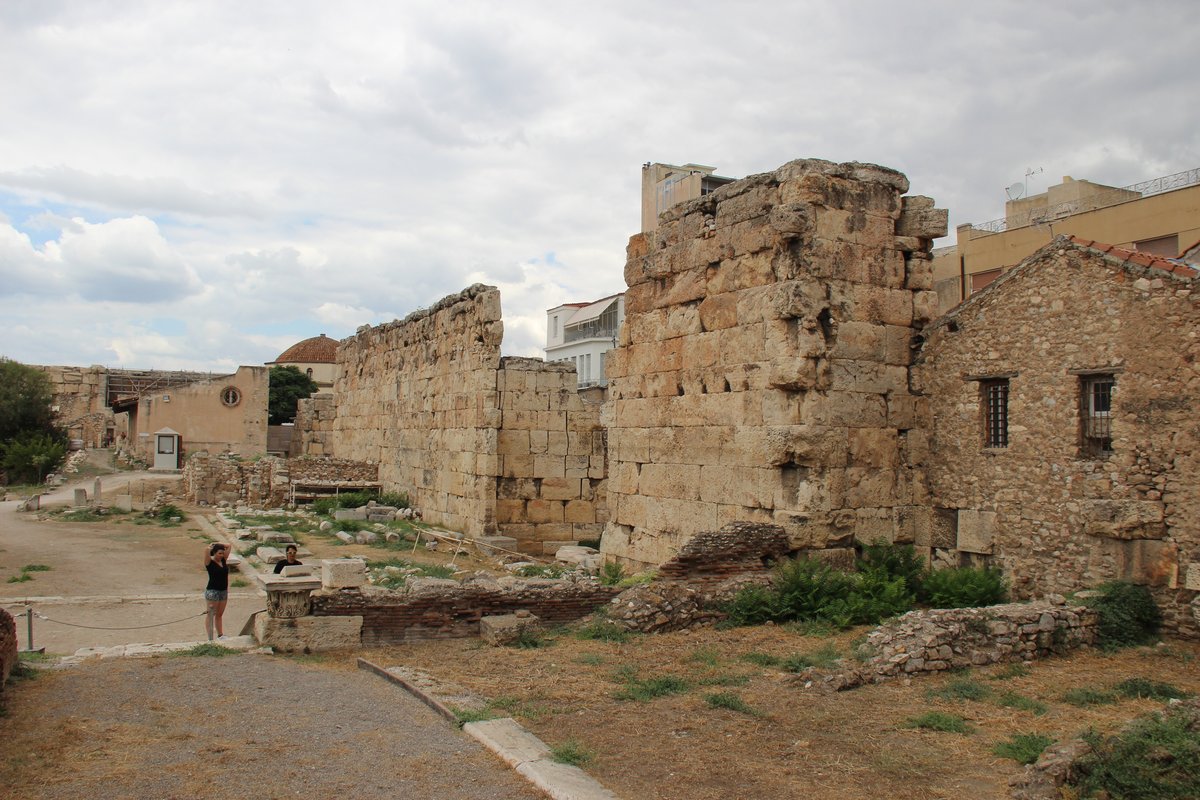
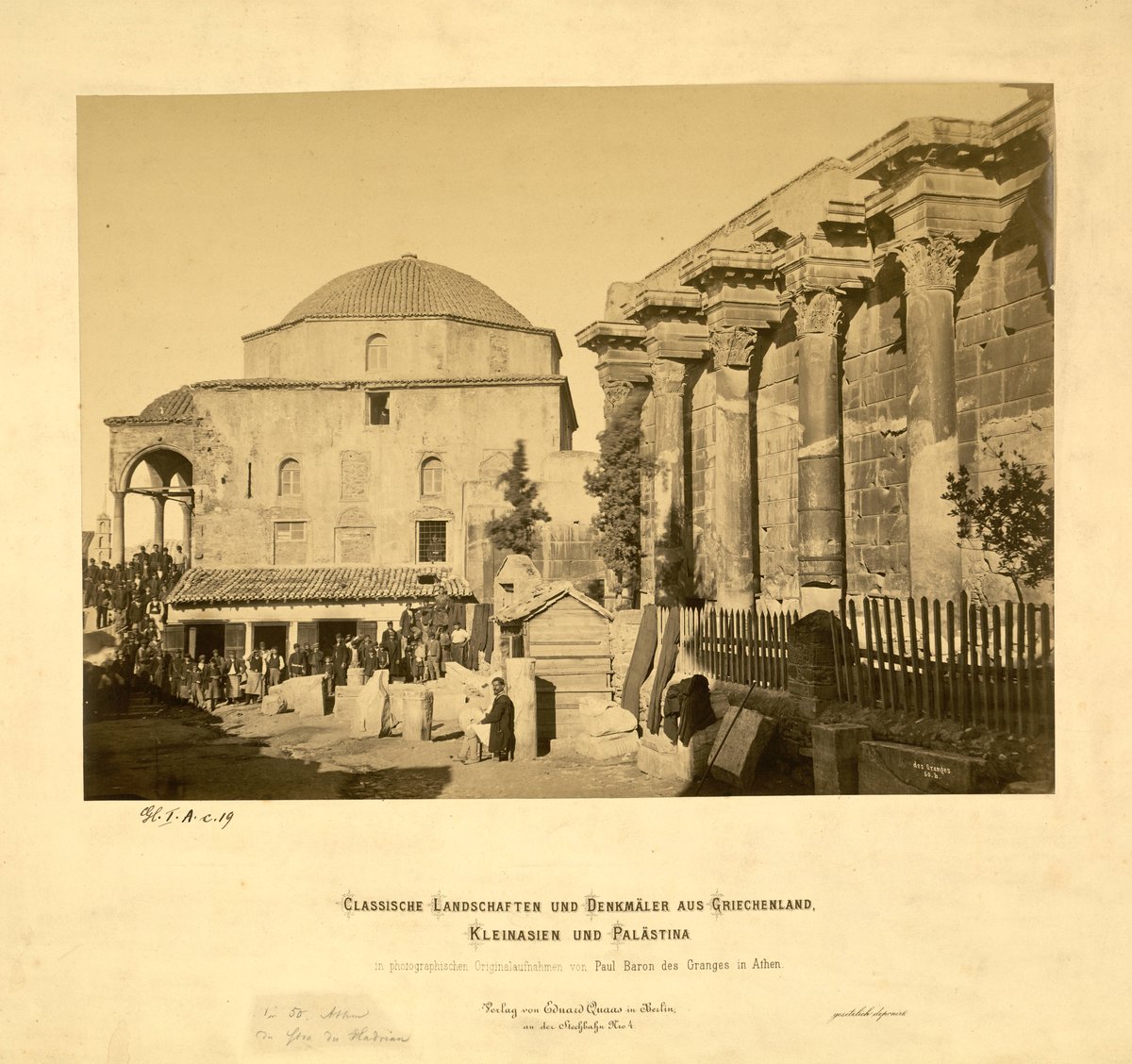
The library continued to serve various purposes throughout the Byzantine period. It was transformed into a church during the 5th century and later served as a seat of administration for the Ottoman rulers of Athens. Despite these changes in function, the library's core structure remained remarkably intact.
Rediscovering a Legacy
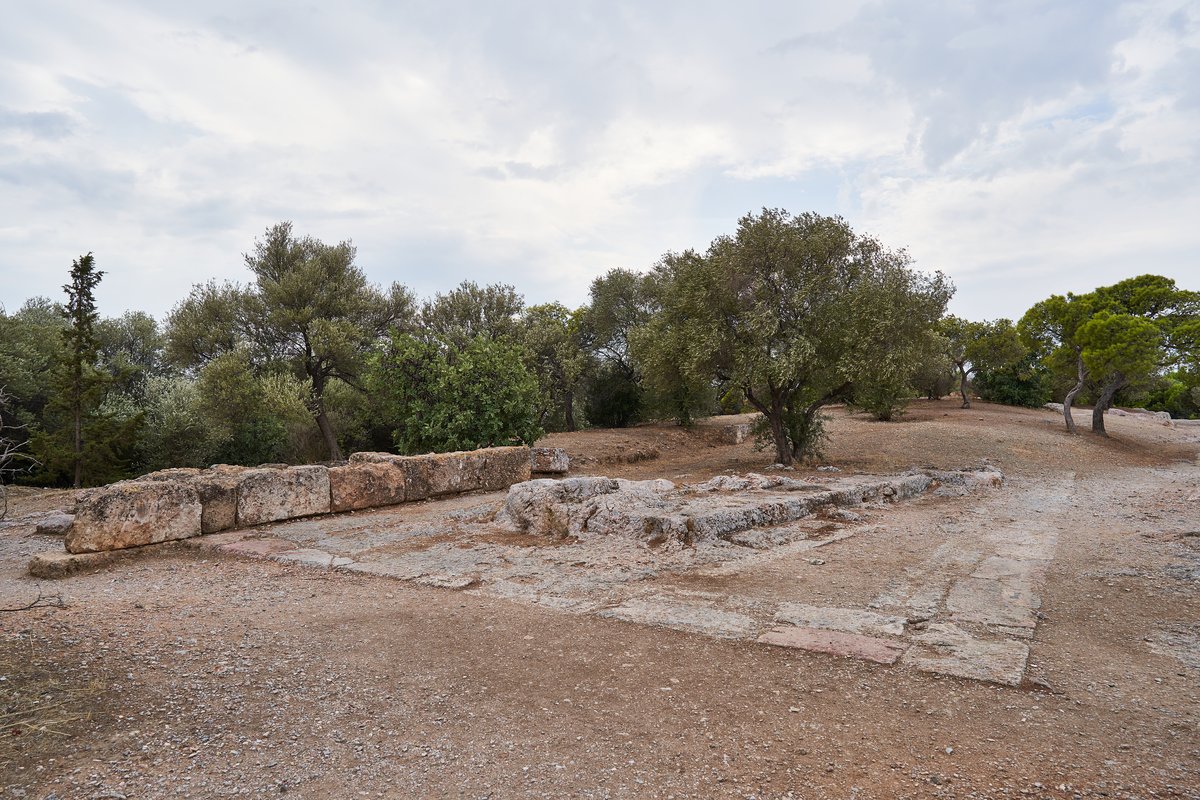
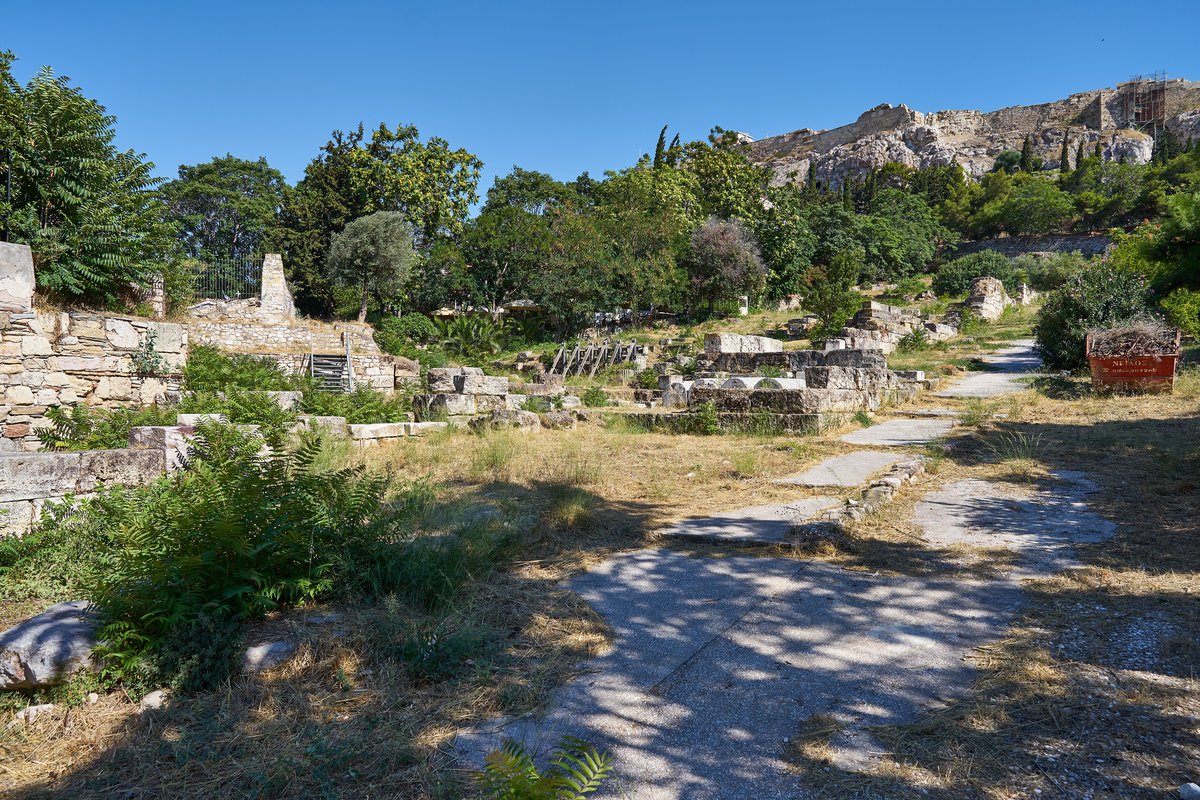
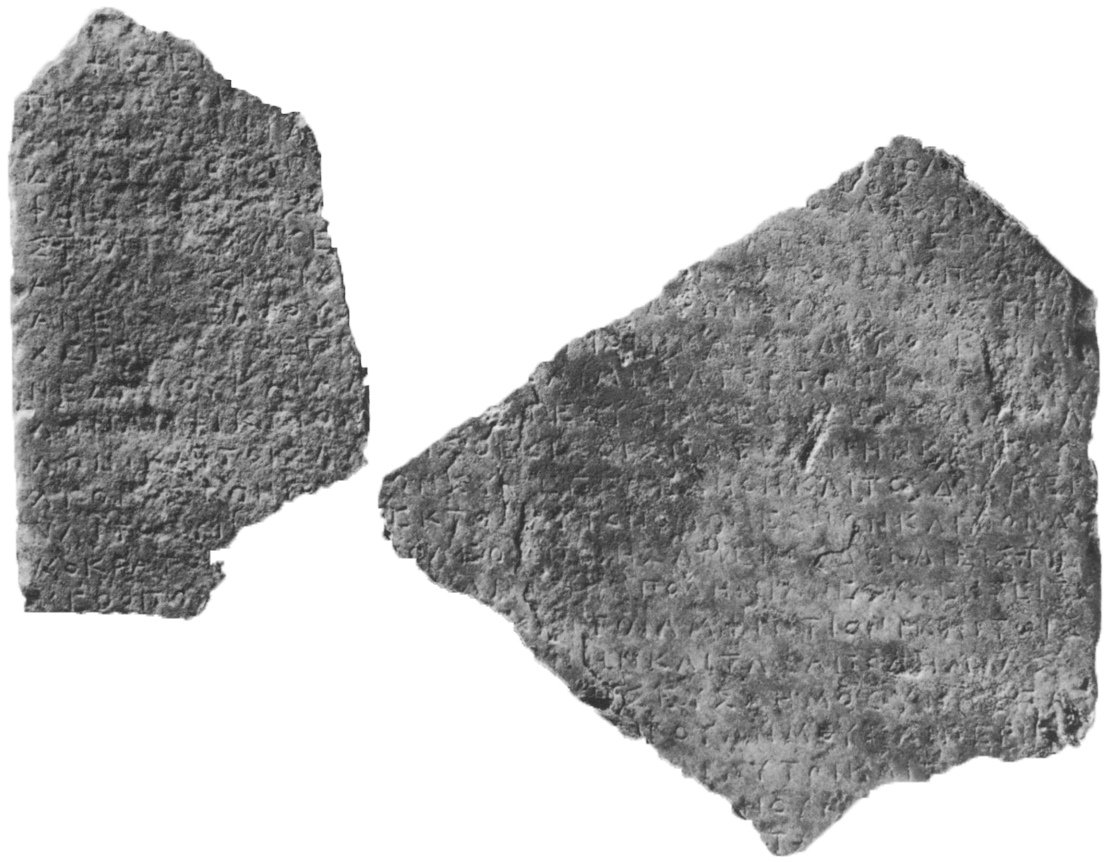
Excavations beginning in the 19th century brought to light the impressive ruins of Hadrian's Library, revealing the grandeur of its past. Today, the site stands as a captivating reminder of Athens' rich intellectual heritage and the enduring legacy of Roman influence on the city.
Significance for Today
Visiting Hadrian's Library offers a tangible connection to the intellectual and cultural dynamism of ancient Athens. Walking through the ruins, one can almost imagine the lively discussions that once filled its halls and the rustling of papyrus scrolls as scholars poured over their contents. The site serves as a powerful reminder of the enduring power of knowledge and the importance of preserving cultural heritage for future generations.
Visitor Information
Tickets and Opening Hours
To visit Hadrian's Library, tickets can be purchased at the entrance or online through various ticketing websites. The entrance fee is usually around €6, but prices may vary depending on the season and any special discounts available. The library is open daily from 8:00 AM to 8:00 PM, with reduced hours during the winter months.
Best Times to Visit
The best time to visit Hadrian's Library is during the early morning or late afternoon to avoid the peak tourist crowds and the midday heat. Weekdays are generally less crowded than weekends.
Travel Tips
How to Get There
Hadrian's Library is located in the heart of Athens, near Monastiraki Square. It is easily accessible by metro, bus, or on foot from other central locations. The closest metro station is Monastiraki, which is just a short walk from the library.
What to Bring
When visiting Hadrian's Library, make sure to bring comfortable walking shoes, sunscreen, and a hat to protect yourself from the sun. A bottle of water is also recommended, especially during the hotter months.
Nearby Attractions
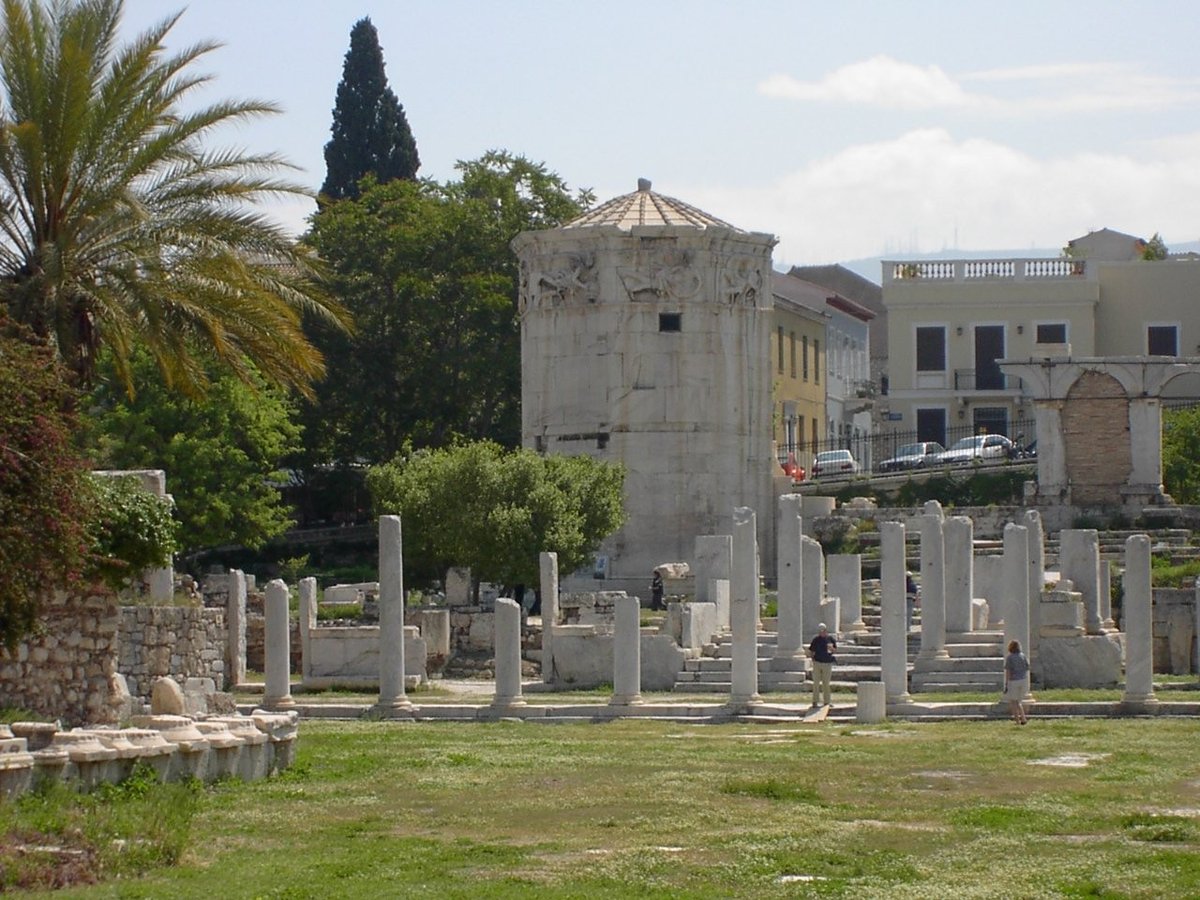
While in Athens, consider visiting other nearby historical sites such as the Acropolis, the Ancient Agora, and the Roman Agora. These sites are all within walking distance from Hadrian's Library and offer a deeper insight into the rich history of Athens.
Special Events and Guided Tours
Hadrian's Library occasionally hosts special events, including public lectures and cultural performances. Guided tours are available and highly recommended for those interested in a more in-depth understanding of the site's history and significance.
Photographic Spots
For photography enthusiasts, the best spots for capturing the beauty of Hadrian's Library include the main courtyard, the porticoes, and the remains of the library's grand entrance. Early morning and late afternoon provide the best lighting conditions for photos.
FAQ
What are the visiting hours for Hadrian's Library?
Hadrian's Library is open daily from 8:00 AM to 8:00 PM, with reduced hours during the winter months.
How much do tickets cost for Hadrian's Library?
The entrance fee is usually around €6, but prices may vary depending on the season and any special discounts available.
What are the best times to visit Hadrian's Library?
The best times to visit are during the early morning or late afternoon to avoid peak tourist crowds and the midday heat.