Plan and listen to Greek Cruiser Georgios Averof with Audiala.
Audio guide in your pocket, itinerary in your browser. Built for the way you actually visit.
Introduction
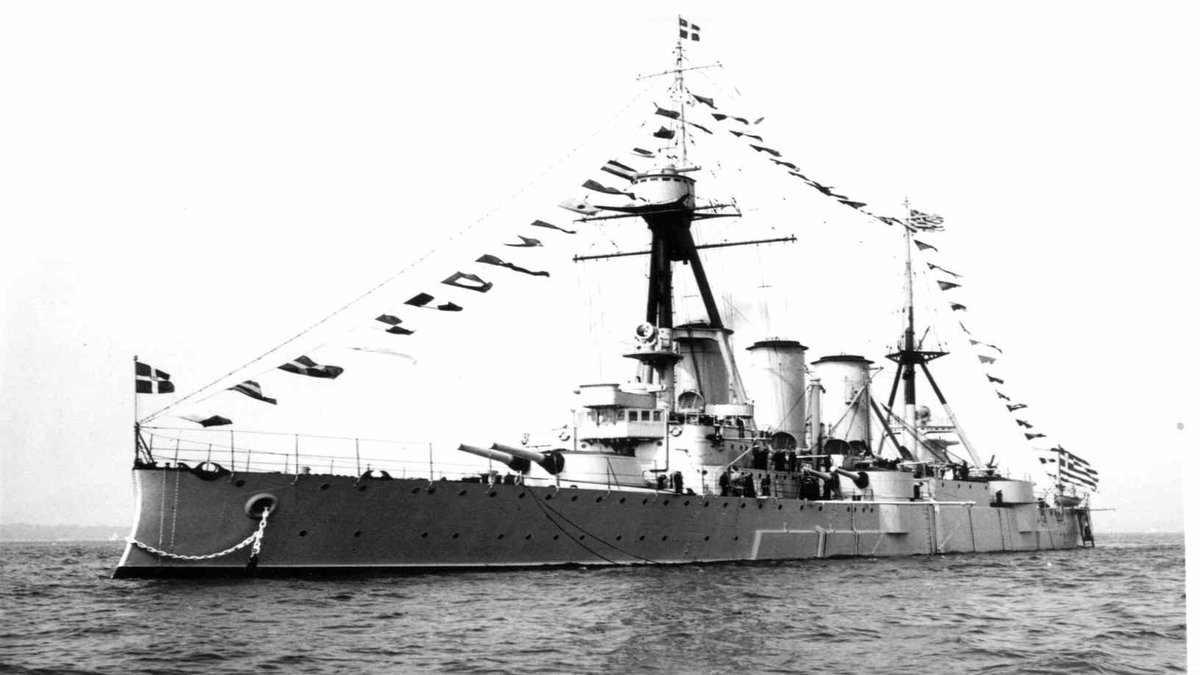
The Greek Cruiser Georgios Averof is a legendary symbol of Greece’s naval tradition and a must-visit historical landmark in the Athens and Piraeus area. Moored at Flisvos Marina in Palaio Faliro, this armored cruiser not only played a pivotal role in the Balkan Wars and both World Wars, but today serves as a floating museum, offering an immersive experience for history enthusiasts, families, and tourists alike.
This guide provides all the essential information for planning your visit to the Georgios Averof, including visiting hours, ticket prices, accessibility, guided tour options, and practical travel tips. You’ll also discover the ship’s historical significance, details about special exhibitions, and recommendations for nearby attractions to enrich your itinerary.
For the most up-to-date details, always refer to the official Hellenic Navy Averof website, as well as trusted sources such as Greek Reporter and the Naval Encyclopedia.
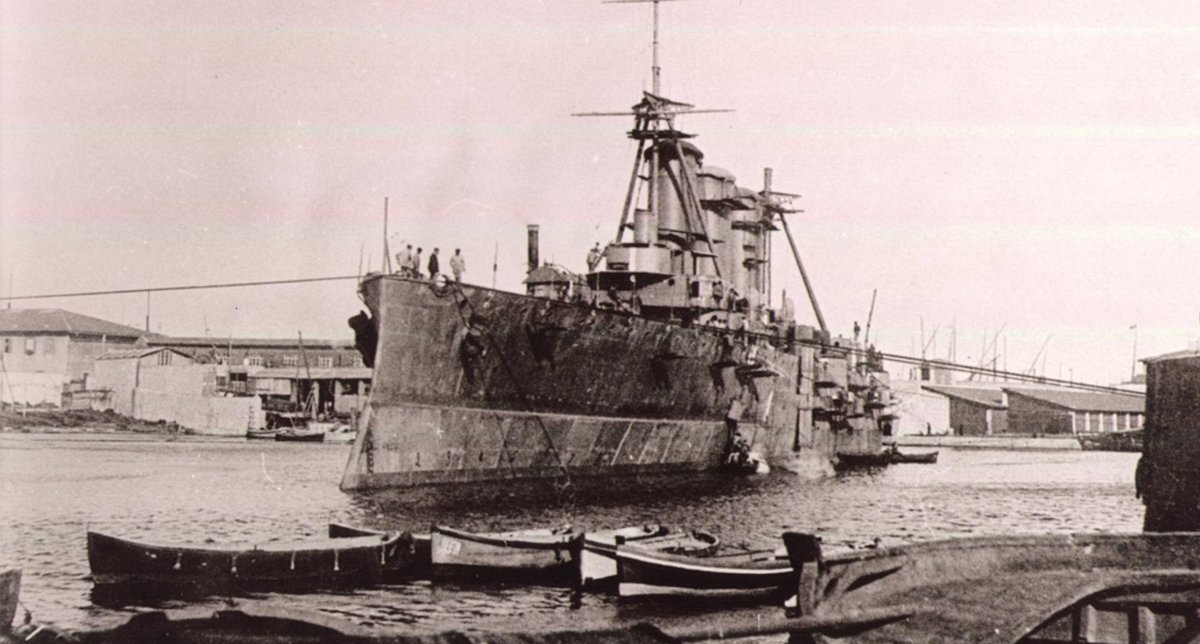
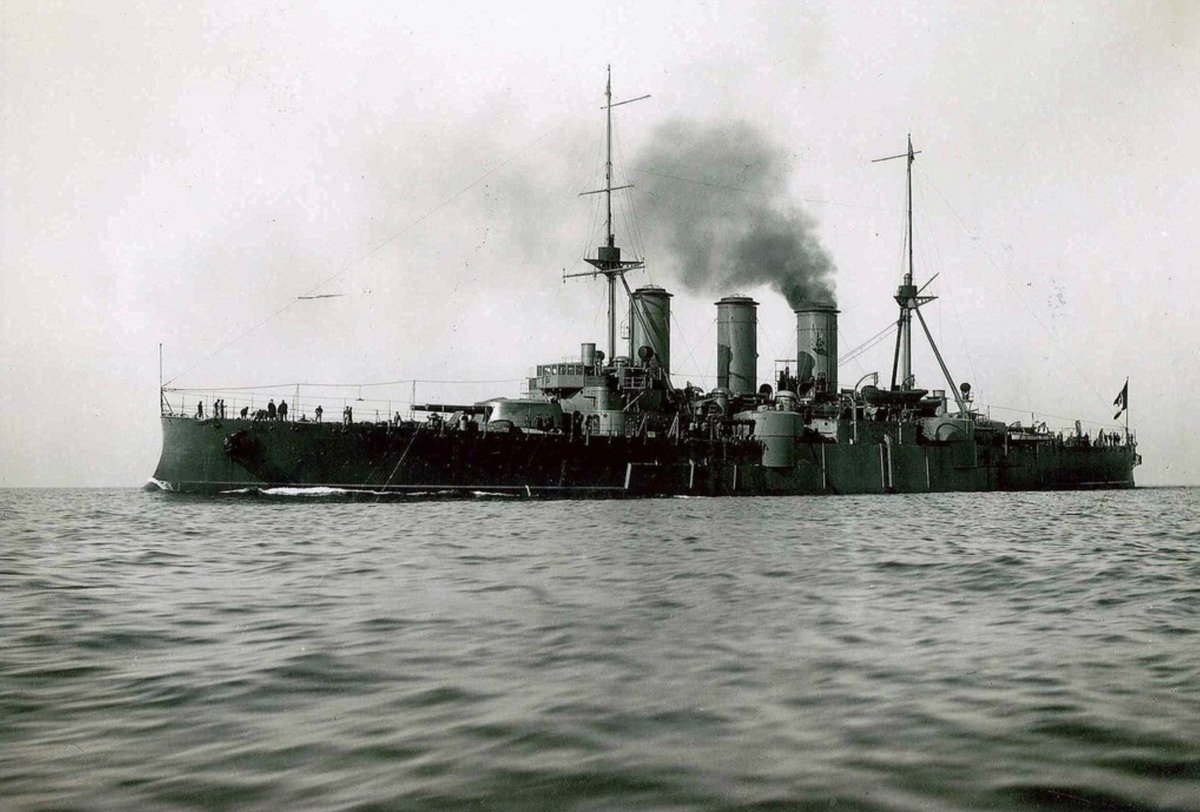
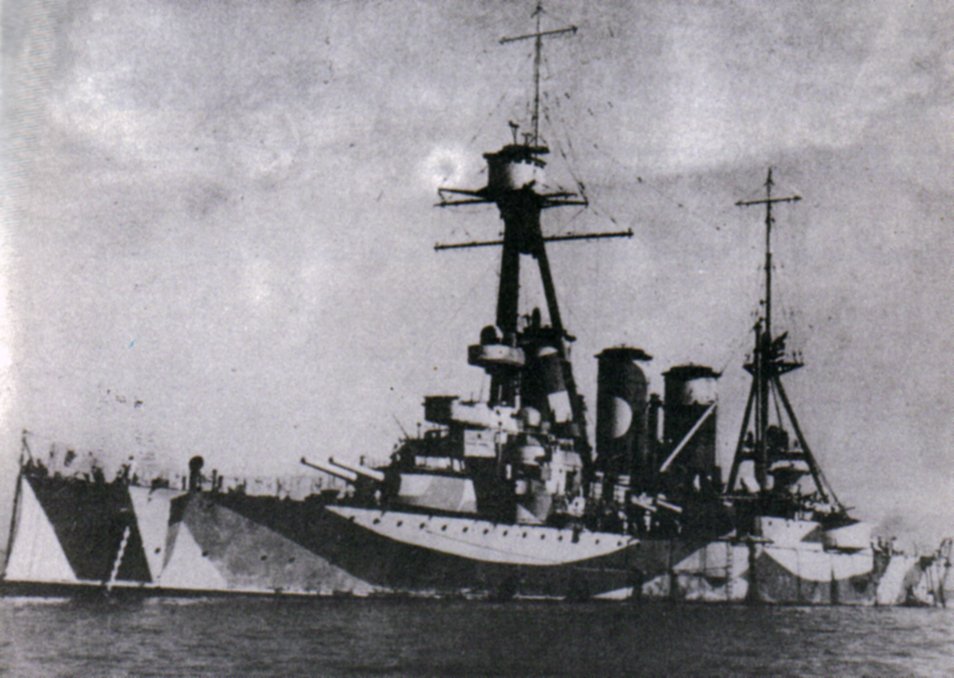
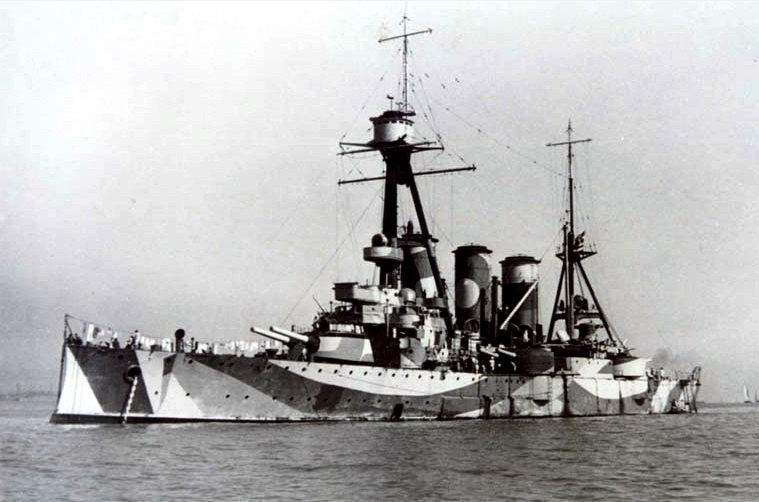
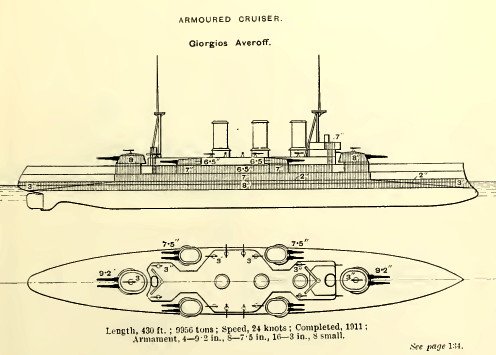
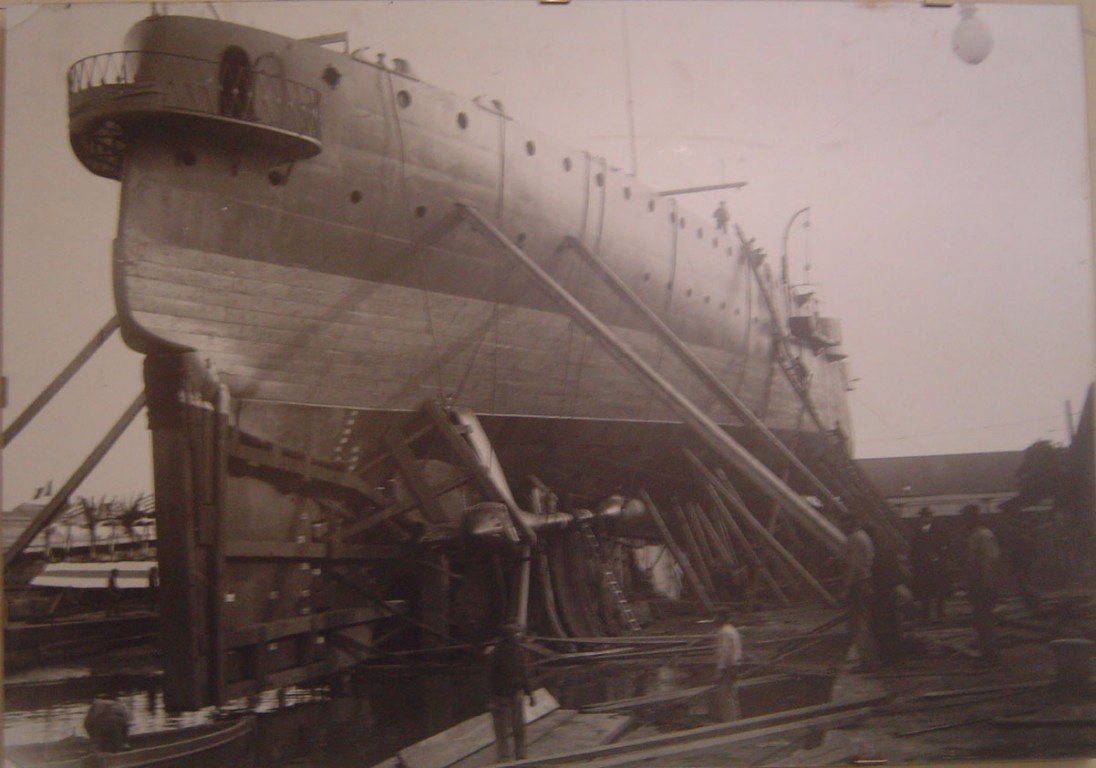
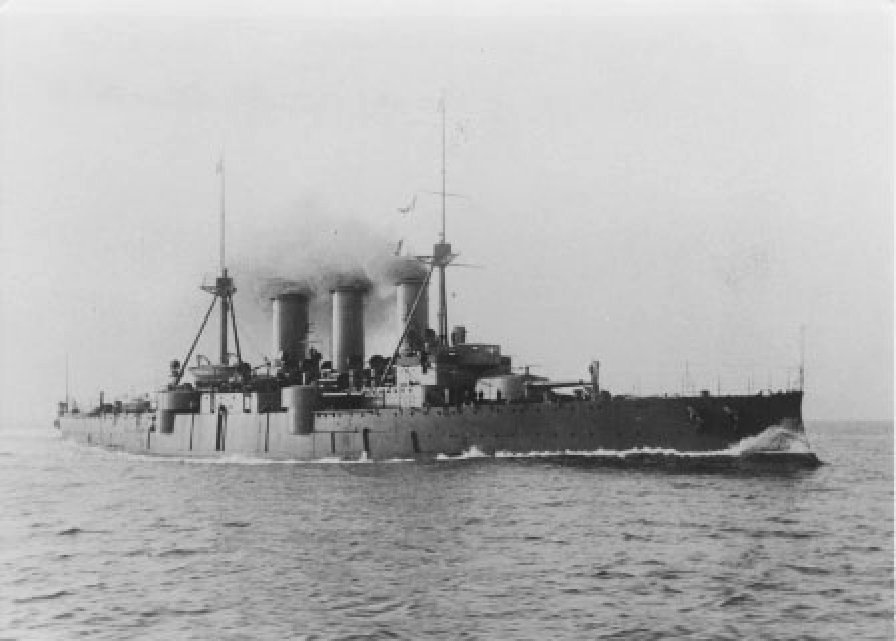
Commissioned in 1910 and affectionately known as “Barba Yiorgis” or “Papa George,” the Georgios Averof is the world’s only surviving Pisa-class armored cruiser. Funded in part by the Greek benefactor Georgios Averof, the ship became the flagship of the Hellenic Navy and a catalyst for Greece’s emergence as a maritime power in the early 20th century (Naval Encyclopedia).
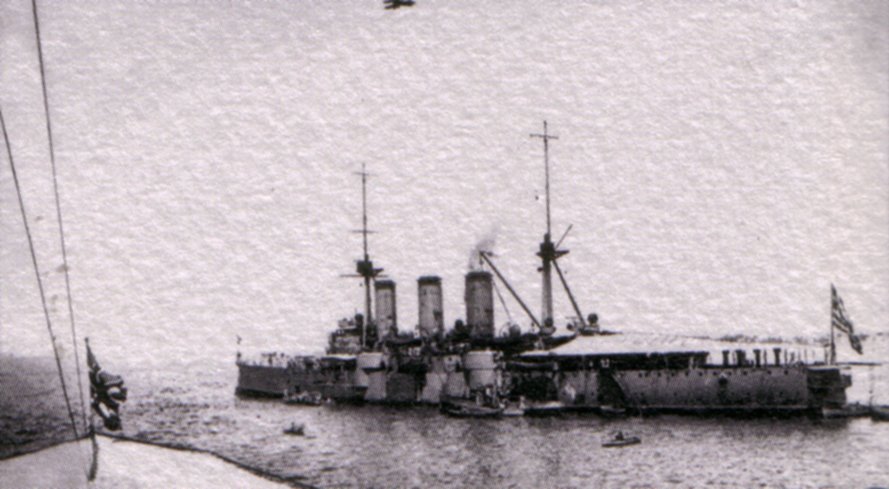
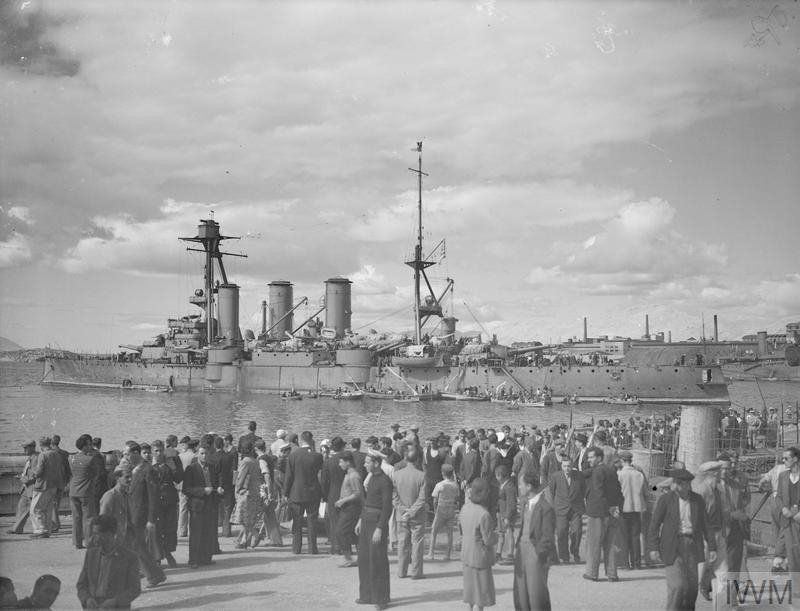
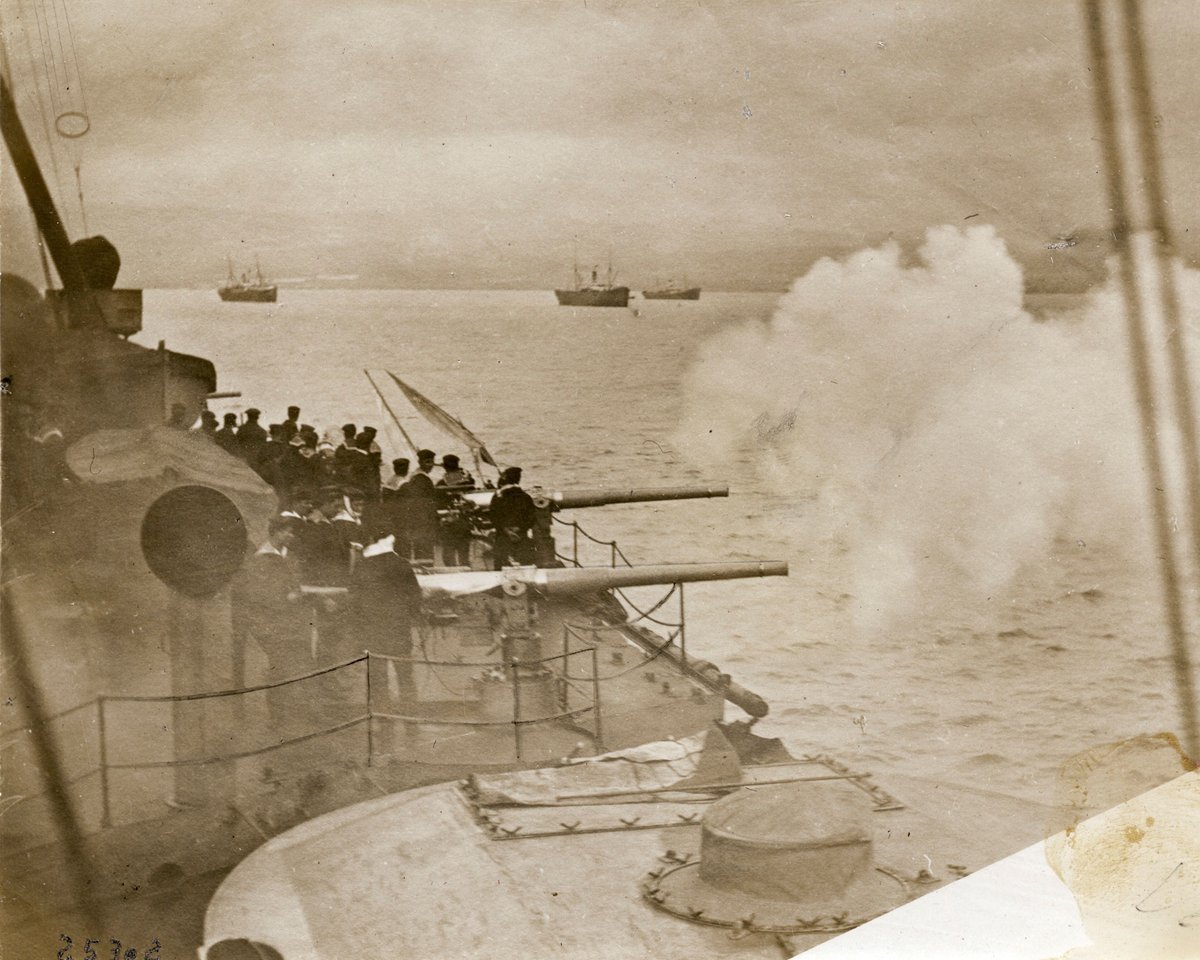
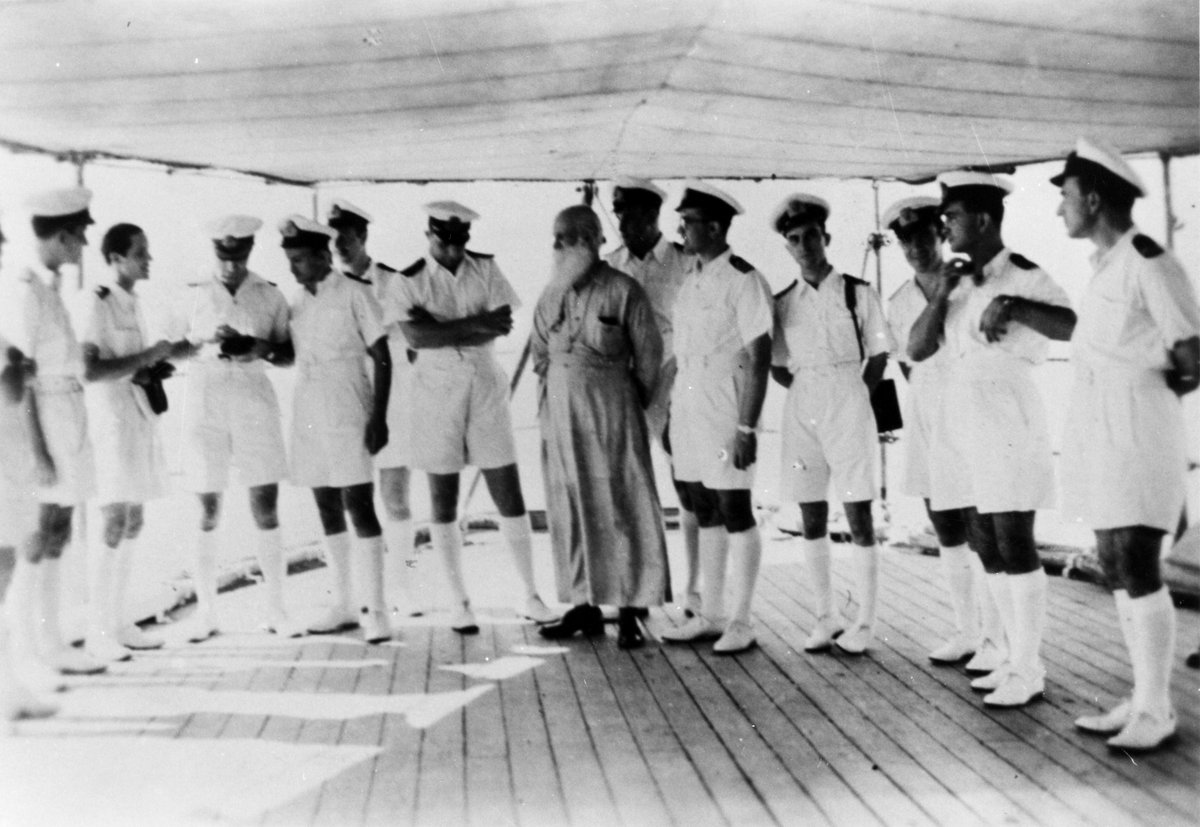
Under the command of Admiral Pavlos Kountouriotis, the Averof led the Greek fleet to decisive victories in the Balkan Wars, notably at the Battles of Elli and Lemnos. Its advanced design and formidable firepower secured Greek control over the Aegean islands, fundamentally altering the balance of power in the region (Greek Reporter). The ship continued to play significant roles throughout World War I and II, including the evacuation of the Greek government during the 1941 German invasion.
After being decommissioned in 1952, the Averof was preserved as a museum ship, opening its decks to the public in 1984. It stands today as a testament to Greece’s resilience, innovation, and national pride (Hellenic Navy).

Visiting the Georgios Averof: Location, Hours, and Tickets
Location
- Address: Flisvos Marina, Palaio Faliro, Athens, Greece
- Easily accessible by public transport (Tram Line T3 to “Trocadero” stop, bus routes, and taxi) from central Athens and Piraeus.
- Paid parking is available at Flisvos Marina (spaces may be limited on weekends and holidays).
Visiting Hours
- Open: Daily from 09:00 to 17:00
- Last admission: 30 minutes before closing
- Closures: Select public holidays and for maintenance – always check the official schedule before visiting.
Ticket Prices
- General Admission: €5.00
- Reduced Admission: €2.50 (students, seniors 65+, children 6–17, groups of 10+)
- Free Admission: Children under 6, persons with disabilities and their companions, members of the Hellenic Navy
- Special Discounts: Available for school groups and on select public holidays
Find the latest ticket details at the official ticket information page.
Accessibility and Visitor Facilities
- Wheelchair Accessibility: While the historic structure poses challenges (steep ladders, narrow corridors), ramps and an internal elevator provide improved access to key areas.
- Restrooms: Modern, accessible facilities are available onshore near the entrance.
- Gift Shop: Offers maritime-themed books, souvenirs, and memorabilia.
- Cafés: Several eateries with views of the Saronic Gulf can be found within Flisvos Marina.
- Guided Tours: Available in Greek and English; book in advance for group or educational tours. Self-guided visits are supported by informational panels throughout the ship.
Special Exhibitions, Educational Programs, and Events
The Averof museum features:
- Permanent Exhibitions: Original armaments, naval artifacts, uniforms, navigation equipment, and archival photographs.
- Guided Tours: Led by naval personnel or historians, focusing on the ship’s history and daily life aboard.
- Educational Programs: Tailored for school groups and families, fostering appreciation for Greek maritime heritage.
- Special Events: Naval commemorations, reenactments, and amateur radio operations (e.g., the SZ1AB event station) (DX News).
- Virtual and Digital Offerings: Online tours and educational content for remote visitors.
Check the official events calendar for upcoming activities.
Travel Tips for Your Visit
- Arrive Early: To avoid crowds and enjoy a more relaxed tour.
- Footwear: Wear comfortable, non-slip shoes; ship decks and ladders can be steep or slippery.
- Weather: Prepare for outdoor conditions; sun protection in summer, warm clothing in winter.
- Photography: Permitted throughout most of the ship; please follow any posted restrictions.
- Visit Duration: Allocate 1–2 hours for a comprehensive visit.
- Children: Supervise young visitors closely due to open railings and steep stairs.
- Languages: Informational signage and audio guides are in Greek and English; inquire about other languages if needed.
Nearby Attractions
Enhance your maritime adventure by exploring:
- Naval Tradition Park: Home to other historic ships like the destroyer Velos.
- Hellenic Maritime Museum: A short walk from the Averof.
- Scenic Flisvos Marina: With waterfront paths, cafés, and beautiful views.
- Archaeological Museum of Piraeus: For broader insights into the area’s history.
Read more about Athens historical sites and explore Flisvos Marina.
Frequently Asked Questions (FAQ)
Q: What are the Georgios Averof visiting hours?
A: Open daily from 09:00 to 17:00. Last admission is 30 minutes before closing. Check for holiday closures on the official website.
Q: How much do tickets cost?
A: General admission is €5.00; reduced tickets are €2.50; children under 6 and certain groups enter free.
Q: Is the ship accessible for wheelchair users?
A: Accessibility is improved with ramps and an internal elevator, but some areas may remain challenging. Contact museum staff for assistance.
Q: Are guided tours available?
A: Yes, in Greek and English. Book in advance for group tours or educational visits.
Q: Can I take photos onboard?
A: Photography is generally allowed except in sensitive or restricted areas.
Tickets & tours.
These are guided options from our partners — same price as booking direct.
Prices are indicative — final pricing and availability are confirmed at checkout. Audiala may earn a commission from bookings made through these links.
Listen to the full story in the app
The whole Greek Cruiser Georgios Averof,
told well.
Listen to sourced travel stories with local history and practical context — ready offline.
Verified, and shown.
Researched and written by the Audiala editorial team from historical records, architectural archives, and local expertise.
Built from cited sources · see the method · How we make our guides →