Introduction
The Frankish Tower, once a dominant medieval structure on the Acropolis of Athens, stands as an evocative symbol of the city’s layered history. Erected in the early 13th century after the Fourth Crusade, the tower marked the Frankokratia period—an era of Western European rule amidst Athens' classical legacy. Although it was demolished in the 19th century to restore the Acropolis’ ancient grandeur, the story of the Frankish Tower offers crucial insight into the cultural and political transformations that have shaped Athens.
This guide presents a detailed overview of the Frankish Tower's origins, architectural features, significance during various historical periods, and practical visitor information for exploring the Acropolis and related sites. Whether you are a history enthusiast or a curious traveler, this article provides a comprehensive resource to enhance your understanding and experience of Athens’ rich past.
For official updates and further reading, see the Hellenic Ministry of Culture, Acropolis Museum, and Everything Explained Today.
Photo Gallery
Explore Frankish Tower in Pictures
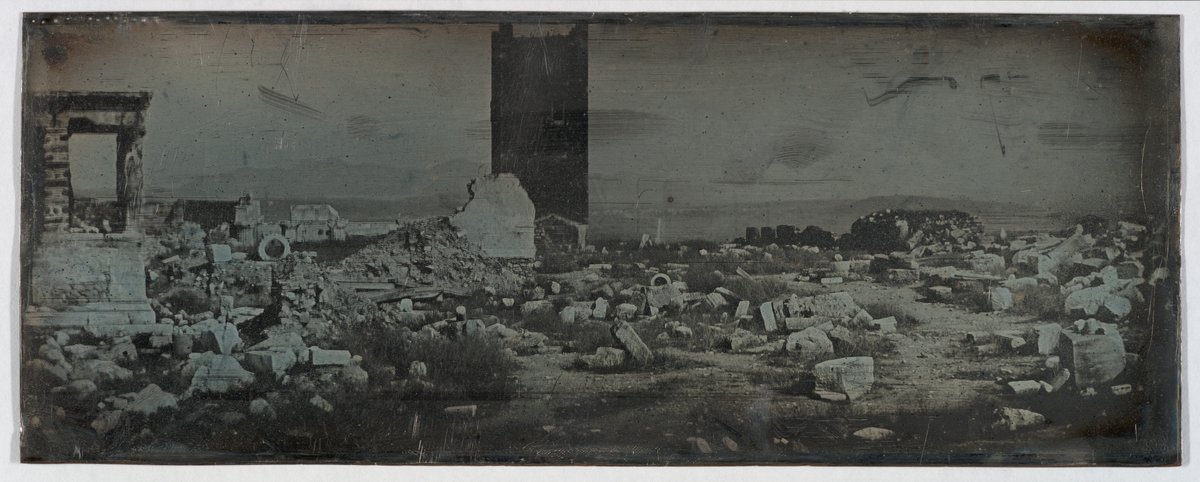
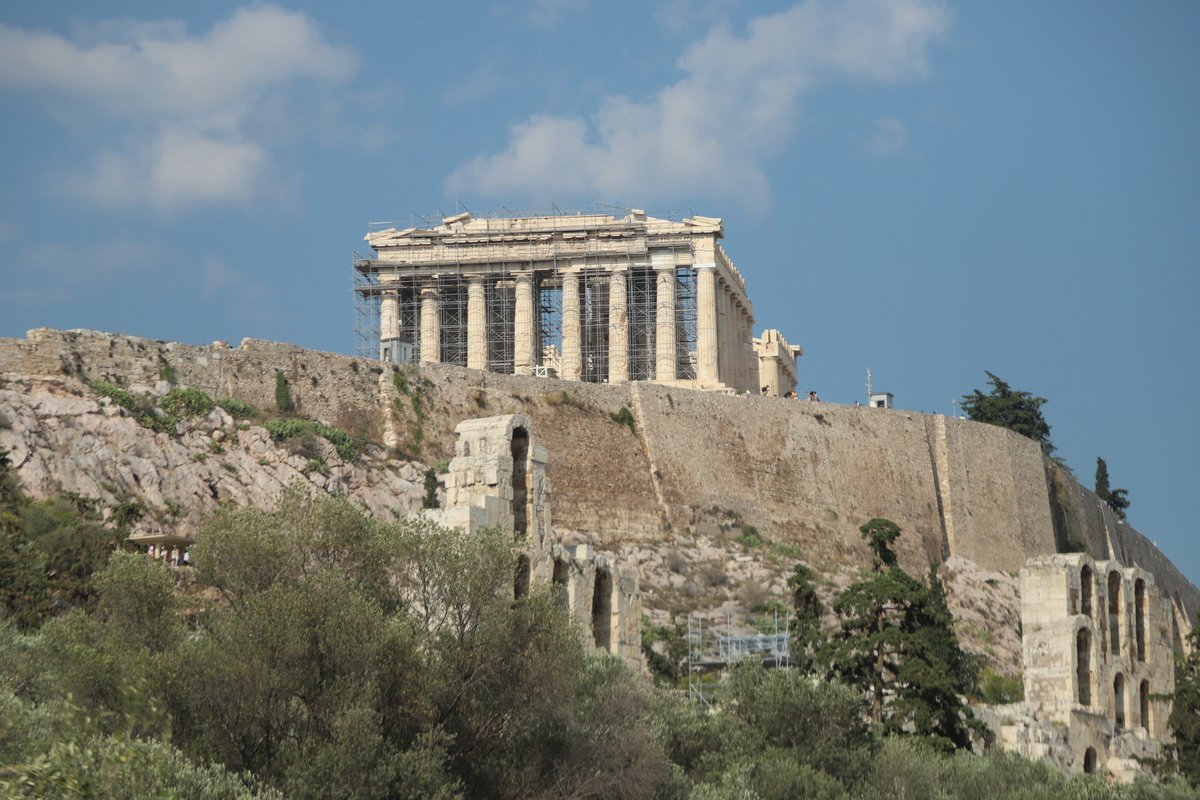
Photograph showcasing the ancient ruins of the Acropolis in Athens, featuring detailed foreground views perfect for artwork or historical illustration.
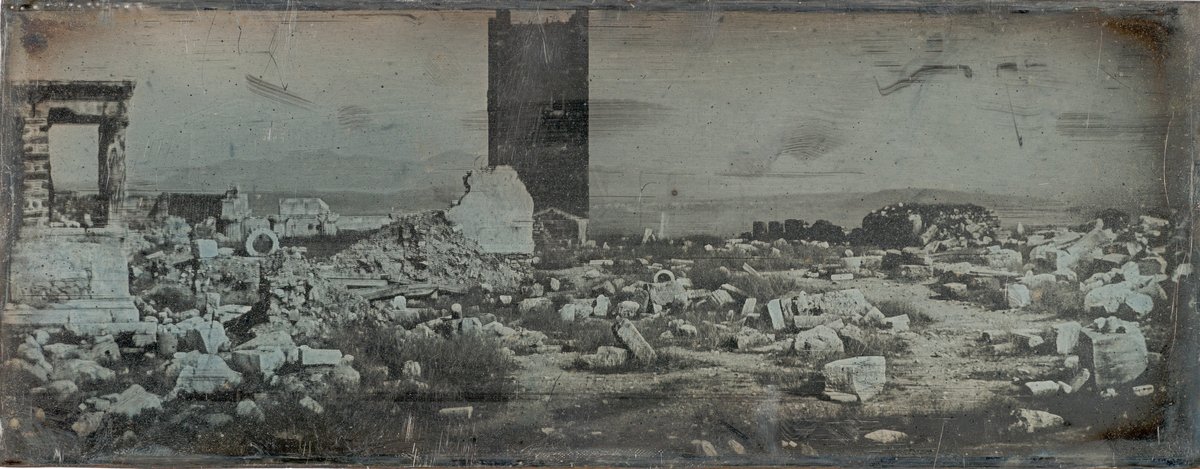
Digital restoration image showing the ruins of the Acropolis in Athens, highlighting ancient Greek architectural elements and foreground details.
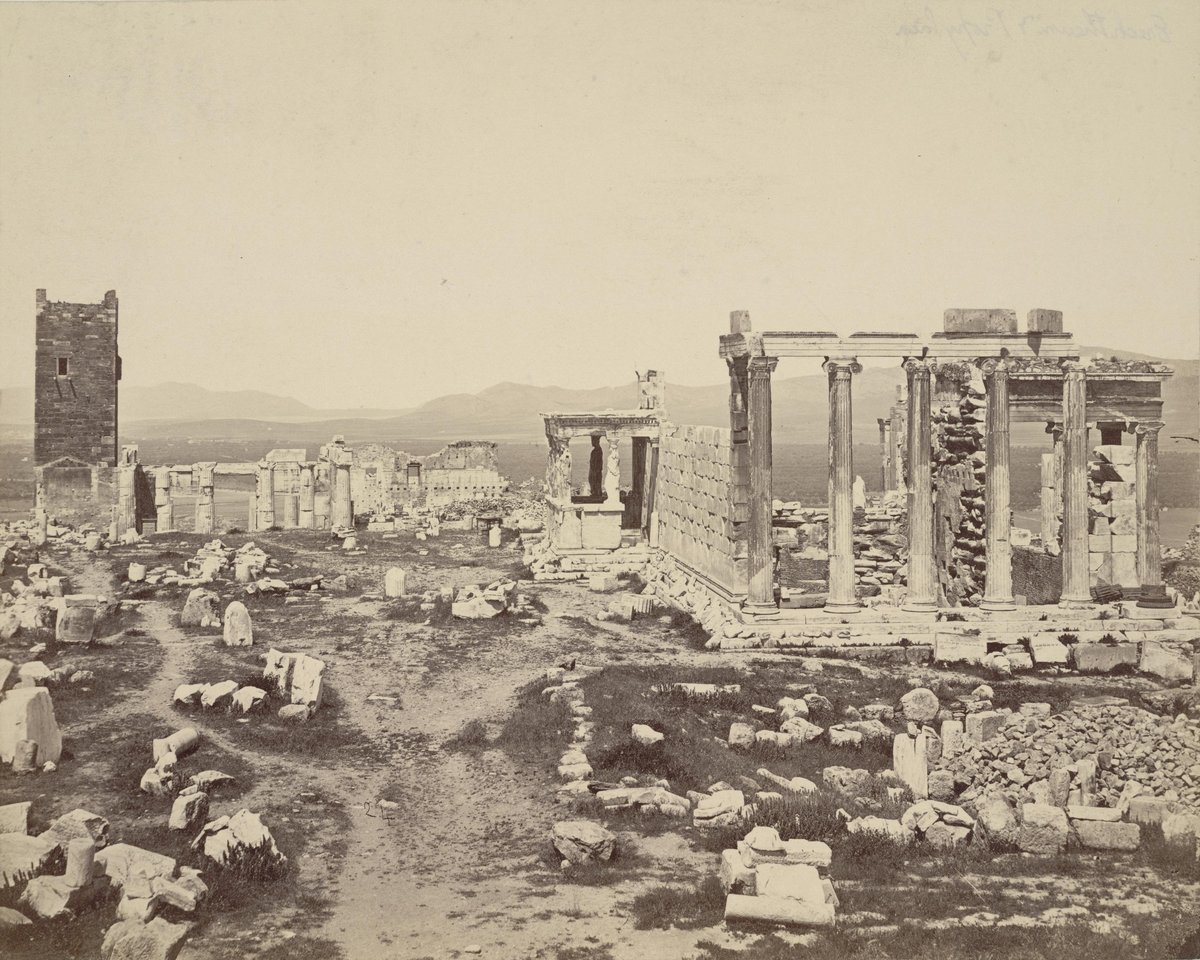
This historic image captures the Acropolis of Athens including the Propylaea entrance, Erechtheum temple, and the now-demolished Frankish Tower in the background before its demolition in 1874.
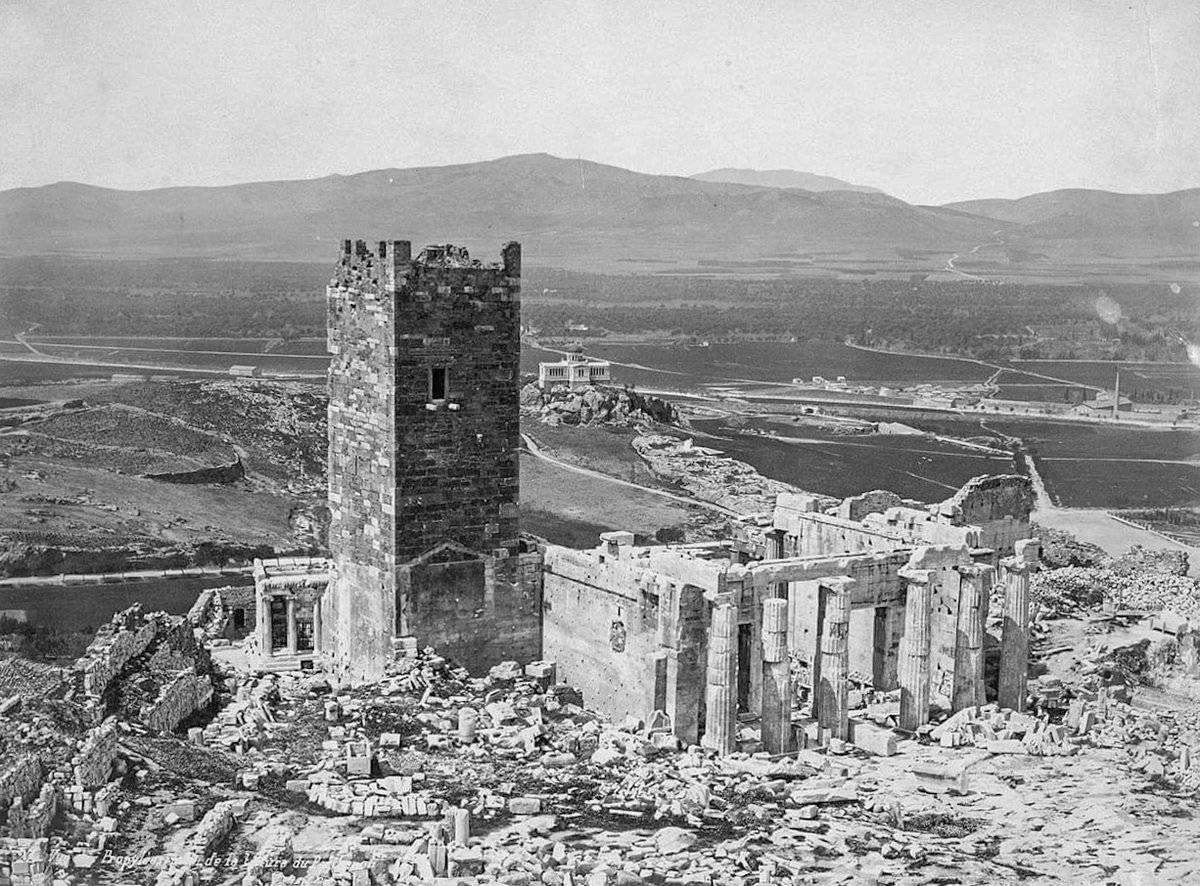
Historic Old Frankish Tower located in the Acropolis of Athens, Greece, showcasing ancient architecture and cultural heritage.
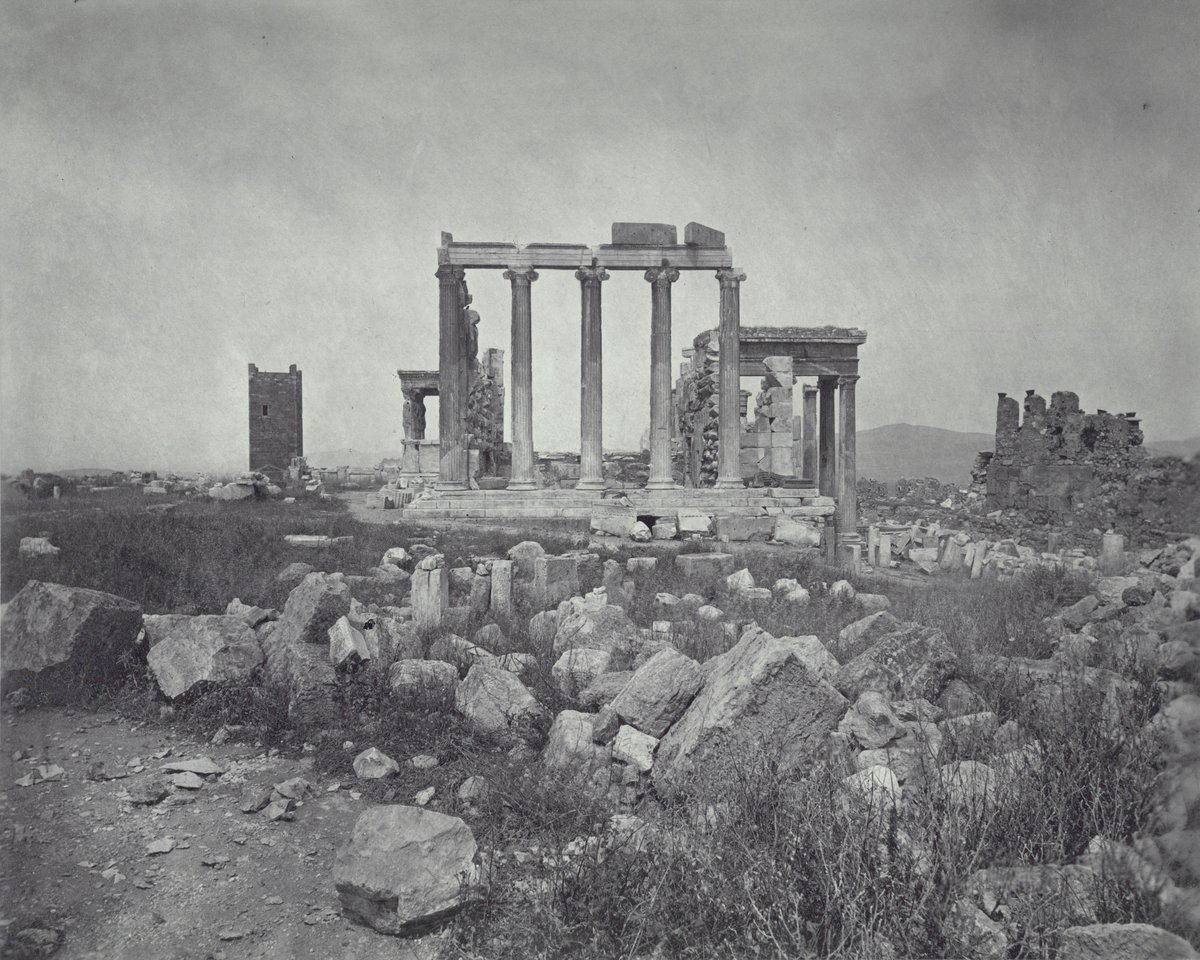
Historic view of the Acropolis of Athens featuring the Erechtheum temple and the Frankish Tower prior to its demolition in 1875, possibly photographed by William James Stillman.
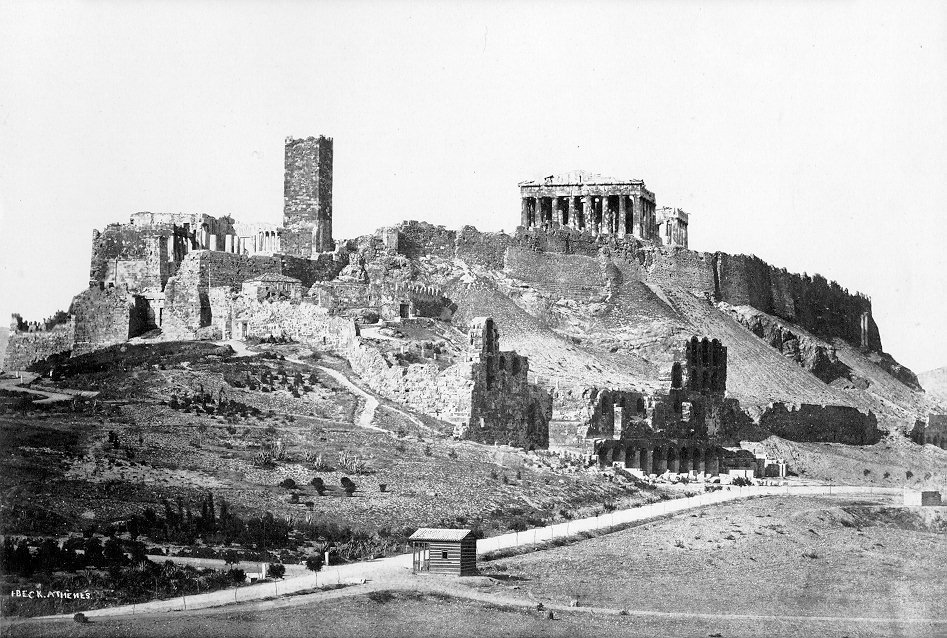
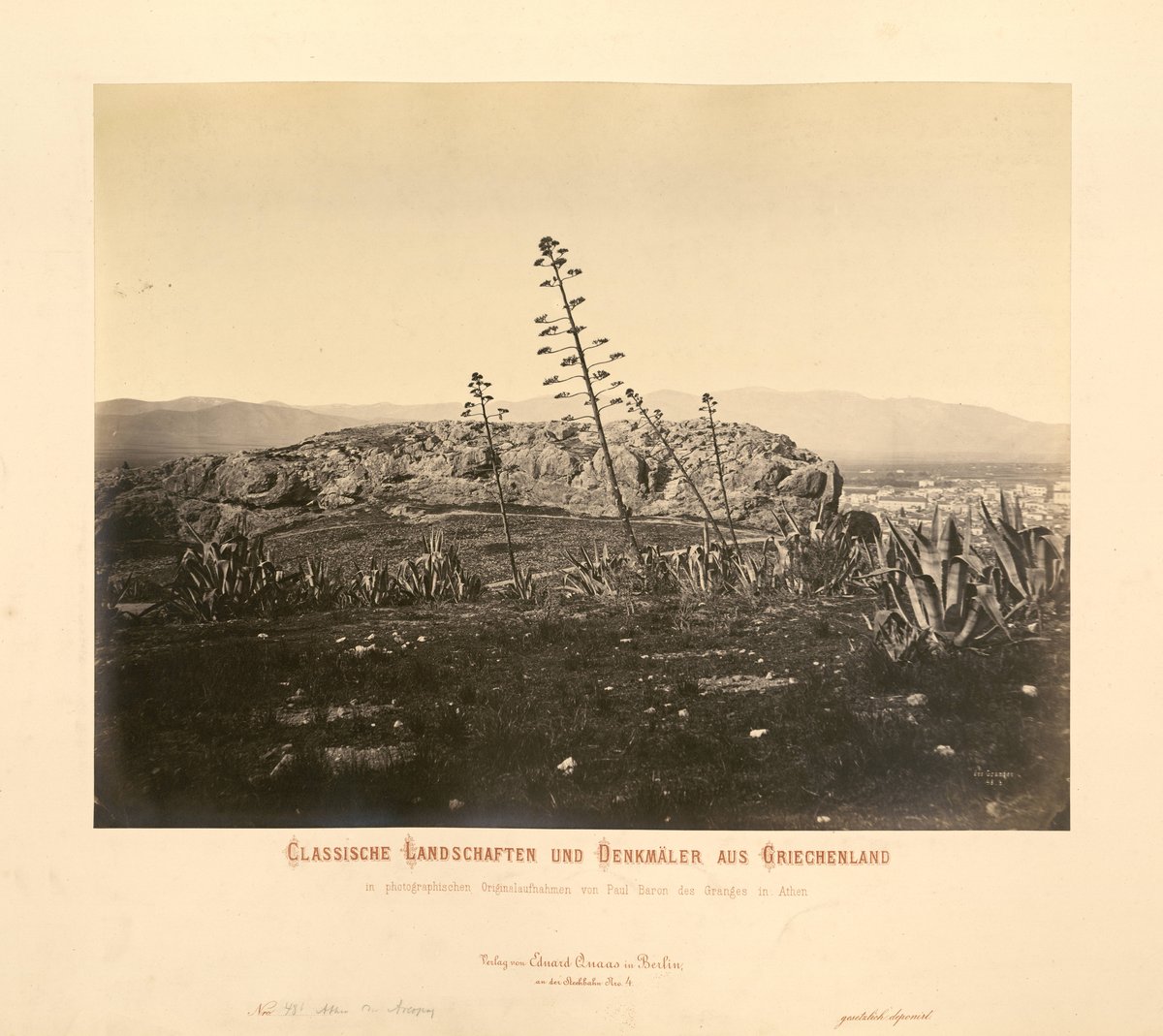
A historic black and white photograph showing the Acropolis of Athens as it appeared before 1872, highlighting ancient ruins atop the rocky hill.
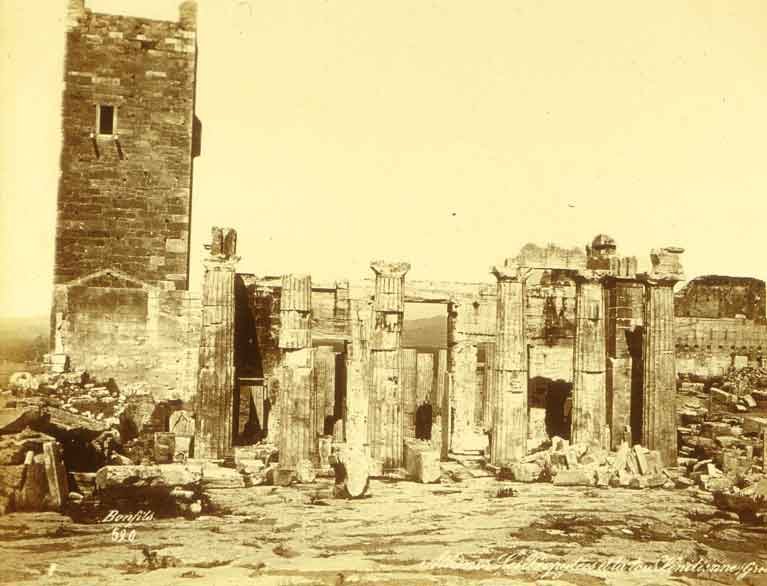
Photograph showing the now-demolished Frankish Tower on the left and the Athenian Propylaea on the right, captured between 1868 and 1875 at the Acropolis of Athens.
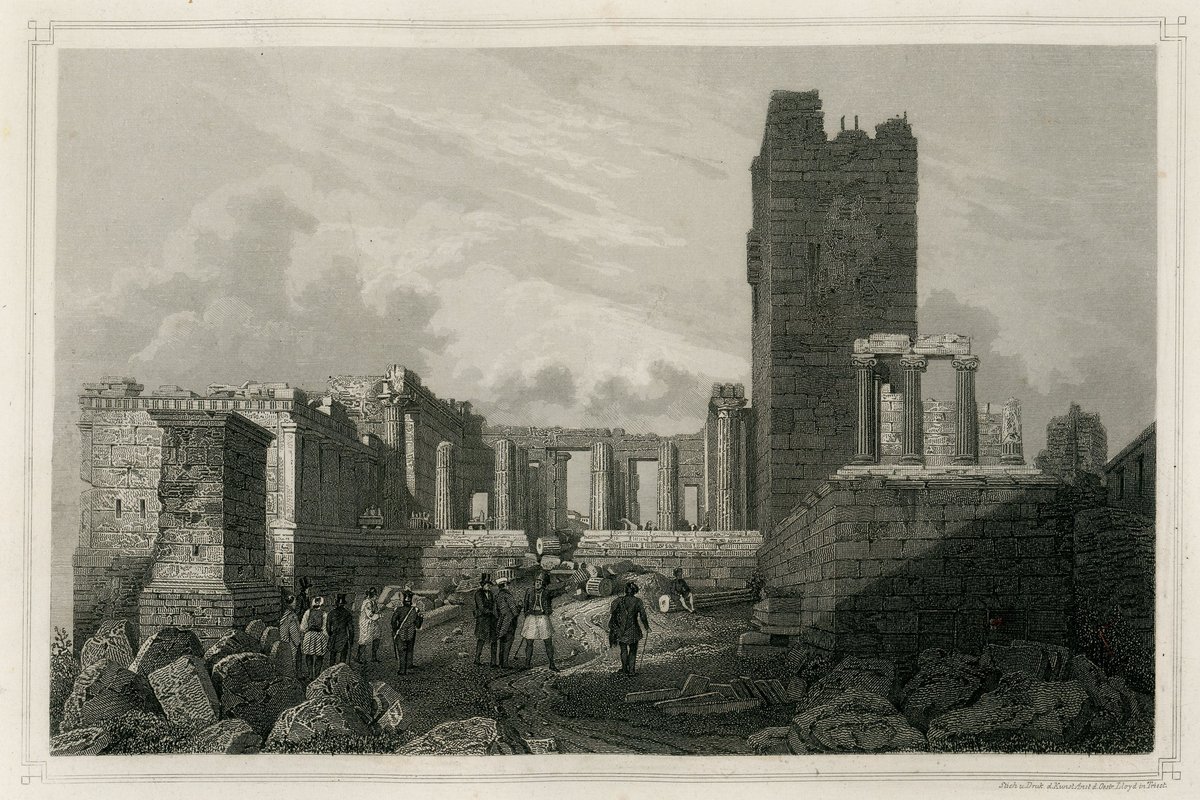
The Propyläen, a monumental city gate in Munich, Germany, showcasing classical architecture.
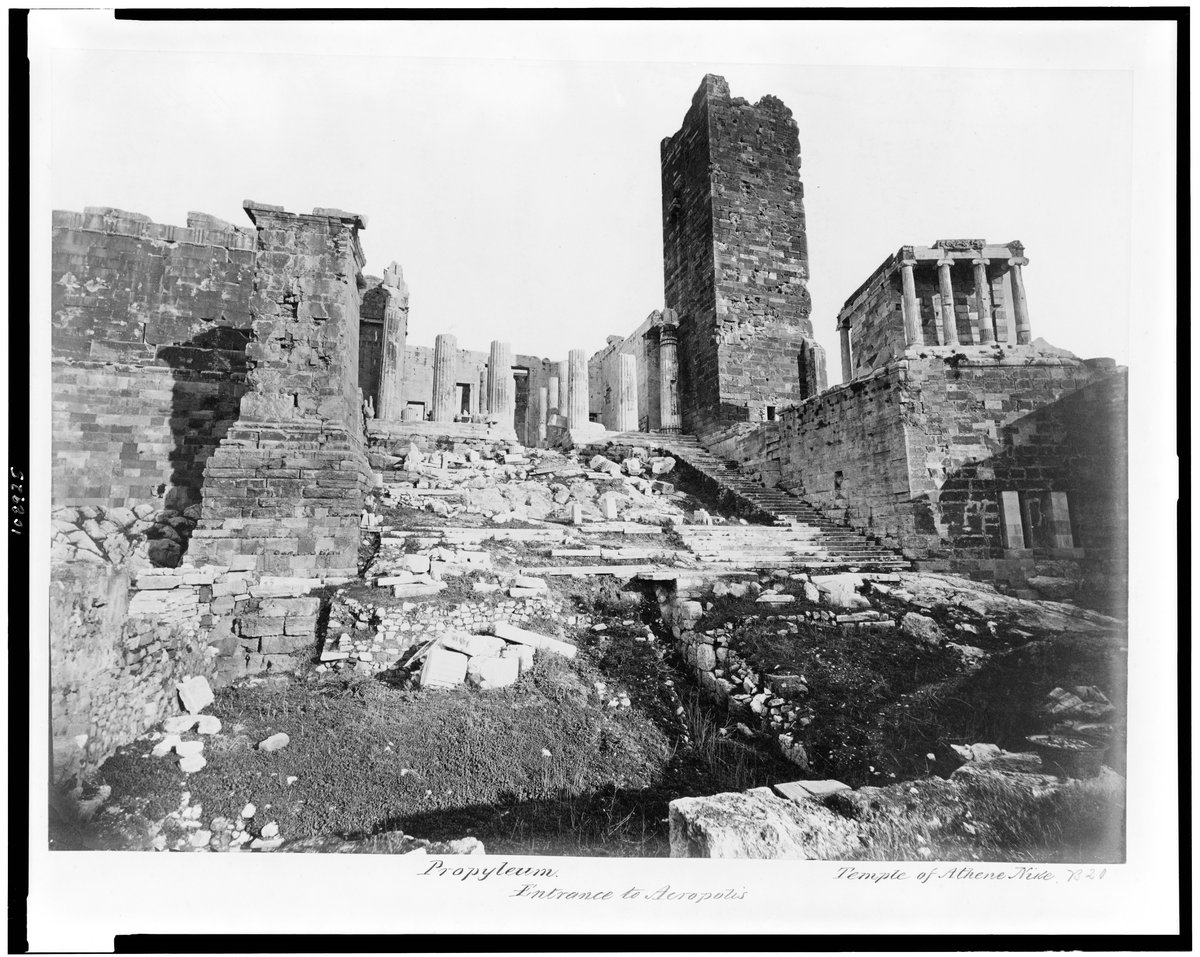
Photograph showing the entrance to the Acropolis in Athens, highlighting the Propyleum gateway and the Temple of Athene Nike, printed on albumen.
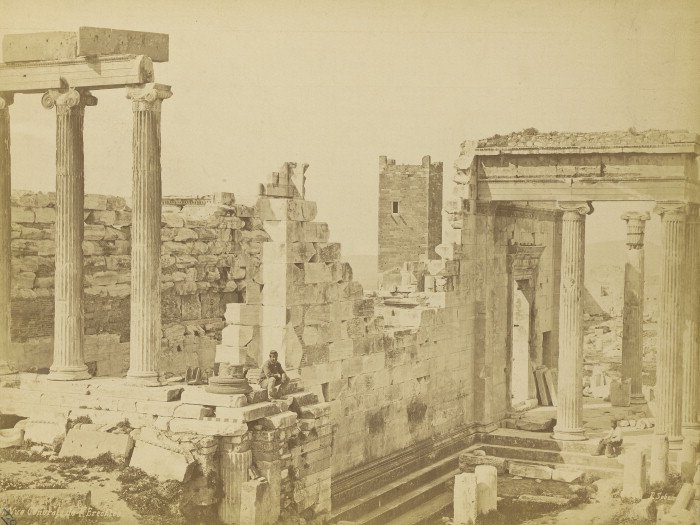
View of the Erechtheion, an ancient Greek temple located on the Acropolis of Athens, showcasing its classical architecture against a bright sky

Engraving of the first daguerreotype photograph of the Propylaea and part of the now-demolished Frankish Tower at the Acropolis of Athens, taken by Pierre-Gustave Joly in October 1839 and engraved by Adolphe Pierre Riffaut. Published in Excursions daguerriennes, Paris, 1841.
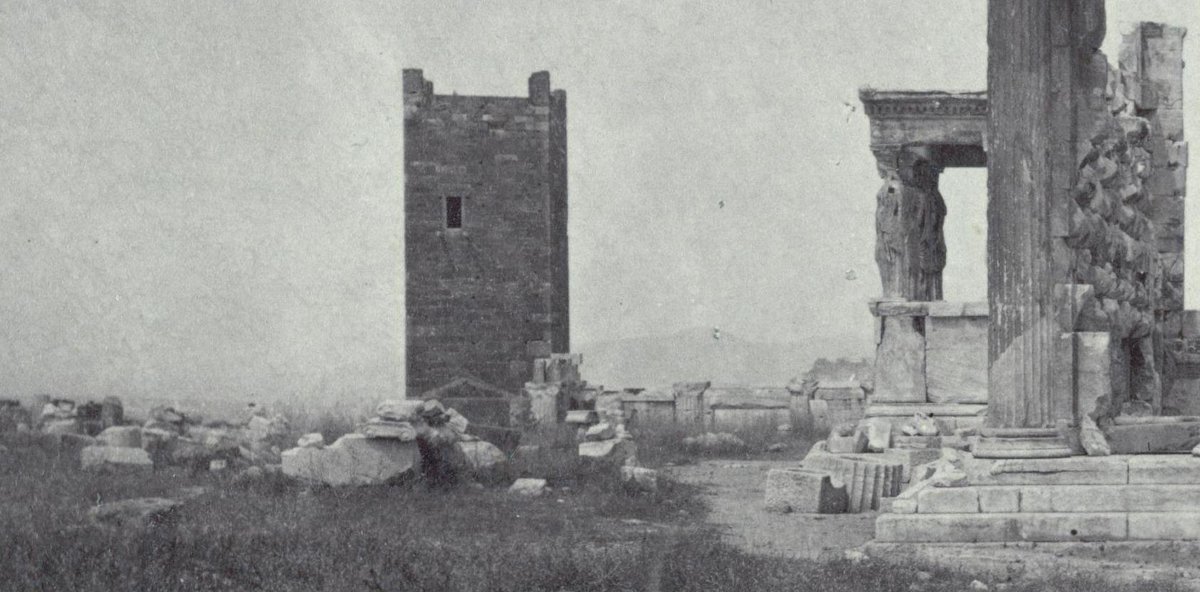
Vintage image showing the Frankish Tower in the Acropolis of Athens, captured prior to its demolition in 1875. Possibly taken by William James Stillman, featuring the tower to the left of the Erechtheum.
Origins and Construction
The Frankish Tower, known in Greek as Φραγκικός Πύργος (Frankikos Pyrgos), was built shortly after the Fourth Crusade, around the early 13th century, as part of the palace complex of the Dukes of Athens. Its construction symbolized the shift in power to Western European rulers, specifically the French de la Roche family, who established the Duchy of Athens (Hellenic Ministry of Culture). The tower rose over 26 meters and was strategically positioned near the Propylaea, overseeing Athens and the Attic plain.
Frankokratia: Western Rule and Assertion of Power
During the Frankokratia, the Acropolis was reimagined as a feudal fortress. The Frankish Tower functioned as a stronghold, a residence for the ruling family, and a visible assertion of Western dominance. Its elevated entrance and defensive design reflected typical medieval military architecture (Athens Municipal Archive).
Ottoman and Later Periods
After the Ottoman conquest in 1458, the tower became known as the Goulas (from the Turkish for "tower"). It was adapted for various uses, including as a prison and salt store. Notably, Greek revolutionary Odysseas Androutsos was imprisoned there in 1825. The tower’s Ottoman phase demonstrates the continued pragmatic reuse of the Acropolis’ structures (National Historical Museum of Greece).
Demolition and Legacy
In the 19th century, following Greek independence, the Frankish Tower was demolished (1874–1875) as part of a movement to reclaim the Acropolis' ancient identity. This controversial decision, partly financed by Heinrich Schliemann, reflected the era’s focus on classical heritage and the deliberate erasure of later historical layers (Hellenic Ministry of Culture).
Architectural Features
- Dimensions: Rectangular base, approx. 8.7 x 7.8 meters; rose to about 26 meters in height (Everything Explained Today).
- Materials: Constructed using local stone and spolia—reused ancient blocks from earlier Acropolis monuments (Greece Index).
- Design: Elevated entrance on the eastern face for security, accessible by external staircase; thick walls for defense; square turret for signaling, later equipped with cannons during the Ottoman era.
- Functionality: Served as a watchtower, residence, prison, and salt store in different periods. The structure was modified over time for increased height and utility during conflicts like the Greek War of Independence (Greece High Definition).
Significance and Cultural Impact
The Frankish Tower represented both the assertion of Western European authority and the adaptive reuse of Athens’ ancient acropolis. Its presence, alongside classical and Byzantine monuments, created a visual and symbolic palimpsest. Nineteenth-century debates over its removal reflected wider tensions between classical revivalism and the acknowledgment of Athens’ multi-layered past (Everything Explained Today).
While the physical tower is gone, its story is preserved through archival photographs, museum exhibits, and scholarly research. The tower’s tale encourages visitors to consider the full chronological spectrum of Athens’ history, not just its golden age of antiquity (Acropolis Museum).
Visiting the Acropolis: Practical Information
Site and Location
The Frankish Tower once stood on the west side of the Acropolis, adjacent to the Propylaea. Today, its site can be identified via interpretive signage and museum resources (Everything Explained Today).
Visiting Hours and Tickets
- Hours: Generally open daily from 8:00 AM to 7:30 PM (April–October) and 8:00 AM to 5:00 PM (November–March). Check the official site for holiday hours.
- Tickets: Standard admission is approximately €20 (high season), €10 (low season). Discounts for EU youth, students, and seniors. Combined tickets available for other archaeological sites. Purchase online to avoid queues.
- Accessibility: Ramps and assistance are provided, but terrain is uneven. The Acropolis Museum is fully accessible.
Guided Tours and Nearby Attractions
- Guided Tours: Licensed guides often include the Frankish Tower’s history in broader Acropolis tours. Virtual tours and special events are available through cultural organizations.
- Nearby Sites: The Acropolis Museum, Ancient Agora, Theatre of Dionysus, and lively Plaka neighborhood offer further exploration.
Travel Tips
- Arrive early to avoid crowds and midday heat.
- Wear sturdy shoes and bring water.
- Use audio guides or apps for deeper insights.
Frequently Asked Questions (FAQ)
Q: Is the Frankish Tower still standing?
A: No, the tower was demolished in the 1870s; only its location is marked on-site.
Q: Can I visit the site of the Frankish Tower?
A: Yes, its former location is accessible within the Acropolis, near the Propylaea.
Q: Are guided tours available?
A: Yes, many tours cover the Frankish Tower’s history as part of the Acropolis experience.
Q: Is the Acropolis accessible to people with disabilities?
A: Some paths are accessible, but much of the terrain is uneven. The museum is fully accessible.
Q: Are there any remnants of the Frankish Tower to see?
A: No visible remains exist; information is available through museum exhibits and online resources.
Discover More
To enrich your visit to Athens and delve deeper into its multi-faceted history, download the Audiala app for offline maps, audio guides, and curated content. Stay updated through our social channels for exclusive tours, travel inspiration, and expert tips.
Exploring the Frankish Tower of Acrocorinth
While the Frankish Tower of Athens no longer stands, travelers interested in Frankish architecture can visit a well-preserved example at Acrocorinth, near ancient Corinth, about an hour from Athens (JV Wanderings).
Location and Access
- Getting There: Best accessed by car from Athens; parking available near the fortress.
- Site Features: The Acrocorinth fortress includes the Frankish Tower, robust medieval walls, and a barrel-vaulted cistern (On Roads Uncharted).
Visiting Hours and Tickets
- Winter (Oct–Mar): 8:00–15:30
- Spring/Summer (Apr–Aug): 8:00–20:00
- Admission: €8 general, €4 reduced; free on select days.
Visitor Experience
- Climbing: Three flights of stairs lead to the rooftop with panoramic views, but the climb can be challenging.
- Safety: Wear sturdy shoes; the terrain is uneven and can be slippery.
- Amenities: Restrooms near the entrance; no food or water available inside—bring your own supplies.
Nearby Attractions
- Ancient Corinth: Archaeological site and museum (Archaeological Museum of Ancient Corinth).
- Temple of Apollo: Notable Doric temple in the area.
Summary and Recommendations
The Frankish Tower's history illustrates Athens’ transformation across centuries—an emblem of Western rule, cultural adaptation, and the complexities of heritage preservation. Though the tower is gone, its story is accessible through the Acropolis site, museum displays, and scholarly research. For travelers, understanding the Frankish Tower’s legacy adds a valuable dimension to any Athens itinerary.
For a hands-on experience of Frankish architecture near Athens, consider visiting the tower at Acrocorinth. Plan your trip with official resources and enhance your exploration with digital guides like Audiala.
Listen to the full story in the app
Your Personal Curator, in Your Pocket.
Audio guides for 1,100+ cities across 96 countries. History, stories, and local insight — offline ready.
Audiala App
Available on iOS & Android
Join 50k+ Curators
Sources
- verified
- verified
- verified
- verified
- verified
- verified
- verified
Last reviewed: