Introduction
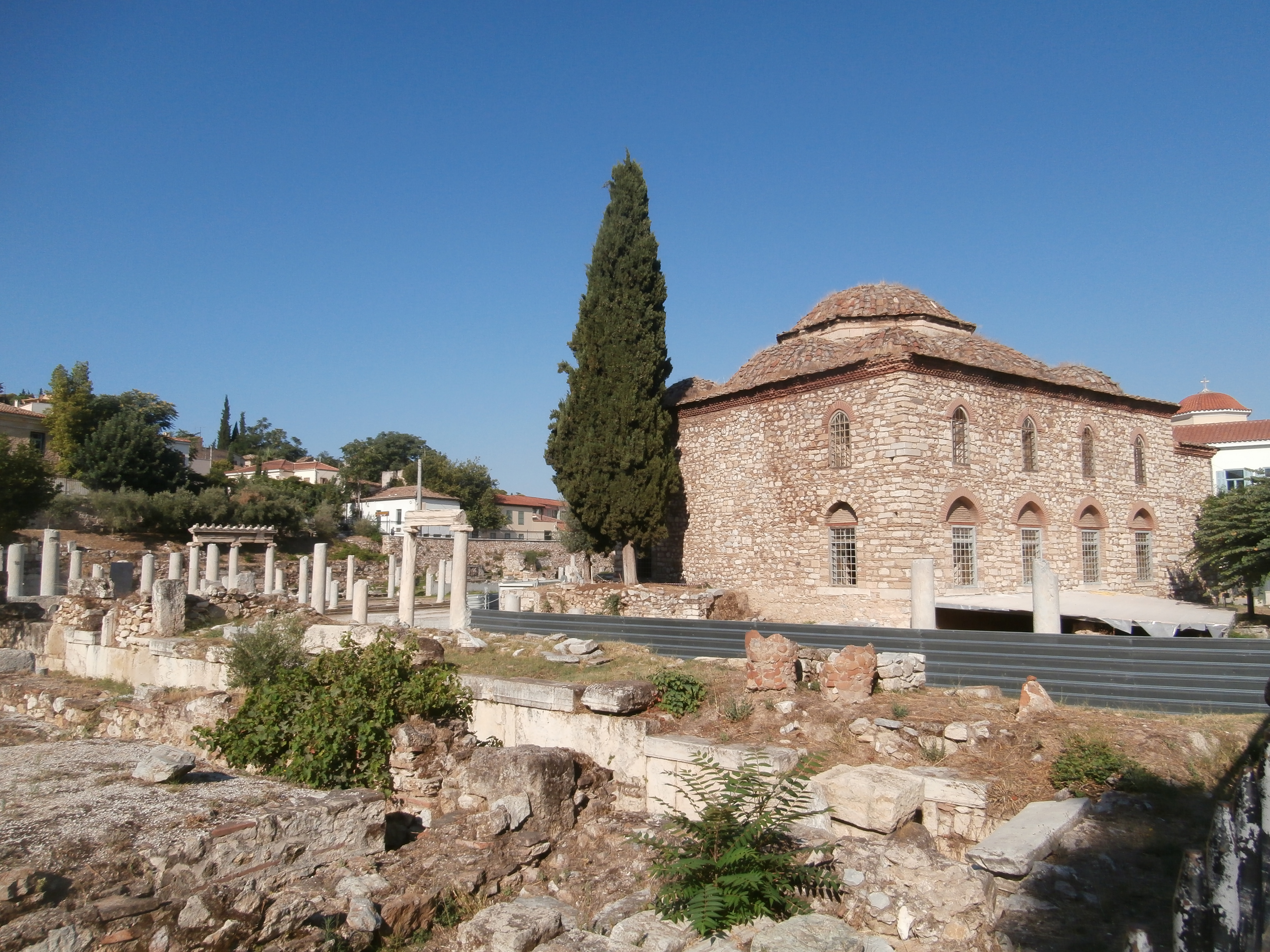
The Fethiye Mosque stands at the northern edge of Athens’ Roman Agora, harmoniously blending the city’s ancient, Byzantine, and Ottoman heritage. As one of the few surviving Ottoman-era monuments in central Athens, the mosque is a vivid testament to the city’s multicultural evolution, architectural ingenuity, and adaptive reuse over centuries. This detailed guide offers a comprehensive overview of the Fethiye Mosque’s history, architectural features, cultural significance, and all the practical information you need for your visit—including updated hours, ticketing, accessibility, and travel tips. Whether you’re a history buff, architecture enthusiast, or a traveler eager to explore Athens’ layered past, this guide will help you make the most of your experience.
For the latest updates and further inspiration, consult official tourism resources such as the Athens Tourism Website and reputable travel guides (Ancient Greece Wanderings, AthensCabs).
History & Origins
The Fethiye Mosque, meaning “Mosque of the Conquest,” was constructed in the late 17th century during Ottoman rule, on the site of a former Byzantine basilica. Its establishment marked the transformation of a sacred Christian space into a central place of worship for Athens’ Muslim community, reflecting centuries of religious and political shifts (athenscabs.com). The mosque’s position next to the Roman Agora situates it at a historical crossroads, surrounded by ancient Greek, Roman, and Byzantine monuments, underlining the city’s enduring role as a confluence of civilizations (evendo.com).
Following Greek independence in the 19th century, the mosque was secularized and repurposed as a military bakery, prison, and later as an archaeological storage facility. These adaptive uses contributed to both its preservation and gradual deterioration until recent restoration efforts.
Architectural Features
The Fethiye Mosque is an exceptional example of provincial Ottoman religious architecture. Its key features include:
- Central Dome: The rectangular prayer hall is surmounted by a large hemispherical dome, supported by four internal arches.
- Portico: The mosque’s entrance portico features five smaller domes, creating a visually striking façade.
- Materials: Built with local limestone and brick, incorporating spolia (reused stones and fragments) from earlier Roman and Byzantine structures, underscoring Athens’ layered history.
- Mihrab: The interior houses a simple mihrab (prayer niche) on the southern wall, oriented towards Mecca.
- Original Minaret: The minaret, once a prominent feature, was dismantled in the 19th century after the end of Ottoman rule.
- Restoration: Recent conservation projects have preserved its architectural authenticity, using traditional materials and techniques.
Cultural Significance
The mosque was a religious, educational, and social center for Athens’ Muslim population during the Ottoman era, integrated into the city’s commercial and civic life due to its proximity to the Roman Agora. After secularization, its various uses reflected Athens’ changing identity and attitudes toward its Ottoman heritage (athenscabs.com). In the 21st century, its restoration and repurposing as a cultural venue embody the city’s commitment to preserving and interpreting its diverse past.
Today, the mosque hosts temporary exhibitions, educational programs, and cultural events that foster intercultural dialogue and celebrate Athens’ multicultural tapestry (evendo.com).
Visitor Information: Hours, Tickets & Accessibility
Location & Access
- Address: Fethiye Mosque, Roman Agora, Athens
- Metro: Monastiraki Station (Lines 1 & 3), a short walk to the site
- Entrance: Accessible from Pelopida Street and adjacent to major archaeological landmarks
Visiting Hours
- Winter (Nov 1 – Mar 31): 8:00 AM – 3:00 PM
- Summer (Apr 1 – Oct 31): 8:00 AM – 8:00 PM
- Closed: January 1, March 25, May 1, Greek Easter Sunday, December 25 & 26 (Ancient Greece Wanderings)
Tickets
- Full Ticket: €10 (April–October)
- Reduced Ticket: €5 (November–March)
- Free Entry: March 6, April 18, May 18, last weekend of September, October 28, first Sunday of each month (Nov–Mar)
- Ticket Office: Located on Epaminonda Street, opposite the Roman Agora entrance (Ancient Greece Wanderings)
Accessibility
- Wheelchair Access: Partial. Ramps and some accessible pathways are available, but uneven terrain and steps remain due to the archaeological nature of the site.
- Restrooms: Available near the Tower of the Winds within the Roman Agora complex.
Guided Tours
- Availability: Offered by local tour operators and through the Athens tourism website. Booking in advance is recommended for a comprehensive experience.
What to See Inside
- Dome & Arches: Admire the central dome and supporting arches, characteristic of Ottoman religious architecture.
- Mihrab: The prayer niche remains intact.
- Exhibitions: The mosque’s interior often features displays of Ottoman-era artifacts and interpretive panels detailing its varied history and restoration (Silversea Discover).
- Spolia: Look for reused stones from older Greek, Roman, and Byzantine structures embedded in the walls.
Note: Access to the mosque’s interior may be restricted during certain conservation activities or special exhibitions. Check current status before your visit.
Travel Tips & Nearby Attractions
- Combine Visits: The mosque is ideally situated for exploring other major sites:
- Roman Agora: Adjacent archaeological ruins.
- Tower of the Winds: Iconic ancient clocktower.
- Hadrian’s Library & Ancient Agora: Short walks away.
- Monastiraki Square & Plaka District: Bustling areas for shopping and local cuisine.
- Best Time to Visit: Early morning or late afternoon for cooler temperatures and softer light. Weekdays are less crowded (The Invisible Tourist).
- Dress & Etiquette: Dress modestly and act respectfully inside the mosque and at exhibitions.
- Photography: Exterior photography is allowed. Interior photography depends on current exhibition policies; check signage.
Frequently Asked Questions (FAQ)
Q: What are the Fethiye Mosque visiting hours?
A: The mosque follows Roman Agora hours: 8:00 AM – 3:00 PM (Nov–Mar); 8:00 AM – 8:00 PM (Apr–Oct). Closed on major holidays.
Q: How much is admission?
A: €10 (Apr–Oct), €5 (Nov–Mar), with several free entry days annually.
Q: Where do I buy tickets?
A: At the ticket office on Epaminonda Street, not at the mosque itself.
Q: Is the mosque wheelchair accessible?
A: Partial accessibility with ramps and some smooth pathways, but some areas may be challenging due to uneven ground.
Q: Are guided tours available?
A: Yes, through local operators and sometimes through the museum.
Q: Can I take photographs?
A: Exterior photography is permitted; interior photography depends on current exhibition guidelines.
Visuals & Recommended Media
- Images:
- "Fethiye Mosque exterior in Athens"
- "Interior dome and prayer hall with Ottoman features"
- "Map showing Fethiye Mosque’s location within Athens’ historic center"
- Interactive Map: Embedding a map or virtual tour link enhances the experience.
- Alt Tags: Use descriptive alt text for accessibility and SEO.
Listen to the full story in the app
Your Personal Curator, in Your Pocket.
Audio guides for 1,100+ cities across 96 countries. History, stories, and local insight — offline ready.
Audiala App
Available on iOS & Android
Join 50k+ Curators
Sources
- verified
- verified
- verified
- verified
- verified
Last reviewed: