Plan and listen to Constantine I Of Greece with Audiala.
Audio guide in your pocket, itinerary in your browser. Built for the way you actually visit.
Introduction to Constantine I of Greece and His Legacy in Athens
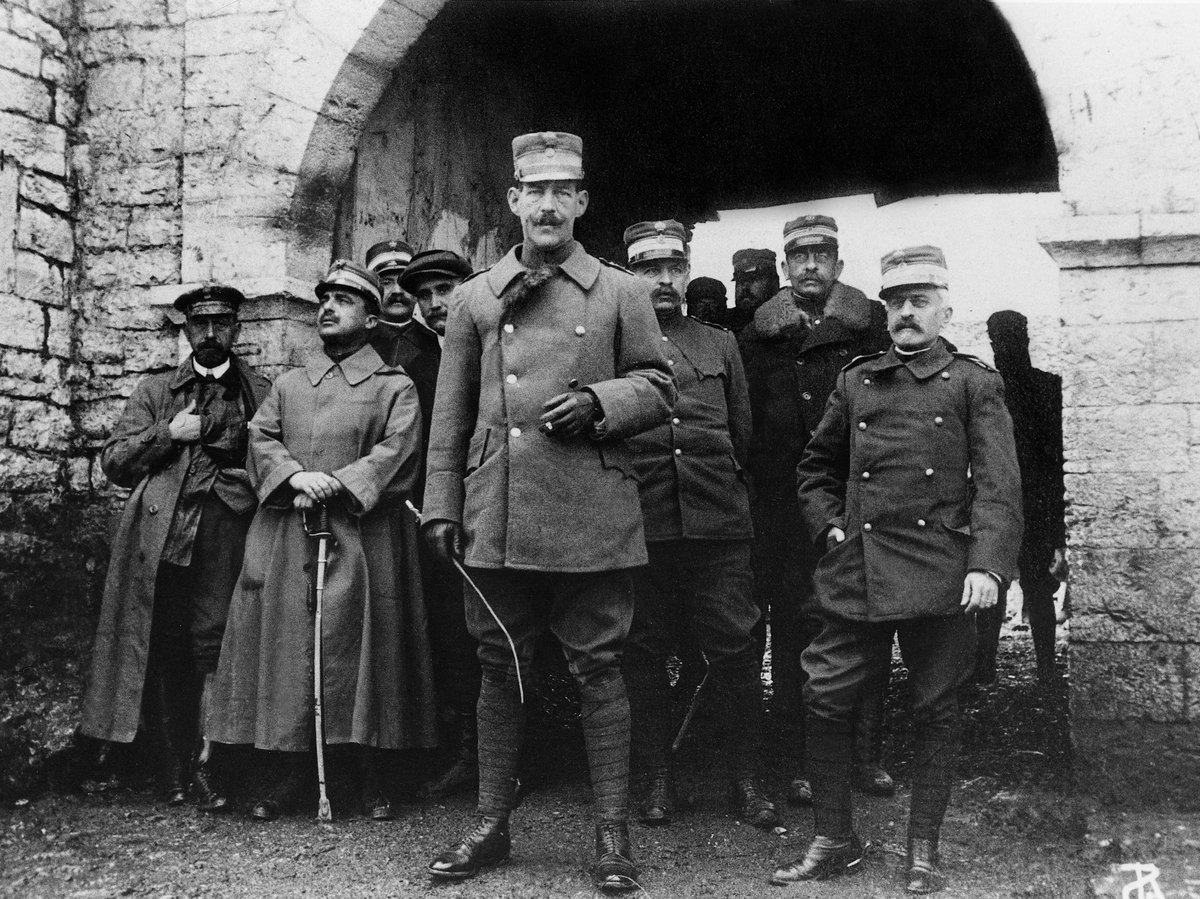
Constantine I of Greece (1868–1923) stands as a defining figure in modern Greek history, his reign marking a period of military triumphs, profound political divisions, and national transformation. Born in Athens, Constantine’s life intersected with pivotal episodes in Greek history, such as the Balkan Wars, the first modern Olympic Games, the National Schism of World War I, and the Asia Minor Campaign. His two reigns (1913–1917 and 1920–1922) reflect Greece’s struggle to modernize and expand, encapsulated in the ambition of the "Megali Idea." Today, Constantine’s legacy is woven into the fabric of Athens through a series of historical sites—each offering insight into Greece’s royal and national identity. This guide provides a comprehensive overview of his historical significance, practical visitor information (including visiting hours, tickets, and accessibility), and recommendations for tours, ensuring travelers can fully immerse themselves in Athens’ royal heritage and the enduring impact of Constantine I’s era (Kiddle; 1914-1918 Online; History is Now Magazine).

Historical Background of Constantine I of Greece
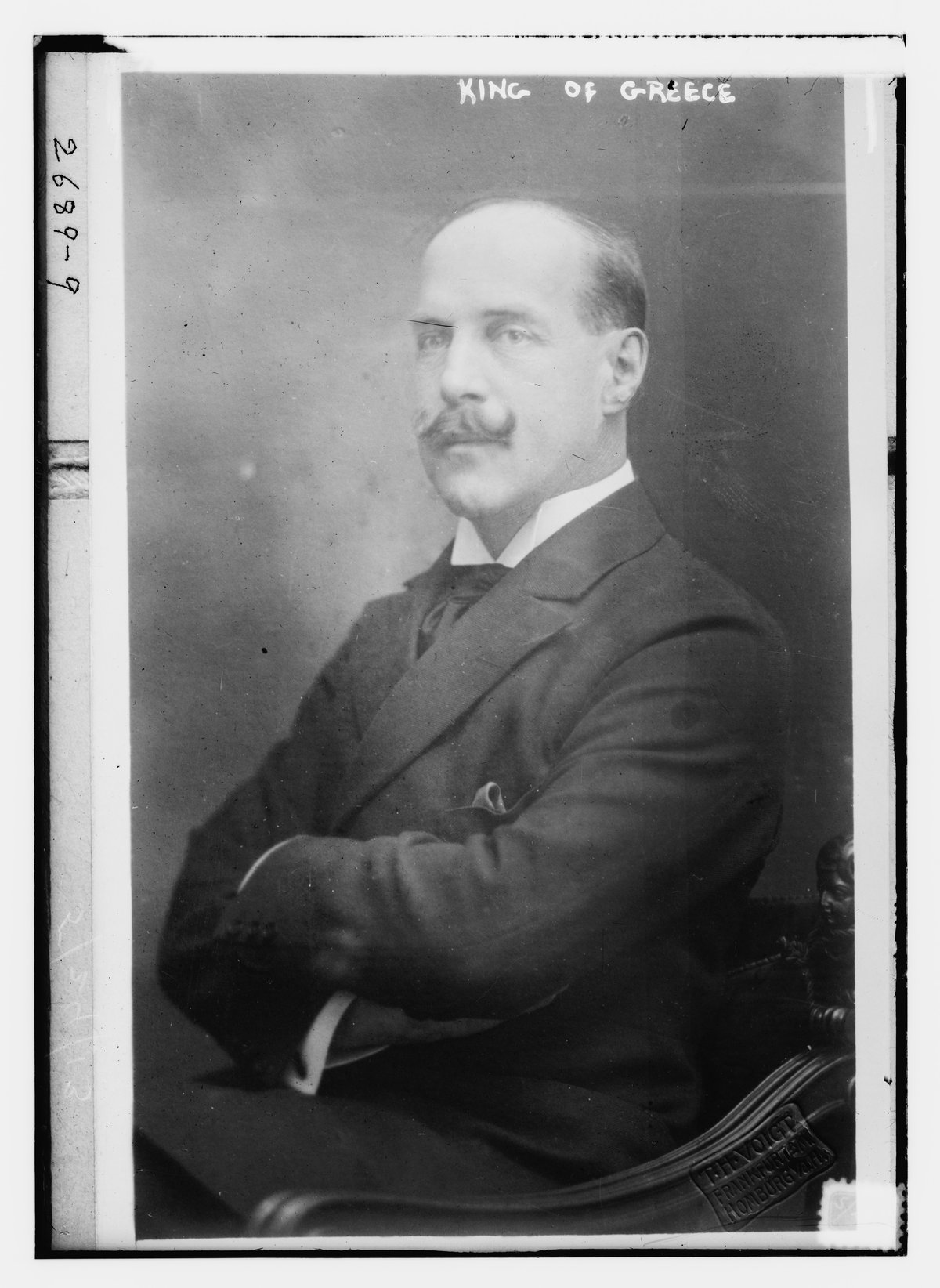
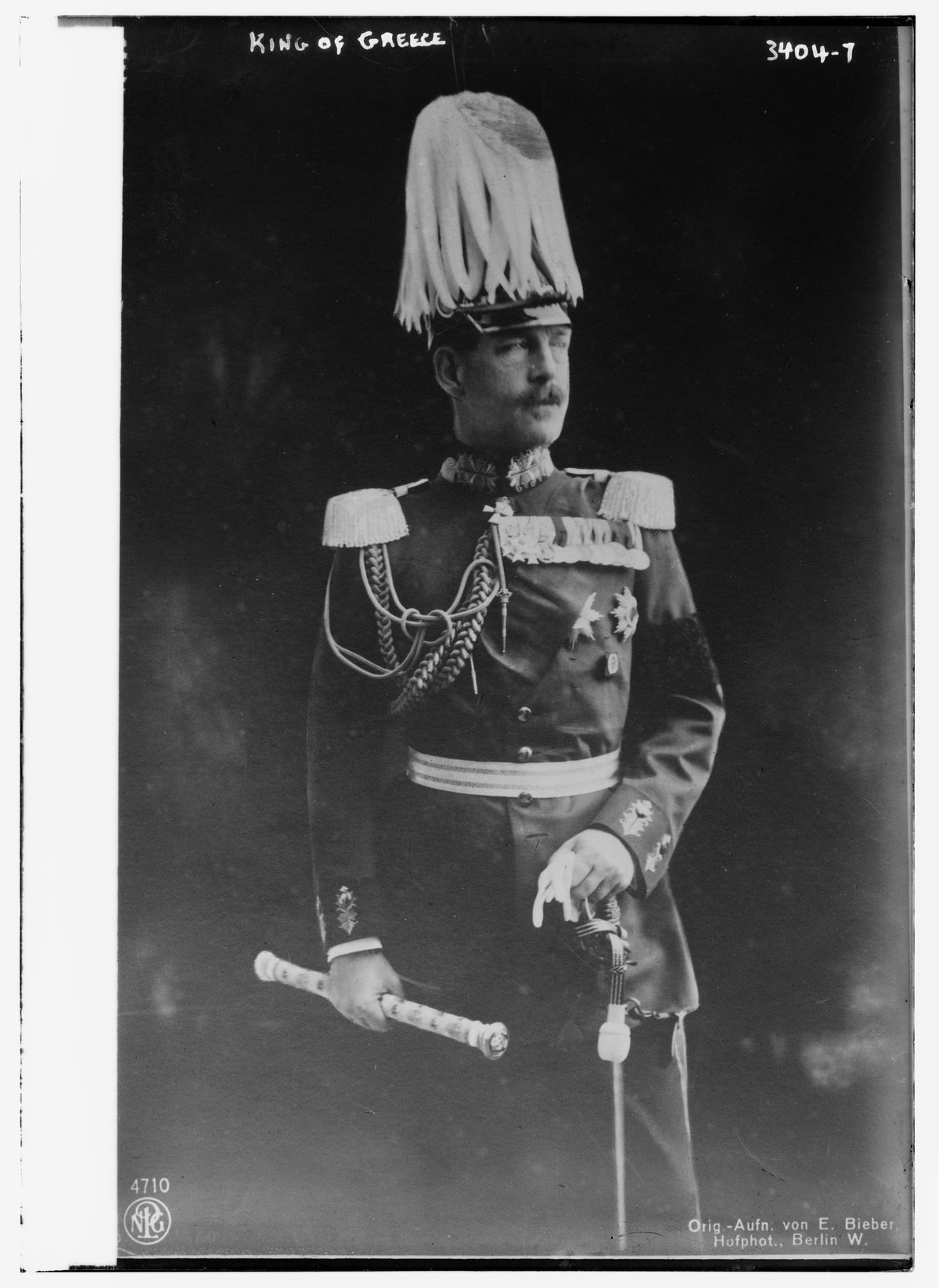
Constantine I was the first member of the modern Greek royal family born in Athens. His upbringing, with education in both Greece and Germany, shaped his military prowess and leadership style. He rose to prominence during the Balkan Wars (1912–1913), leading Greek forces to significant victories and nearly doubling Greece’s territory (Wikipedia; Britannica). However, his reign was also marked by deep national division during the National Schism in World War I, as his pro-German stance clashed with Prime Minister Eleftherios Venizelos’s support for the Allies. Exiled twice and ultimately living his final years abroad, Constantine’s legacy remains complex—celebrated by royalists for territorial expansion and criticized for the catastrophic Asia Minor Campaign. His influence is still visible in Athens’ urban development, monuments, and cultural memory (Kiddle; 1914-1918 Online).
Key Athens Historical Sites Associated with Constantine I
1. Old Royal Palace (Hellenic Parliament, Syntagma Square)
- Significance: The political heart of Greece during Constantine’s reign, this neoclassical structure was the site of significant state events and the epicenter during the National Schism.
- Visitor Experience: While the building is not open for regular public tours, visitors can watch the changing of the Evzones (Presidential Guard) at the Tomb of the Unknown Soldier in front of Parliament every hour—an iconic Athenian experience (greeka.com).
- Access: Syntagma Square is a major metro hub and an excellent starting point for walking tours.

2. National Garden of Athens
- Significance: Commissioned by Queen Amalia and frequented by the royal family, the National Garden reflects the Europeanization of Athens and served as a royal retreat during Constantine’s era.
- Visiting Hours: Open daily from sunrise to sunset.
- Admission: Free.
- Tip: Look for commemorative plaques related to the monarchy and enjoy the tranquil setting adjacent to major historic sites.

3. Metropolitan Cathedral of Athens
- Significance: The site of royal weddings, funerals, and religious ceremonies, the Metropolitan Cathedral was central to the monarchy’s public life.
- Visiting Hours: Open daily, generally 7:00 AM to 7:00 PM.
- Admission: Free, with donations appreciated.
- Visitor Note: Modest dress required, as this remains an active place of worship.

4. Panathenaic Stadium
- Significance: Restored for the 1896 Olympic Games under Constantine’s leadership, the marble stadium symbolizes Greek revival and national pride, and hosted military parades and national celebrations.
- Visiting Hours: Open daily, typically 8:00 AM to 7:00 PM in summer; 8:00 AM to 5:00 PM in winter (Panathenaic Stadium Official Ticketing).
- Tickets: €10 for adults, with reduced rates for students and seniors; children under 6 enter free. Buy tickets online or onsite.
- Accessibility: Wheelchair accessible with ramps and seating areas.
- Tip: Early morning or late afternoon visits offer cooler temperatures and fewer crowds.

5. Zappeion Hall
- Significance: Used for official receptions and exhibitions during Constantine’s reign, reflecting Greece’s modernization efforts.
- Visiting Hours: Grounds are open daily; interior access depends on event schedule.
- Admission: Free to walk gardens; events may require a ticket.
- Tip: The neoclassical building and gardens are perfect for photography.

6. War Museum and Military Memorials
- Tomb of the Unknown Soldier: Located at Syntagma Square, this monument honors Greek soldiers—including those who fought under Constantine I. The ceremonial guard changing takes place hourly and is free to watch.
- War Museum of Athens: Features artifacts from the Balkan Wars and World War I; open Tuesday to Sunday, with an entrance fee (War Museum of Athens).

7. Tatoi Palace and Royal Cemetery
- Significance: The summer residence of the royal family and final resting place of King Constantine I, located north of Athens (Unofficial Royalty).
- Visiting Hours: Grounds are generally open, but palace access may be limited due to restoration.
- Admission: Cemetery and grounds are free; future museum access may require a ticket.
- Access: Best reached by private car or organized tour.
Visiting Hours & Tickets: At-a-Glance
| Site | Hours | Admission | Notes |
|---|---|---|---|
| Old Royal Palace (Parliament) | Exterior only; changing of guard hourly | Free | No general interior tours |
| National Garden | Sunrise to sunset, daily | Free | |
| Metropolitan Cathedral | 7:00 AM – 7:00 PM, daily | Free (donations welcome) | Modest dress |
| Panathenaic Stadium | 8:00 AM – 7:00 PM (summer), 8:00 AM – 5:00 PM (winter) | €10 (reduced available) | Buy online or onsite |
| Zappeion Hall | Grounds open daily; interior per event | Free/exhibition ticket | Check schedule |
| War Museum of Athens | Tues–Sun, 9:00 AM – 5:00 PM | Entrance fee | War Museum of Athens |
| Tatoi Palace & Cemetery | Generally open; check for restoration updates | Free | Access by car recommended |
Accessibility & Visitor Tips
- Most major sites (Panathenaic Stadium, National Garden, Parliament area, Metropolitan Cathedral) offer wheelchair access; always confirm on official sites for updates.
- Wear comfortable shoes—Athens’ historic core is walkable but can involve uneven surfaces.
- Photography is permitted at most sites, except during religious services or in certain museum areas.
- Modest attire is required at religious and cemetery sites.
- Public transportation: Metro stations Syntagma and Evangelismos provide easy access to most central sites. Tatoi Palace is best reached by car or organized tour.
Guided Tours & Special Events
- Guided Tours: Numerous operators offer Athens walking tours with a focus on modern history and the monarchy, often including Syntagma Square, the Panathenaic Stadium, and the National Historical Museum.
- Special Events: The Panathenaic Stadium occasionally hosts cultural and sports events; check official event calendars.
- Audio Guides: The Audiala app provides self-guided tours and historical insights for select sites.
Frequently Asked Questions (FAQ)
Q: Are the main Constantine I sites open year-round?
A: Most sites are open year-round, though hours may vary seasonally or due to restoration.
Q: Can I buy tickets online for the Panathenaic Stadium?
A: Yes, online purchase is recommended to avoid queues (Panathenaic Stadium Official Ticketing).
Q: Are there guided tours in English?
A: Yes, most guided tours are available in English and other major languages.
Q: Is Tatoi Palace accessible by public transport?
A: It is best reached by car or tour due to its suburban location.
Q: Are the sites accessible for visitors with disabilities?
A: Most central sites are accessible, though Tatoi Palace features uneven terrain.
Useful Links
- Panathenaic Stadium Official Ticketing
- Athens Metropolitan Cathedral Visiting Info
- National Historical Museum
- War Museum of Athens
- Athens Tourist Guide
- Unofficial Royalty - Tatoi Palace
- Earth Trekkers - Athens
- Acropolis Greece
Internal Links:
- Explore more about Athens historical sites
- Discover Modern Greek History
Listen to the full story in the app
The whole Constantine I Of Greece,
told well.
Listen to sourced travel stories with local history and practical context — ready offline.
Verified, and shown.
Researched and written by the Audiala editorial team from historical records, architectural archives, and local expertise.
Built from cited sources · see the method · How we make our guides →