An introduction.
Researched by the Audiala editorial team from historical records, architectural archives, and local expertise.
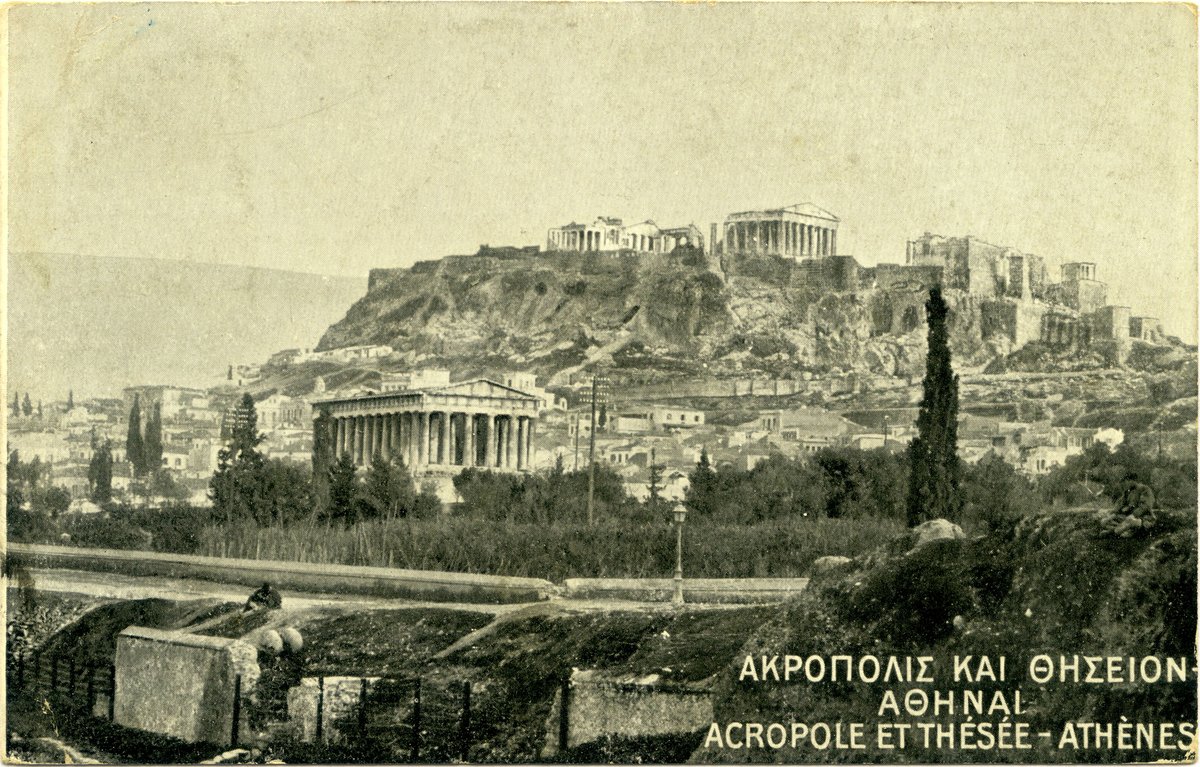
WWhy does the world's most celebrated monument to democracy look so much like a fortified bank vault? The Acropolis of Athens, rising above the Greek capital, is sold as a pristine temple of philosophical ideals, but its marble bones tell a sharper story. You should stand here to feel the friction between myth and empire, then walk the sun-baked plateau where steel cranes hum against a cloudless sky and weathered Pentelic marble catches the light like crushed sugar.
The rock itself operates as a palimpsest. Mycenaean kings fortified the summit around 1300 BCE, long before anyone carved a single Doric column. By the 5th century BCE, it became a stage for Athenian supremacy, funded by tributes from a reluctant alliance of Greek city-states.
The modern experience strips away the noise of antiquity, leaving only the weight of the stone and the relentless clarity of the light. You will notice the scaffolding first, then the precision of the marble joints. Walk to the north side and the scale shifts: the walls feel wider than a double-decker bus, and the air grows cooler in the shadow.
LIFE IN ATHENS, GREECE ! - THE LAND OF AMAZING NIGHTLIFE PARTIES AND ANCIENT HISTORY - DOCUMENTARY
OS Documentaries01 What to see.
Acropolis of Athens
Acropolis Museum
From the Acropolis to Plaka at Dusk
Watch & Explore Athens.
Plan and listen to Athens with Audiala.
Audio guide in your pocket, itinerary in your browser. Built for the way you actually visit.
03 Visitor logistics.
The practical scaffolding for a good visit — kept short.
Getting There
For most visitors, Athens means the Acropolis orbit: take Metro Line 2 to Acropolis station for the south-slope entrance, or Lines 1 and 3 to Monastiraki if you want the approach through the old center. From Syntagma Square, the best walk runs 2.5 km via Ermou, Monastiraki, Thissio, and Apostolou Pavlou; it takes about 35 to 45 minutes and drops roughly 58 meters, like walking down a long, gentle stadium ramp. Driving is the bad idea here: parking around Makrygianni and Thissio is scarce, congested, and often permit-controlled.
Opening Hours
As of 2026, the Acropolis archaeological site usually opens 08:00-20:00 from April through October, with some July-August evenings stretching to about 20:45, and 08:00-17:00 from November through March. Holiday schedules can shift the rhythm hard: Orthodox Good Friday often brings reduced hours, and Holy Saturday can close sites early. Check hhticket.gr or odysseus.culture.gr 1 to 2 days before you go, because heat measures and conservation work still change same-season hours.
Time Needed
Give the hill itself 1.5 to 2 hours if you want the essentials: Propylaea, Parthenon, Erechtheion, a few pauses for wind and marble glare, then back down. A fuller visit takes 3 to 4 hours if you add the Theatre of Dionysus, the Odeon of Herodes Atticus, the Areopagus, and the Acropolis Museum area. And if you drift into Plaka or Koukaki afterward, half a day disappears without asking permission.
Accessibility
All major metro stations on the usual approach, including Syntagma and Acropolis, have elevators, and the pedestrian route from Thissio toward the site is largely step-free. The hill is another matter: ancient marble, steep ramps, and polished stone can feel slick as glass when wet, though a dedicated north-slope elevator serves wheelchair users and visitors with limited mobility when it is operating. Verify that elevator on arrival, because maintenance closures are common enough to matter.
Cost & Tickets
As of 2026, the official Acropolis ticket is €30 full price and €15 reduced, bought through hhticket.gr, the government platform that also lets you book timed entry and skip the ticket queue. Some free-entry dates circulate every year, including 6 March and 18 April, and some sources also list the first Sunday of each month; treat those as worth checking, not guaranteed law. Third-party bundles can make sense only if you want a guide, because the official site usually gives the cleanest price.
04 Tips for visitors.
Small things that change the day.
Shoes Matter More
The Acropolis is not a church, so no formal dress code rules the hill, but grip matters more than style. Wear flat, closed shoes: the marble has been polished by millions of feet and can turn slick enough to feel like wet soap, especially after rain.
Photo Rules
Personal photos are fine across the archaeological site, but tripods, selfie sticks, extra lighting, and drones run into restrictions or permits. Inside the Acropolis Museum, the Archaic Acropolis Gallery bans photography altogether, and the no-flash rule is enforced with little patience.
Monastiraki Alert
Pickpockets work the pressure points: Monastiraki Square, the station platforms, crowded metro cars, and the tightest lanes in Plaka. Keep your phone off café tables, zip your bag in front of you, and ignore any sudden 'friendly local' steering you toward a bar with no posted prices.
Eat South Instead
Skip the loudest tables on Adrianou and head into Koukaki after the visit. Mama Psomi and Takis Bakery are reliable budget stops for pies and bread-heavy lunches (€), while Bel Ray is the mid-range café move (€€); if you want a view meal without pretending it is a secret, the Acropolis Museum Restaurant does the job at €€-€€€.
Best Visiting Hour
Go at opening time or in the last two hours before closing. Morning gives you cooler stone and thinner crowds; late afternoon throws warmer light across the columns, and the marble stops glaring like a mirror held to the sun.
Pair It Properly
Don’t flatten Athens into one temple. Pair the Acropolis with the Choragic Monument Of Lysicrates and a slow walk through Plaka if you want the antique city at street level, or save your second museum slot for the National Archaeological Museum if you want the statues and funerary reliefs that give the hill its missing voices.
Where to Eat
Don't Leave Without Trying
Karamanlidika
local favoriteOrder: The Sudjuk karamanlidiko with fried eggs and the sweet, cheesy Kunefe to finish.
A true local institution that specializes in high-quality cured meats and traditional flavors; it’s an essential stop for authentic, atmosphere-rich Greek dining.
A Little Taste of Home Restaurant
local favoriteOrder: The beef brisket or the lamb from the oven, both famously tender and full of flavor.
This spot excels at hearty, high-quality comfort food with service that feels genuinely personal and welcoming.
This is Loco
cafeOrder: The waffle stack for an indulgent start or their vibrant, well-balanced tacos.
A favorite for those looking for a lively brunch scene with bold, fresh flavors that break away from traditional Greek breakfast staples.
Stone Athens
fine diningOrder: The sea bass or salmon, paired with their house-made bread basket and creamy spicy feta dip.
With a stylish atmosphere and stellar balcony views, it’s a go-to for a polished meal that emphasizes precision and high-quality ingredients.
Dining Tips
- check Locals typically eat dinner late, usually between 8:30 pm and 10:30 pm.
- check Tipping is customary but not mandatory; 5-10% is standard in tavernas.
- check Cash tips are preferred and should be handed directly to the waiter.
- check Check your bill for a 'couvert' or service fee.
- check Card payments are widely accepted, but keep cash on hand for small shops and street vendors.
- check Lunch is the main meal of the day, traditionally eaten between 2:00 pm and 4:00 pm.
Restaurant data powered by Google
05 The Eternal Stage
For over three millennia, the Acropolis has served a single, unbroken purpose: it is the city's ultimate platform for asserting power. Whether Mycenaean warlords raised fortifications here or modern presidents raise the Greek flag, the rock functions as Athens's civic throat.
Enslaved quarrymen and skilled marble technicians originally hauled these blocks up the slope, and their physical labor remains locked in every joint. Today, that same craft tradition survives in the hands of conservators who cut titanium clamps and polish fresh stone, proving that the site survives because people keep rebuilding it.
The Chisel and the Coin
Most guidebooks present the Parthenon as a simple religious sanctuary, a sacred house built to honor Athena Polias. The clean Doric lines and the surviving fragments of the pediments reinforce this image of pious devotion, suggesting a project driven entirely by faith.
The physical record refuses to cooperate. Archaeologists have never located a fifth-century BCE altar on the east side, which should anchor any functional Greek temple. Instead, the building's massive interior housed towering columns and a vaulted chamber better suited for storing gold than hosting congregations.
According to ancient accounts, Pericles' political rivals weaponized the building's lavish budget against its artistic director, Pheidias. The turning point arrived in 432 BCE when Pheidias proved the shield plates could be detached and weighed, saving his neck but trapping him in a legal cage that ultimately forced him into exile.
Walking through the Parthenon now means reading the stone as a ledger of ambition rather than a shrine of devotion. The missing altar makes sense once you see the building as a treasury and victory monument. Every fluted drum and carved metope speaks less to quiet worship and more to a city projecting its dominance across the Aegean.
What Shifted
What Endured
Listen to the full story in the app
The whole Athens,
told well.
Audio guides for 1,100+ cities across 96 countries. History, stories, and local insight — offline ready.

06 Frequently asked.
The questions travellers send us most about Athens.
Is Athens worth visiting?
Yes, especially if you want a city where 5th-century BC marble and impatient scooters share the same frame. The surprise is scale: the Acropolis rises 156 meters above sea level, like a limestone stage set above the whole basin, and the best day here moves fast between the Sacred Rock, the Acropolis Museum’s glass galleries, and the tangled lanes of Plaka. Athens works best when you treat it as a living city with ancient bones, not a museum with traffic.
How long do you need in Athens?
Three days is a smart minimum for Athens. One day covers the Acropolis and Acropolis Museum without rushing, a second gives you time for Plaka, Monastiraki, and the wider historic center, and a third lets you slow down inside places like the National Archaeological Museum or linger over coffee in Koukaki instead of sprinting uphill in the noon glare. If you only have one full day, focus hard and stay central.
How do I get to the Acropolis from Athens city center?
The easiest route from central Athens is on foot or by Metro Line 2 to Acropolis station. From Syntagma Square, the walk runs about 2.5 kilometers through Ermou, Monastiraki, and Apostolou Pavlou Street, with a gentle downhill drop of roughly 58 meters, so it feels more like a long urban glide than a hike. Early morning is kinder.
What is the best time to visit Athens?
Spring and autumn are the best times to visit Athens because the light stays beautiful while the heat stops trying to win the argument. For the Acropolis itself, aim for the first entry window or late afternoon, when Pentelic marble shifts from hard white glare to a warmer gold and the hill feels less like an oven tray left in the sun. Summer gives you longer site hours, but also harsher exposure and denser crowds.
Can you visit the Acropolis for free?
Yes, but only on certain free-entry days, so do not count on walking up for nothing without checking first. Official research notes confirm periodic free days such as 6 March and 18 April, and some sources also list the first Sunday of the month, though current policy can shift, so verify on the official ticket platform or Ministry pages before you go. Otherwise, the standard full ticket in the research sits at 30 euros.
What should I not miss in Athens?
Do not miss the Acropolis at opening time, the Acropolis Museum after, and a slow wander through Plaka once the tour groups thin out. On the hill, most people stare at the Parthenon and miss the north wall, where ruined temple blocks still sit inside the fortification like a scar left visible on purpose; in the museum, the Caryatids and the glass-walled Parthenon Gallery change the whole story from postcard to argument about loss, repair, and what still belongs together.
Verified, and shown.
Researched and written by the Audiala editorial team from historical records, architectural archives, and local expertise.
Used for the Acropolis UNESCO status, long chronology, and physical description of the hill including its fortified summit and symbolic importance.
Used for seasonal opening hours and for the description of the Acropolis visit as a western ascent onto the hill.
Used for the museum’s architecture, glass sightlines, and the relationship between the galleries and the Acropolis itself.
Used for the Parthenon Gallery alignment, sculpture display, and the role of the museum in understanding the Acropolis beyond the hilltop visit.
Used for the Caryatids, the sacred features tied to the Erechtheion, and details visitors often miss.
Used for the north fortification wall and its reuse of ruined temple pieces after the Persian sack.
Used for the walking route from Syntagma to the Acropolis, metro accessibility, and route distance and elevation details.
Used for official ticket pricing and for the note that operational details can change and should be checked before visiting.
Used for free-entry day references and practical visitor timing guidance.
Used for museum hours and practical timing context tied to planning an Acropolis day.
Used for the character of Plaka and why it belongs in a short Athens itinerary after the Acropolis and museum.
Used for local neighborhood context and why Koukaki works better than the busiest tourist strips for a slower Athens day.
Researched from Wikidata, Wikipedia & official sources · fact-checked · How we make our guides →