Introduction
The Athens War Museum stands as a premier cultural landmark in Greece, offering an immersive exploration of the country's extensive military history. Established in 1975, the museum traces Greece’s martial legacy from antiquity through its struggles for independence, the Balkan Wars, both World Wars, and modern peacekeeping missions. Strategically located at the intersection of Vasilissis Sofias Avenue and Rizari Street, it is easily accessible from notable sites such as the Acropolis and the Olympic Stadium. The museum’s modernist architecture, contrasting with Athens' classical surroundings, provides a spacious setting for large-scale artifacts like vehicles and aircraft. Collections are chronologically organized, offering deep insights into pivotal eras such as the 1821 War of Independence and Greece’s role in global conflicts. With accessible facilities, affordable admission, educational programs, and branches throughout Greece, the museum is an essential stop for visitors seeking to understand the nation’s military heritage (official museum website; Warfare History Network; Introducing Athens).
Photo Gallery
Explore Athens War Museum in Pictures
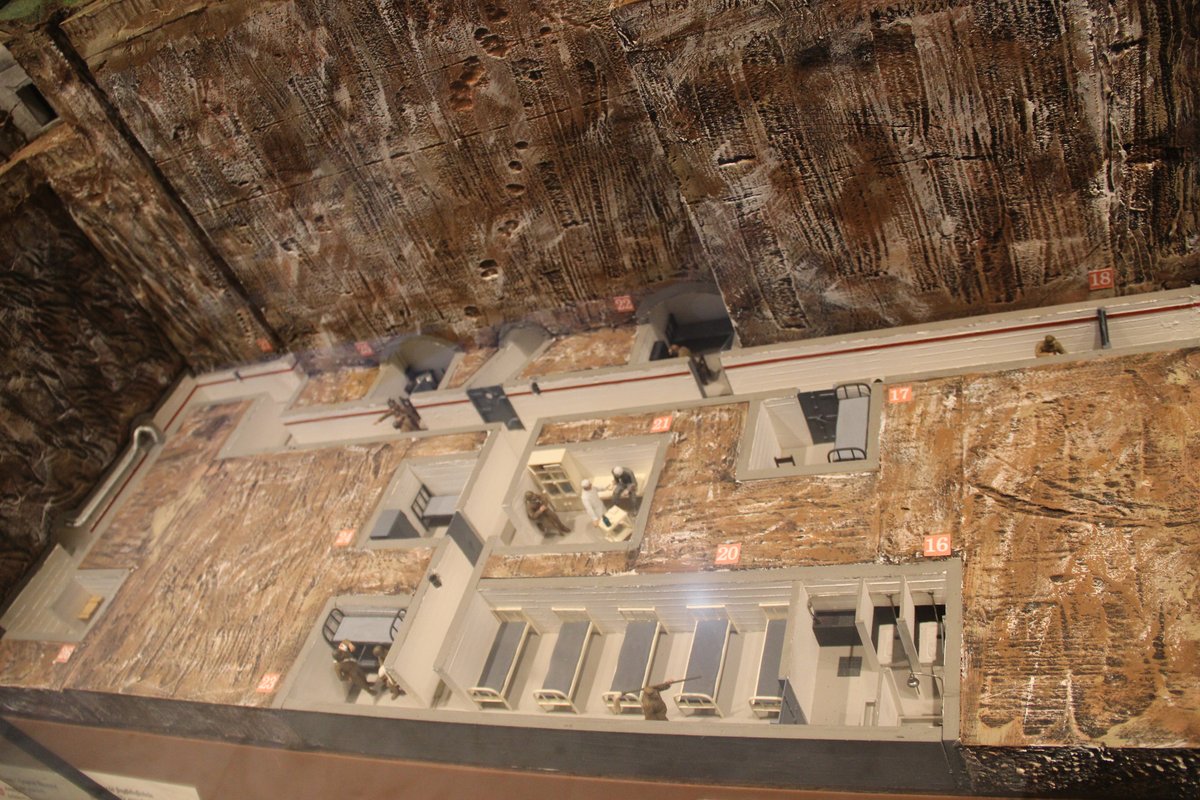
Detailed diorama of the Metaxas Line fortifications displayed at the Hellenic War Museum in Athens, Greece, showcasing historical military defense structures.
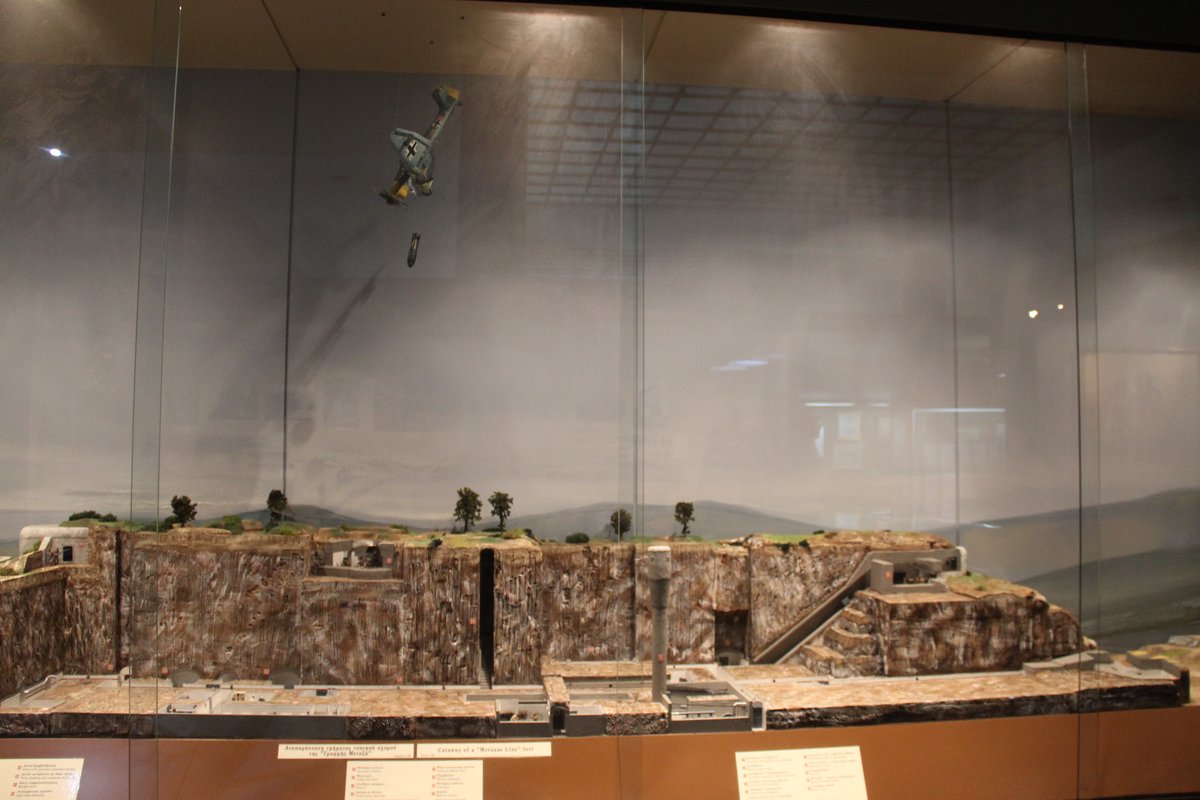
Detailed diorama display of the Metaxas Line fort at the Hellenic War Museum located in Athens, Greece, showcasing historical military fortifications.
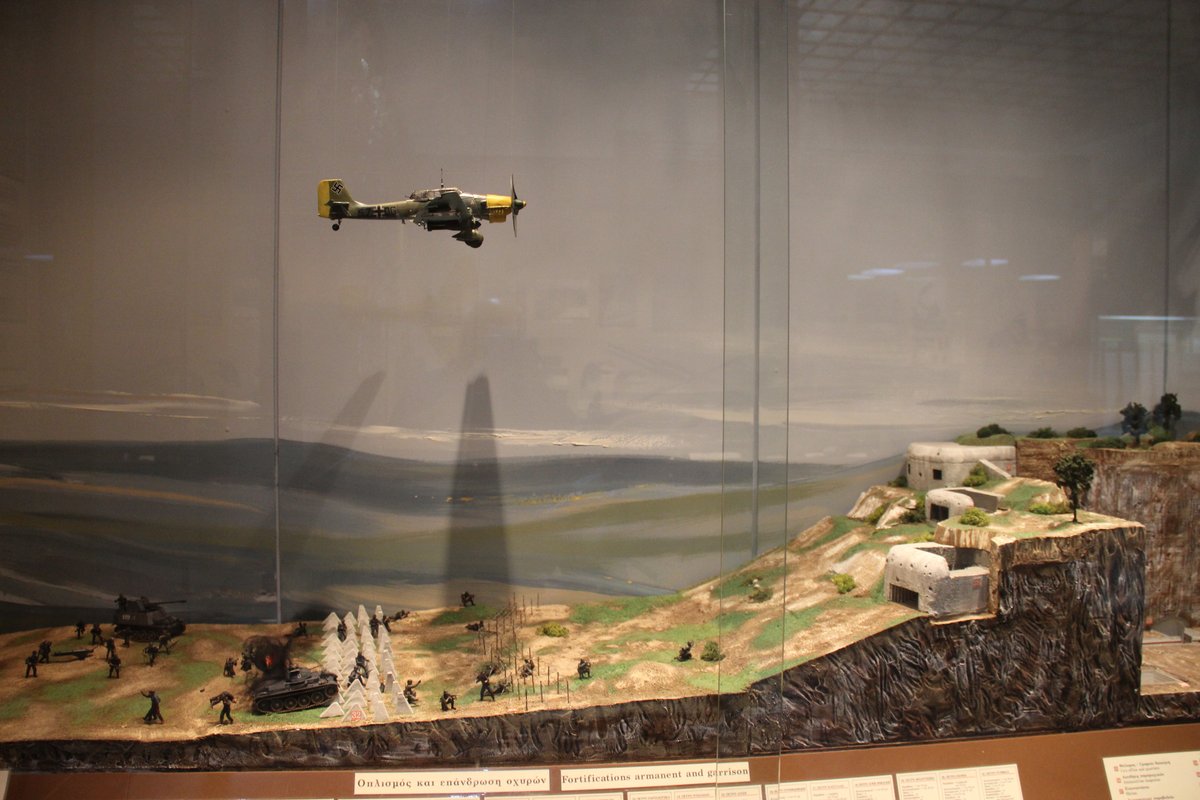
Diorama of Metaxas Line fortifications displayed at the Hellenic War Museum in Athens, Greece showcasing historic military defenses.
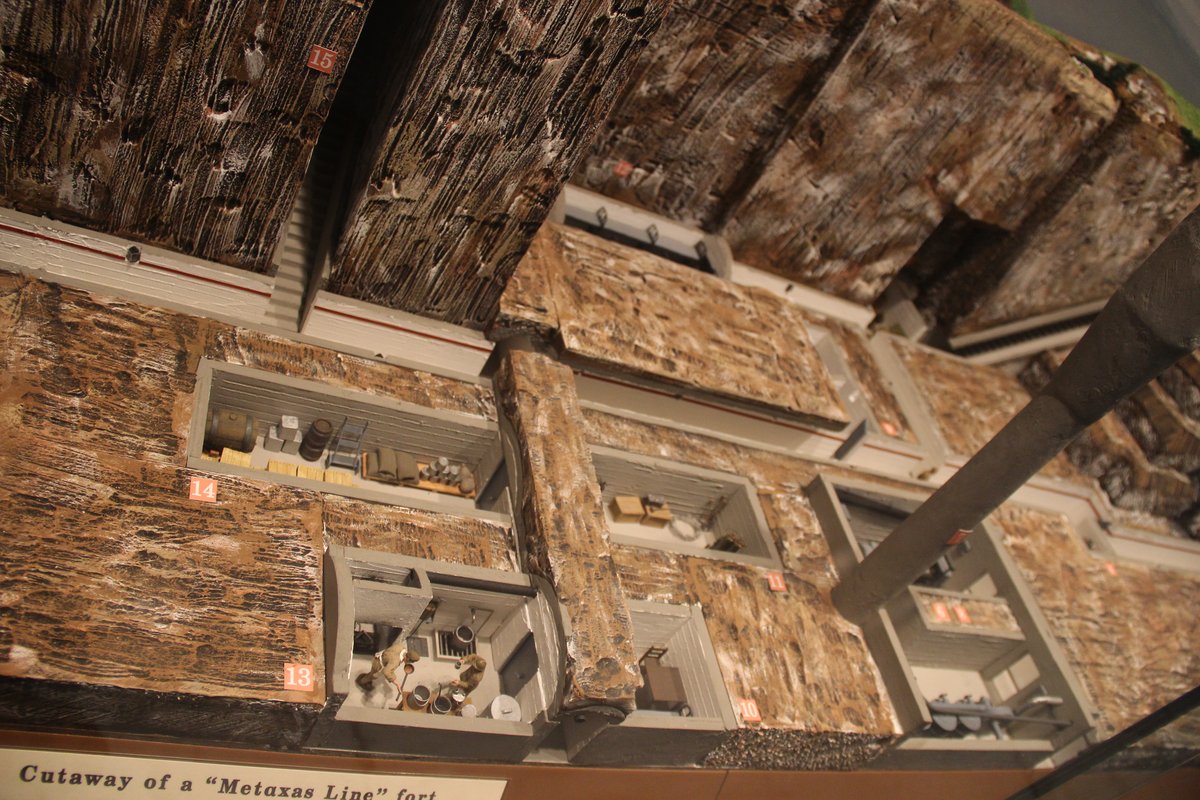
Detailed diorama of the Metaxas Line Fort displayed at the Athens War Museum in Athens, Greece, showcasing historical military defense structures.
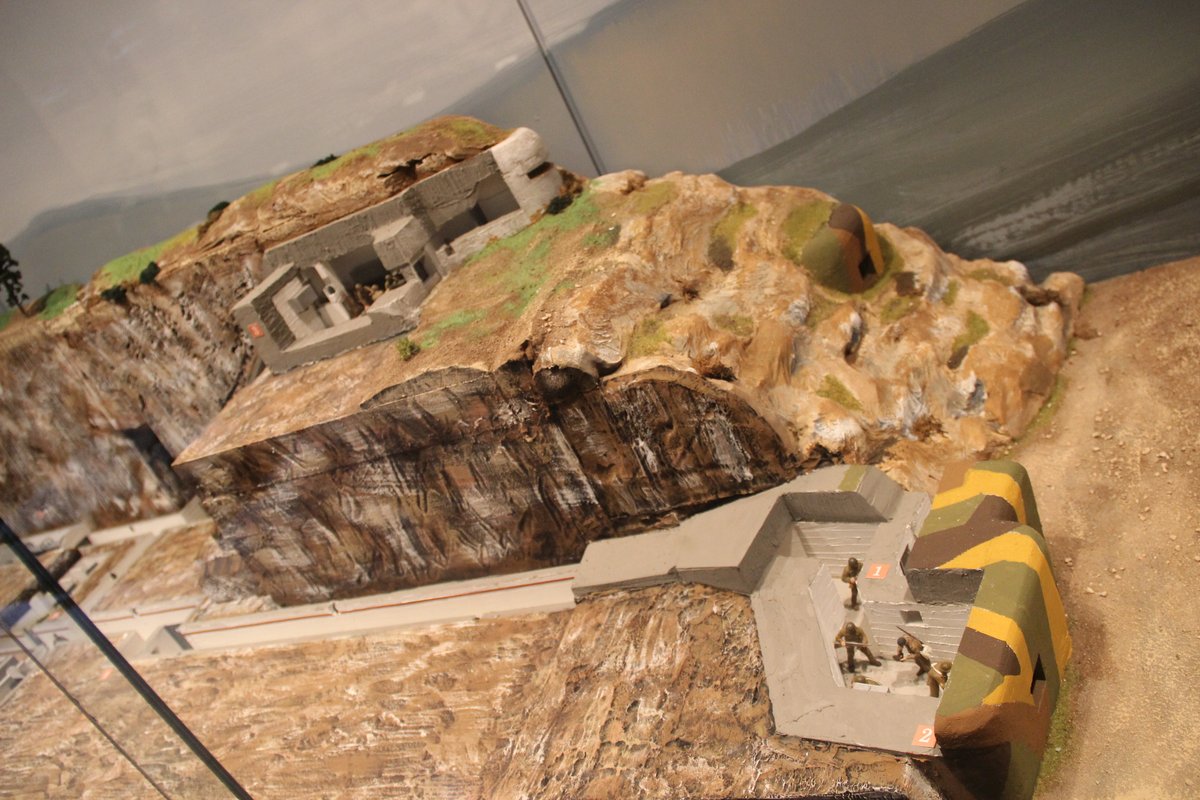
Photograph of the Metaxas Line Fort diorama displayed at the Athens War Museum showcasing historical military defenses in Greece
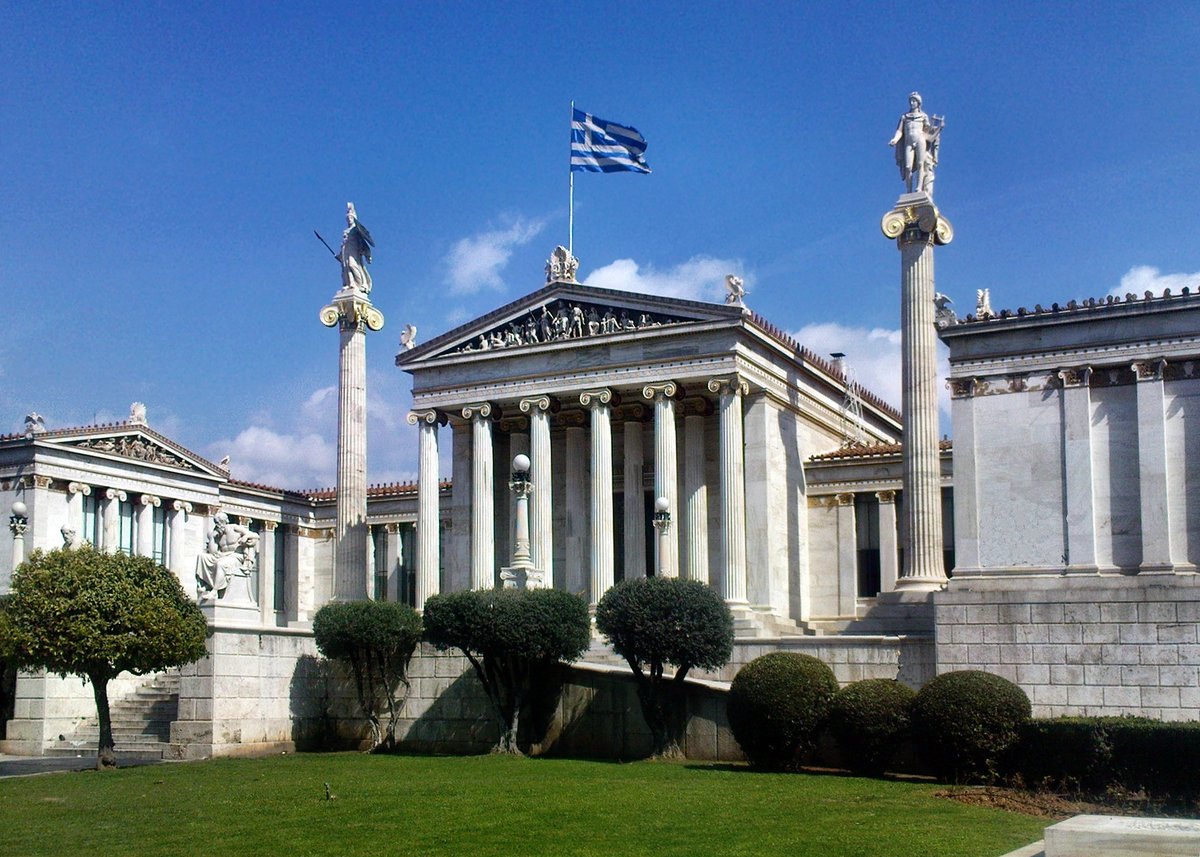
Photograph of the Athens War Museum exterior showcasing classical sculptures and the museum entrance, located in Athens, Greece.
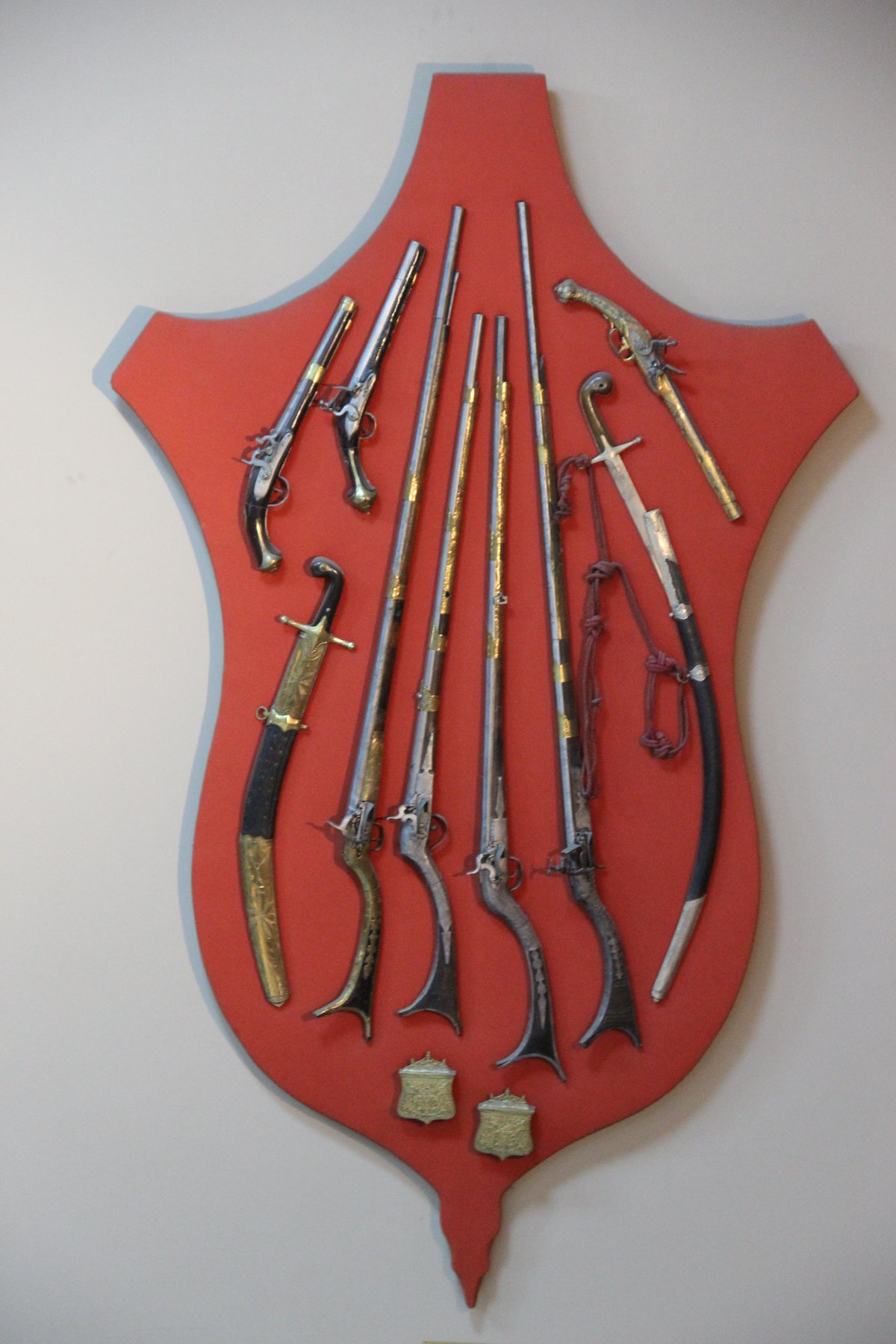
Photo of the Athens War Museum located in Athens, Greece showcasing its classical architecture
Exterior view of Athens War Museum located in Athens, Greece, showcasing the classical architectural design of the war museum.
Exterior view of the Athens War Museum in Athens, Greece showing the architecture and structure of the cultural landmark
Exterior view of the Athens War Museum in Athens, Greece, showcasing Greek flags and historic architecture.
Exterior view of the Athens War Museum in Athens, Greece, showcasing its architecture and surroundings
Exterior view of Athens War Museum showing architectural details and flags in Athens, Greece
Historical Context and Founding
The Athens War Museum was established in 1975, following decades of planning interrupted by Greece’s turbulent modern history, including occupation, wars, and civil strife (Warfare History Network). Initially proposed as an art gallery, the project evolved into a war museum to honor and study the nation’s martial legacy. Designed by Professor Thoukidides Valentis, the museum was officially inaugurated on July 18, 1975, symbolizing public commemoration of Greek military history (Warfare History Network).
Architectural Features and Location
The museum’s modernist square design, featuring a central courtyard, maximizes natural light and provides ample space for large artifacts. Its location at Vasilissis Sofias Avenue and Rizari Street places it close to the Acropolis, Olympic Stadium, the presidential palace, and the Tomb of the Unknown Soldier, making it accessible for tourists exploring Athens (Warfare History Network). The building’s functional style stands out among Athens’ neoclassical and ancient structures, enhancing the display of outdoor military vehicles and aircraft.
Collections and Thematic Focus
The museum’s exhibits are organized chronologically, covering Greek military history from prehistoric times to recent decades (Introducing Athens; Athens Museums):
Ancient to Classical Periods
- Neolithic and Bronze Age: Stone tools and early weapons.
- Classical Greece: Helmets, shields, swords, and artistic representations of mythological battles.
Hellenistic and Roman Eras
- Macedonian Arms: Replicas and displays related to Alexander the Great’s campaigns.
Byzantine and Medieval Periods
- Byzantine Weaponry: Swords, chainmail, and early firearms.
Ottoman Period and Greek War of Independence
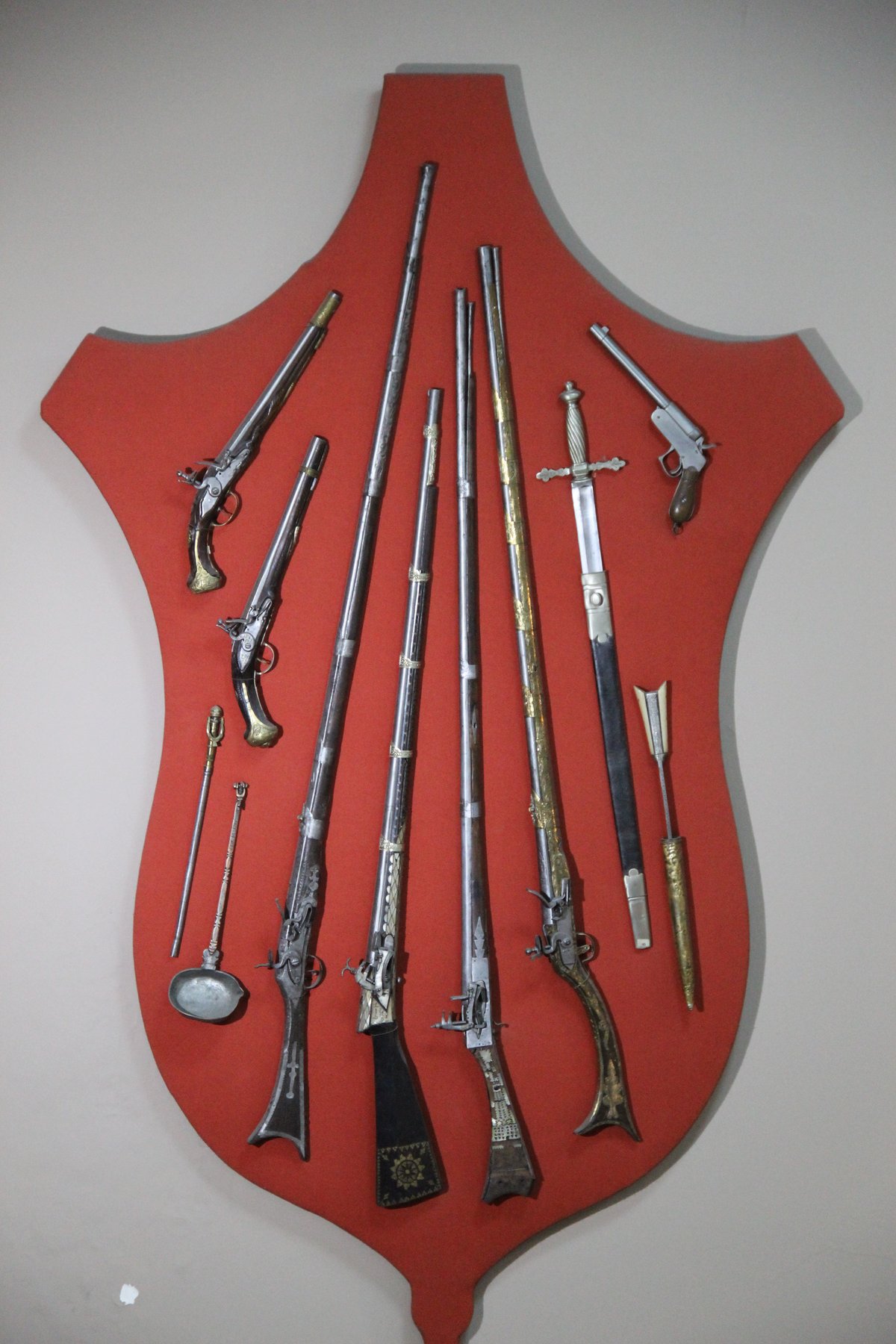
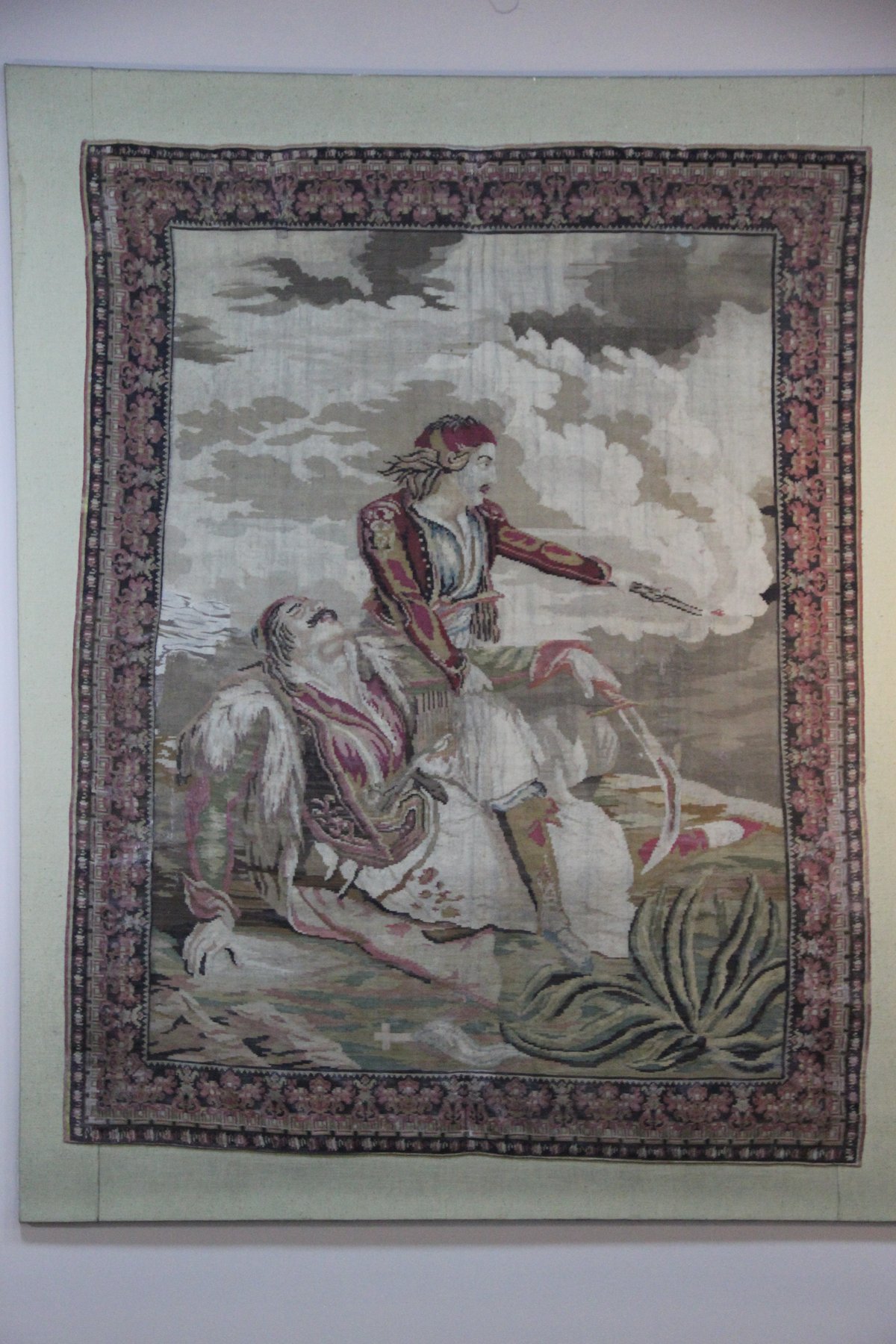
- 1821 Revolution: Artifacts, manuscripts, and paintings depicting the struggle for independence and the formation of the modern Greek state.
20th Century and World Wars
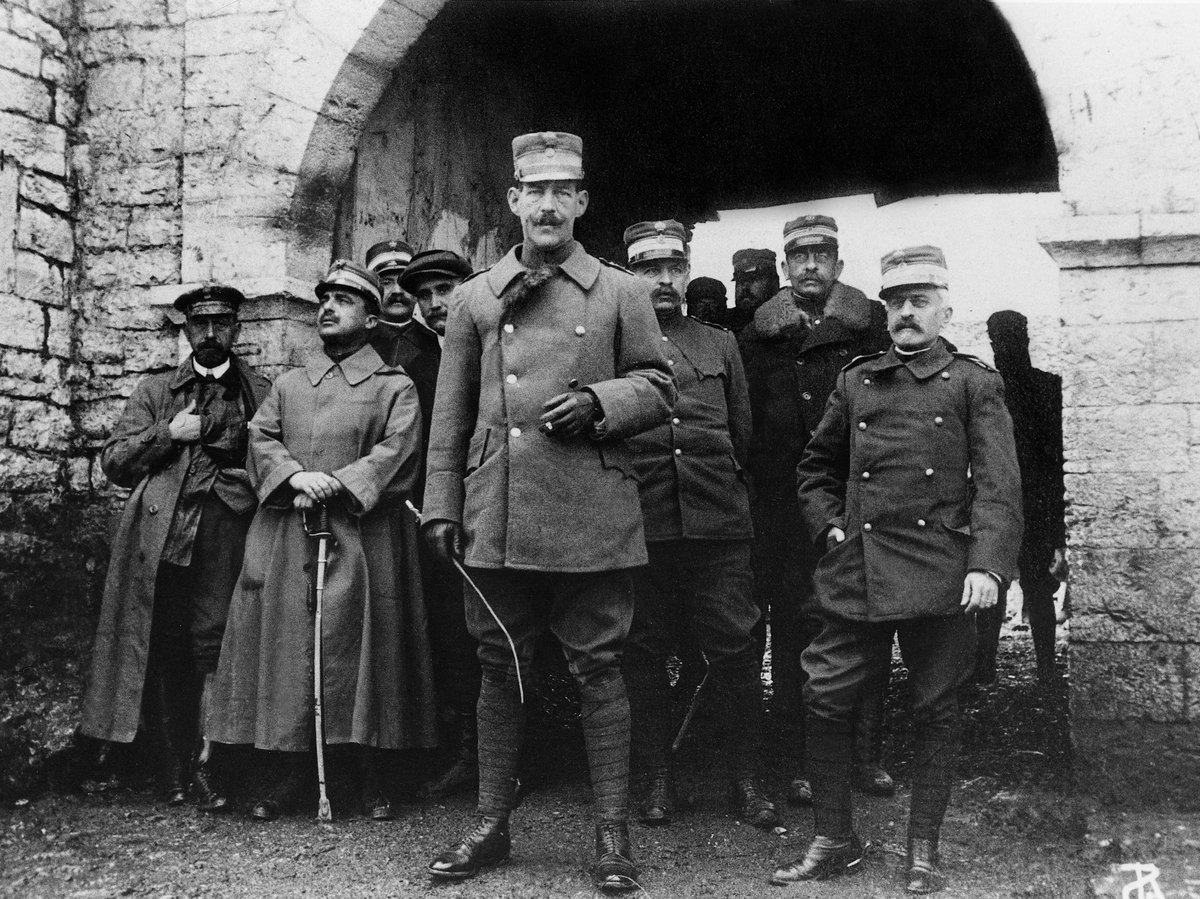
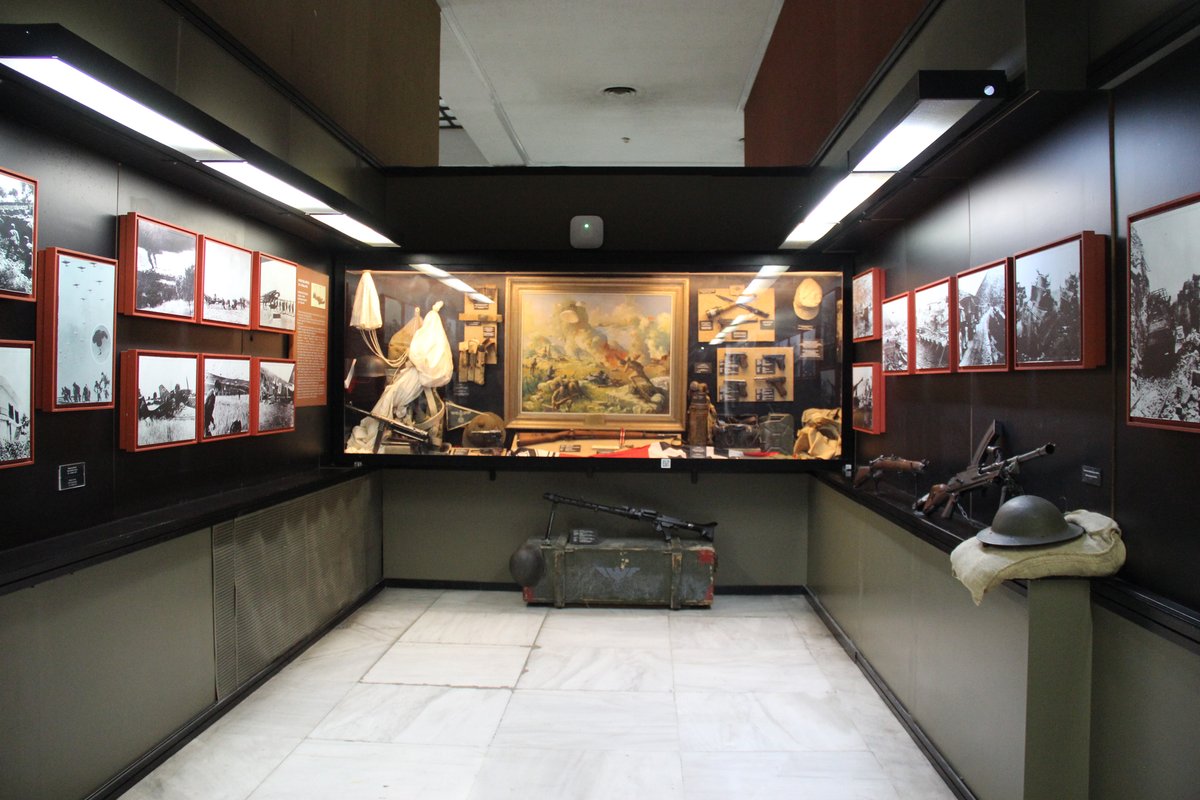
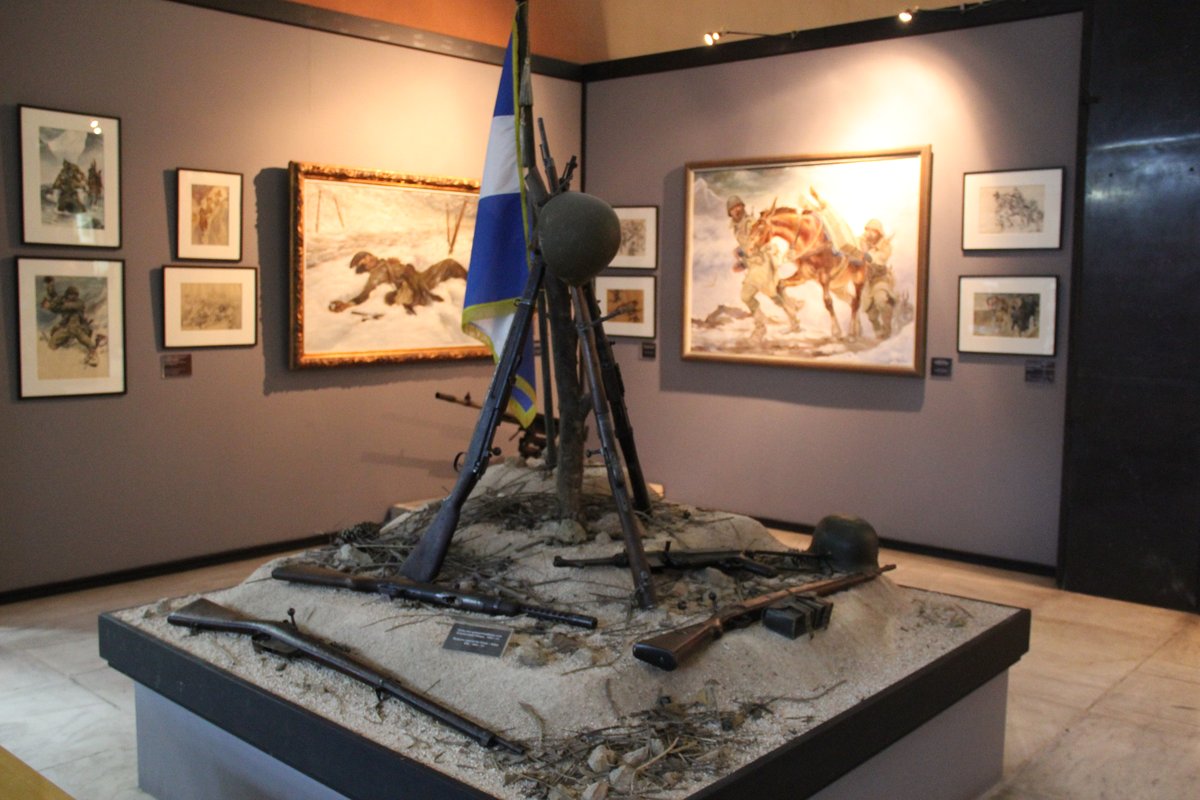
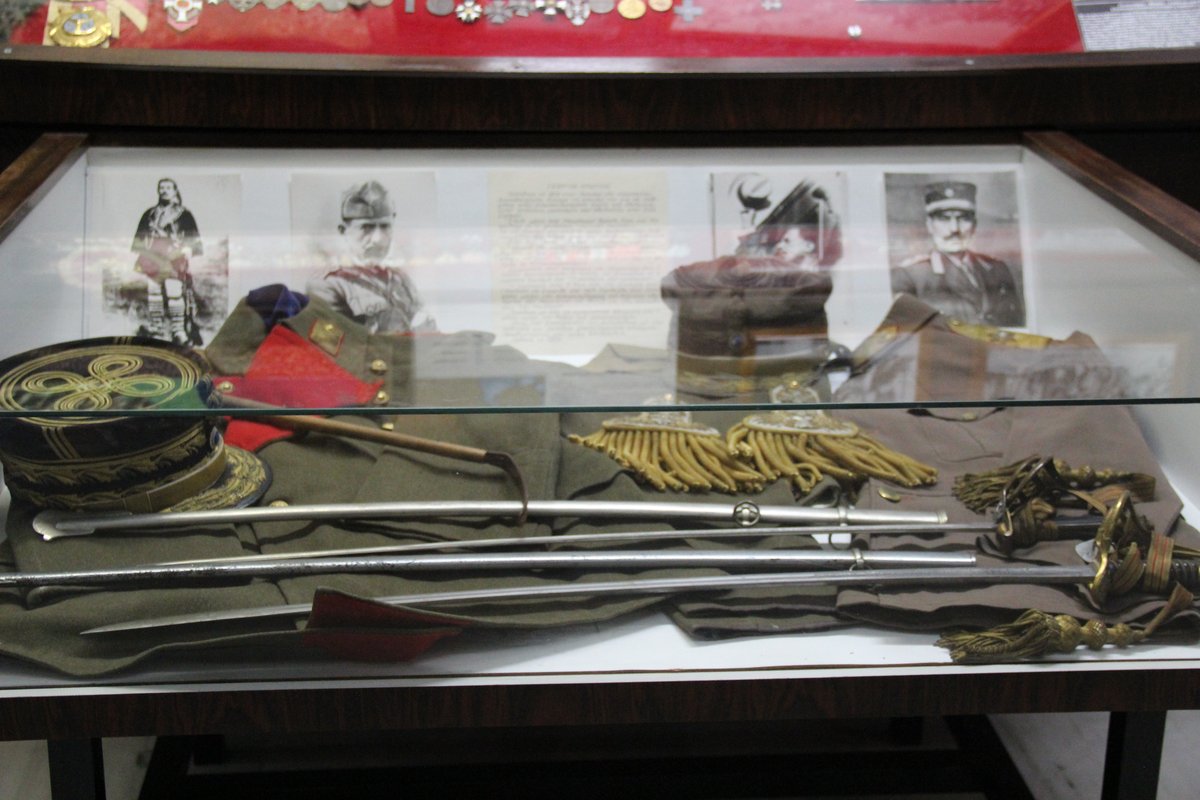
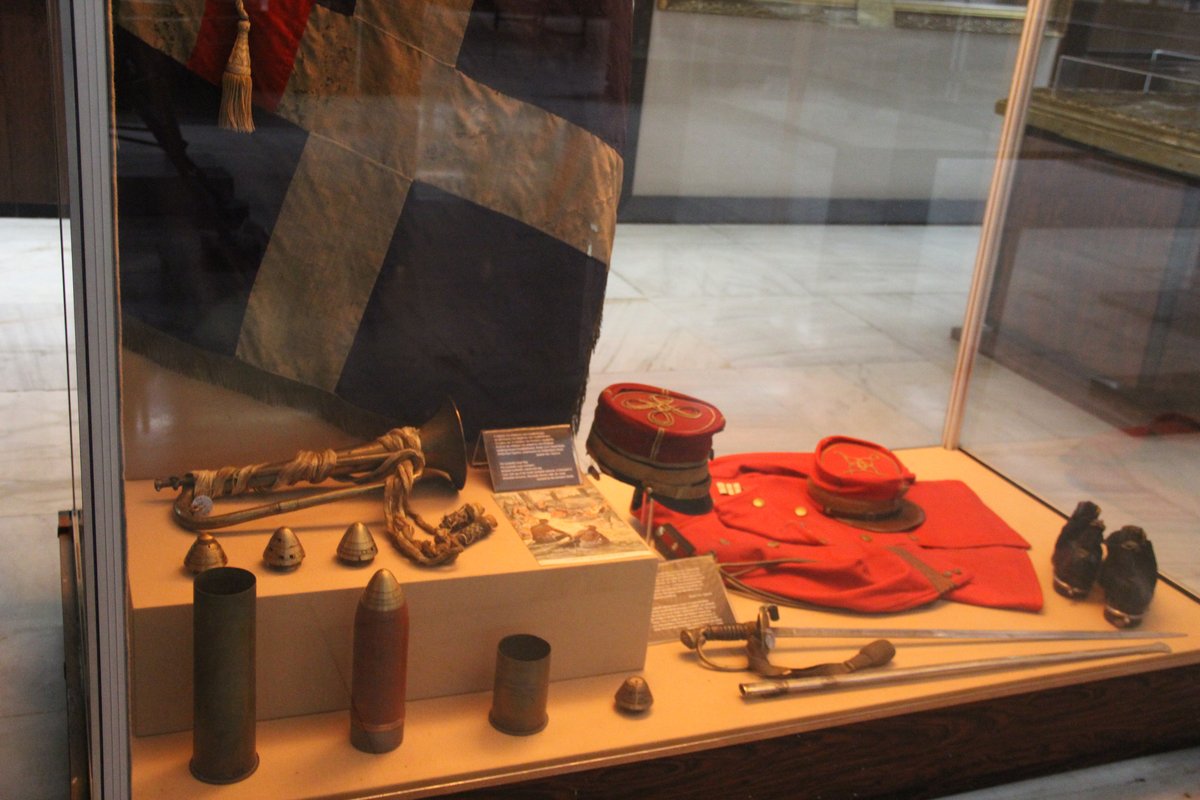
- Balkan Wars, World Wars I & II: Uniforms, weapons, photographs, and original sketches documenting Greece’s role in these conflicts.
- Greek Resistance: Improvised weapons and personal stories from the WWII occupation.
Cyprus and Modern History
- Cyprus Room: Arms and artifacts from prehistoric times through the 1974 Turkish invasion.
- NATO and Peacekeeping: Documentation of Greece’s modern military role.
International Collection
- Arms and equipment from other nations, offering a comparative perspective on military technology.
Outdoor Displays
- Artillery, tanks, and aircraft are exhibited in the museum’s outdoor areas, providing dramatic photographic opportunities. These can often be viewed without an entrance ticket (Introducing Athens).
Regional Branches
To ensure a comprehensive representation of Greece’s military history, the War Museum operates several branches:
- Nafplion: Highlights the War of Independence and local military history (Warfare History Network).
- Tripolis: Focuses on Peloponnesian military artifacts.
- Chania (Crete): Dedicated to Crete’s unique military history, including WWII.
- Thessaloniki: Located in a historic 1902 building, this branch offers exhibitions on Macedonia’s role in modern conflicts.
These branches preserve and present regional narratives, adding depth to the national story.
Visiting Hours, Tickets, and Accessibility
Location
- Address: Vas. Sofias & Rizari 2, Athens 106 75
- Public Transport:
- Metro: Evangelismos station (Line 3)
- Bus: Lines 203, 211, 235, 550, 608, and 815
- Parking: Private parking available on Rizari Street (War Museum Official)
Visiting Hours
- April–October: 09:00–19:00
- November–March: 09:00–17:00
- Closed on Mondays and major public holidays.
- Library open weekdays 09:00–14:00.
- Last ticket sold 45 minutes before closing (War Museum Official).
Tickets
- Adults: €6
- Students, Seniors: €3
- Free: Children under 5, EU citizens under 18
- Free Entry: First Sunday of each month (November–March), and on select national and international heritage days (Nomadic Niko; Dave’s Travel Pages).
Accessibility
- The museum is fully wheelchair accessible, with ramps and elevators to all floors.
- Restrooms and cloakroom available on each level.
- Bilingual signage (Greek and English) throughout.
Travel Tips and Nearby Attractions
Best Times to Visit
- Weekday mornings are less crowded.
- Spring and fall offer pleasant weather and smaller crowds (Chasing Whereabouts).
Family and Group Visits
- Interactive exhibits and educational workshops are available for children and school groups (Family Experiences Blog).
- Guided tours must be booked in advance at +30 210 7244464.
Photography
- Permitted in most areas, but avoid flash and tripods unless otherwise indicated.
Nearby Cultural Sites
- Museum of Cycladic Art
- Byzantine and Christian Museum
- National Gallery of Athens
- Benaki Museum
- Kolonaki neighborhood
- The Acropolis and Syntagma Square are within walking distance.
Educational and Cultural Role
The Athens War Museum goes beyond displaying artifacts. It supports research, publishes scholarly works, organizes commemorative events, and collaborates with universities and other museums (Wikipedia). Its branches across Greece preserve local histories, fostering national identity and cultural cohesion.
Frequently Asked Questions (FAQ)
What are the museum's opening hours?
April–October: 09:00–19:00; November–March: 09:00–17:00. Closed Mondays and holidays.
How much are tickets?
€6 for adults; €3 for students/seniors; free for children under 5 and EU citizens under 18. Free entry on select days.
Is the museum wheelchair accessible?
Yes, with ramps and elevators throughout.
Are guided tours available?
Yes, in English and other languages, with advance booking.
Can I take photographs?
Yes, except where indicated. No flash or tripods.
Where is the museum located?
Vas. Sofias & Rizari 2, central Athens, near Evangelismos metro station.
Listen to the full story in the app
Your Personal Curator, in Your Pocket.
Audio guides for 1,100+ cities across 96 countries. History, stories, and local insight — offline ready.
Audiala App
Available on iOS & Android
Join 50k+ Curators
Sources
- verified
- verified
- verified
- verified
- verified
- verified
Last reviewed: