Plan and listen to Athena Promachos with Audiala.
Audio guide in your pocket, itinerary in your browser. Built for the way you actually visit.
Introduction
Athena Promachos—meaning "Athena who fights in the front line"—was a monumental bronze statue that once dominated the Acropolis of Athens. Crafted by the renowned sculptor Phidias around 456 BCE, this colossal creation stood approximately 9 meters (30 feet) tall and symbolized the military strength, divine protection, and civic pride of ancient Athens. Though the original statue no longer survives, its legacy endures in the collective memory of the city and the very stones of the Acropolis, drawing visitors from around the world to its historic site (Wikipedia; Britannica).
This comprehensive guide will immerse you in the history, cultural significance, and practical details necessary for visiting the site of Athena Promachos today. Included are insights into the statue’s origins, its enduring symbolism, essential visitor information (hours, tickets, accessibility), travel tips, and recommendations for nearby attractions. Whether you are a history enthusiast or a curious traveler, this article will equip you to experience the spirit of ancient Athens at its iconic Acropolis (Welcome Greece; statue-decor.com).

Historical Background
Creation and Purpose
Commissioned in the aftermath of Athens' victories in the Greco-Persian Wars, Athena Promachos was created by Phidias between 460 and 450 BCE as both a tribute to the goddess Athena and a celebration of Athenian resilience and unity. Funded by war spoils, the statue embodied a martial, protective aspect of Athena, serving as a visible testament to the city’s strength (Britannica; PocketSights).
Physical and Artistic Features
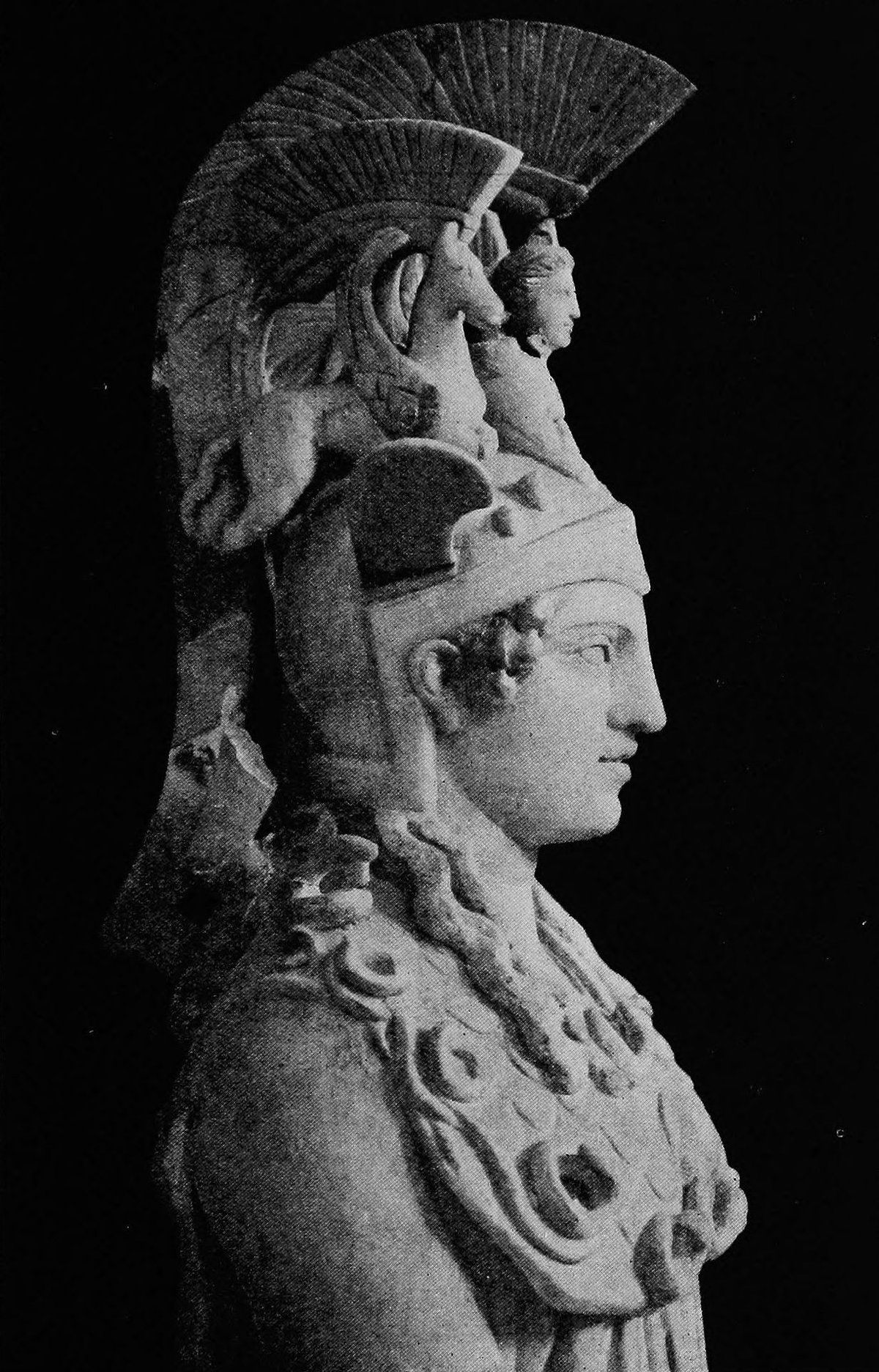
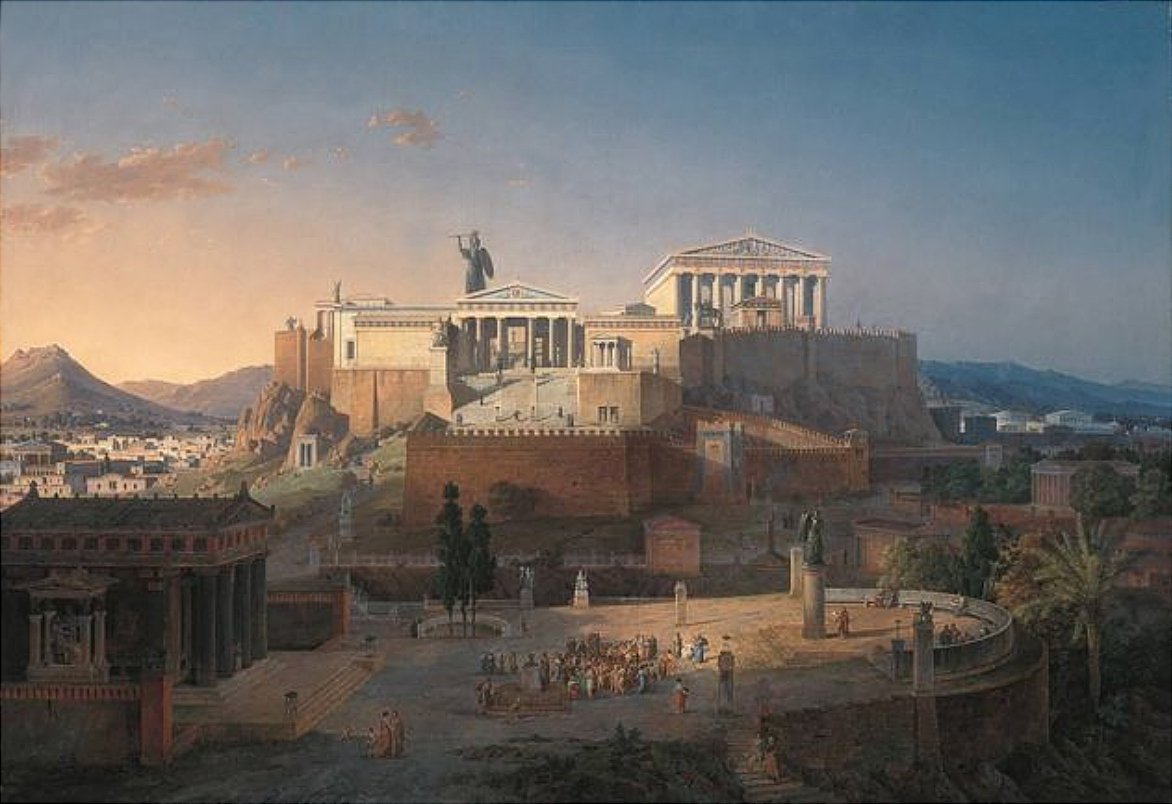
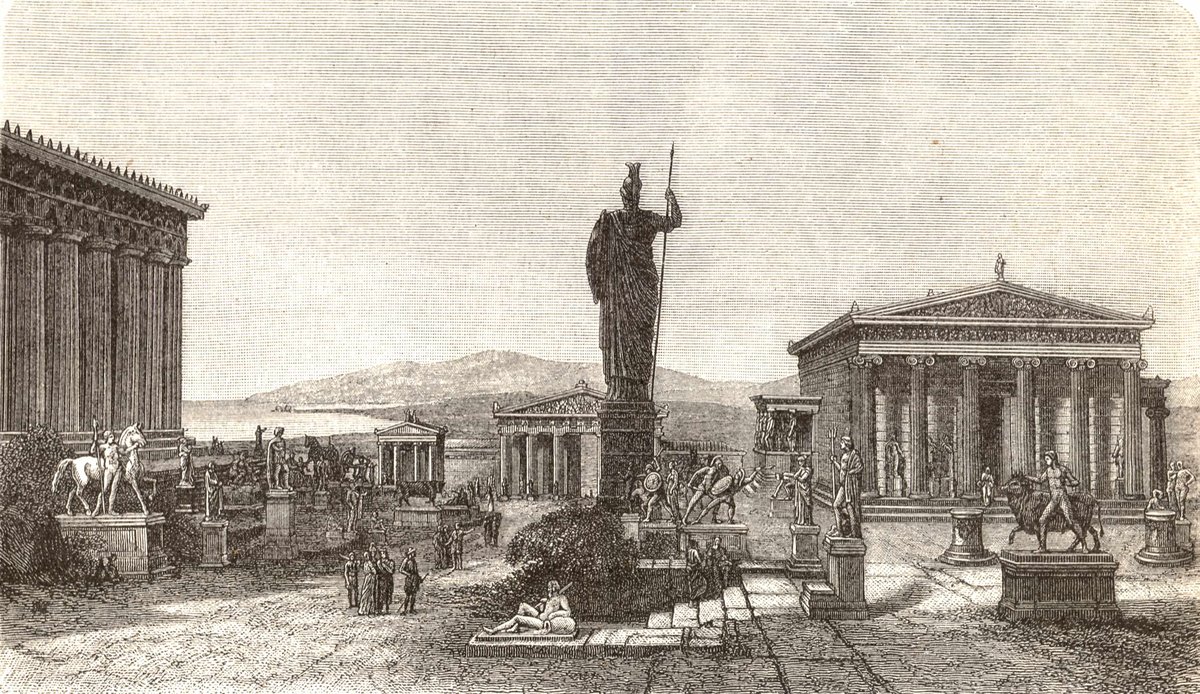
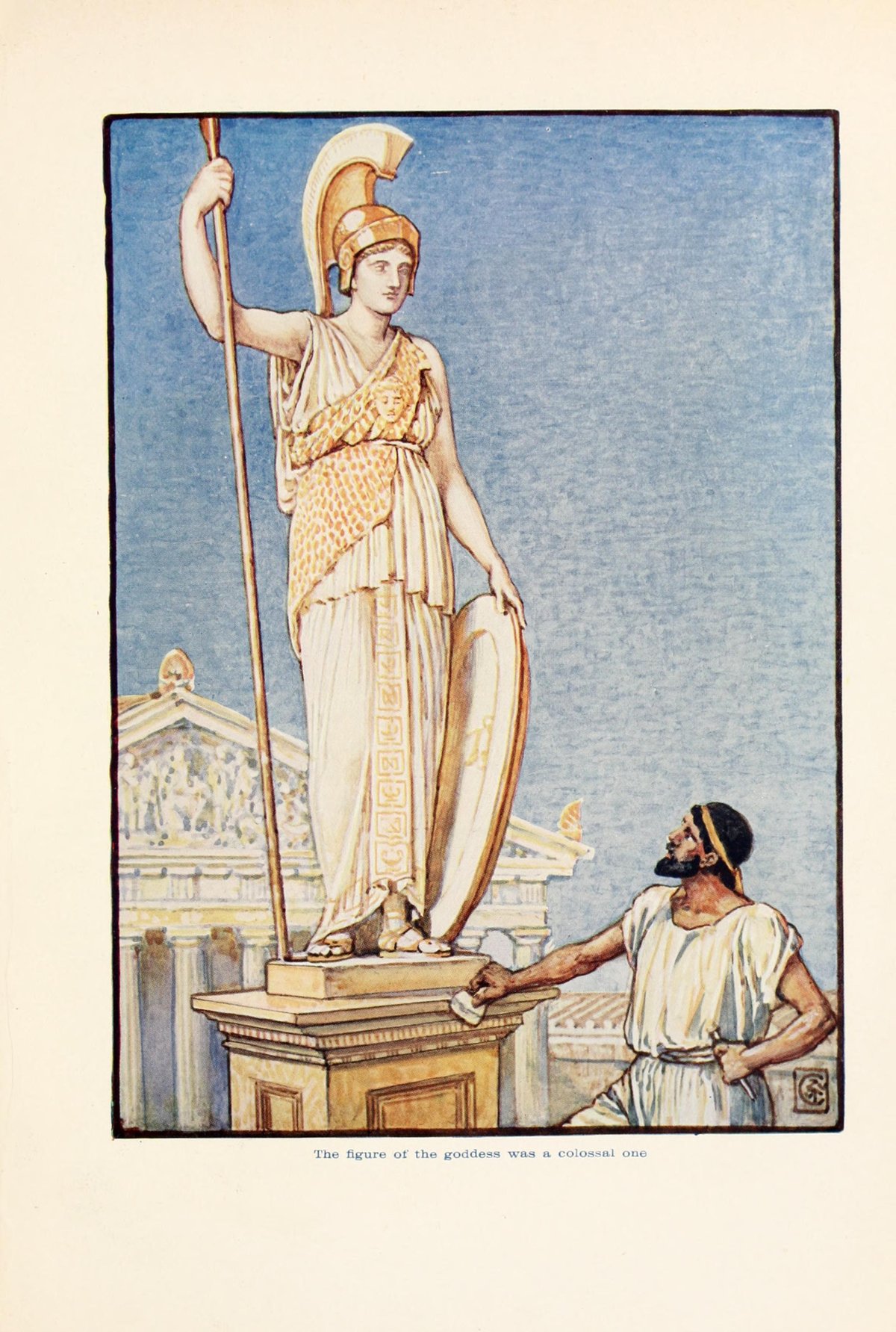
Standing atop a marble pedestal, Athena Promachos was depicted in full armor: helmeted, wielding a shield and spear. Ancient sources recount that her spear and helmet crest were visible to sailors far from shore, making her a beacon for returning Athenians (The Archaeologist). The statue was famed for its scale, craftsmanship, and artistic innovation—its shield was said to be adorned with mythological scenes, linking the city’s mythic history with contemporary triumphs (DailyArt Magazine).
Placement and Urban Importance
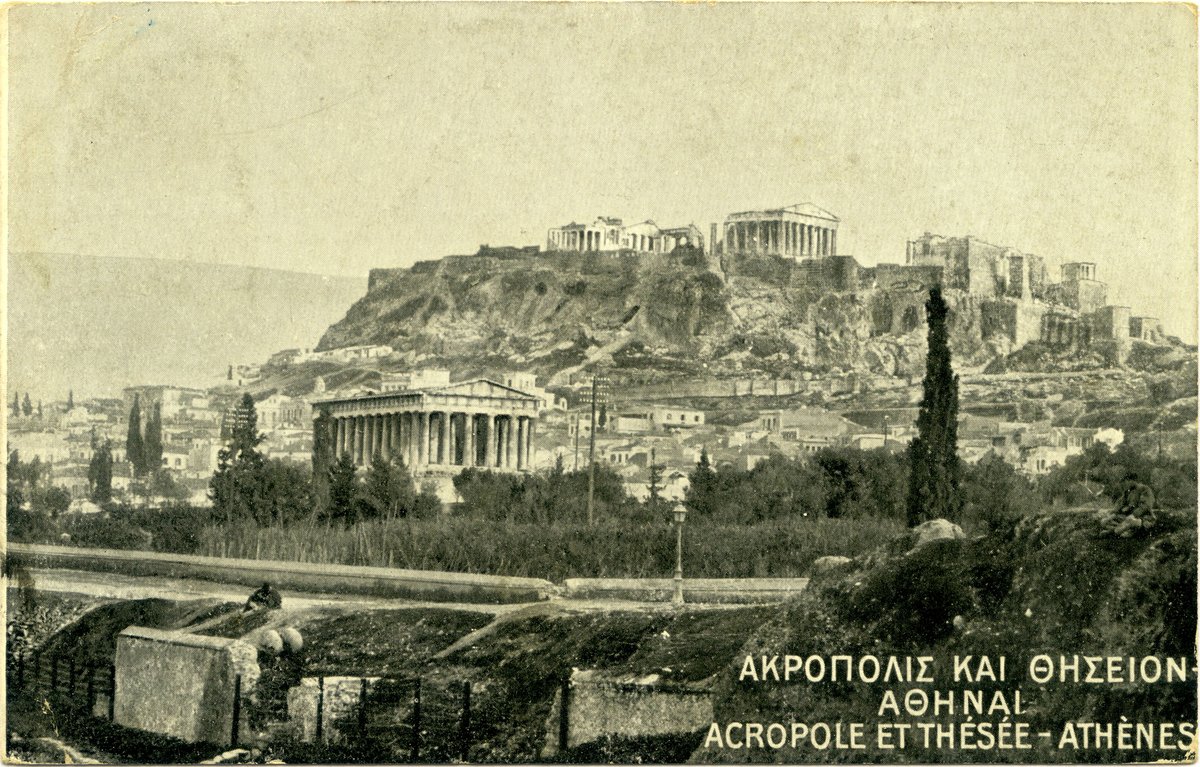
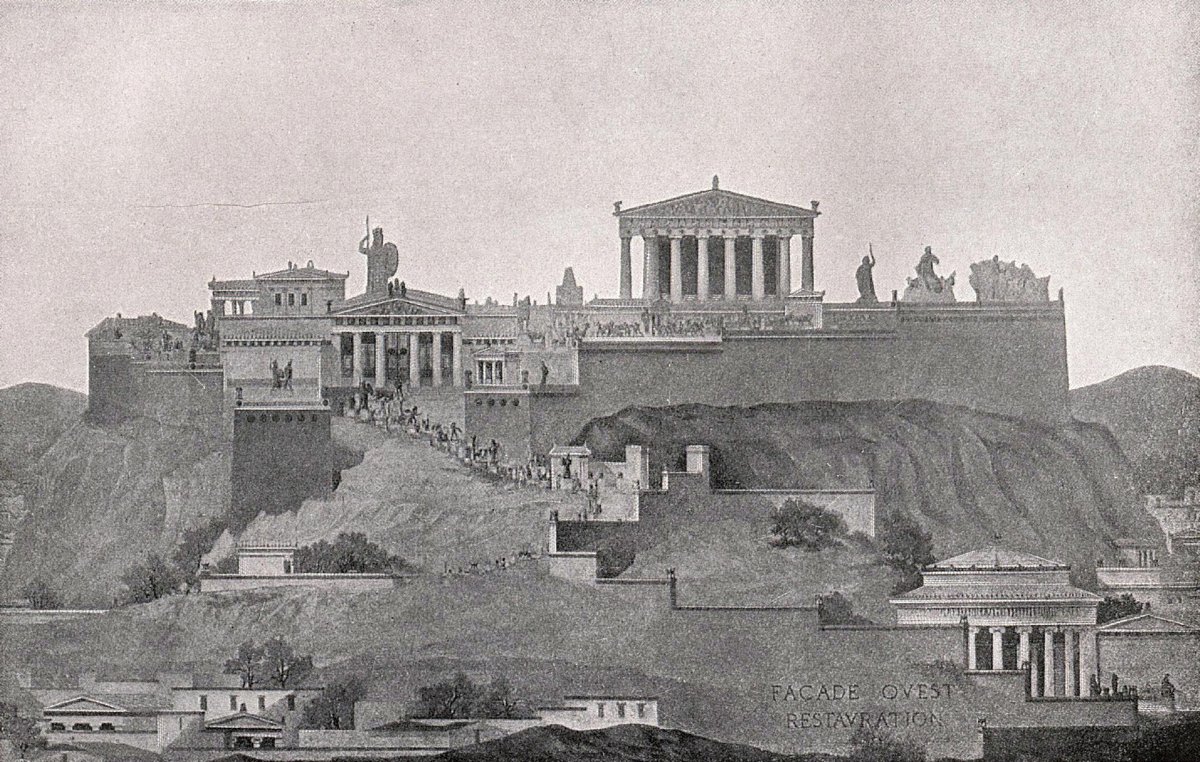
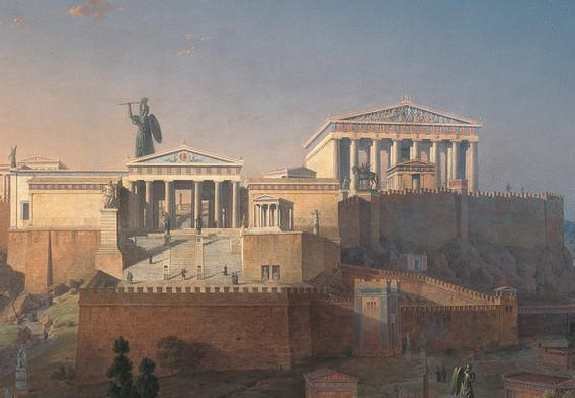
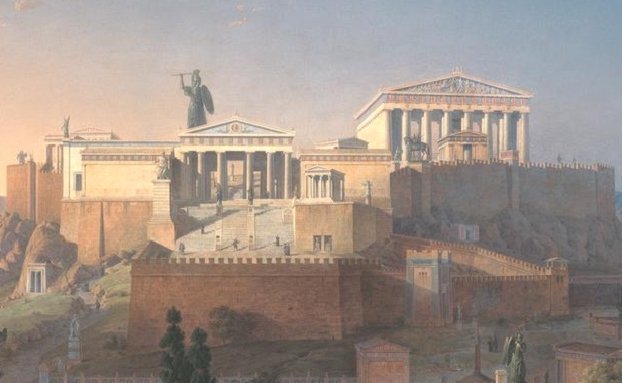
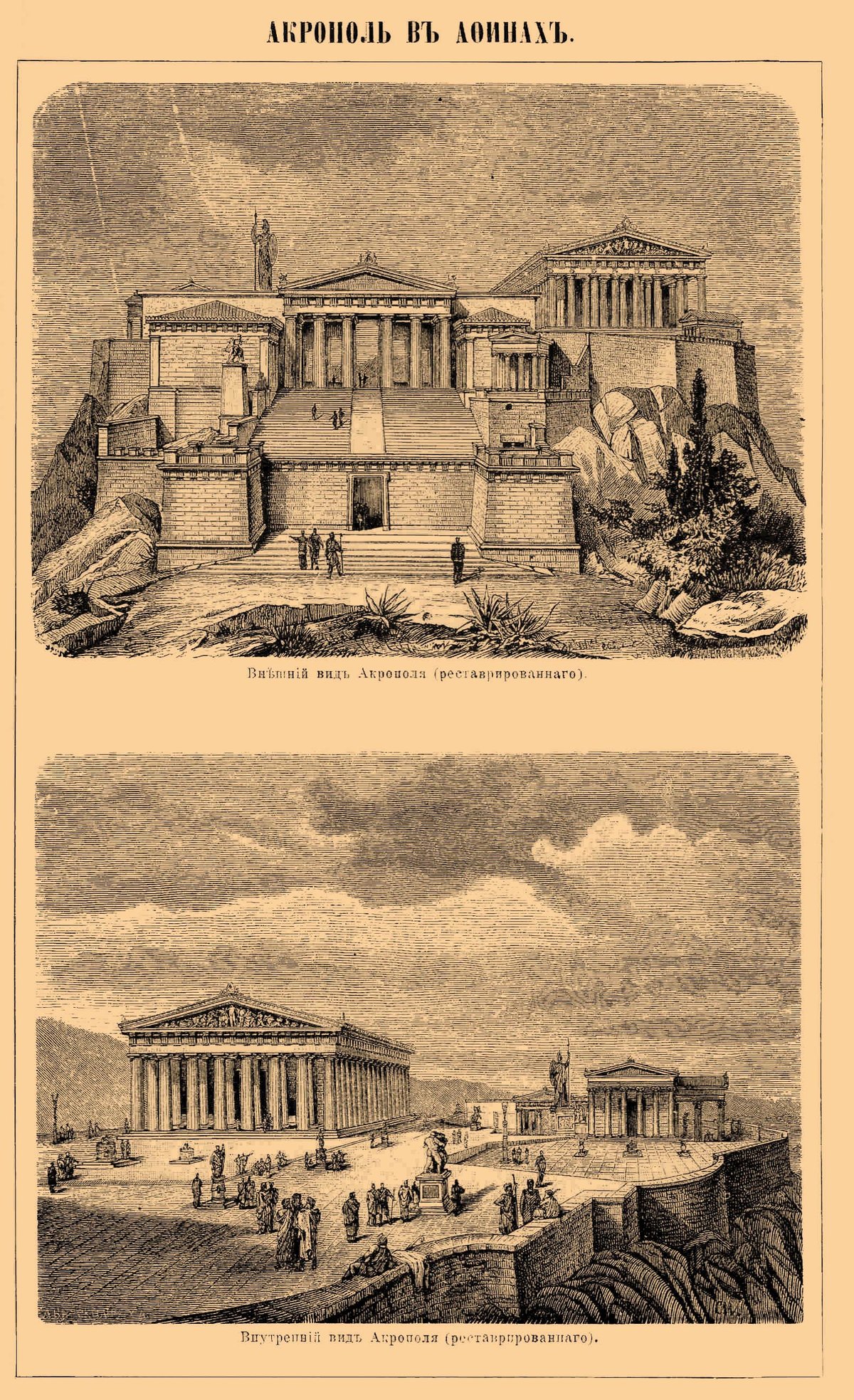
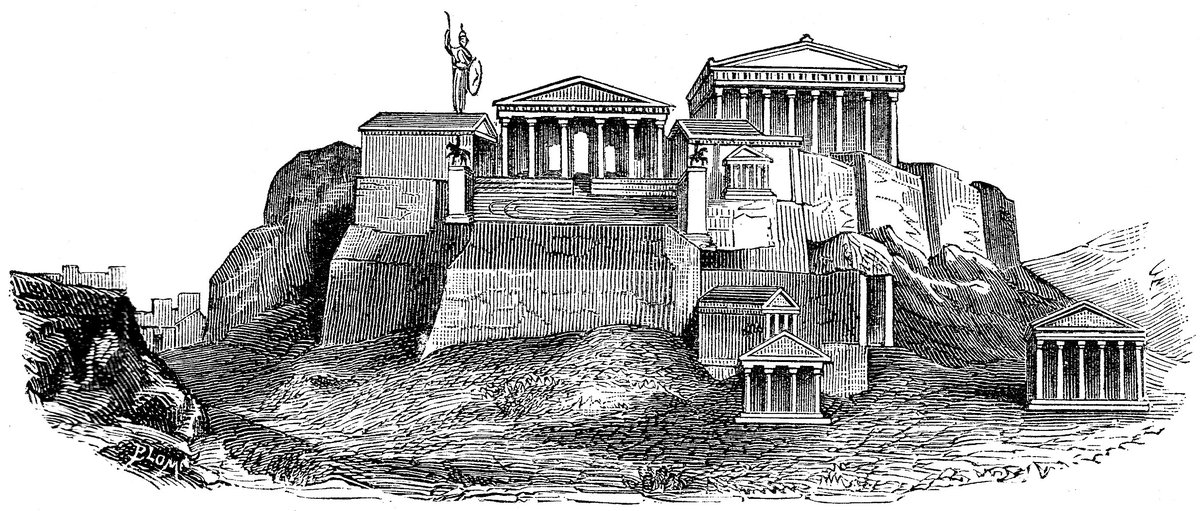
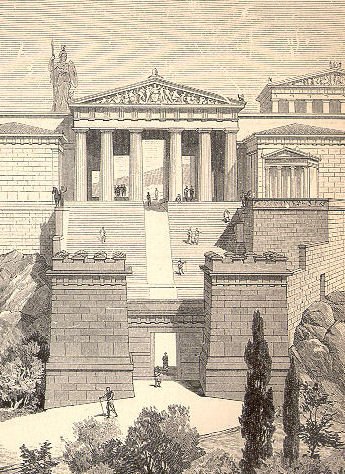
Athena Promachos stood between the Propylaea (the monumental entrance) and the Parthenon, positioned for maximum visibility along the Panathenaic Way. The statue was integral to the city’s religious rituals, especially the Panathenaic Festival, and became a focal point for civic gatherings (Lonely Planet).
Fate and Legacy
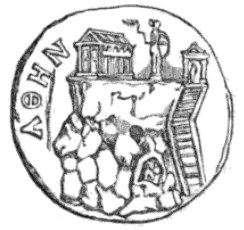
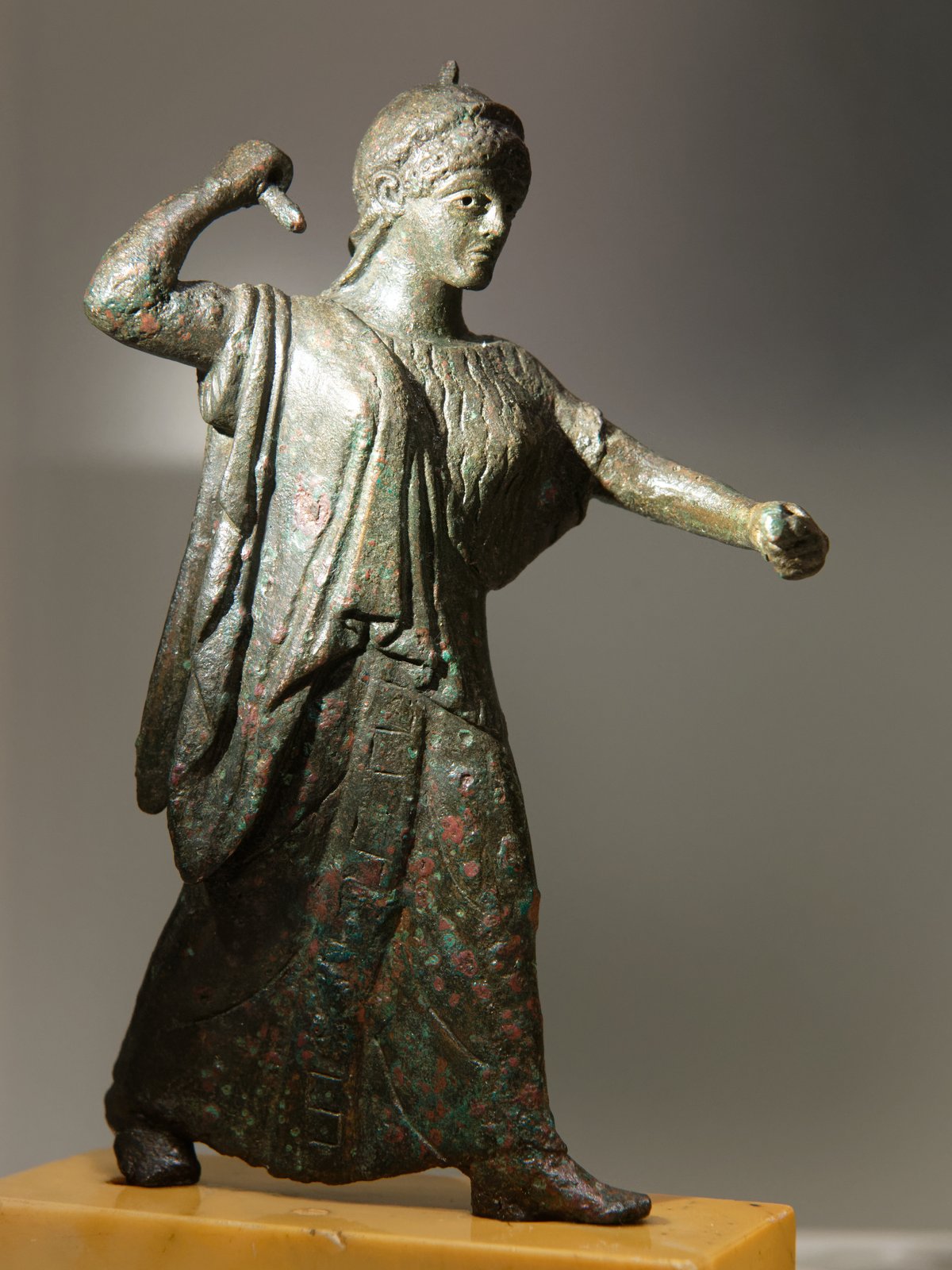
After centuries on the Acropolis, Athena Promachos was taken to Constantinople (modern Istanbul) in late antiquity. It survived there until 1203 CE, when it was destroyed, likely during the Fourth Crusade (Britannica). While the bronze statue was lost, its stone pedestal remains, and its image survives in coins, literary accounts, and smaller Roman copies (Wikipedia).
Visiting Athena Promachos Today
Pedestal Remains and Location
The original statue is lost, but the massive stone base is still present on the Acropolis, not far from the Propylaea. This pedestal, measuring approximately 5.4 x 5.5 meters and standing about 4 meters high, is easily located with on-site signage and is often featured in guided tours (statue-decor.com; madainproject.com).
Visiting Hours
- Summer (April–October): 8:00 AM – 8:00 PM
- Winter (November–March): 8:00 AM – 5:00 PM
Hours may vary on holidays; verify on the official Acropolis Museum site.
Tickets and Entry
- Standard ticket: €20 (April–October), €10 (November–March)
- Reduced admission: For EU citizens aged 18–25, students, and seniors
- Combined tickets: Available for multiple archaeological sites
- How to buy: Official Greek Ministry of Culture or authorized platforms; advance purchase recommended to avoid queues (afuncouple.com)
Accessibility
The Acropolis has improved accessibility with ramps and lifts, but the terrain remains uneven and steep in places. Visitors with mobility needs should consult official resources or contact the site in advance (afuncouple.com).
Guided Tours and Audio Guides
Guided tours and audio guides are widely available and highly recommended for those wishing to delve deeper into the history and context of Athena Promachos and the Acropolis. Many tours use visual aids and digital reconstructions to bring the lost statue to life (afuncouple.com).
Enhancing Your Visit
Museum Exhibits
The nearby Acropolis Museum houses artifacts and replicas related to Athena Promachos, including ancient coins and pottery that depict the statue (madainproject.com). The museum’s modern galleries offer context for the statue within the broader narrative of Athenian history (afuncouple.com).
Nearby Attractions
- Parthenon: The iconic temple dedicated to Athena Parthenos
- Erechtheion: Known for its Caryatids (sculpted female figures)
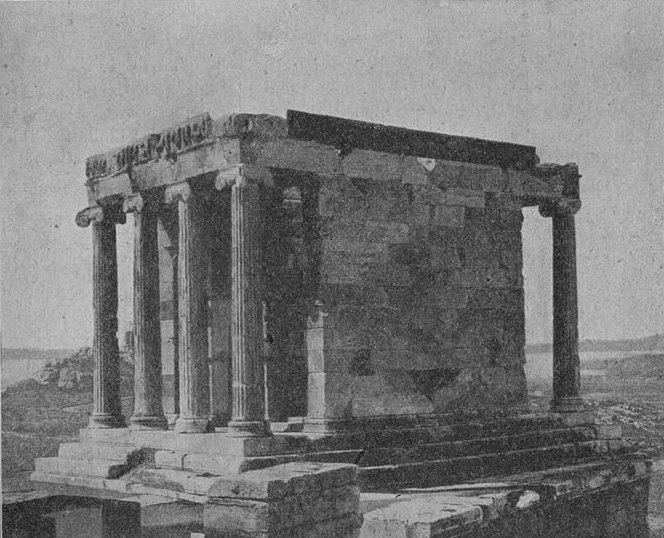
- Temple of Athena Nike: Celebrating victory in war
- Areopagus Hill: Offers panoramic views of Athens
- Plaka District: Explore shops, cafes, and classical streets nearby
Visitor Tips
- Arrive early or late to avoid crowds and midday heat
- Wear comfortable footwear; the marble paths can be slippery
- Bring sun protection (hat, sunscreen) and water
- Photography is allowed; drones require special permission
Cultural and Symbolic Significance
Athena Promachos was more than a work of art. It was a civic and religious focal point, representing the city’s martial triumphs and its enduring devotion to Athena. Its martial iconography—helmet, spear, and shield—underscored Athens’ reputation as a guardian of Greece and a leader among city-states (Acropolis Education PDF; Greek Mythology Worldwide). The statue’s influence can be traced in later art, literature, and neoclassical sculpture, testifying to its enduring legacy (statue-decor.com).
Frequently Asked Questions (FAQ)
Q: Can I see the original Athena Promachos statue today?
A: No, the original statue is lost. Only the stone pedestal remains on the Acropolis, but it is marked and accessible to visitors (statue-decor.com).
Q: What are the Acropolis visiting hours and ticket prices?
A: Generally, 8:00 AM–8:00 PM (summer) and 8:00 AM–5:00 PM (winter). Tickets cost €20 in high season and €10 in low season; reduced rates are available (afuncouple.com).
Q: Is the Acropolis accessible for people with mobility issues?
A: The site is partially accessible via ramps and lifts, but some areas have uneven terrain. Check accessibility services in advance (afuncouple.com).
Q: Are guided tours available?
A: Yes, guided tours and audio guides are widely available and recommended for an enriched experience.
Q: What other sites should I visit nearby?
A: The Parthenon, Erechtheion, Temple of Athena Nike, Areopagus Hill, and the Acropolis Museum are all within easy reach.
Preservation and Responsible Tourism
The Acropolis is a UNESCO World Heritage Site. Respect all barriers and signage, avoid touching ancient structures, and follow posted guidelines to help preserve Athens’ irreplaceable heritage (greek.mythologyworldwide.com).
Summary and Final Tips
Athena Promachos may no longer stand atop the Acropolis, but her spirit endures as a symbol of Athenian strength, wisdom, and unity. Today, visitors can connect with this legacy by exploring the pedestal, immersing themselves in the archaeological context, and appreciating the site’s profound historical significance. For a richer experience, combine your Acropolis visit with the Acropolis Museum and guided tours. Remember to purchase tickets in advance, wear comfortable shoes, and bring sun protection.
To deepen your exploration, download the Audiala app for curated audio tours and updated visitor information, and explore our related articles for more insights on Athens’ historical treasures.
Listen to the full story in the app
The whole Athena Promachos,
told well.
Listen to sourced travel stories with local history and practical context — ready offline.
Verified, and shown.
Researched and written by the Audiala editorial team from historical records, architectural archives, and local expertise.
Built from cited sources · see the method · How we make our guides →