
Historical Background
Ancient Origins
The Asclepieion was a healing temple dating to the 5th century BCE, a period when significant structures such as the Long Walls were built to fortify the route between Athens and its port, Piraeus (Wikipedia).
Development and Significance
Part of a network of healing temples across the ancient Greek world, the Asclepieion served as a center for medical advice, prognosis and healing. The sick came to the sanctuary for rituals and treatments involving medicinal herbs (World History).
Architectural Features
The sanctuary’s layout typically included buildings and spaces for different healing practices. These included the abaton, where visitors sought divine visions, and the tholos, used for rituals, as well as altars, baths and other facilities for patient treatment. The spaces formed a serene, therapeutic setting (Britannica).
Decline and Rediscovery
The Asclepieion began to decline in the 3rd century BCE, alongside Piraeus’s decline as a major port. The Roman general Sulla’s sacking of Athens in 86 BCE contributed further to its decline. The site was eventually abandoned and fell into disrepair during the Byzantine period, when Piraeus was used only occasionally as a commercial port (Wikipedia).
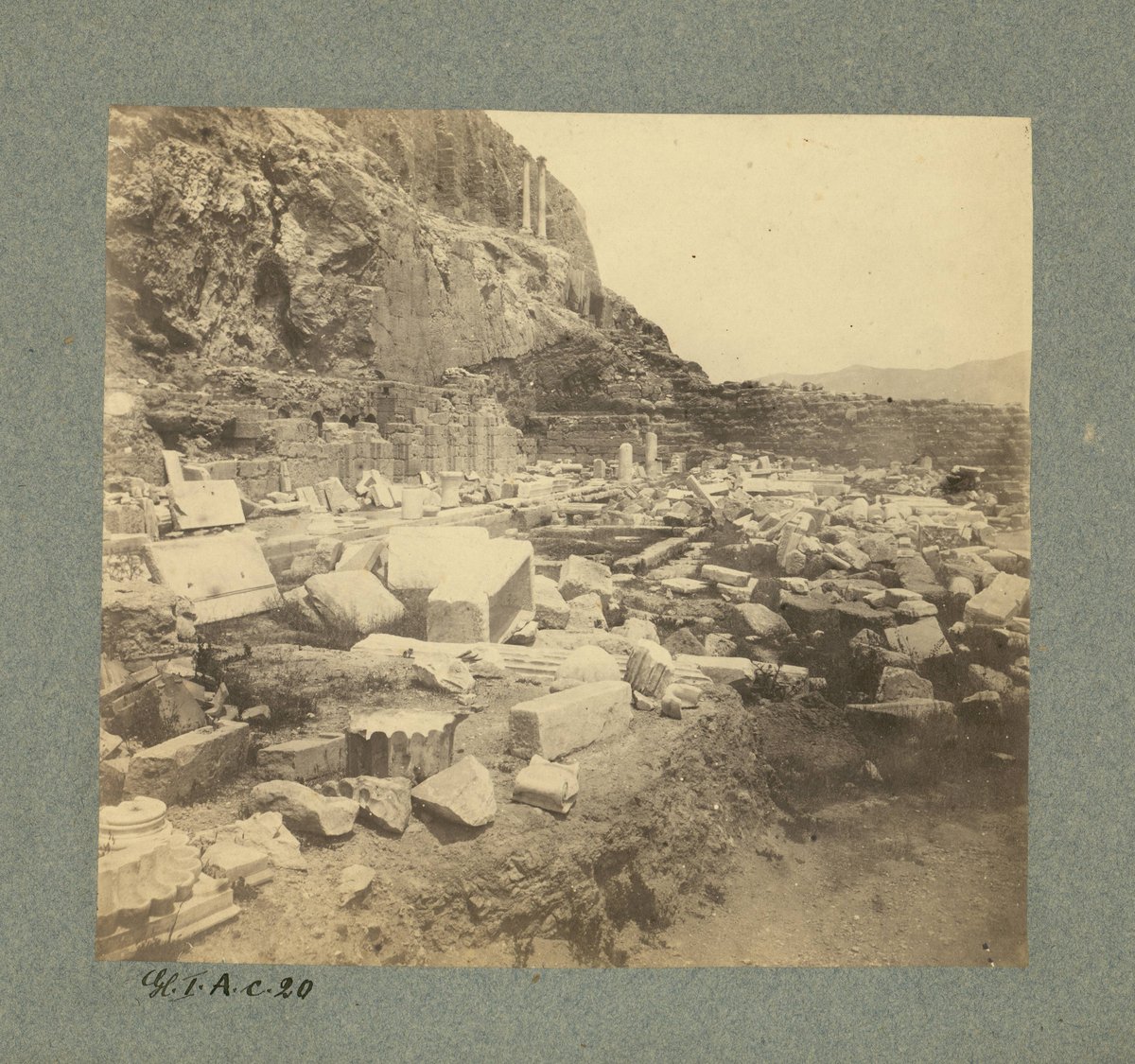
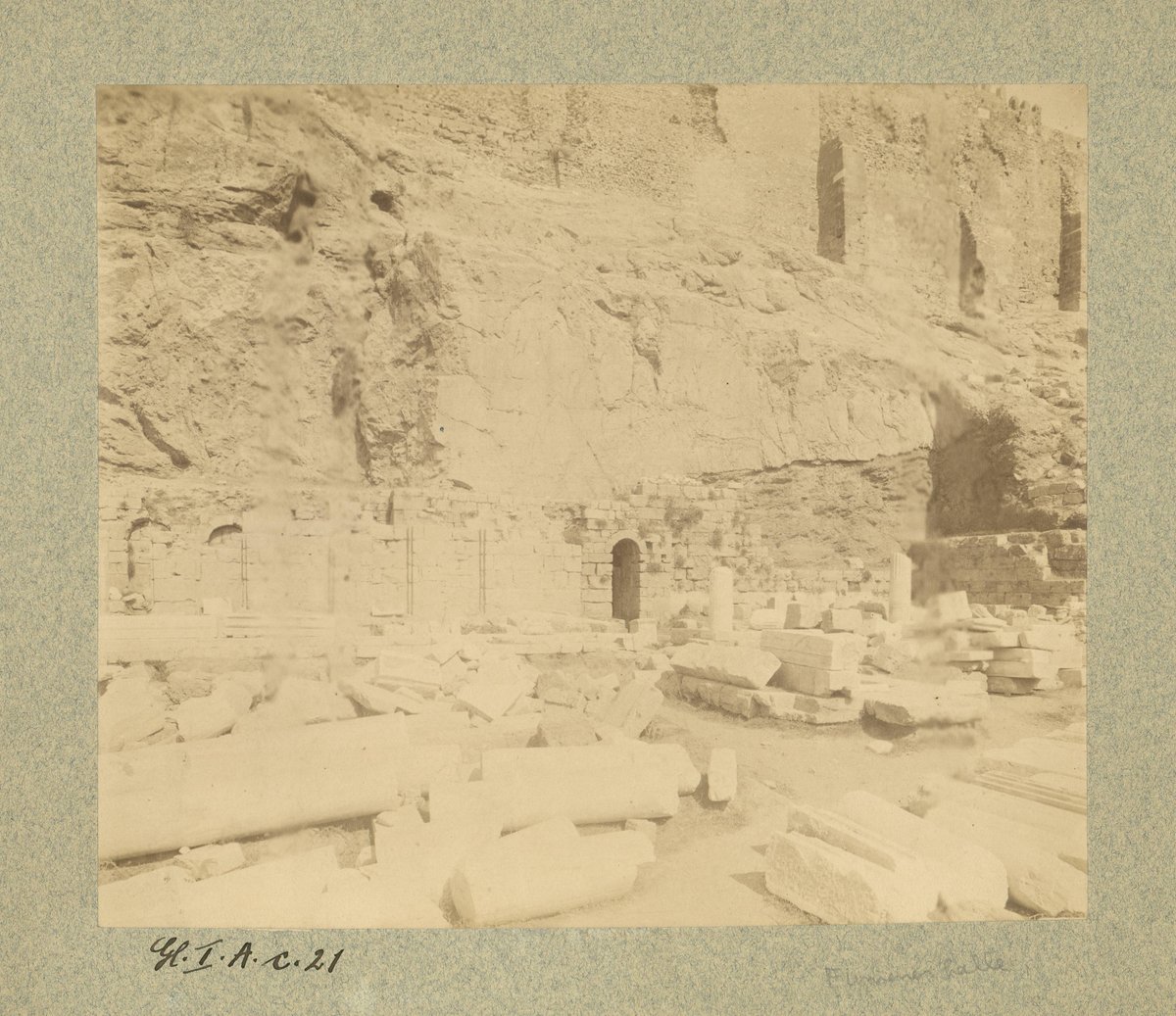
Interest in the Asclepieion and other ancient sites in Piraeus revived in the 19th century, after Athens became the capital of newly independent Greece. Early 21st-century excavations uncovered building foundations and artifacts, including several bronze statues. The famous Apollo statue is now housed in the National Archaeological Museum of Athens (World History).
Cultural and Historical Impact
The Asclepieion reflects an ancient Greek approach to medicine that combined religious rituals with practical treatments. It also illustrates Greek architecture and urban planning, integrating therapeutic spaces into the urban fabric of Piraeus. Its legacy continues to inform the study of ancient Greek medicine and modern medical practices (Around Greece).
Preservation and Conservation
Preservation efforts and archaeological research aim to maintain the site’s integrity and protect its historical value. Rising sea levels and urban development pose challenges to the Asclepieion and other ancient sites in Piraeus (World History).
Cultural Practices and Festivals
The sanctuary hosted athletic races and musical competitions in honor of Asclepius. These events reflected the ancient Greek belief in the therapeutic power of the arts and formed part of the Asclepieion’s holistic approach to healing (Travel the Greek Way).
Modern-Day Relevance
Today, the Asclepieion attracts scholars, historians and tourists interested in ancient Greek medicine and the origins of modern medicine. Ongoing restoration and archaeological research maintain its role as a link to ancient Greek culture and its contributions to medicine (Travel the Greek Way, Around Greece).
What to See
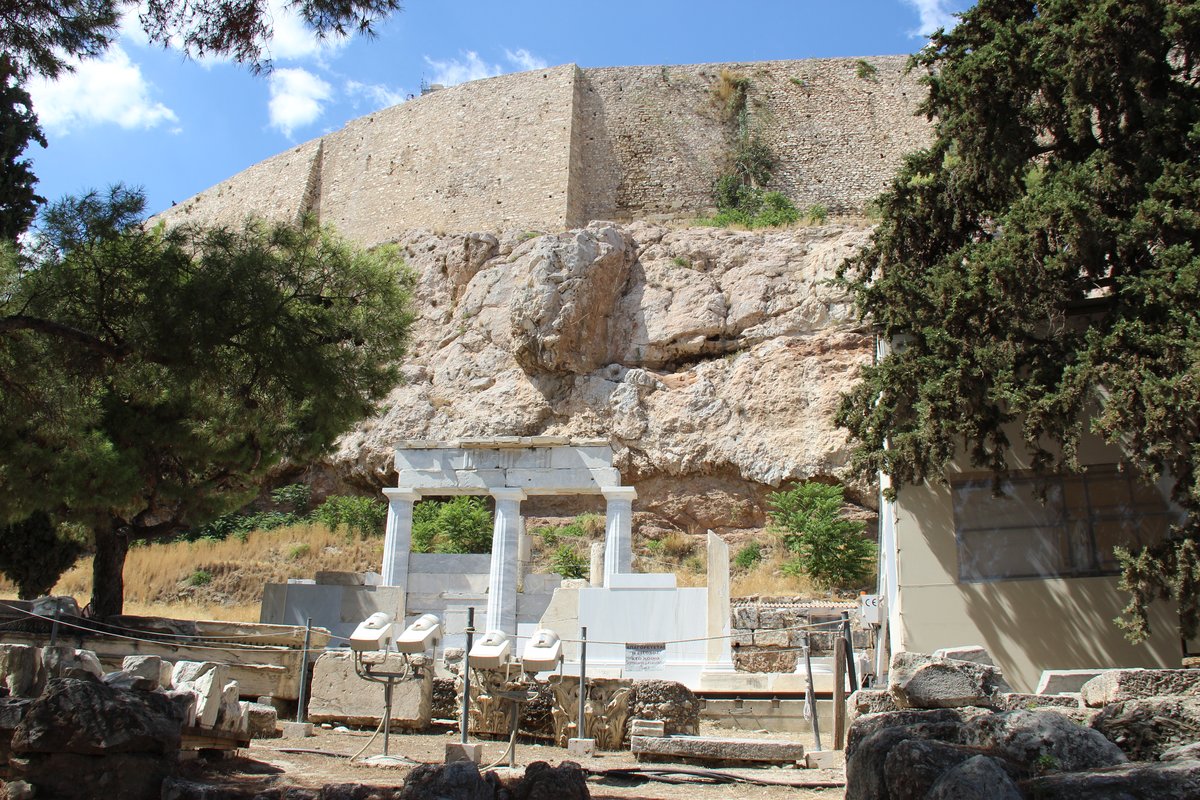
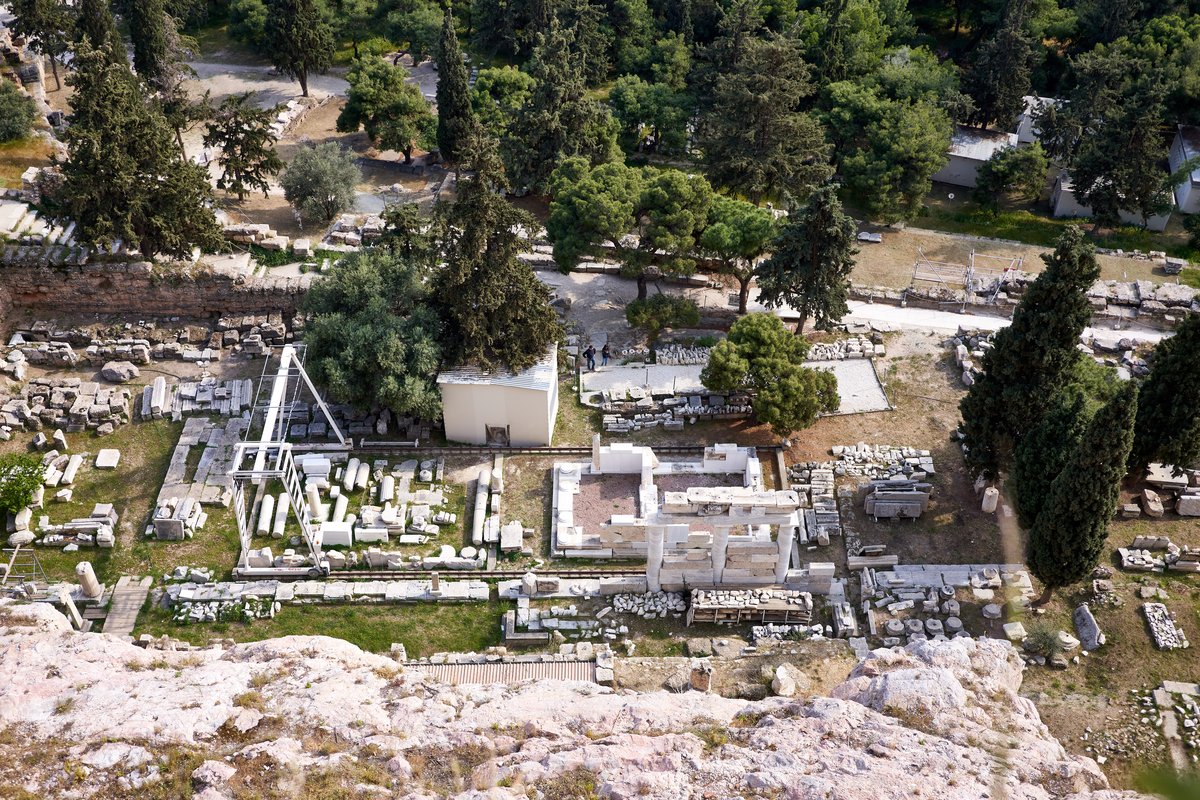
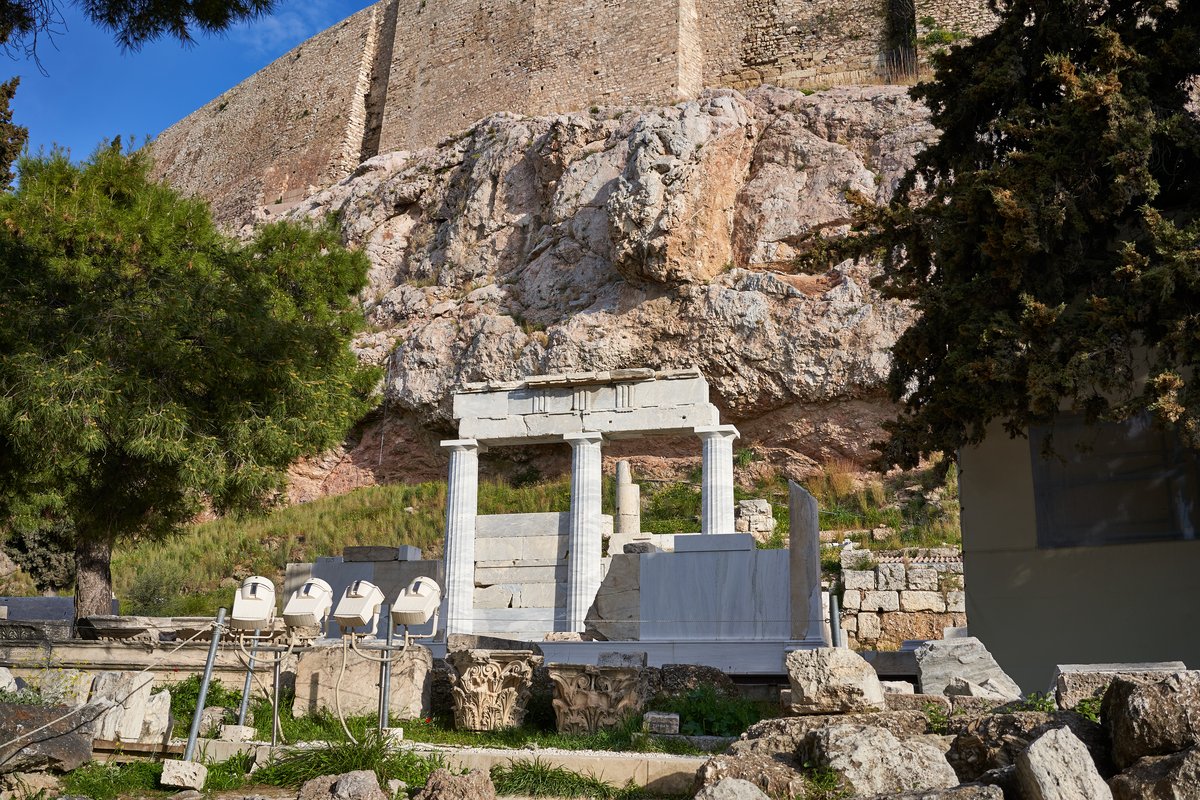
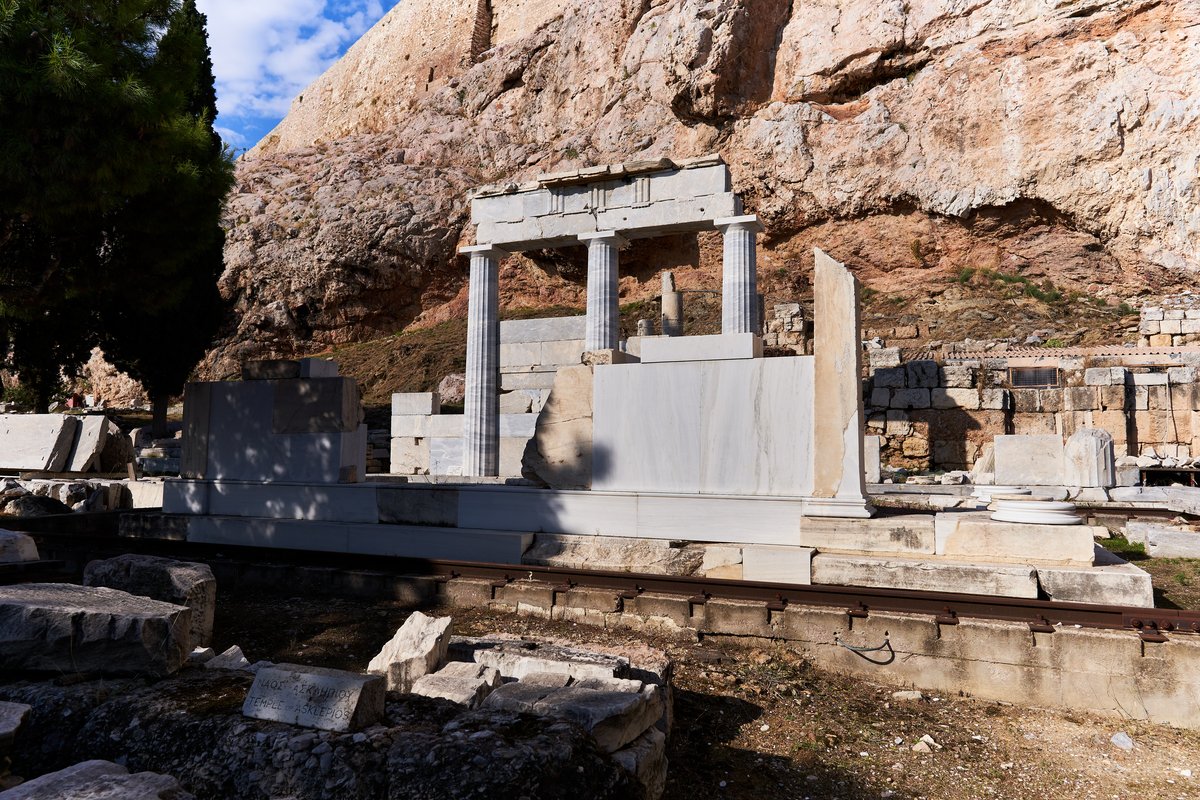
The ancient remains include building foundations and artifacts uncovered by archaeological excavations. The sanctuary’s notable architectural features include the abaton, tholos, altars and baths.
The serene setting and ancient ruins offer photographic opportunities. The abaton, tholos and surrounding gardens are noted spots.
Visiting Information
Visiting Hours and Tickets
One listing gives daily visiting hours of 8:00 AM to 8:00 PM. Adult tickets are listed at €12, with discounts for students and seniors.
The site is partially accessible to visitors with mobility issues. Some areas have uneven terrain and may require assistance. Contact site management in advance to arrange necessary accommodations.
Special Events and Guided Tours
Special events may include reenactments and educational workshops; check the official website for information. Guided tours provide historical insights and are available to visitors.
Practical Information
Getting There
The site is accessible by public transportation. From central Athens, take the metro to Piraeus. From Piraeus metro station, walk or take a short taxi ride to the site. For metro schedules and routes, visit the Athens Metro website.
Tickets and Pricing
Tickets can be purchased online through official channels or at the site entrance. Discounts are available for students, seniors and groups.
Opening Hours
The site is described as open year-round, with extended hours during the summer months. Check the official website or local tourist information centers for up-to-date opening hours.
Guided Tours
Guided tours are recommended for a comprehensive understanding of the site’s historical and cultural significance. They can be booked in advance online or at the site.
Facilities
The site has limited facilities, with restrooms and a small gift shop near the entrance. Cafes and restaurants in Piraeus offer nearby dining options.
Safety Tips
Keep an eye on personal belongings to avoid theft, and pay attention while walking on the site’s uneven terrain.
Travel Tips
Arrive early in the morning or late in the afternoon to avoid crowds. Wear comfortable walking shoes, and bring water and sunscreen, especially during the summer months.
Nearby Attractions
The Archaeological Museum of Piraeus houses artifacts from the Asclepieion and other ancient sites. The Municipal Theater of Piraeus is another notable landmark worth exploring.
FAQ Section
What are the visiting hours for the Asclepieion of Athens?
The site is listed as open daily from 8:00 AM to 8:00 PM. Another listing says it is open year-round, with extended hours during the summer months.
How much does it cost to visit the Asclepieion of Athens?
Adult tickets are listed at €12, with discounts available for students and seniors.