Plan and listen to Antitheatro with Audiala.
Audio guide in your pocket, itinerary in your browser. Built for the way you actually visit.
Introduction: The Antitheatro’s History and Significance
Athens, a city where ancient history and vibrant modern culture intersect, offers visitors an unparalleled journey through time. Prominent among its cultural landmarks are the “Antitheatro” sites, especially the Odeon of Herodes Atticus and the Ancient Theatre of Dionysus. These venues not only reflect the artistic and architectural prowess of ancient Athens but also continue to serve as lively centers for performance and community engagement today.
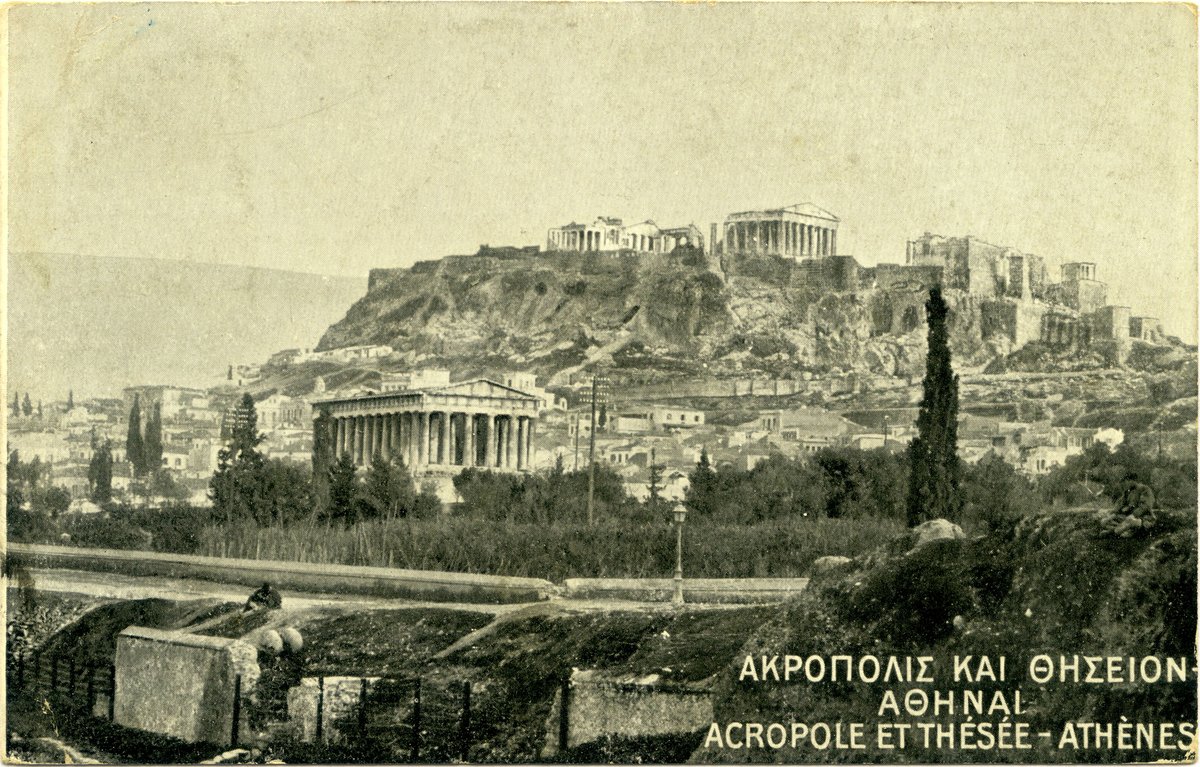
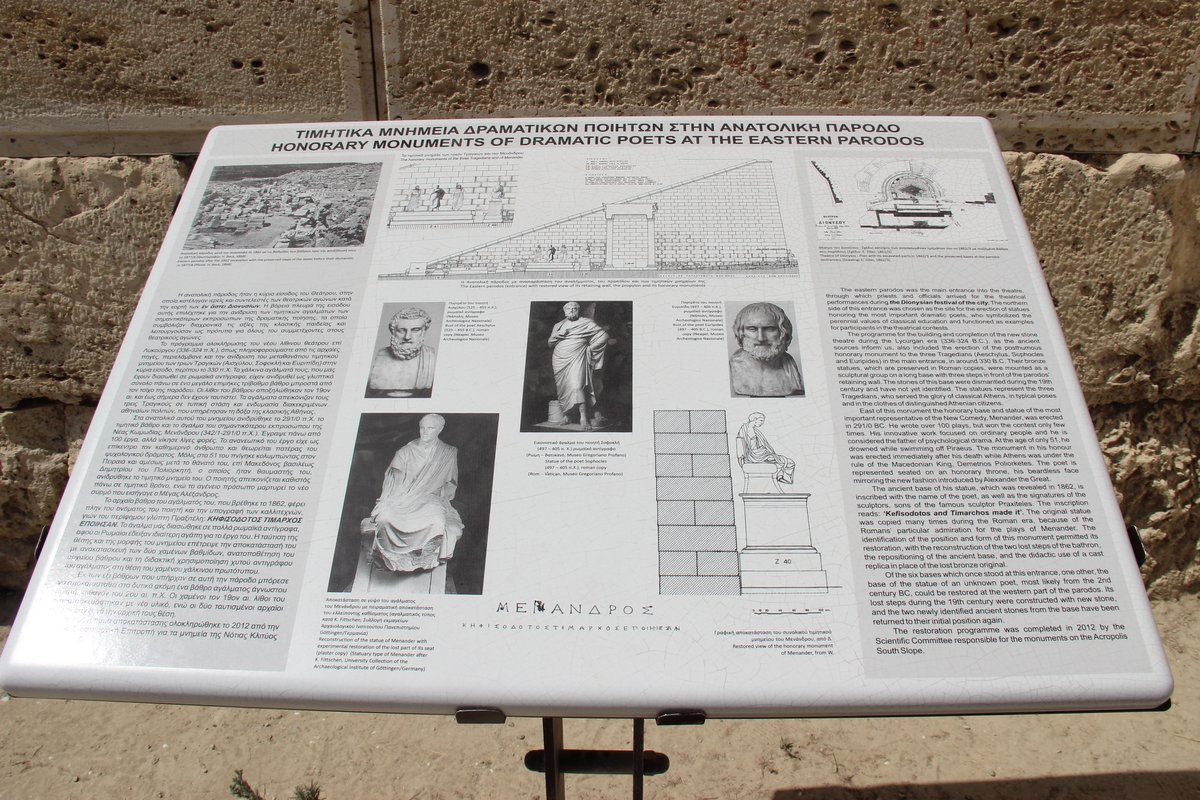
The Odeon of Herodes Atticus, constructed in 161 AD by Herodes Atticus in memory of his wife Regilla, is a marvel of Roman-era architecture. Its exceptional acoustics, elegant marble seating, and once-cedar roof made it a premier venue for music and spectacle, seating approximately 5,000 spectators (thearchaeologist.org; opatours.com). Nearby, the Ancient Theatre of Dionysus—often identified as the Antitheatro—holds the distinction of being the birthplace of Greek drama, situated just below the Acropolis (destinationabroad.co.uk).
Today, these theaters are not only preserved as historical sites but remain integral to Athens’ cultural life, hosting the Athens & Epidaurus Festival and a range of contemporary performances that connect the city’s past with its present (sunnyathens.com; Athens Tourist Information). This guide details the Antitheatro’s history, practical information, travel tips, and cultural highlights—equipping you for a memorable visit.
- Historical Context of the Antitheatro (Odeon of Herodes Atticus)
- Architectural Significance
- Practical Visitor Information
- Travel Tips and Nearby Attractions
- Cultural and Symbolic Importance
- Notable Facts and Figures
- Enduring Legacy
- The Ancient Theatre of Dionysus: Visiting Guide
- Events & Modern Antitheatro
- FAQs
- Summary and References
1. Historical Context of the Antitheatro (Odeon of Herodes Atticus)
Roman Athens and the Construction of the Odeon
The Odeon of Herodes Atticus, one of Roman Athens’ most significant monuments, was built by the affluent Herodes Atticus in 161 AD to honor his wife Regilla. Its construction exemplifies the city’s transition into a cosmopolitan Roman hub, marked by flourishing public works like the Roman Agora and the Tower of the Winds (thearchaeologist.org; eskapas.com).
Function and Role in Ancient Society
Unlike the open-air Theatre of Dionysus, the Odeon was originally covered with a cedar roof, offering superior acoustics and year-round performances. Its 5,000-capacity made it ideal for intimate, high-status gatherings, poetry, and music, reinforcing Athens’ status as a center for the arts (opatours.com). Its location on the Acropolis’ southern slope symbolically linked it to the city’s religious and civic heart (designboom.com).
2. Architectural Significance
The Odeon’s semi-circular design fuses Roman and Greek theater traditions, integrating into the Acropolis’ slope (acropolis-greece.com). The seating (cavea) is hewn from Pentelic marble, with an elaborately decorated skene (stage building). The now-lost cedar roof was an engineering feat, enhancing the famed acoustics (opatours.com).
Exceptional acoustics ensured every note and word reached the audience, a feature still celebrated by today’s performers (athenscabs.com). The theater’s restored state, following 1950s conservation, now accommodates regular performances, making it a rare ancient venue in continuous artistic use (sunnyathens.com).
3. Practical Visitor Information
Visiting Hours:
Open year-round. High season (April–October): 8:00 AM–7:00 PM; low season (November–March): reduced hours. Performance times vary—consult festival schedules (sunnyathens.com).
Tickets:
General sightseeing: €10–€20, available on-site or online. Combined tickets include other Acropolis monuments. Performance tickets vary by event; early purchase is advised. Discounts for students, seniors, and groups.
Accessibility:
Partial wheelchair access; ramps and reserved seating are available. Contact the venue for detailed information.
COVID-19 Guidelines:
Check for current safety protocols and requirements before your visit.
4. Travel Tips and Nearby Attractions
- Getting There: Located on Dionysiou Areopagitou Street, near Acropolis Metro Station (Line 2). Limited parking; public transit is recommended.
- Recommended Visit Duration: 1–1.5 hours, including time for nearby sites.
- Nearby Attractions: Acropolis Museum, Theatre of Dionysus, Parthenon, Ancient Agora, and the Plaka neighborhood.
5. Cultural and Symbolic Importance
The Antitheatro is a living monument, blending ancient history with Athens’ modern artistic life. Its programming—spanning opera, classical music, and avant-garde works—demonstrates the city’s ongoing commitment to the arts (sunnyathens.com). The Odeon’s survival through wars and social upheaval is a testament to Athens’ resilience (eskapas.com). Architecturally, it enhances the historic center, harmonizing with the Acropolis and attracting global visitors (designboom.com).
6. Notable Facts and Figures
- Construction: 161 AD
- Patron: Herodes Atticus
- Capacity: ~5,000 spectators
- Materials: Pentelic marble, cedar of Lebanon (roof, now gone)
- Restoration: 1950s
- Current Use: Athens & Epidaurus Festival and major events
- Location: Southern slope of the Acropolis, Dionysiou Areopagitou Street (athenscabs.com)
7. Enduring Legacy
The Odeon of Herodes Atticus stands as a symbol of architectural ingenuity and cultural continuity, bridging ancient and modern Athens. Its active use as a performance venue keeps history alive for new generations (opatours.com).
8. The Ancient Theatre of Dionysus: Visiting Guide
Location and Access
Near the Acropolis Museum and Parthenon, the Ancient Theatre of Dionysus is a short walk from the Acropoli metro station (destinationabroad.co.uk).
Visiting Hours & Ticket Information
Open daily: April–October, 8:00 AM–8:00 PM (last entry 30 minutes before closing); November–March, 8:00 AM–5:00 PM. Check official Acropolis website for updates (realgreekexperiences.com).
Tickets: Included with Acropolis general admission (€20 high season, €10 low season). Combined tickets available for multiple sites. Book online to avoid queues (destinationabroad.co.uk).
Best Times to Visit
May, June, September, and October offer the best weather and fewer crowds (davestravelpages.com). In summer, visit early or late to avoid heat.
Accessibility
The site features uneven terrain and ancient steps—wear sturdy shoes. Accessibility is limited, though ramps and lifts are present in parts of the Acropolis complex (realgreekexperiences.com).
Visitor Tips
- Essentials: Bring water, sun protection, comfortable clothing, and a camera.
- Crowd Management: Arrive early or visit during shoulder seasons.
- Facilities: Restrooms at the Acropolis entrance; limited Wi-Fi—download maps in advance.
Guided Tours & Events
Licensed guides and audio tours are available (realgreekexperiences.com). The Odeon nearby hosts live events during the Athens & Epidaurus Festival (athensfestival.gr).
Nearby Attractions
Combine your visit with the Acropolis Museum, Ancient Agora, Plaka, and Monastiraki (destinationabroad.co.uk).
9. Events & Modern Antitheatro
The Antitheatro, in a contemporary context, supports both heritage and innovation. It is a platform for Greek and international theater, music, and dance, with programming that fosters inclusivity and community engagement (Athens Tourist Information; Impact Hub Athens). The venue hosts thematic events, workshops, and international collaborations, linking ancient tradition to modern creativity (Greek City Times).
Ticket prices typically range from €10–€30, with discounts for students, seniors, and groups. Many performances include English surtitles or programs.
Location & Access:
Centrally located, accessible by metro, bus, and on foot from major landmarks. Facilities and accessible seating are provided; contact the venue for details.
Sustainability:
By drawing audiences beyond the city’s busiest districts, the Antitheatro supports sustainable tourism and local communities (Real Greek Experiences; Eteron).
10. Frequently Asked Questions (FAQs)
Q: What are the Odeon of Herodes Atticus visiting hours?
A: Generally 8:00 AM–7:00 PM in high season, shorter in low season. Performance times are event-specific.
Q: How much do tickets cost?
A: General entry: €10–€20; performance tickets vary.
Q: Is the theater accessible for wheelchair users?
A: Partial accessibility; contact the venue for assistance.
Q: Are guided tours available?
A: Yes, through various providers.
Q: Can I attend concerts at the Odeon?
A: Yes, during festivals and special events—book early.
Q: What are the Ancient Theatre of Dionysus’s opening hours?
A: April–October, 8:00 AM–8:00 PM; November–March, 8:00 AM–5:00 PM.
Listen to the full story in the app
The whole Antitheatro,
told well.
Listen to sourced travel stories with local history and practical context — ready offline.

Verified, and shown.
Researched and written by the Audiala editorial team from historical records, architectural archives, and local expertise.
Built from cited sources · see the method · How we make our guides →