Plan and listen to Ancient Agora Of Athens with Audiala.
Audio guide in your pocket, itinerary in your browser. Built for the way you actually visit.
Introduction
The Ancient Agora of Athens is a cornerstone of Greek history and heritage, renowned as the cradle of democracy, philosophy, and civic engagement. Situated northwest of the Acropolis, the Agora flourished as the heart of ancient Athenian life from the 6th century BCE onward. Today, it stands as a sprawling archaeological park, inviting visitors to explore its monuments, museums, and storied past. This guide offers detailed insights into the Agora’s history, major attractions, visiting hours, ticketing, accessibility, tours, and practical travel tips—helping you make the most of your journey into Athens’ ancient world (The Chaos Diaries; The Archaeologist).
The Ancient Agora evolved from a Bronze Age burial ground into the nucleus of Athens’ commercial, political, and social life. Its open spaces and surrounding buildings hosted marketplaces, assemblies, courts, and festivals. The Agora was where citizens gathered to debate policy, vote on legislation, and engage in philosophical discourse. It also housed key democratic institutions, including the Bouleuterion (council chamber) and Heliaia (law courts), and welcomed philosophical giants like Socrates and Plato (The Chaos Diaries; The Archaeologist).
The Agora’s significance extended beyond politics; it was also a religious and cultural center, featuring temples, shrines, and the route of the Panathenaic Festival. Over centuries, it adapted to Roman, Byzantine, and Ottoman influences, each leaving their mark on the site’s fabric (Nomadicated; History Hit).
Main Attractions and Monuments
Temple of Hephaestus
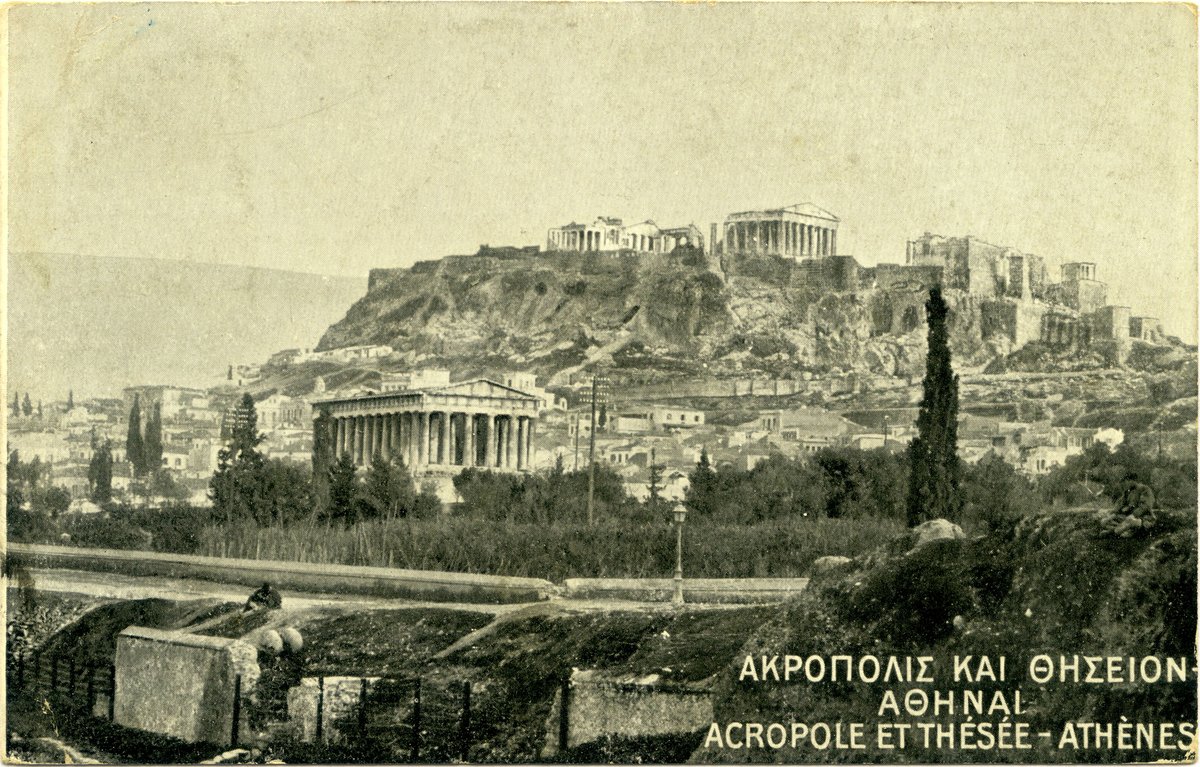
Located on the Agora’s western edge, the Temple of Hephaestus is the best-preserved Doric temple in Greece. Built between 449 and 415 BCE, it was dedicated to Hephaestus, god of metalworking, and Athena Ergane, patroness of crafts. Its 34 marble columns, sculpted friezes, and panoramic views of the Agora and Acropolis make it a highlight for visitors. The temple’s continued use as a church preserved its structure (Clio Muse Tours; Travel the Greek Way).
Stoa of Attalos & Museum of the Ancient Agora
Reconstructed in the 1950s, the Stoa of Attalos exemplifies Hellenistic architecture. Originally a covered walkway and shopping arcade, it now houses the Museum of the Ancient Agora. Exhibits include pottery, coins, inscriptions, statues, and historical artifacts spanning thousands of years, providing vital context for the site’s daily life and political history (History Hit; Travel the Greek Way).
Bouleuterion and Civic Buildings
The Bouleuterion, seat of the 500-member Boule (city council), was central to Athenian democracy. Nearby, the Tholos served as the headquarters for the council’s executive committee, and the Metroon housed city archives. The Panathenaic Way, cutting diagonally through the Agora, was the ceremonial route for the city’s grandest festival (The Collector; Clio Muse Tours).
Religious and Roman Structures
Several temples and shrines dot the Agora, including the Altar of the Twelve Gods and the Temple of Apollo Patroos. The Temple of Ares was relocated to the Agora during the Roman era. The Odeon of Agrippa, a Roman concert hall, and the Monument of the Eponymous Heroes reflect the site’s evolving civic and cultural functions (danielasantosaraujo.com; The Collector).
Byzantine and Later Additions
The Church of the Holy Apostles, dating to the 10th century CE, is a well-preserved Byzantine monument within the Agora, marking the site’s continued sacred use into the Medieval era (Travel the Greek Way).
Visitor Information
Opening Hours & Tickets
- Summer (April–October): 8:00 AM – 8:00 PM
- Winter (November–March): 8:00 AM – 3:00 PM
- Closed: January 1, March 25, Easter Sunday, May 1, December 25 & 26
- Last entry: 20 minutes before closing
Admission:
- Standard: €10
- Reduced: €5 (students, seniors, etc.)
- Combined ticket: €30 (valid for 5 days, includes 7 major sites)
- Free entry on select days (e.g., March 6, April 18, May 18, last weekend of September, October 28) (danielasantosaraujo.com; Greek Ministry of Culture and Sport)
Tickets: Purchase on-site or online via the official ticket office.
Accessibility
The Agora offers paved paths and ramps for easier access, though some ancient surfaces remain uneven. The Museum of the Ancient Agora is wheelchair accessible. For detailed information, check with site staff in advance (thebettervacation.com).
Getting There
- Metro: Monastiraki (Lines 1 & 3) and Thision stations are a short walk away.
- By Foot: Easily reached from the Acropolis and Plaka.
- Parking: Limited; public transport is recommended.
Guided Tours & Audio Guides
Guided tours are available in multiple languages and offer in-depth exploration of the site. Audio guides and mobile apps (such as Audiala) provide flexible, self-paced options, some enhanced with augmented reality features (opatours.com).
Facilities & Amenities
- Restrooms: Near the main entrance and in the museum
- Gift shops: At the entrance and in the Stoa of Attalos
- Benches and shaded areas: Limited, but available
- Water: Bring your own, especially in summer
Photography Tips
Photography is allowed throughout the Agora. The Temple of Hephaestus, the Stoa of Attalos, and the Panathenaic Way are especially photogenic. Early morning and late afternoon provide the best light. Tripods and flash are generally not permitted (thebettervacation.com).
Practical Travel Tips
- Wear comfortable, sturdy shoes for uneven ground.
- Bring water, a hat, and sunscreen for summer visits.
- Pets on leash are permitted; only service animals allowed in some areas.
- Visit in spring or autumn for pleasant weather and fewer crowds.
- Book tickets online during peak seasons to avoid lines.
Frequently Asked Questions (FAQ)
What are the Ancient Agora visiting hours?
- 8:00 AM – 8:00 PM (summer); 8:00 AM – 3:00 PM (winter). Closed on select holidays.
How much are tickets?
- €10 standard, €5 reduced, €30 for a combined ticket. Free entry on select dates.
Is the Agora wheelchair accessible?
- Major paths and the museum are accessible; some ancient surfaces may be challenging.
Are guided tours available?
- Yes, both official tours and private providers operate on site.
Can I take photos?
- Yes, but tripods and flash are restricted.
Are there free entry days?
- Yes, including March 6, April 18, May 18, last weekend of September, and October 28.
Tickets & tours.
These are guided options from our partners — same price as booking direct.
Prices are indicative — final pricing and availability are confirmed at checkout. Audiala may earn a commission from bookings made through these links.
Listen to the full story in the app
The whole Ancient Agora Of Athens,
told well.
Listen to sourced travel stories with local history and practical context — ready offline.

Verified, and shown.
Researched and written by the Audiala editorial team from historical records, architectural archives, and local expertise.
Built from cited sources · see the method · How we make our guides →