Plan and listen to Altar Of The Twelve Gods with Audiala.
Audio guide in your pocket, itinerary in your browser. Built for the way you actually visit.
Introduction to the Altar of the Twelve Gods
The Altar of the Twelve Gods is a pivotal relic of ancient Athens, renowned for its role in religious, civic, and social life. Established in 522/1 BCE by Peisistratos the Younger, this altar in the Athenian Agora was dedicated to the twelve principal Olympian deities and functioned as both a sacred sanctuary and the city’s geographical “zero point.” Today, visitors can explore its remains within the Ancient Agora and experience a unique connection to Athens’ illustrious past.
This guide provides detailed historical background, cultural context, archaeological insights, and essential visitor information—including hours, ticketing, accessibility, and travel tips. Whether you are a history enthusiast or a first-time visitor, this resource will help you appreciate the enduring significance of the Altar of the Twelve Gods.
For official visitor information, consult resources such as the Acropolis Greece website, the Greek Ministry of Culture, and guides like Real Greek Experiences.

Origins and Construction
The Altar of the Twelve Gods, also called the Sanctuary of the Twelve Gods, was established in 522/1 BCE by Peisistratos the Younger (acropolis-greece.com). Built in the northwest corner of the Classical Agora, it was among the first monumental religious structures in Athens’ civic center (medium.com). The altar was a large rectangular platform, edged by a low marble parapet, and featured steps for worshippers to approach and offer sacrifices (ekathimerini.com). Inscriptions and reliefs confirm its dedication to the Olympian gods.
The Twelve Olympian Gods
The altar was consecrated to the principal deities: Zeus, Hera, Poseidon, Demeter, Athena, Apollo, Artemis, Ares, Aphrodite, Hermes, Hephaestus, and either Hestia or Dionysus (wikipedia.org). This collective dedication unified Athens’ spiritual aspirations and symbolized civic harmony and political legitimacy for the Peisistratid dynasty (acropolis-greece.com).
Civic and Geographic Role
Beyond its religious role, the altar served as Athens’ official “zero point”—the reference from which all city distances were measured (thisisathens.org). Its central placement in the Agora made it integral to public ceremonies and reinforced the interconnectedness of sacred and civic life.
Sanctuary and Refuge
The altar provided sanctuary for those seeking asylum, playing a vital role in Athenian justice and protection. Notable cases include the people of Plataea in 519 BCE and figures like Phidias and Callistratus during political unrest (acropolis-greece.com).
Historical Changes and Archaeological Rediscovery
The altar’s prominence waned during later Roman and Christian eras, suffering destruction in the Persian invasion (480–479 BCE) but subsequently restored (ekathimerini.com). In the 19th and 20th centuries, excavations—especially by the American School of Classical Studies at Athens—recovered substantial remains despite the altar being largely buried beneath the Athens-Piraeus railway (acropolis-greece.com).
Preservation efforts continue, with modern documentation and stabilization projects mitigating damage from urban infrastructure (ekathimerini.com).
Astronomical Alignments
Recent archaeoastronomical studies indicate the altar’s orientation aligns with notable lunar events, such as the full moon rise at the Midwinter Minor Standstill (academia.edu). This reflects the ancient Greeks’ integration of astronomy into religious architecture and ritual calendars (stellarhousepublishing.com).
Visiting Information
Hours and Tickets
The Altar of the Twelve Gods is accessible within the Ancient Agora site:
- Hours: Open daily, 8:00 AM to 8:00 PM (April–October); 8:00 AM to 5:00 PM (November–March). Last entry 30 minutes before closing. Hours may differ on holidays; check the official e-ticket website.
- Tickets: Standard Agora admission is about €10 for adults, with discounts for students and seniors. The Combined Ticket (€30) grants access to additional sites including the Acropolis and Roman Agora (HDND Travel).
Accessibility
- Paths: Main routes in the Ancient Agora are generally accessible but may be uneven. Direct access to the altar is limited due to its partial location beneath the railway, but viewing points are available.
- Facilities: Restrooms, drinking water, and vending machines are available in the Agora. The Stoa of Attalos houses the museum and a shop (Ancient Greece Wanderings).
Getting There
- Metro: Monastiraki and Thissio stations are a short walk away.
- Bus: Several lines stop nearby.
- Parking: Limited availability in the area.
Guided Tours
Professional guided tours provide expert commentary on the altar and Agora. Self-guided tours with mobile apps or guidebooks are also available (Real Greek Experiences).
Nearby Attractions
Within and around the Ancient Agora, you can also visit:
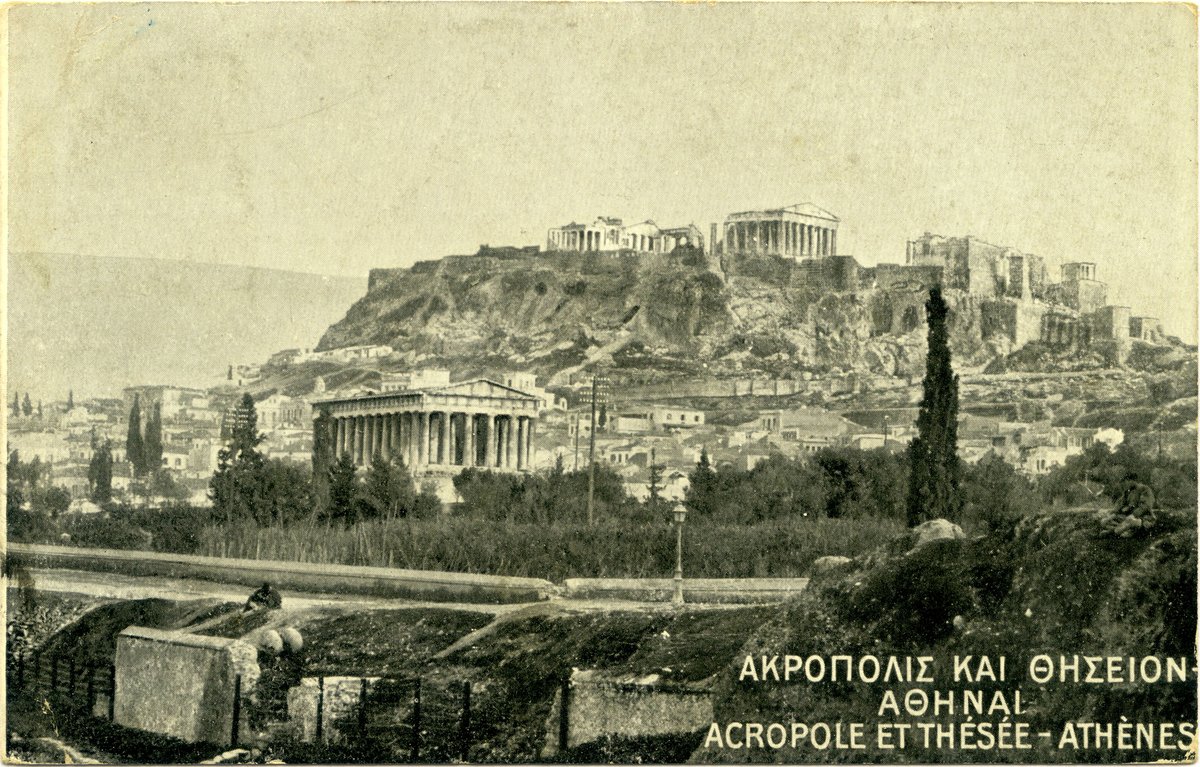
- Temple of Hephaestus: Well-preserved ancient temple.
- Stoa of Attalos: Agora Museum and restored stoa.
- Roman Agora: Roman-era marketplace.
- Acropolis: Iconic hilltop citadel.
- Plaka & Psirri: Historic neighborhoods with shops and dining.
Frequently Asked Questions
Q: What are the Altar of the Twelve Gods visiting hours?
A: The Agora is open 8:00 AM–8:00 PM (April–October), 8:00 AM–5:00 PM (November–March), with last admission 30 minutes before closing.
Q: Is there a separate ticket for the altar?
A: No. Access is included in the Ancient Agora’s general ticket or the Combined Ticket.
Q: Is the site wheelchair accessible?
A: Some paths are accessible, but uneven ground and steps may restrict access. Contact the site for details.
Q: Can I photograph the altar?
A: Yes, but drones require special permission.
Q: Are guided tours available?
A: Yes. Guided and audio tours are recommended for deeper understanding.
Visitor Tips
- Dress appropriately: Wear sturdy shoes and bring a hat, sunscreen, and water—especially in summer (Real Greek Experiences).
- Purchase tickets online to avoid queues (HDND Travel).
- Visit early or late in the day to beat crowds and heat.
- Respect the site: Do not climb on ruins or remove stones.
- Combine attractions: The Combined Ticket is cost-effective for multiple sites.
- Enjoy local cuisine: Adrianou Street offers many dining options near the Agora (Ancient Greece Wanderings).
Listen to the full story in the app
The whole Altar Of The Twelve Gods,
told well.
Listen to sourced travel stories with local history and practical context — ready offline.
Verified, and shown.
Researched and written by the Audiala editorial team from historical records, architectural archives, and local expertise.
Built from cited sources · see the method · How we make our guides →