Plan and listen to Altar Of Athena Polias with Audiala.
Audio guide in your pocket, itinerary in your browser. Built for the way you actually visit.
Introduction
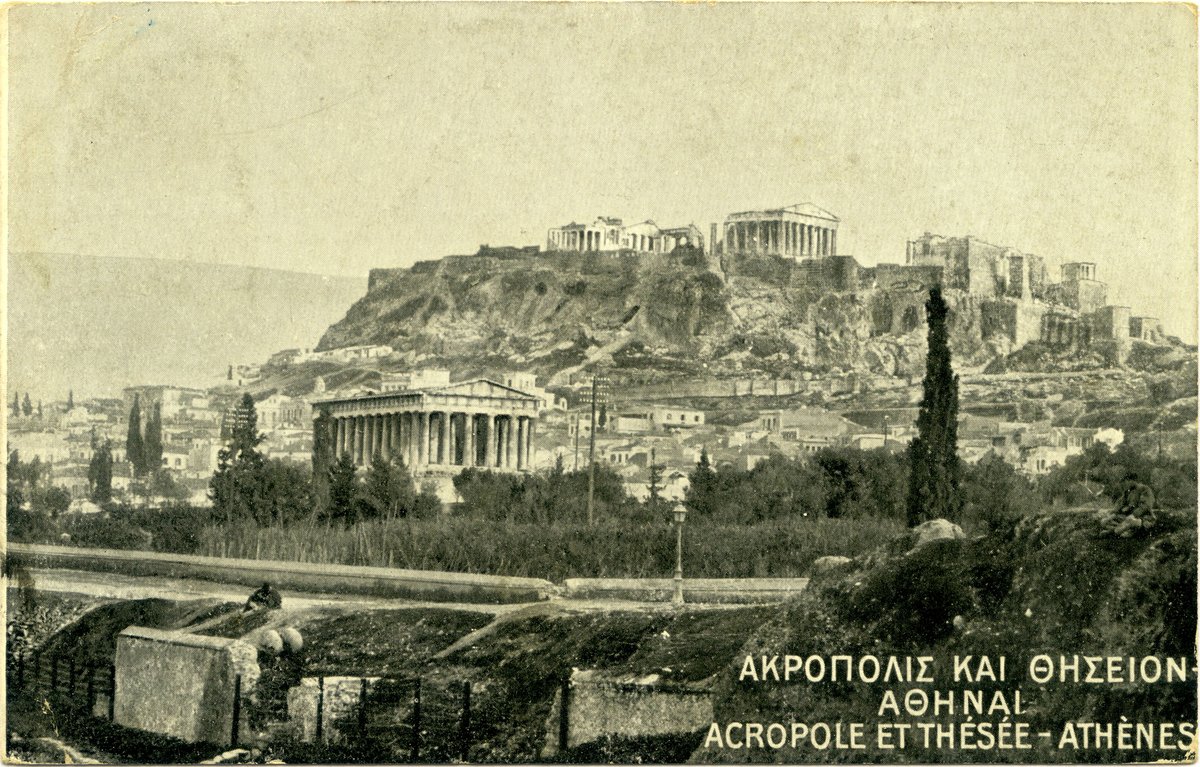
The Altar of Athena Polias, situated atop the historic Acropolis of Athens, is a timeless emblem of ancient Greek religious devotion and civic pride. Dedicated to Athena Polias—“Athena of the City”—the altar was the spiritual nucleus of Athens, intertwining myth, politics, and ritual at the very heart of the city-state. With origins as early as the Mycenaean period (13th century BCE), the altar evolved alongside Athens, surviving Persian destruction in 480 BCE and playing a central role in the city’s most important religious ceremonies, notably the Panathenaic Festival. Today, visitors to the Acropolis can explore the altar’s archaeological remains, set against the backdrop of iconic monuments like the Erechtheion and Parthenon. This guide provides a detailed overview of the altar’s history, cultural significance, practical visitor information (including hours, tickets, accessibility, and tour options), and tips for experiencing one of Athens’ most storied sites (Theoi.com; Acropolis Museum; Take Me To Europe Tours).

Historical Origins and Archaeological Context
The Altar of Athena Polias emerged as a focal point of Athenian religious life as early as the Mycenaean period. Archaeological evidence traces activity on the Acropolis back to the 13th century BCE, but the altar’s most significant phase began in the mid-6th century BCE. Traditionally, its foundations are attributed to the sons of Peisistratus (c. 525 BCE), possibly built atop an even older sanctuary. The altar was closely linked to the Old Temple of Athena Polias, which housed the city’s most sacred wooden cult statue (xoanon) of the goddess.
Both the temple and altar faced destruction during the Persian sack of Athens in 480 BCE. Subsequent rebuilding efforts preserved the altar’s sacred status, and its remains—stone foundations and architectural fragments—can still be seen near the Erechtheion, revealed through extensive 19th- and 20th-century archaeological excavations (Theoi.com; Acropolis Museum).
Architectural Evolution and Cultural Significance
Positioned east of the “Old Temple” and later adjacent to the Erechtheion, the altar was a rectangular structure constructed from local limestone or marble, measuring roughly 6–8 meters long by 2–3 meters wide. Its design evolved over time, but it consistently served as the focus for worship and major festivals such as the Panathenaia.
The altar’s survival and continued use, even as monumental buildings like the Parthenon rose nearby, reflect Athens’ enduring reverence for tradition. The Erechtheion itself was constructed to preserve relics and sacred sites—including the altar—reinforcing the city’s respect for its mythic origins (Take Me To Europe Tours).
Ritual Practices and Sacred Objects
The altar’s religious significance was amplified by an array of rituals and sacred objects. During the Panathenaic Festival, one of Athens’ grandest celebrations, a procession wound through the city and culminated in the presentation of a new peplos (robe) to Athena’s statue, followed by animal sacrifices at the altar. These rites symbolized civic unity and reinforced Athena’s protective role.
Other major rituals, such as the Plynteria and Kallynteria, involved cleansing and renewing the cult statue. The altar also received dedications of war spoils and trophies after military victories, further embodying Athena’s status as the city’s guardian.
A notable feature was the sacred olive tree, believed to be planted by Athena herself. According to legend, after the Persian destruction, the tree miraculously regrew—an enduring symbol of the goddess’s favor (Theoi.com).
Civic and Political Dimensions
The Altar of Athena Polias was pivotal not only to religious but also to civic and political life in Athens. It was here that major events—including declarations of war and treaties—were sanctified under Athena’s watchful presence. The priesthoods associated with the altar, often held by women from prominent Athenian families, wielded considerable influence.
Nearby, the Areopagus court invoked Athena as a guarantor of justice, cementing her role in upholding the city’s ethical order. The altar thus stood at the intersection of religious ritual, civic identity, and political power (Theoi.com).
Artistic and Symbolic Legacy
Although only the altar’s foundations remain, its significance is preserved through art and architecture. The Acropolis Museum displays reliefs and sculptures from the Old Temple that depict Athena’s myths—her contest with Poseidon, her birth from Zeus, and her role as the city’s protector. The altar, together with the Parthenon’s monumental statue of Athena Parthenos, anchored a powerful spiritual and artistic axis on the Acropolis.
Votive offerings found at the site—terracotta figurines, inscribed plaques, and war spoils—reflect the diversity and devotion of its worshippers (Acropolis Museum).
Visiting the Altar: Practical Information
Location and Access
The Altar of Athena Polias is situated within the Acropolis archaeological site, immediately south of the Erechtheion and near the remains of the Old Temple. The Acropolis is centrally located in Athens, with main entrances on the west (near the Propylaea) and a secondary, quieter entrance on the south slope.
Visiting Hours and Tickets
- Hours: The Acropolis is open daily, typically from 8:00 a.m. to 8:00 p.m. in summer (April–October) and from 8:00 a.m. to 5:00 p.m. in winter (November–March). Last entry is 30 minutes before closing. Hours may vary due to season or special events—always check the official website before your visit.
- Tickets: Standard adult tickets start at €13–20. Reduced tickets are available for EU citizens aged 18–25 and other qualifying groups. Combined tickets for multiple archaeological sites offer additional value. Advance online purchase is strongly recommended, especially in peak season (Acropolis Tickets).
Accessibility
The Acropolis features uneven terrain and some steep, slippery areas. While ramps and accessible pathways have been installed, access to specific spots near the altar may still be challenging. The Acropolis Museum is fully accessible and contains displays related to the altar and its precinct.
Guided Tours and Audio Guides
Guided tours are highly recommended for a richer experience. Knowledgeable guides provide context on the altar’s history, its role in festivals like the Panathenaia, and the artistic legacy of the Acropolis. Audio guides are also available in multiple languages (Take Me To Europe Tours).
Nearby Attractions
- Erechtheion: A neighboring temple famous for its Caryatid porch.
- Parthenon: Athens’ most iconic structure, dedicated to Athena Parthenos.
- Acropolis Museum: Houses sculptures and artifacts from the Acropolis, including those related to the altar.
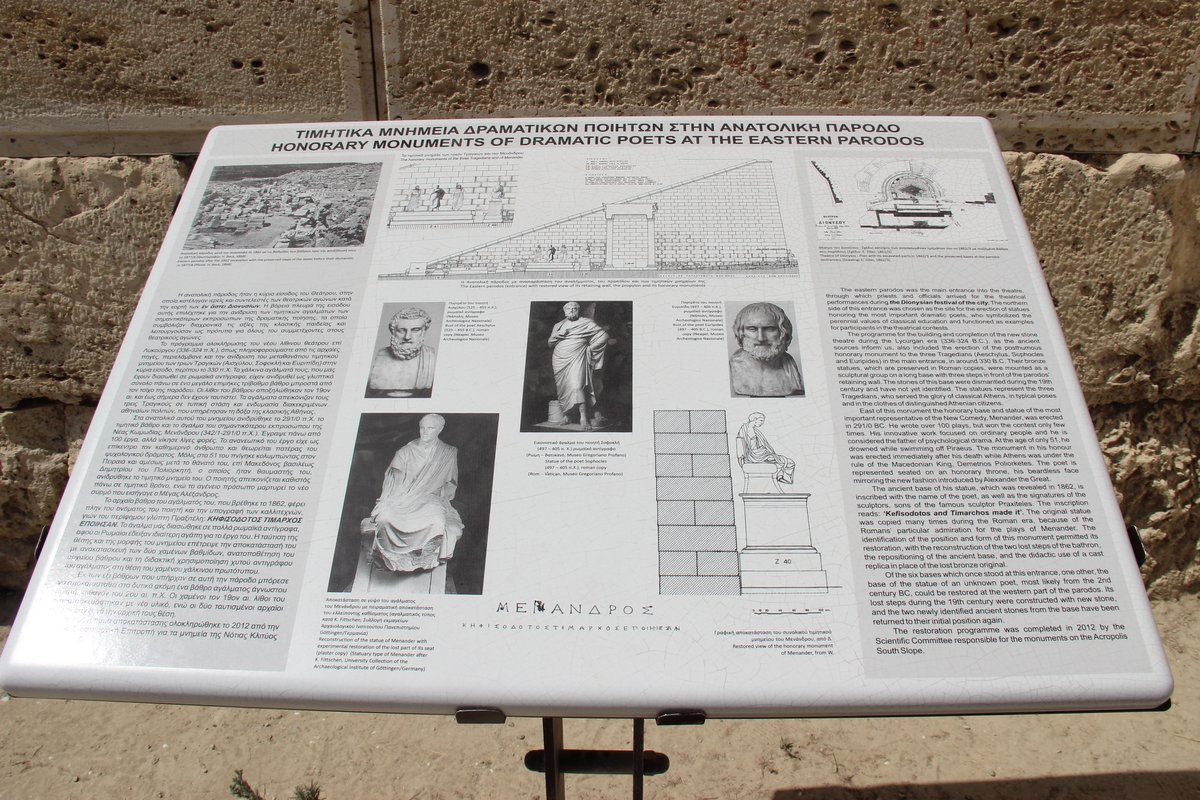
- Theater of Dionysus: The birthplace of Greek drama, located on the Acropolis’ southern slope.
Visitor Tips
- Best Time to Visit: Spring (April–May) and autumn (September–October) offer mild weather and fewer crowds.
- Footwear: Wear sturdy, non-slip shoes for rocky surfaces.
- Essentials: Bring water, sunscreen, and a hat; shade is minimal on the Acropolis.
- Photography: Allowed, but use of tripods and drones is restricted.
- Bags: Large backpacks must be checked; carry only essentials.
Frequently Asked Questions (FAQ)
Q: Can I visit the Altar of Athena Polias separately?
A: No, it is within the Acropolis archaeological site and accessible with a standard Acropolis ticket.
Q: Are there guided tours focused on the altar?
A: Yes, many Acropolis tours include the altar and provide detailed historical background.
Q: Is the site wheelchair accessible?
A: The Acropolis has some accessible routes and ramps, but the terrain remains challenging. The Acropolis Museum is fully accessible.
Q: Are special events or festivals held at the altar today?
A: While ancient rituals are no longer performed, occasional cultural events and reenactments take place on the Acropolis.
Q: Can I take photos at the altar?
A: Yes, photography is permitted.
Summary and Next Steps
Visiting the Altar of Athena Polias provides a tangible link to the spiritual and civic foundations of ancient Athens. With its proximity to major monuments and the Acropolis Museum, the site offers a holistic perspective on Athens’ religious rituals, artistic achievements, and enduring myths. Careful planning—regarding hours, tickets, accessibility, and tours—ensures a rewarding and memorable visit. Connect with Athens’ rich heritage by exploring the Altar of Athena Polias, and use the recommended resources to enhance your journey (Theoi.com; Acropolis Museum; Athens Tourism Official Website).
Listen to the full story in the app
The whole Altar Of Athena Polias,
told well.
Listen to sourced travel stories with local history and practical context — ready offline.
Verified, and shown.
Researched and written by the Audiala editorial team from historical records, architectural archives, and local expertise.
Built from cited sources · see the method · How we make our guides →