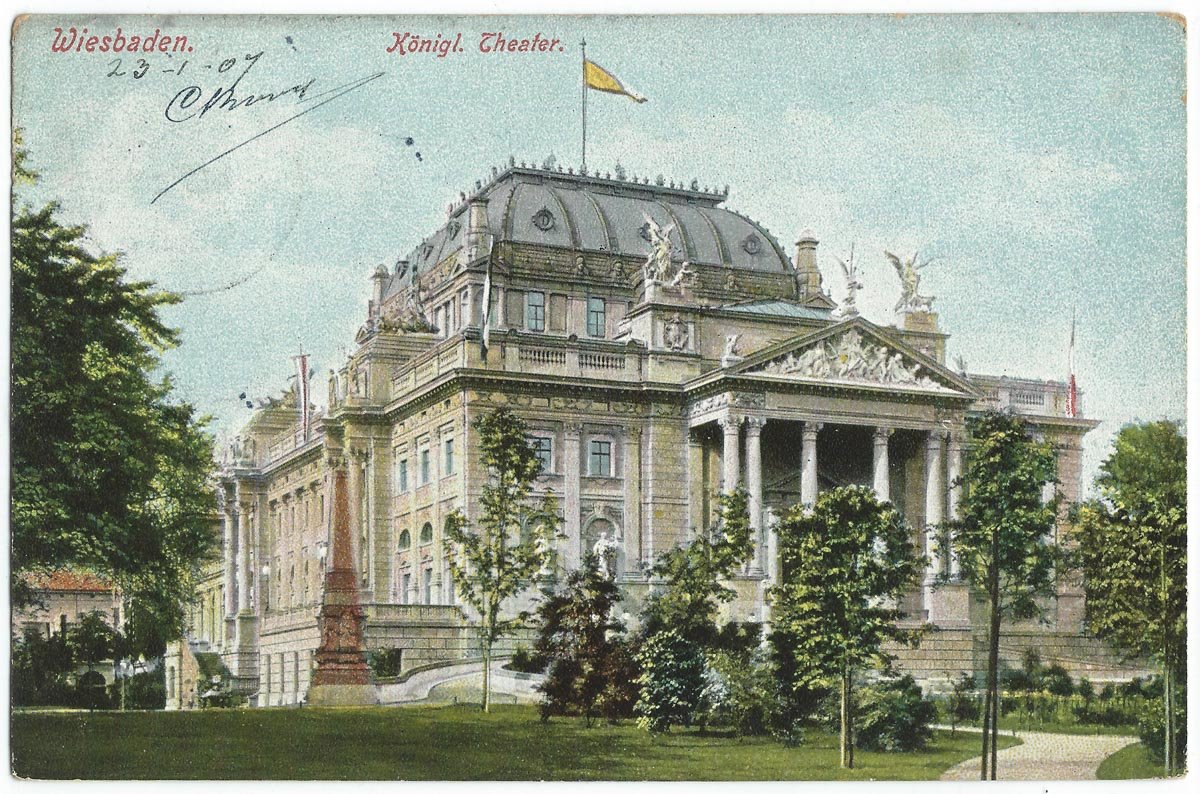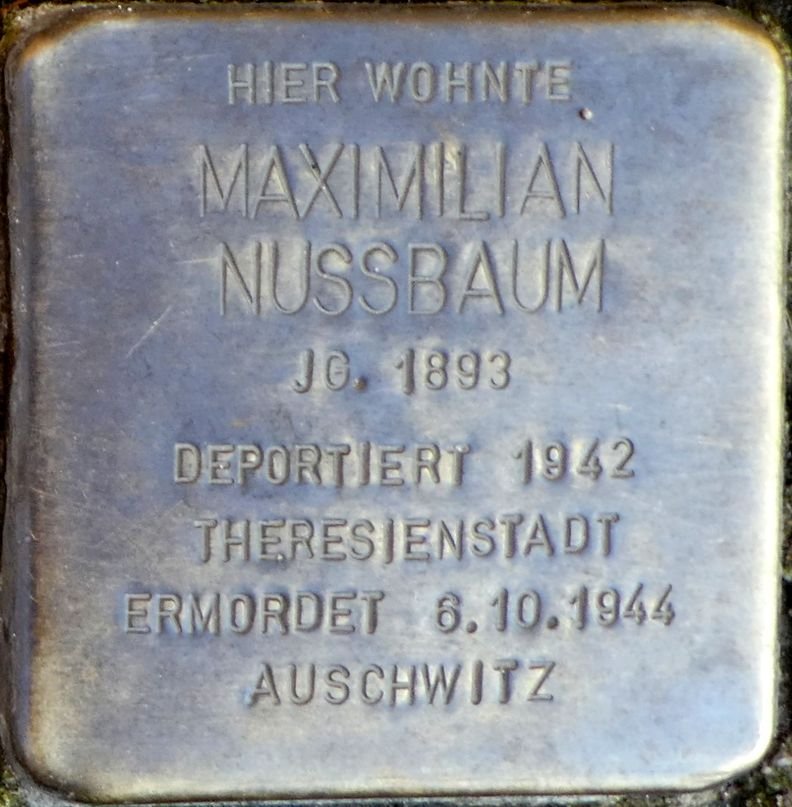
Plan and listen to Stolperstein Dedicated To Maximilian Nussbaum with Audiala.
Audio guide in your pocket, itinerary in your browser. Built for the way you actually visit.
Introduction
The Stolpersteine (“stumbling stones”) project is the world’s largest decentralized Holocaust memorial, commemorating individuals persecuted or murdered by the Nazi regime. Initiated by artist Gunter Demnig in the 1990s, these small brass plaques—each meticulously engraved with a victim’s details—are embedded in public sidewalks across Europe. Wiesbaden, with one of the largest collections in Germany, invites visitors to engage intimately with this history through its Stolpersteine network. This guide offers comprehensive information on the significance, practicalities, and respectful visitation of the Stolpersteine in Wiesbaden, including considerations specific to the Stolperstein often referenced in connection with the name Maximilian Nussbaum (fabriziomusacchio.com; wiesbaden-lebt.de; am-spiegelgasse.de).

Origins and Purpose of the Stolpersteine Project
The Stolpersteine project, meaning “stumbling stones,” was conceived by Gunter Demnig in the 1990s to offer a decentralized, personal form of remembrance. The first stone was laid unofficially in Cologne in 1996, on the anniversary of Himmler’s Auschwitz Decree, underlining the project’s grassroots and activist roots (fabriziomusacchio.com). Each 10 x 10 cm brass plaque is hand-engraved with the name, birth year, fate, and, if known, date and place of death of a victim. The stones are set flush with the pavement, usually in front of the last freely chosen residence or workplace, integrating memory into daily urban life and inviting passersby to literally “stumble” upon history.
The project’s philosophy emphasizes moving beyond abstract statistics, compelling reflection on individual stories and encouraging a sense of communal responsibility to honor and remember the victims.
Victims Commemorated by Stolpersteine
While the majority of Stolpersteine honor Jewish victims, the project also commemorates Sinti and Roma, people with disabilities, political dissidents, Jehovah’s Witnesses, homosexuals, and other groups targeted by the Nazis (fabriziomusacchio.com). Stones are sponsored by individuals, families, schools, and organizations—often after significant research and community involvement—linking past and present through educational and commemorative activities.
Stolpersteine in Wiesbaden: Locations & Significance
Wiesbaden is home to over 620 Stolpersteine, making it one of the leading cities in Germany for this form of memorialization. Each stone marks a site of personal history and loss, such as the Stolperstein at Webergasse 46 for Max Kassel, or those dedicated to members of Wiesbaden’s Jewish community and other persecuted groups (tracesofwar.com).
Clarification: Maximilian Nussbaum
As of June 2025, there is no Stolperstein in Wiesbaden or elsewhere dedicated to a person named Maximilian Nussbaum. Any confusion may arise from similarly named victims or contemporary individuals. The guide’s practical advice applies to all Stolpersteine in Wiesbaden, regardless of individual name.
Planning Your Visit: Hours, Access, and Etiquette
Visiting Hours & Tickets
Stolpersteine are installed in public sidewalks and are accessible 24 hours a day, year-round, free of charge. There are no tickets or entry fees required. For optimal viewing and reflection, visit during daylight hours. Early mornings or late afternoons tend to be quieter, especially in residential areas.
How to Find Stolpersteine in Wiesbaden
- Apps and Online Maps: Download the Stolpersteine Wiesbaden app or use the Stolpersteine Guide for interactive maps and biographies.
- Printed Brochures and Maps: Obtain at tourist centers or from the Aktives Museum Spiegelgasse.
Directions & Accessibility
Most Stolpersteine are concentrated in central neighborhoods and are easily accessible by public transportation or on foot. Wiesbaden’s sidewalks are generally accessible, but older streets may have uneven surfaces. Wheelchair users should check routes in advance and can request assistance from local tourist information services.
Visitor Etiquette
- Respectful Conduct: Pause to read inscriptions, avoid stepping directly on the stones, and engage in quiet reflection.
- Photography: Allowed, but please be discreet and respectful of residents’ privacy.
- Cleaning Rituals: Participating in cleaning Stolpersteine with a soft cloth, particularly on remembrance days, is a meaningful tradition (wiesbaden-lebt.de).
- Leave No Trace: Avoid placing objects that may damage or obscure the stones.
Guided Tours
The Wiesbaden Tourist Information office and local museums offer regular guided Stolpersteine tours, led by knowledgeable historians. These tours provide context and personal stories, enriching the experience. Booking in advance is recommended, especially during remembrance events or peak tourist seasons (Tourismus Wiesbaden).
Community Engagement
Organizations like “Wiesbaden Engagiert!” and the Aktives Museum Spiegelgasse host events, cleaning days, and ceremonies that invite public participation (am-spiegelgasse.de). Public installations often include biography readings and moments of silence.
Educational Initiatives
Schools and community groups use Stolpersteine as educational tools, conducting research and participating in ceremonies. Museums and academic institutions offer exhibitions, lectures, and public discussions linked to the memorials.
Frequently Asked Questions (FAQ)
What are Stolpersteine?
Small brass plaques embedded in sidewalks, commemorating individuals persecuted by the Nazi regime.
Do I need tickets to visit?
No. Stolpersteine are freely accessible in public spaces 24/7.
Are guided tours available?
Yes. Check with the Wiesbaden Tourist Information or local museums for schedules and ticket details.
How do I find specific Stolpersteine?
Use digital tools like the Stolpersteine Wiesbaden app or printed maps from museums.
Are there Stolpersteine for Maximilian Nussbaum?
No. There is currently no Stolperstein in Wiesbaden or elsewhere for Maximilian Nussbaum.
Visitor Recommendations and Summary
Visiting Wiesbaden’s Stolpersteine offers a profound opportunity to reflect on the Holocaust and honor its victims in a personal way. These memorials embed memory and history within the city’s daily life, fostering understanding and vigilance against intolerance. Guests are encouraged to download the Stolpersteine Wiesbaden app, participate in guided tours or community events, and approach each stone with respect and thoughtful reflection. Community involvement, educational initiatives, and accessible resources ensure that Wiesbaden’s Stolpersteine remain a living memorial for generations to come (tracesofwar.com; wiesbaden-lebt.de; am-spiegelgasse.de).
Listen to the full story in the app
The whole Stolperstein Dedicated To Maximilian Nussbaum,
told well.
Audio guides for 1,100+ cities across 96 countries. History, stories, and local insight — offline ready.
Verified, and shown.
Researched and written by the Audiala editorial team from historical records, architectural archives, and local expertise.
Researched from Wikidata, Wikipedia & official sources · fact-checked · How we make our guides →