Plan and listen to Stolperstein Dedicated To Max Ebbe with Audiala.
Audio guide in your pocket, itinerary in your browser. Built for the way you actually visit.
Introduction
The Stolpersteine ("stumbling stone") project is a powerful decentralized memorial initiative commemorating the victims of Nazi persecution. In Wiesbaden, Germany, these small brass plaques embedded in sidewalks—each bearing a victim’s name—serve as poignant reminders of lives disrupted and destroyed during the Holocaust. The Stolperstein dedicated to Max Ebbe offers a tangible and personal connection to this history, inviting visitors to engage with Wiesbaden's Jewish heritage and the broader narrative of remembrance. This detailed guide provides essential information on visiting the Max Ebbe Stolperstein, including historical context, cultural significance, practical tips, accessibility, ethical considerations, and digital tools to enhance your experience.

Historical Background of the Stolperstein for Max Ebbe
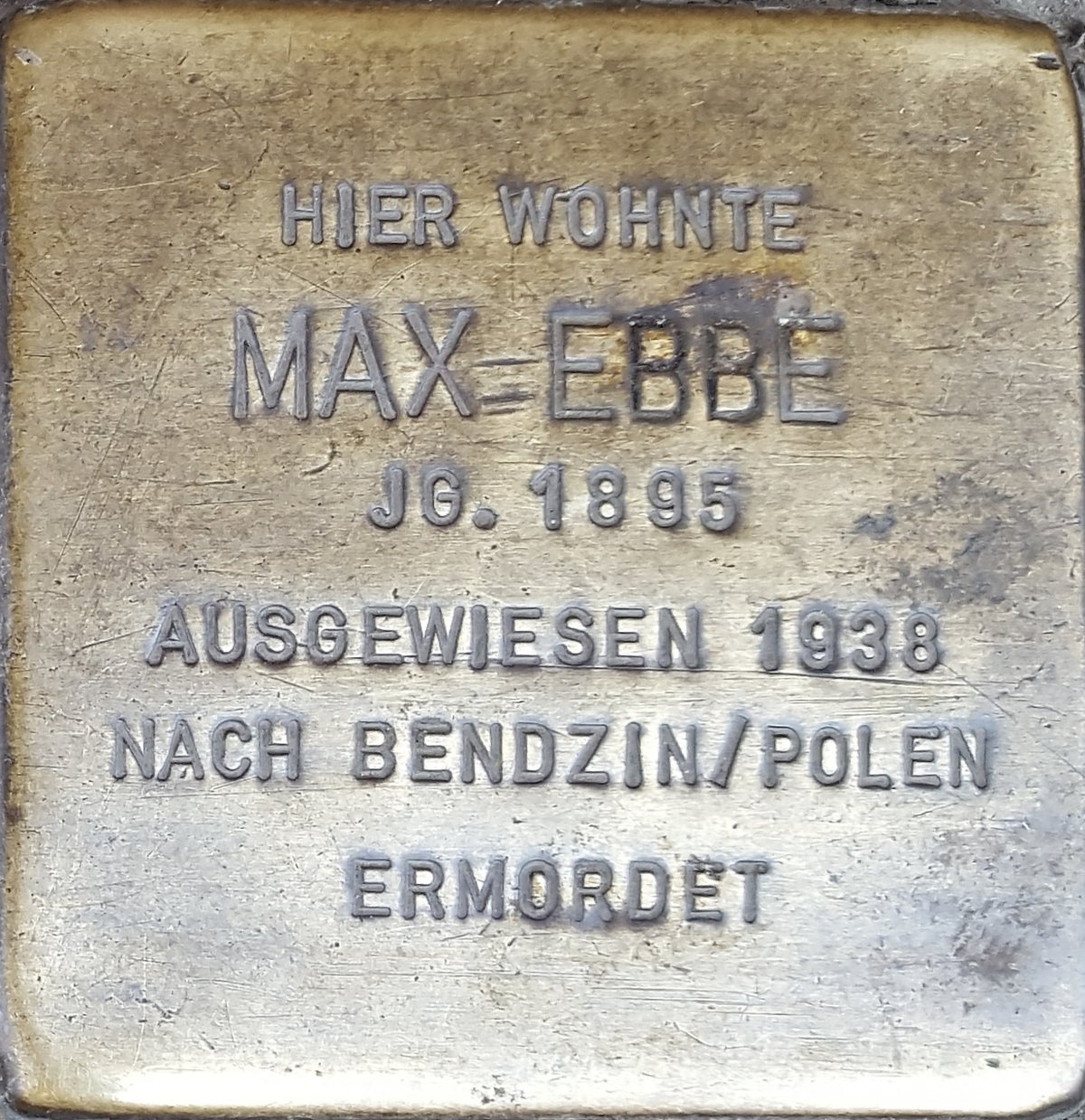
The Stolpersteine project was initiated by German artist Gunter Demnig in 1992 in Cologne, evolving into the world’s largest decentralized memorial with over 100,000 stones installed in more than 25 countries as of 2025 (Stolpersteine.eu; Wikipedia). Each Stolperstein is a 10x10 cm concrete block topped with a hand-engraved brass plate, inscribed with the victim’s name, birth year, fate, and, if known, date and place of death.
Max Ebbe was a Jewish resident of Wiesbaden whose life, like many others, was tragically ended by the Holocaust. While specific biographical details may be limited, the presence of his Stolperstein at Oranienstraße 43 marks his last freely chosen address and serves as a daily reminder of individual loss and the city’s once-vibrant Jewish community (TracesOfWar).
Cultural and Social Significance
Memorialization and Public Memory
Stolpersteine transform remembrance from a passive to an active process. Positioned in public spaces, they democratize memory, inviting passersby to pause and "stumble" upon history during their daily routines. The act of reading a name in the pavement personalizes the tragedy and embeds it in the urban landscape, ensuring victims like Max Ebbe are never forgotten (Stolpersteine.eu).
Educational Impact
In Wiesbaden, schools often incorporate Stolpersteine into curricula, encouraging students to research the lives behind the stones. Guided tours and educational materials deepen visitors’ understanding of the Holocaust and its local impact (Wiesbaden.de).
Community Involvement
The installation of a Stolperstein is typically a community event involving local residents, descendants, and officials. Ceremonies often feature readings, music, and moments of silence, fostering collective responsibility and remembrance (Spiegelgasse Museum).
Visiting Information: Hours, Tickets, and Practical Details
Visiting Hours and Ticket Information
The Max Ebbe Stolperstein is an outdoor memorial, accessible 24 hours a day, 7 days a week. There are no entry fees or ticket requirements—visitors can pay their respects at any time (Stolpersteine.eu).
Location and Accessibility
- Address: Oranienstraße 43, Wiesbaden, Germany (TracesOfWar)
- Access: The site is centrally located and reachable by foot, bicycle, or Wiesbaden’s efficient public transit. Nearby bus and tram stops make it easy to visit.
- Parking: Limited and often paid; public parking garages or park-and-ride options are recommended.
- Physical Accessibility: Embedded flush in the sidewalk, the Stolperstein is generally accessible to wheelchair users and those with mobility aids, though some pavements may be uneven (Wiesbaden Lebt).
Best Time to Visit
While the Stolperstein can be visited at any time, daylight hours are recommended for visibility and safety. Special remembrance dates such as International Holocaust Remembrance Day (January 27) and Kristallnacht (November 9) are particularly meaningful, often accompanied by community cleaning or commemoration activities (Folklife Magazine).
Visitor Etiquette and Tips
- Respectful Behavior: Pause, read the inscription, and reflect quietly. Placing a small stone or flower is a traditional sign of respect.
- Photography: Discreet photography is permitted; avoid blocking the sidewalk or including private individuals without consent.
- Cleaning: On remembrance days or during community events, gently cleaning the plaque with a soft cloth is appreciated.
- Group Visits: Keep groups small to avoid obstructing pedestrian flow; guided tours can be arranged through local organizations like the Aktives Museum Spiegelgasse (Spiegelgasse Museum).
Nearby Historical Sites
- Museum Wiesbaden: Exhibits on local history and Jewish heritage (TouristPlaces.Guide)
- Marktkirche: Iconic church and site of commemorative events
- Kurhaus: Historic spa building and city landmark
Stolpersteine in Contemporary Wiesbaden
Ongoing Commemoration
Wiesbaden continues to expand its Stolpersteine project, with new stones installed as further research uncovers victims’ stories. The city’s commitment is reflected in regular ceremonies and educational collaborations (Wiesbaden.de).
Cultural Events and Remembrance Days
Events marking Holocaust Remembrance Day and Kristallnacht often feature walks, lectures, and musical tributes at Stolperstein sites, enriching the city’s culture of memory (Allevents.in).
Impact on Local Identity
Stolpersteine have become integral to Wiesbaden’s identity, promoting values of tolerance, diversity, and historical consciousness.
Ethical Debates and Controversies
Dignity and Placement
Some cities, including Munich, have banned Stolpersteine on public property, arguing that ground-level plaques are disrespectful. Alternatives like wall plaques have been adopted in these cases (euronews.com). Supporters of Stolpersteine highlight the symbolic act of stooping to read the names as a gesture of respect (lbi.org).
Inclusivity and Representation
The project commemorates Jews, Roma and Sinti, LGBTQ+ individuals, political prisoners, and others persecuted by the Nazis. However, debates persist around which victim groups to include, with some local mandates restricting eligibility (euronews.com).
Language and Historical Accuracy
Disputes over whether to use Nazi-era terminology on plaques have at times delayed installations, as seen in Wiesbaden in 2017 (am-spiegelgasse.de; wikiwand.com).
Community Involvement and Consent
Stolpersteine are sponsored by individuals or groups, with careful consultation to ensure that families and communities welcome the memorial (am-spiegelgasse.de).
Maintenance and Vandalism
Exposed to weather and foot traffic, Stolpersteine require ongoing community maintenance. The risk of neglect or vandalism is addressed by regular cleaning events and awareness campaigns (apps.apple.com).
Bureaucratic and Financial Barriers
Research, sponsorship, and official approval can make the process lengthy and sometimes costly, with each stone costing approximately €120 (euronews.com).
Digital Tools for Visitors
Stolpersteine Digital App
The Stolpersteine Digital app enables visitors to:
- Scan Stolpersteine to access biographies
- View interactive maps of nearby stones
- Place virtual candles and leave messages
- Access cleaning instructions
- Plan walking routes and learn more about each site (politische-bildung.sh)
Local Apps and Maps
Wiesbaden’s own Stolpersteine in Wiesbaden app and online resources make it easy to find and learn about every Stolperstein in the city.
FAQs
Q: Is there an entry fee or ticket required to visit the Max Ebbe Stolperstein?
A: No. The Stolperstein is free and accessible at all times.
Q: How can I find the Stolperstein for Max Ebbe?
A: It is located at Oranienstraße 43, Wiesbaden. Use digital maps or local apps for guidance.
Q: Are guided tours available?
A: Yes. Book through the Aktives Museum Spiegelgasse or find local tour providers.
Q: Is the site accessible for people with disabilities?
A: The Stolperstein is embedded in the sidewalk and generally accessible, though some surfaces may be uneven.
Q: How can I support the Stolpersteine project?
A: Sponsor a stone, participate in community cleaning events, or donate to related organizations.
Summary and Visitor Recommendations
The Max Ebbe Stolperstein in Wiesbaden stands as a powerful symbol of remembrance and reconciliation. Open to the public 24/7 and free of charge, the memorial invites reflection on the city’s Jewish heritage and the broader legacy of the Holocaust. Wiesbaden’s active engagement—through guided tours, educational programs, community events, and innovative digital resources—ensures these stories are accessible and enduring. Visitors are encouraged to plan thoughtfully, use available apps and guides, and participate respectfully in this living tradition of memory.
For a deeper experience, download the Stolpersteine Digital app, explore related historical sites, and consider supporting local remembrance initiatives. Through education, reflection, and community participation, the Stolperstein for Max Ebbe continues to foster a culture of remembrance and tolerance in Wiesbaden and beyond.
Listen to the full story in the app
The whole Stolperstein Dedicated To Max Ebbe,
told well.
Audio guides for 1,100+ cities across 96 countries. History, stories, and local insight — offline ready.
Verified, and shown.
Researched and written by the Audiala editorial team from historical records, architectural archives, and local expertise.
Researched from Wikidata, Wikipedia & official sources · fact-checked · How we make our guides →