Plan and listen to Stadtschloss with Audiala.
Audio guide in your pocket, itinerary in your browser. Built for the way you actually visit.
Introduction
Nestled in the heart of Wiesbaden, Germany, Stadtschloss Wiesbaden—also known as Wiesbaden City Palace—is a testament to the city’s layered history, neoclassical architecture, and evolving political significance. Constructed from 1837 to 1842 under the direction of architect Georg Moller, the palace first served as the residence of the Dukes of Nassau and later as a summer home for the Prussian royal family, including Kaiser Wilhelm II. Today, it houses the Hessian Landtag (state parliament), blending historic grandeur with modern governance. Its stately façades, opulent interiors, and prominent position on Schlossplatz make it a must-see for anyone interested in history, politics, or architecture.
This comprehensive guide covers everything you need to plan your visit: historical context, architectural highlights, practical visitor information, accessibility, and nearby attractions. You'll find tips for guided tours, insights into the palace’s role in shaping regional identity, and suggestions for making the most of your stay in Wiesbaden.
For official updates and further information, visit the Hessian Parliament website and Wiesbaden tourism portals.
(See also: Wikipedia - Wiesbaden City Palace, HessenWeb, Evendo)

Architectural Evolution and Historical Layers
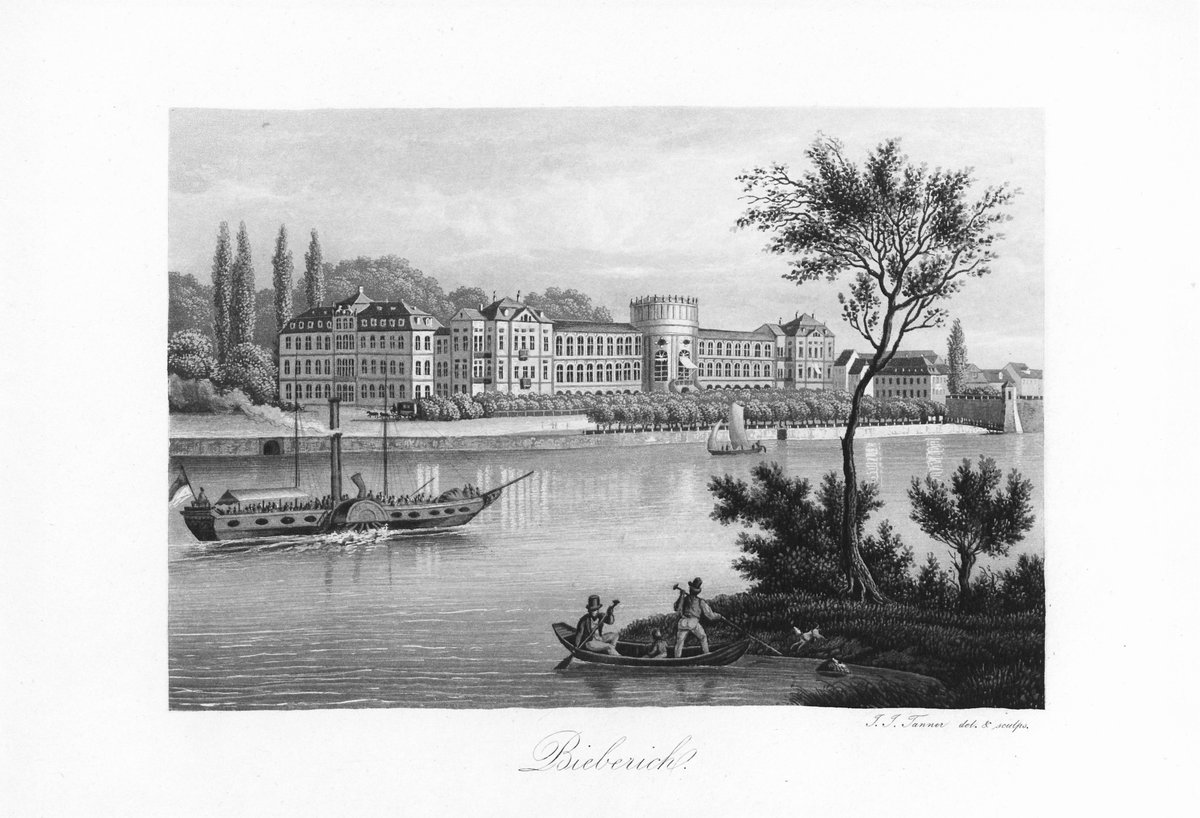
The Stadtschloss stands as a living narrative of Wiesbaden’s past. Occupying a site once home to a medieval fortress of the Counts of Nassau, the present neoclassical palace was commissioned by Duke Wilhelm of Nassau and constructed between 1837 and 1842 under Georg Moller’s guidance (HessenWeb). The palace’s construction marked Wiesbaden’s rise as a fashionable spa destination and seat of regional power.
After Nassau’s annexation by Prussia in 1866, the palace was appropriated as a summer residence for the Prussian royal family. It later survived wartime damage and, following restoration, became the seat of the Hessian Parliament in 1946—a role it continues to uphold, symbolizing the continuity and transformation of political authority in Hesse (militaryingermany.com).
Exterior Design: Classicist Grandeur and Urban Harmony
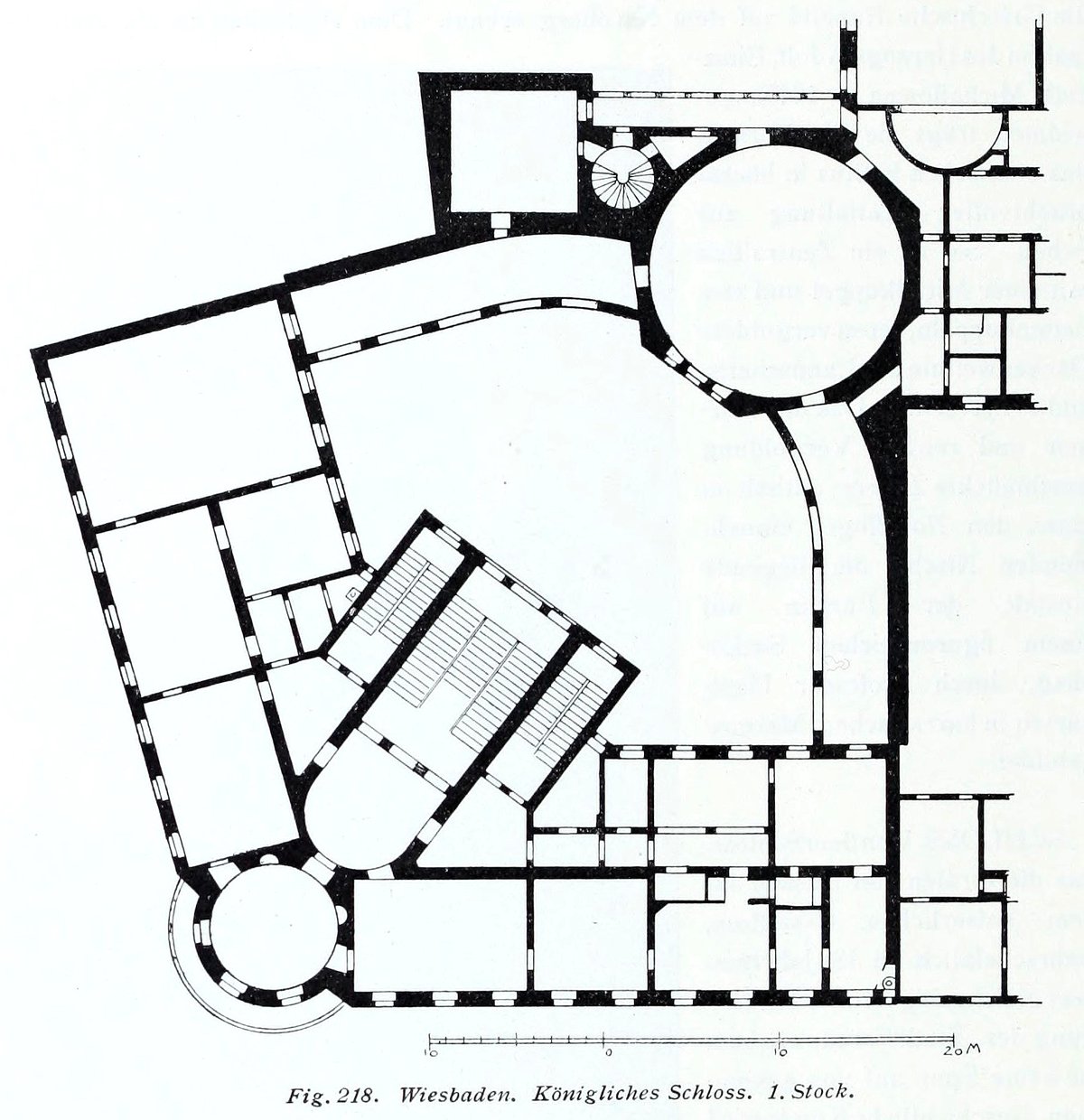
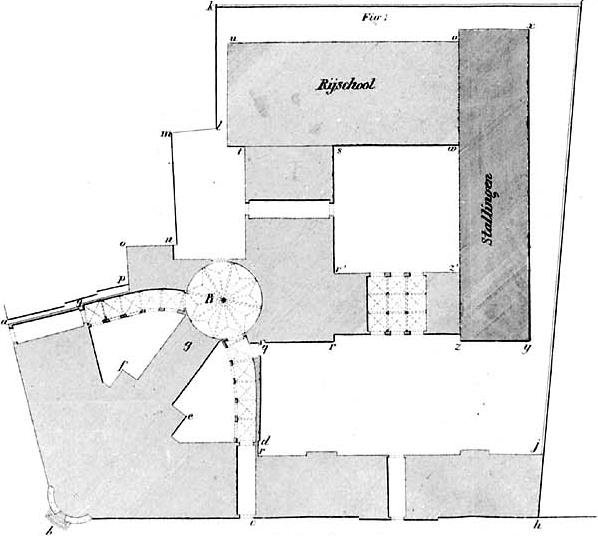
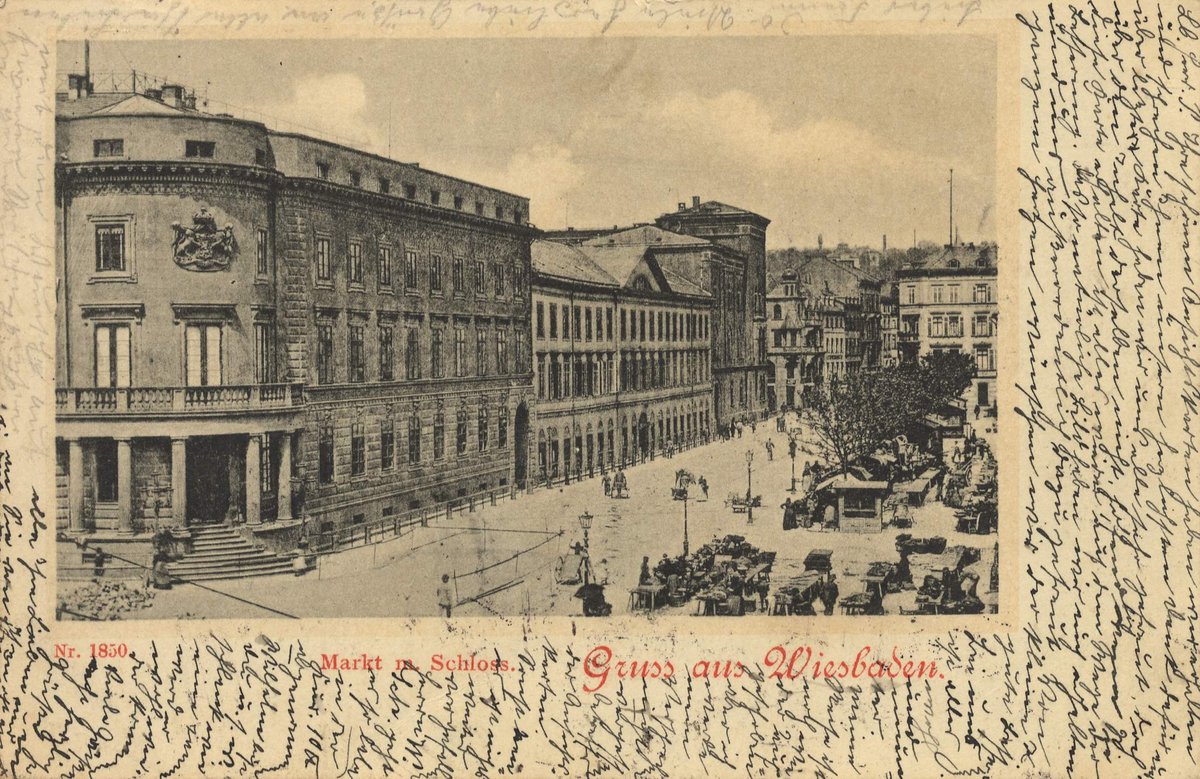
The Stadtschloss is a three-story, two-winged structure arranged at an obtuse angle, giving it a dynamic presence on Schlossplatz. Georg Moller’s late-classical vision is evident in the symmetrical windows, understated ornamentation, and the iconic portico with Ionic columns.
A distinctive architectural feature is the “Mollersche Ecklösung” at the palace’s main entrance, which enhances both the building’s visual impact and the flow of visitors. Built primarily from local sandstone, the palace harmonizes with Wiesbaden’s cityscape and anchors the historic ensemble of Schlossplatz (HessenWeb, Evendo).
Interior Spaces: Ducal Splendor Meets Modern Parliament
Inside the Stadtschloss, visitors encounter a blend of historic opulence and contemporary function. Grand ballrooms with ornate stucco ceilings, gilded mirrors, and parquet floors evoke the palace’s 19th-century heyday. Historic portraits, including recent acquisitions depicting the Nassau dynasty, adorn the halls (Wiesbaden Lebt).
The modern plenary chamber, integrated during the building’s conversion for parliamentary use, features natural light and advanced acoustics, symbolizing the palace’s evolution. Guided tours highlight both the contrast and the harmony between the preserved ducal apartments and state-of-the-art legislative spaces.
Visitor Information: Hours, Tickets, and Accessibility
-
Visiting Hours:
Open Tuesday to Sunday, 10:00 AM–5:00 PM. Closed Mondays and public holidays. Confirm timings on the official website as schedules may vary seasonally. -
Tickets:
Guided tour tickets generally cost €8 for adults, with discounts for students and seniors. Children under 12 enter free. Book tickets online or at the visitor center; advance booking is advised, especially during peak seasons. -
Tours:
Regular tours are available in German and English. Themed tours are occasionally offered, covering topics like art, women’s history, or political milestones. -
Accessibility:
The palace is wheelchair accessible, with ramps and elevators. Accessible restrooms are available. Contact visitor services for specific needs. -
Photography:
Allowed in most public areas, though restrictions apply during parliamentary sessions or in specific rooms. Always check with staff.
Schlossplatz Ensemble and Nearby Attractions
The Stadtschloss is the centerpiece of Schlossplatz, surrounded by a remarkable ensemble of historic buildings:
- Marktkirche: Striking Neo-Gothic church with soaring towers.
- Neues Rathaus: Neo-Renaissance Town Hall.
- Old City Hall: One of Wiesbaden’s oldest buildings.
Within walking distance are the Kurhaus (neoclassical spa and casino), the elegant Theater-Kolonnaden, Kurpark gardens, Hessian State Theatre, and Museum Wiesbaden. The square and adjoining parks frequently host markets, festivals, and concerts (Triplyzer, Germany Destinations).
Gardens and Urban Setting
English-style landscaped gardens surround the palace, featuring manicured lawns, flowerbeds, and mature trees. These green spaces provide a tranquil setting for relaxation and photography, and often serve as venues for public events and festivals (Evendo).
Preservation and Modern Use
Following World War II damage, the palace was meticulously restored, retaining its architectural integrity while integrating modern amenities such as security and energy-efficient systems. The addition of contemporary parliamentary spaces demonstrates a careful balance between heritage conservation and functional adaptation (militaryingermany.com).
Visitor Experience: Highlights Not to Miss
- Grand Staircase and Foyer: Classical motifs and period lighting set the tone for your visit.
- Historic Chambers: Lavish 19th-century decor, with stucco, gilded details, and antique furnishings.
- Modern Plenary Hall: A striking contrast to the historic rooms, representing democracy’s modern face.
- Façade Details: Note the subtle neoclassical ornamentation and harmonious proportions.
- Schlossplatz Views: Panoramic photo opportunities of the square and neighboring landmarks.
For the best experience, consider booking a guided tour and capturing photos during early morning or late afternoon light.
Frequently Asked Questions (FAQ)
Q: Can I attend a session of the Hessian Landtag?
A: Yes, public sessions are open to visitors with prior registration—check the Landtag website for dates and procedures.
Q: Are guided tours available in English?
A: Yes, guided tours are offered in German and English. Advance booking is recommended.
Q: Is the Stadtschloss wheelchair accessible?
A: Most public areas are accessible. Some historic rooms may have limited access.
Q: Where can I buy tickets?
A: Tickets are available online via the official site, through tourism portals, or at the palace entrance.
Q: Are special events held at the palace?
A: Yes, including art exhibitions, concerts, city festivals, and open days. Check the events calendar on the official website.
Q: What other historic sites are nearby?
A: Marktkirche, Neues Rathaus, Kurhaus, Kurpark, and Museum Wiesbaden are all within walking distance.
Discover More
Stadtschloss Wiesbaden stands as a living monument to the region’s noble past, Prussian influence, and ongoing democratic traditions. Its architectural splendor, layered history, and central location make it an essential stop for visitors to Wiesbaden. To deepen your experience, explore nearby attractions, join a guided tour, and take advantage of the palace’s cultural events.
For the latest updates, ticket bookings, and exclusive content, download the Audiala app and follow us on social media. Enhance your visit by reviewing our related guides to Wiesbaden’s cultural and historical gems.
Listen to the full story in the app
The whole Stadtschloss,
told well.
Audio guides for 1,100+ cities across 96 countries. History, stories, and local insight — offline ready.
Verified, and shown.
Researched and written by the Audiala editorial team from historical records, architectural archives, and local expertise.
Researched from Wikidata, Wikipedia & official sources · fact-checked · How we make our guides →