Plan and listen to St. Elizabeth'S Church Wiesbaden with Audiala.
Audio guide in your pocket, itinerary in your browser. Built for the way you actually visit.
Introduction
St. Elizabeth’s Church (Russisch-Orthodoxe Kirche der heiligen Elisabeth) in Wiesbaden, Germany, is an extraordinary symbol of Russian Orthodox heritage and 19th-century European nobility. Perched atop the scenic Neroberg hill, this church captivates visitors with its rich history, unique architecture, and spiritual atmosphere. Built between 1847 and 1855 as a mausoleum for Grand Duchess Elizabeth Mikhailovna of Russia—who died young after marrying Duke Adolf of Nassau—the church stands as a testament to love, loss, and the enduring ties between Russia and Germany. Today, it remains both an active place of worship and a cherished cultural landmark, attracting tourists, historians, and architecture enthusiasts (mycityhunt.com; wiesbaden.de).


Historical Background
St. Elizabeth’s Church was commissioned by Duke Adolf of Nassau after the tragic death of his wife, Grand Duchess Elizabeth Mikhailovna of Russia, who passed away in 1845 at just 19 years old. Suffering from grief, the Duke dedicated her substantial dowry to the construction of this church, with architectural plans entrusted to Philipp Hoffmann. The project, which received approval from Tsar Nicholas I, began in 1847 and was completed in 1855. The church was consecrated on May 25, 1855, and the Grand Duchess, along with her infant daughter, was buried in the crypt (ieg-ego.eu; wiesbaden.de).
The church’s origins are closely tied to the presence of Russian aristocracy in Wiesbaden, drawn to the city’s famous spa culture throughout the 19th century. It quickly became a focal point for Russian visitors and later, for émigrés fleeing the Russian Revolution (mycityhunt.com).
Architectural Features
Designed in the Russian Orthodox cross-in-square plan, St. Elizabeth’s Church features five gilded onion domes—one central and four smaller domes—crafted from beige sandstone. These domes, reminiscent of the Cathedral of Christ the Saviour in Moscow, are topped with Orthodox crosses and are visible throughout Wiesbaden, creating a striking city landmark (marble.nd.edu; trek.zone).
The façade showcases Byzantine-inspired arches, pilasters, and ornate stonework. Inside, the church houses an impressive iconostasis by Carl Timoleon von Neff, merging Russian iconography with Western techniques, and frescoes by August Hopfgarten. The church’s interior is open and contemplative, in keeping with Orthodox tradition, and filled with vibrant colors, gilded icons, and a sense of serene spirituality (mycityhunt.com; The Traveling Overeducated Housewife).
Russian-German Connections
St. Elizabeth’s Church symbolizes the close cultural and dynastic ties between Russia and Germany. In the 19th century, Russian aristocrats frequented Wiesbaden’s spas, and the church became a spiritual home for these guests. Even Tsar Nicholas II visited the church during his stays in the city. After the Russian Revolution, the church provided refuge for émigrés and became a hub for the Russian Orthodox community in Germany (ieg-ego.eu).
Since 1936, the church has belonged to the Russian Orthodox Diocese of Berlin and Germany, serving as both a religious and community center (wiesbaden.de).
Mausoleum & Russian Orthodox Cemetery
Beneath the church lies the crypt containing the remains of Grand Duchess Elizabeth Mikhailovna and her daughter. Adjacent to the church is one of Western Europe’s largest Russian Orthodox cemeteries, established in 1856. The cemetery, expanded and restored several times, is the resting place of many Russian émigrés and is maintained by the Russisch-Orthodoxe Fonds e. V., Wiesbaden (mycityhunt.com).
Visiting Information
Opening Hours
- General: Open daily, 10:00 AM – 5:00 PM (hours may vary on religious holidays; check the official website for updates).
Admission & Guided Tours
- Entrance: Free; donations are appreciated to support ongoing maintenance.
- Guided Tours: Available by request via the Wiesbaden tourism office or the church administration. Tours cover history, art, and architecture.
Accessibility
- Access: Reachable via the Nerobergbahn funicular railway or by foot. Limited parking is available near the base station.
- Mobility: Some accessibility limitations exist due to the historic building and hilltop location. The funicular provides assistance for those with mobility challenges, but steps at the entrance and within the church may restrict access for wheelchair users.
Photography
- Policy: Photography is generally allowed outdoors. Inside, flash and tripods are discouraged; be respectful during services.
Getting There
- By Nerobergbahn Funicular: A scenic and popular route from Nerotal valley station, running seasonally from April to October.
- By Car: Limited parking near the church; early arrival recommended.
- On Foot: Well-marked trails lead up Neroberg hill for those seeking a pleasant walk.
Amenities & Nearby Attractions
- Neroberg Park: Enjoy walking trails, picnic spots, and panoramic viewpoints.
- Nearby Sites:
- Food & Souvenirs: A kiosk near the church sells souvenirs; nearby café and dining options are available at the base of the hill and in the city center.
Preservation and Recognition
St. Elizabeth’s Church has withstood wars and political upheaval, remaining a vibrant parish and cultural symbol. The domes were regilded in 2007 to mark the “Petersburg Dialogue” and the German-Russian summit. The church has appeared on German postage stamps and is regularly featured on tourist signage and in city promotions (wiesbaden.de; everything.explained.today). Ongoing restoration ensures its continued splendor for future generations.
Frequently Asked Questions (FAQ)
Q: What are the visiting hours?
A: Open daily, usually 10:00 AM to 5:00 PM; check for holiday variations.
Q: Is there an entrance fee?
A: Admission is free; donations are welcome.
Q: Can I book a guided tour?
A: Yes, through the tourism office or church administration.
Q: Is the church accessible for those with limited mobility?
A: Partial accessibility; the funicular assists, but steps may limit access inside.
Q: Is photography allowed?
A: Yes, but avoid flash and tripods inside during services.
Q: How do I get there?
A: By Nerobergbahn funicular, car, or on foot.
Q: What else can I see nearby?
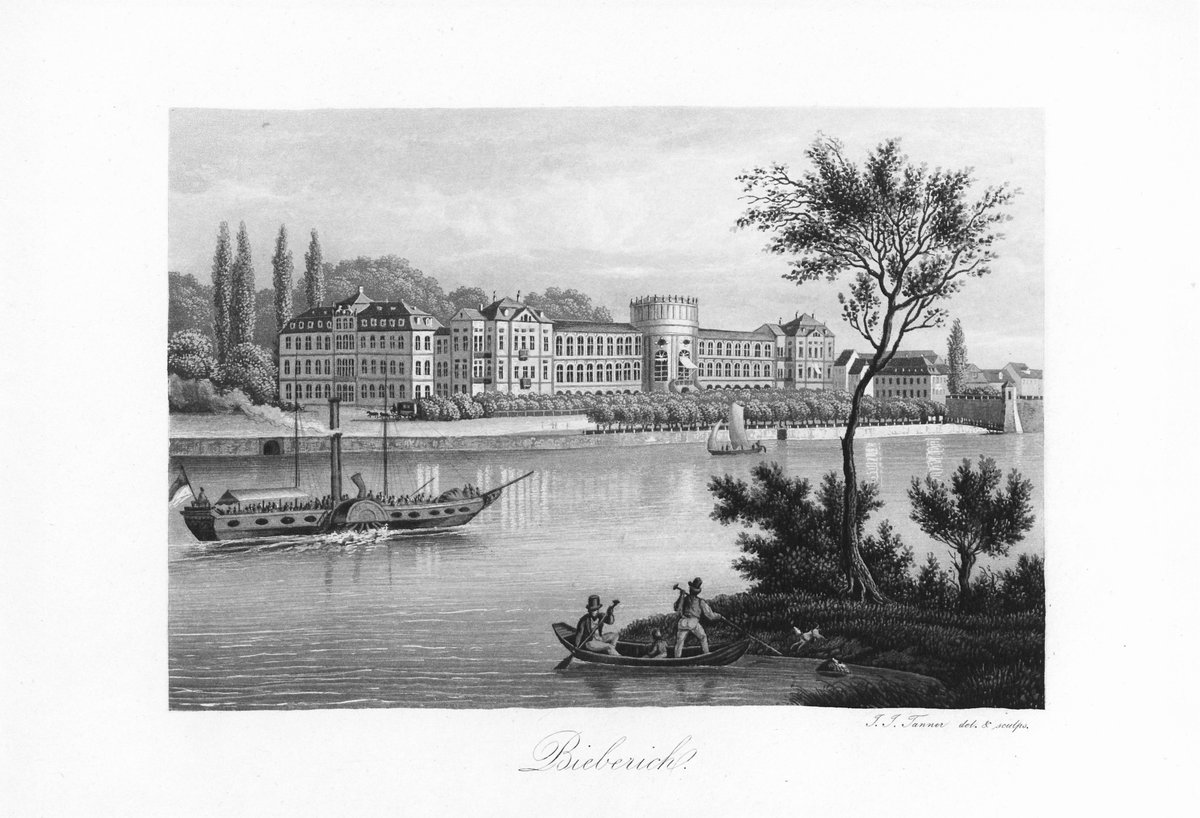
A: Neroberg Park, Kurhaus, Kurpark, Marktkirche, Schloss Biebrich, and more.
Listen to the full story in the app
The whole St. Elizabeth'S Church Wiesbaden,
told well.
Audio guides for 1,100+ cities across 96 countries. History, stories, and local insight — offline ready.
Verified, and shown.
Researched and written by the Audiala editorial team from historical records, architectural archives, and local expertise.
Elizabeth’s Church Wiesbaden: History, Tickets, Hours & Travel Tips, 2024, mycityhunt.com
Elizabeth’s Church Wiesbaden: Visiting Hours, Tickets, and Architectural Highlights of this Historic Russian Orthodox Monument, 2024, The Traveling Overeducated Housewife
Elizabeth’s Church Wiesbaden: Hours, Tickets, Accessibility & Nearby Attractions, 2024, TripHobo
Elizabeth on the Neroberg Mountain in Wiesbaden, Germany, 2024, IEG-EGO
Elizabeth’s Church Wiesbaden, 2024, trek.zone
Researched from Wikidata, Wikipedia & official sources · fact-checked · How we make our guides →