Plan and listen to Marktkirche with Audiala.
Audio guide in your pocket, itinerary in your browser. Built for the way you actually visit.
Introduction
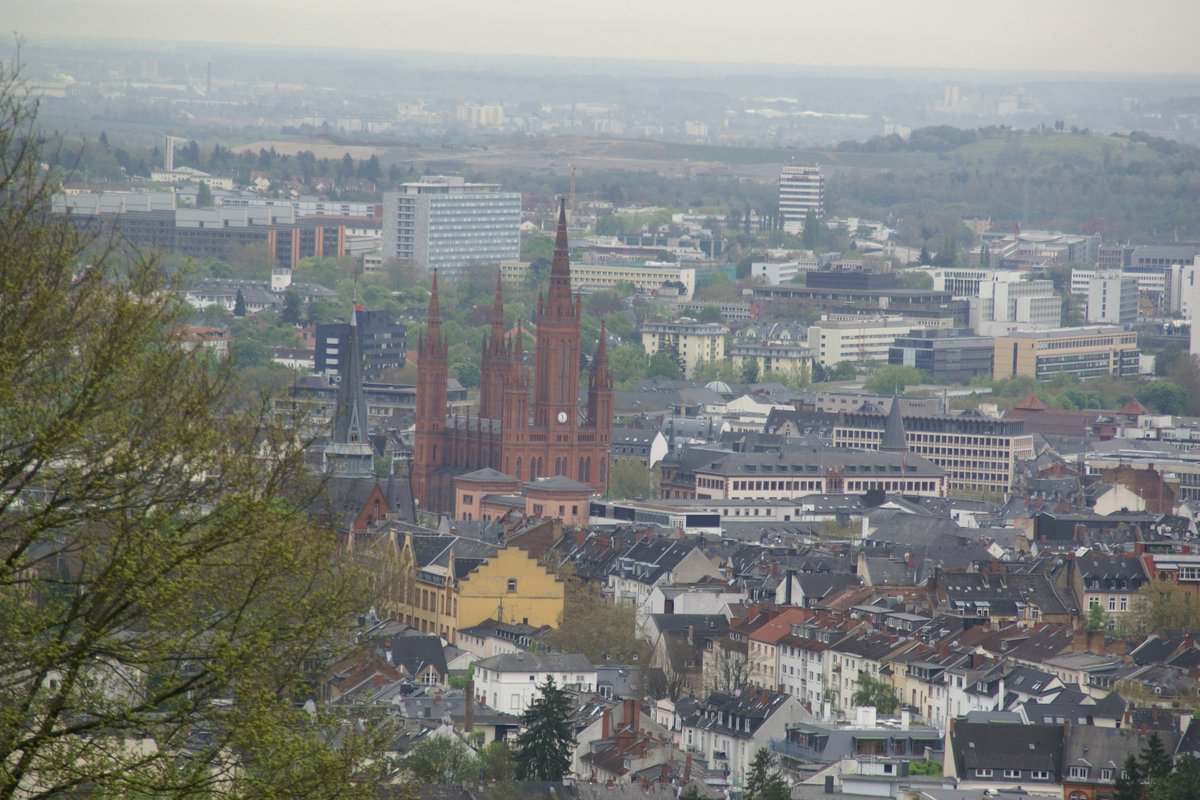
Rising above Wiesbaden’s historic center, the Marktkirche is an emblematic neo-Gothic church that has stood as both a spiritual anchor and a cultural landmark since its completion in 1862. Its distinctive red brick façade and soaring five-tower silhouette mark not just the city’s skyline but also its ongoing story of faith, artistry, and community. Whether you are an architecture aficionado, a history enthusiast, or a traveler eager to immerse yourself in local tradition, Marktkirche offers a multifaceted experience—one that blends architectural brilliance with vibrant civic life.
This guide delivers all the essential details for planning your visit, including opening hours, ticketing, accessibility, guided tours, and adjacent attractions. For the most current updates, consult the official Wiesbaden tourism portal and Marktkirche’s website.
- History and Significance
- Architectural Highlights
- Artistry and Music
- Role in Urban and Cultural Life
- Visiting Information
- Events and Community Life
- Tips for an Enriching Visit
- Frequently Asked Questions (FAQ)
- Sources and Further Reading







History and Significance
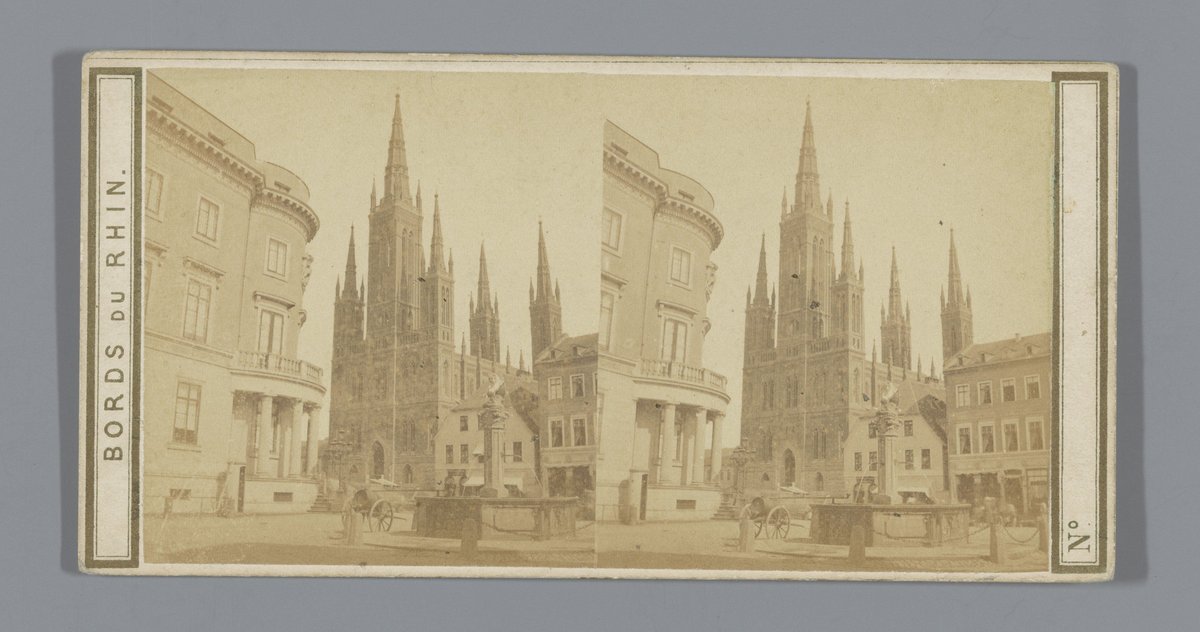
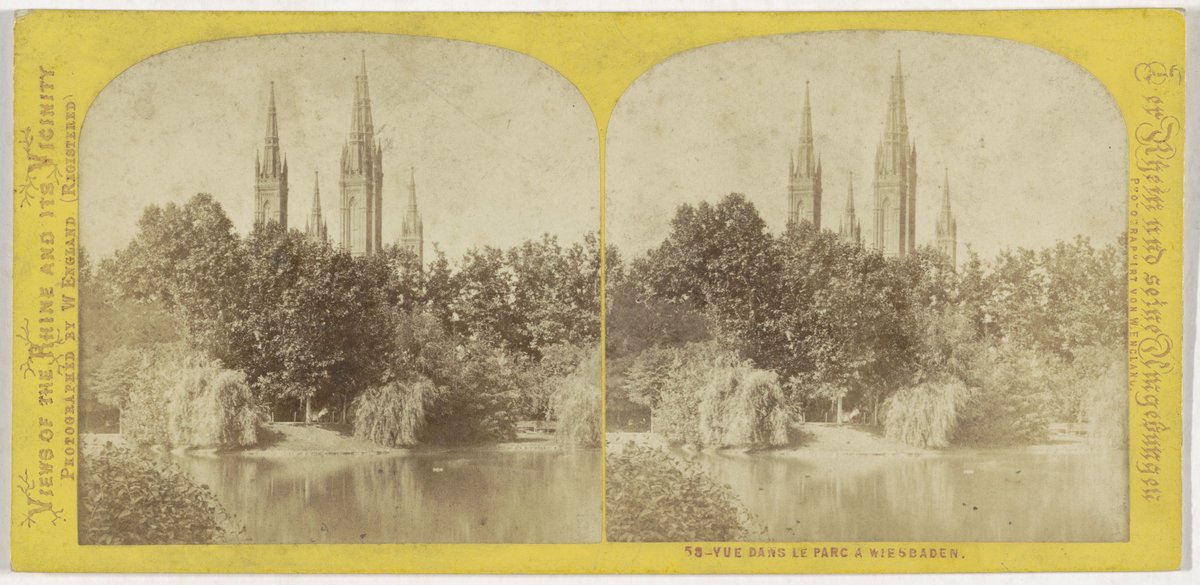
Commissioned by Duke Adolf of Nassau and designed by Carl Boos, the Marktkirche was constructed between 1853 and 1862. Its erection reflected Wiesbaden’s aspirations during a period of rapid urban growth and was intended to serve as a prominent Protestant counterbalance to the region’s Catholic edifices. Situated strategically on Schlossplatz, the church stands at the confluence of religious, political, and civic life—adjacent to the City Palace (Stadtschloss), the seat of the Hessian State Parliament, and surrounded by the city’s principal squares (wiesbaden.de).
Through the upheavals of the 19th and 20th centuries—including the annexation of Nassau by Prussia and the devastation of World War II—Marktkirche endured, adapting with restoration efforts and remaining an active center of worship, music, and social engagement.
Architectural Highlights
Neo-Gothic Design and Materials
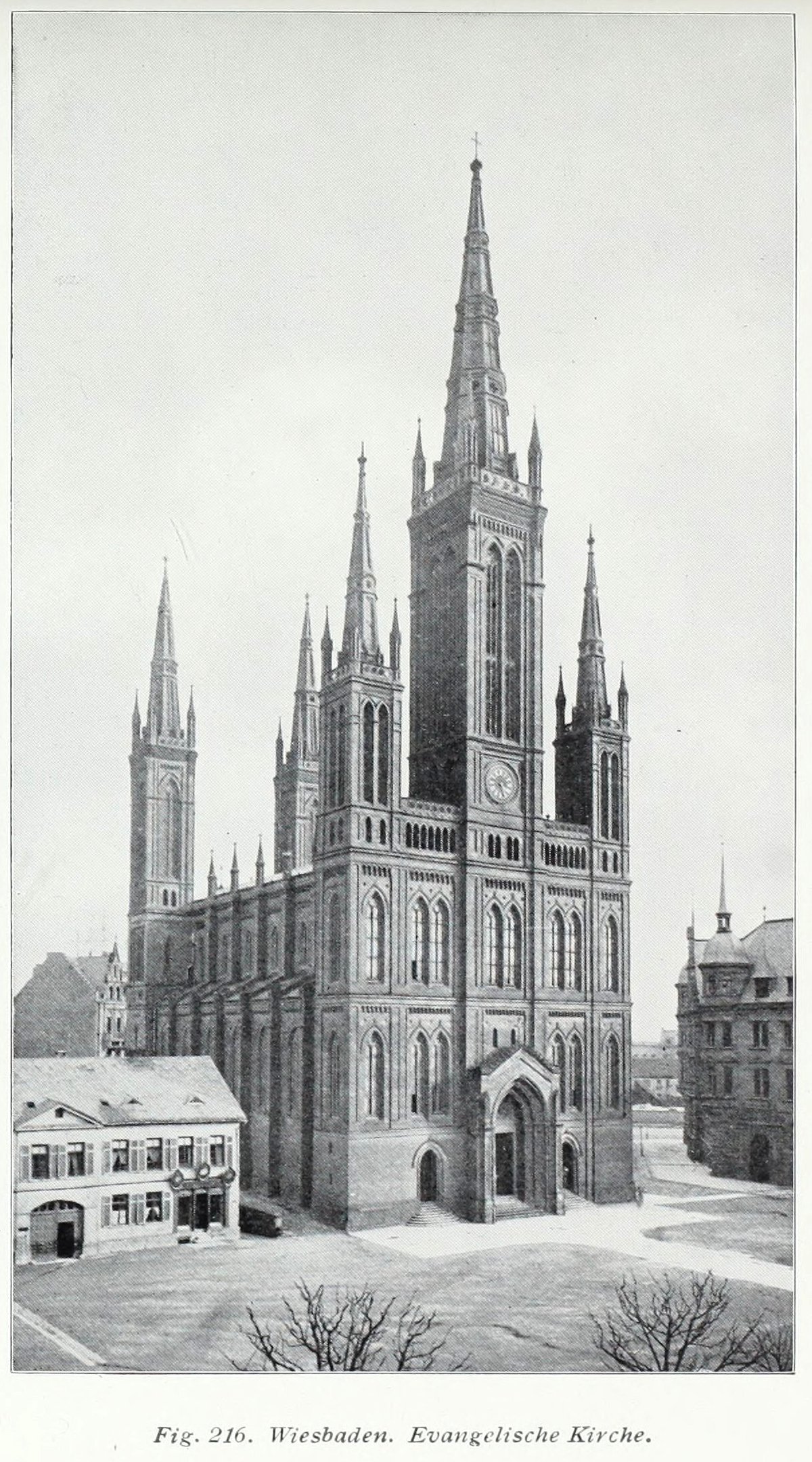
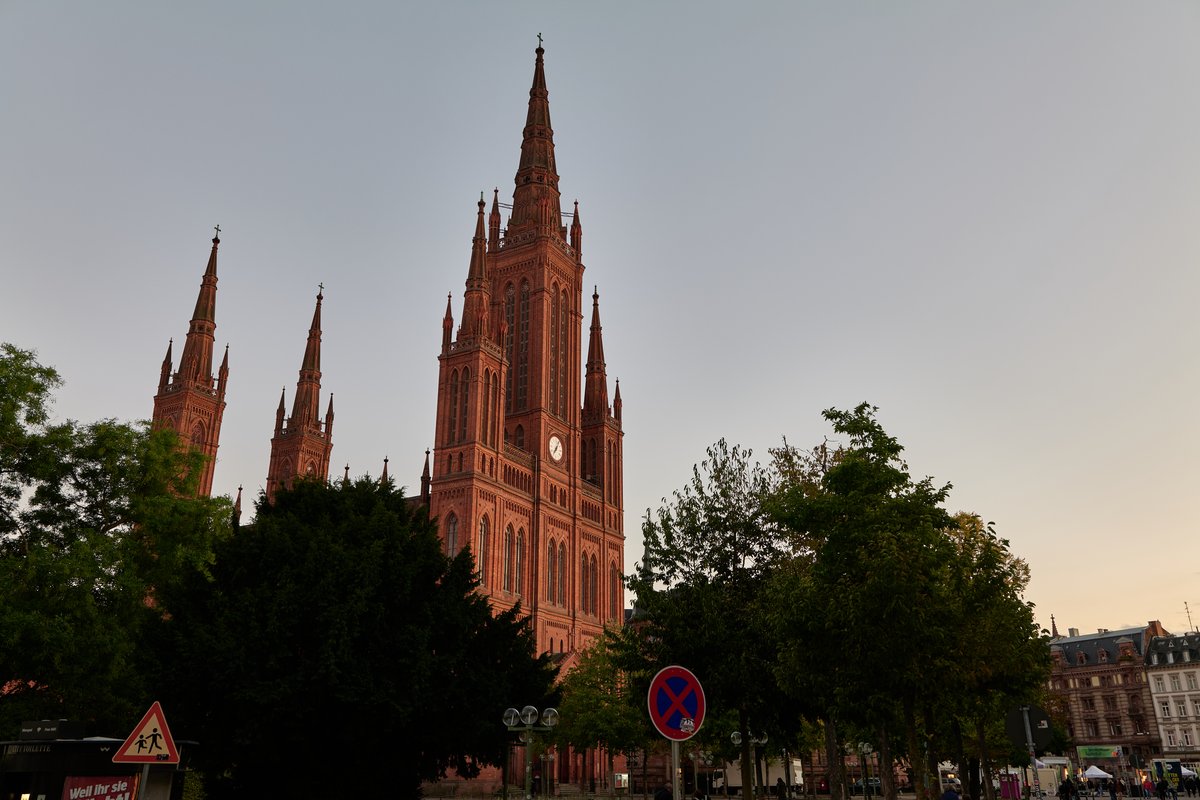
Marktkirche is celebrated as the first all-brick church in the region, a bold innovation at the time that set it apart from the city’s Baroque and Neoclassical buildings (Lonely Planet). Its brilliant red brick, sourced locally, gives the church its characteristic warmth and earned it the moniker “Nassauischer Dom” (Cathedral of Nassau).
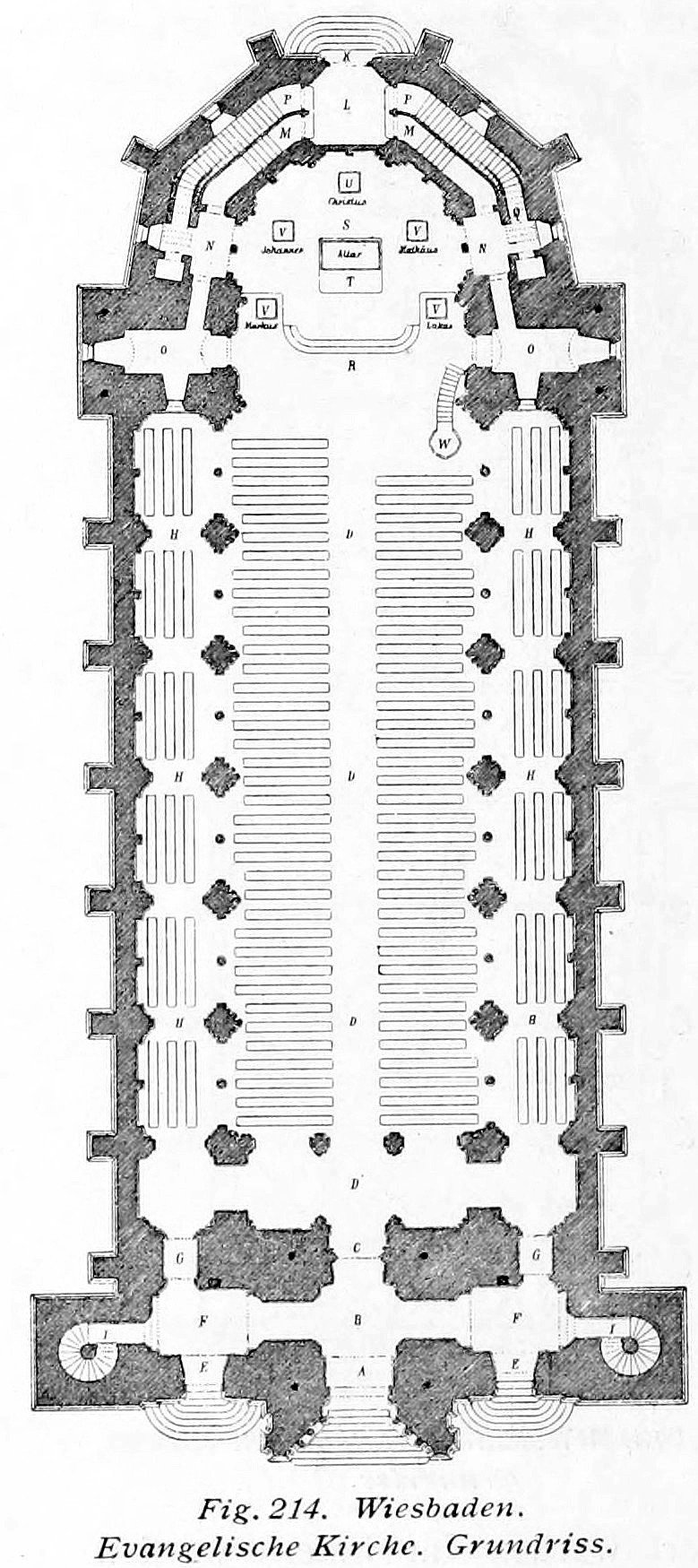
The church’s five towers—one central spire rising to 98 meters and four corner towers—emphasize verticality, a hallmark of Gothic revival. The façade is richly detailed with buttresses, pinnacles, and intricate tracery, while the basilica-style layout, pointed arches, and ribbed vaults create a soaring, light-filled interior.
Interior Artistry
Inside, visitors are greeted by expansive naves, slender columns, and a chancel framed by a richly decorated apse. The stained glass windows, many original to the church, fill the sanctuary with vibrant light and depict biblical scenes and saints. Near the altar, five life-size sculptures—Christ and the Evangelists—donated by Duke Adolf, stand as exquisite examples of 19th-century ecclesiastical art (1xmarketing.com).
Other interior highlights include the elaborately carved wooden pulpit, choir stalls, and a baptismal font, each designed in harmony with the overall Gothic aesthetic.
Artistry and Music
The Organ and Musical Tradition
Marktkirche is renowned for its musical heritage, particularly its grand organ. First installed in 1863 and extensively renovated over the years, the organ today combines historical elements with modern sound technology. Boasting more than 9,000 pipes and standing 15 meters tall, it is one of Germany’s largest and is featured prominently in regular concerts and special events (hielscher-music.de).
Every Saturday, the church hosts “Orgelmusik zur Marktzeit,” a half-hour organ concert that draws locals and visitors alike (marktkirche-wiesbaden.de). The church’s acoustics make it a coveted venue for choral and instrumental music.
Glockenspiel (Carillon)
A defining feature is the glockenspiel, comprising 49 bronze bells that ring daily at 9:00 am, 12:00 pm, 3:00 pm, and 5:00 pm, filling Schlossplatz with melodic chimes (Lonely Planet, glockenspiel-wiesbaden.de). During market days and special festivals, live carillon performances add to the festive atmosphere.
Role in Urban and Cultural Life
Community Engagement
From its inception, Marktkirche has been more than a place of worship; it is a hub for civic and cultural engagement. Its bells and clock have long marked the rhythm of city life, while its proximity to key landmarks underscores its integration into Wiesbaden’s urban fabric.
The church is a focal point for city festivals, such as the Rheingau Wine Week and the Sternschnuppenmarkt (Christmas Market). These events transform the square into a lively gathering place, with the church’s illuminated façade as a centerpiece (wiesbaden.de).
Preservation and Sustainability
Preservation efforts, supported by public and private funding, have maintained Marktkirche’s structural and artistic integrity. Recent restoration projects have focused on both historical conservation and sustainability, including energy-efficient lighting and accessibility improvements.
Visiting Information
Opening Hours
- Monday to Saturday: 10:00–18:00
- Sunday: 12:00–18:00 (after morning services)
Hours may vary during holidays or special events. Always check the official website before your visit.
Tickets and Guided Tours
- Entry to the main nave is free, with donations encouraged.
- Guided tours and tower climbs typically require a modest fee (€3–€5), with advance booking recommended for popular times (tourismus.wiesbaden.de).
- Tickets are available online or at the church entrance.
Accessibility
- Ramps and accessible entrances are available.
- Facilities and assistance for visitors with disabilities can be arranged via prior contact.
- The nave is spacious and generally accessible; the tower climb involves narrow staircases and is only suitable for those in good physical condition.
Getting There
- Address: Schlossplatz 4, 65183 Wiesbaden
- By Public Transport: Bus stops “Dernsches Gelände” or “Schlossplatz” are nearby.
- By Car: Parking is available at “Parkhaus Markt” or “Parkhaus Kurhaus/Casino”; spaces fill quickly during events.
Visitor Facilities
- Restrooms and a small church shop are available.
- Photography is permitted, but flash and tripods may be restricted, especially during services or concerts.
- Staff speak German and English.
Events and Community Life
- Regular Protestant services are held Sundays and on holidays.
- Organ concerts: Every Saturday at 11:30 am, with a small entry fee (marktkirche-wiesbaden.de).
- Special concerts and seasonal events: Check the concert calendar.
- Market Day: Saturdays feature a bustling market on Schlossplatz and live music at the church.
- Community Initiatives: Marktkirche supports social services, intercultural dialogue, and charitable projects in collaboration with local organizations.
Tips for an Enriching Visit
- Arrive early to avoid crowds, particularly on weekends and during festivals.
- Combine your visit with nearby attractions like the Neues Rathaus, Wiesbaden City Palace, and Kurhaus.
- Dress respectfully for services or concerts; the interior can be cool even in summer.
- Check event schedules in advance.
- Tower climbs require sturdy shoes and a head for heights.
- Photography is welcomed, but please be considerate during worship and performances.
- Accessibility needs: Contact the church ahead if you require assistance.
Frequently Asked Questions (FAQ)
Q: What are the Marktkirche Wiesbaden visiting hours?
A: Monday to Saturday, 10:00–18:00; Sunday, 12:00–18:00. Check the website for holiday or event exceptions.
Q: Is there an entrance fee?
A: Entry to the nave is free; tower climbs and some concerts require a modest ticket.
Q: Are guided tours available?
A: Yes, in multiple languages. Booking in advance is recommended.
Q: Is Marktkirche accessible for visitors with disabilities?
A: Yes, with ramps and accessible facilities.
Q: When does the carillon (glockenspiel) play?
A: Daily at 9:00 am, 12:00 pm, 3:00 pm, and 5:00 pm.
Q: How do I book a tour or tower climb?
A: Reserve via the official website.
Q: Can I attend a concert at Marktkirche?
A: Absolutely; regular organ concerts and special events are open to the public.
Final Thoughts
Marktkirche Wiesbaden is not simply a historical monument; it is a living testament to the city’s evolving spirit. Its fusion of soaring architecture, artistic treasures, and community engagement ensures that every visit—be it for quiet reflection, cultural exploration, or festive celebration—is both memorable and inspiring. Plan your visit today, and let Marktkirche’s legacy enrich your journey through Wiesbaden.
Listen to the full story in the app
The whole Marktkirche,
told well.
Audio guides for 1,100+ cities across 96 countries. History, stories, and local insight — offline ready.
Verified, and shown.
Researched and written by the Audiala editorial team from historical records, architectural archives, and local expertise.
Researched from Wikidata, Wikipedia & official sources · fact-checked · How we make our guides →