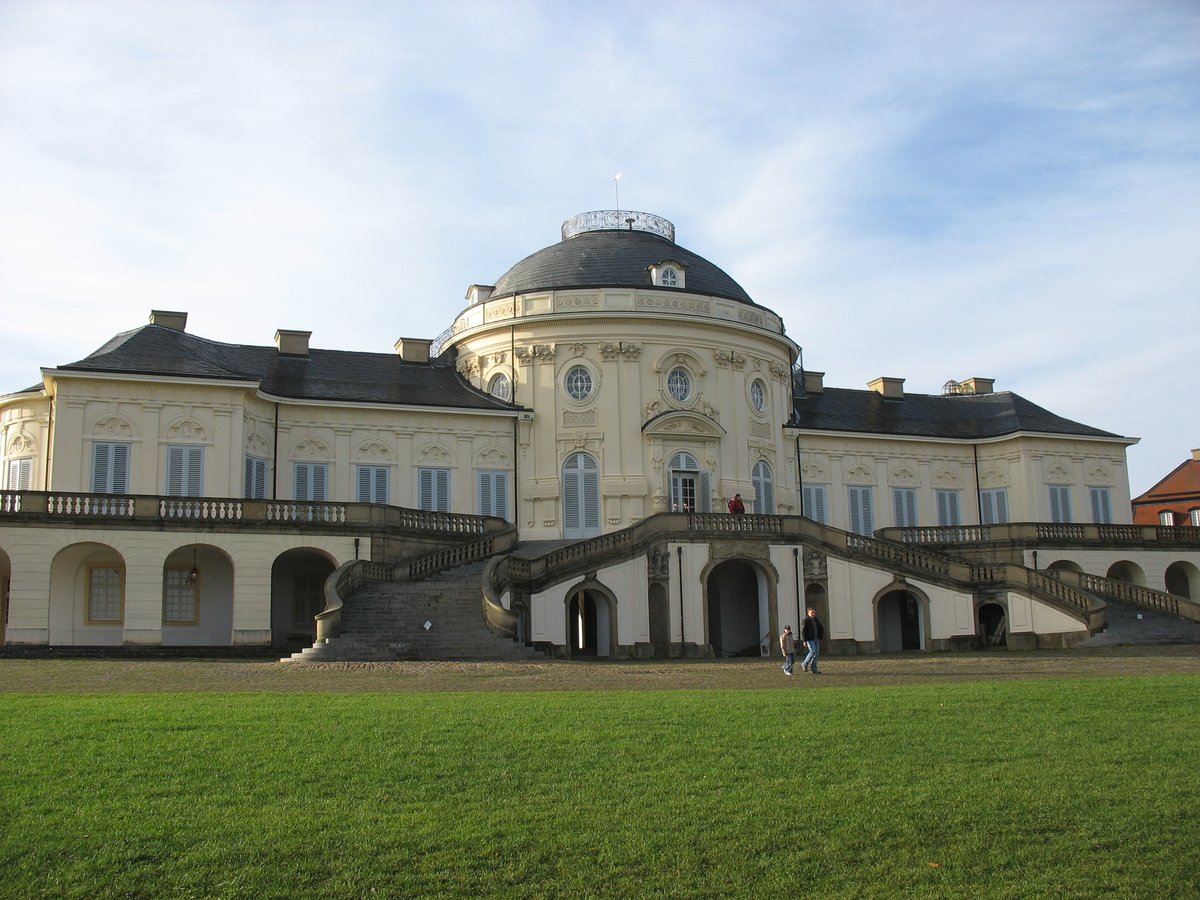
Plan and listen to Stolperstein Dedicated To Lina Cahn with Audiala.
Audio guide in your pocket, itinerary in your browser. Built for the way you actually visit.
Introduction
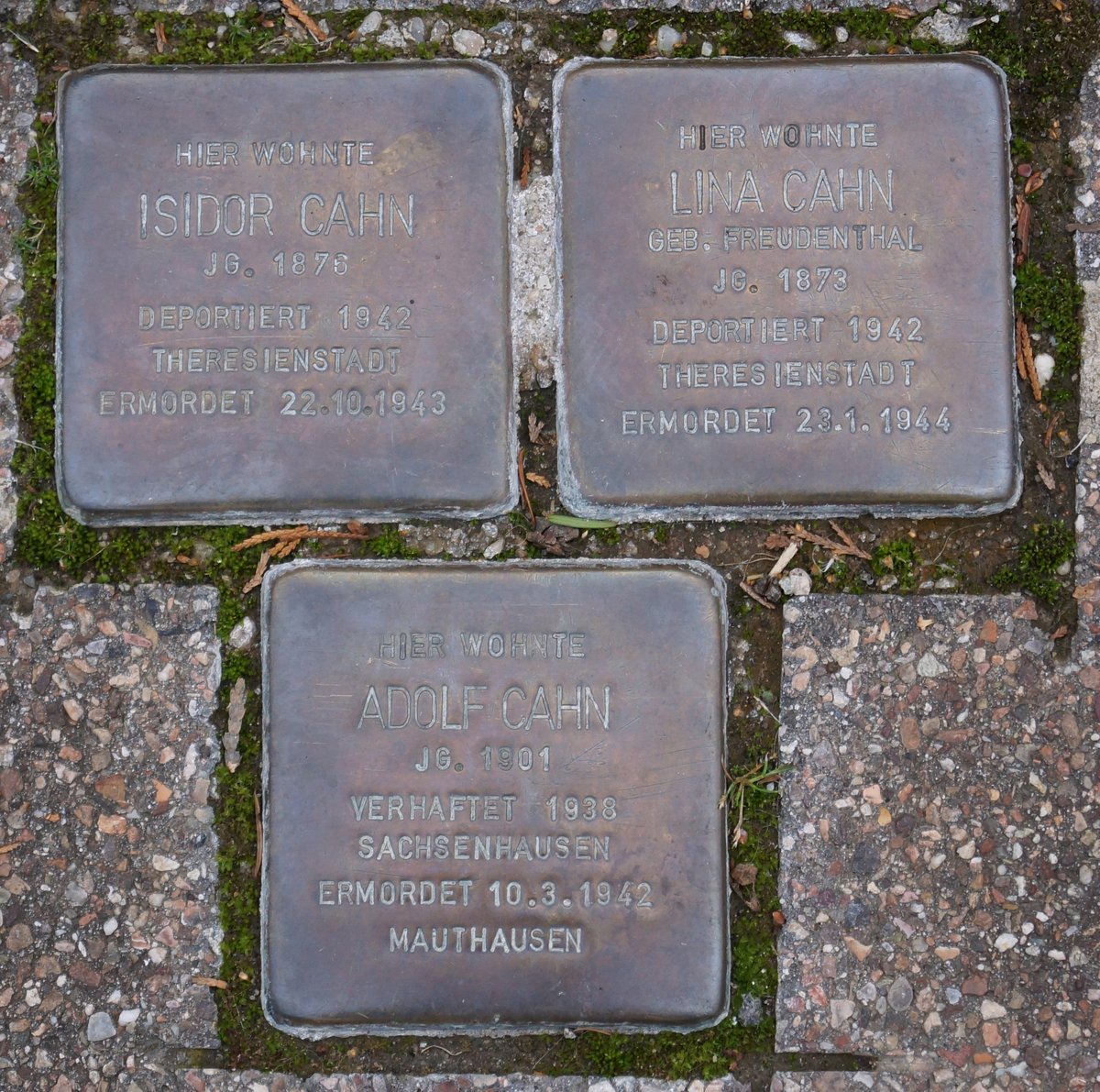
The Stolperstein dedicated to Lina Cahn in Stuttgart is a modest yet profoundly moving memorial that connects visitors with the city’s history of Nazi persecution and Holocaust remembrance. Stolpersteine—German for "stumbling stones"—are part of an international memorial project initiated by artist Gunter Demnig in the early 1990s. By embedding small, inscribed brass plaques in front of victims’ last freely chosen residences, the project personalizes the Holocaust by honoring each individual where they once lived (Stolpersteine Stuttgart; Germany.info).
Lina Cahn’s Stolperstein, located in Stuttgart-Mitte, stands testament to her life and tragic fate, transforming a city sidewalk into a site of remembrance open to all, at any time and free of charge (Stolpersteine Guide; Stolpersteine Stuttgart Biografien). This guide details the historical context of the Stolpersteine, Lina Cahn’s biography, practical information for visitors, and the educational and cultural significance of the project within Stuttgart’s vibrant remembrance culture.

Origins and Development of the Stolpersteine Project
Concept and Philosophy
The Stolpersteine project, conceived by Gunter Demnig in the early 1990s, is the world’s largest decentralized memorial initiative. Each Stolperstein is a 10 x 10 cm brass plaque engraved with a victim’s name and life details, installed in the pavement before their last self-chosen address. The stones commemorate Jews, Sinti and Roma, people with disabilities, political dissidents, homosexuals, Jehovah’s Witnesses, and others persecuted by the Nazi regime (Stolpersteine Stuttgart; Germany.info).
Demnig’s vision is to embed memory in the everyday, prompting passersby to “stumble” mentally and reflect on the lives lost. The act of bowing to read each name is a gesture of respect and remembrance (Stuttgarter Zeitung; Stolpersteine Lübeck).
Project Expansion
The first Stolperstein was installed in Cologne in 1992. Since then, the project has expanded across Europe, with over 116,000 stones installed in 31 countries as of June 2025 (Stolpersteine.eu). Each stone is handcrafted, ensuring a personal connection to every victim memorialized (Fabrizio Musacchio).
Stolpersteine in Stuttgart
Local Beginnings and Community Involvement
Stuttgart’s first Stolpersteine were laid in 2003 after local advocacy. Sixteen local groups now research biographies, fundraise, and coordinate installations, with over 1,000 stones citywide (Stolpersteine Stuttgart). Installations often involve relatives, residents, students, and city officials, fostering a strong culture of remembrance.
Funding and Maintenance
Each Stolperstein costs about 120 euros, funded by donations and sponsorships. Volunteers regularly clean the plaques, with cleaning events seen as acts of remembrance (Stolpersteine Stuttgart).
Visiting the Stolperstein for Lina Cahn: Hours, Location, and Accessibility
Historical Background
Lina Cahn, born Lina Freudenthal in 1873, lived in Stuttgart from at least 1915. She and her husband, Isidor Cahn, were victims of Nazi persecution, ultimately deported to Theresienstadt, where they perished in 1943 and 1944 (Stolpersteine Cannstatt). Her Stolperstein is a powerful, individual memorial embedded outside her last freely chosen residence.
Location
- Address: Pfalzstraße 66, Stuttgart-Mitte, Germany
- Map & Directions: Find the exact spot using the Stolpersteine Stuttgart map or via the Stolpersteine Guide App.
Visiting Hours & Tickets
- Open 24/7: The Stolperstein is in a public sidewalk, accessible at any time.
- No Tickets Needed: Visiting is free and requires no reservation.
Accessibility
- Wheelchair Accessible: The stone is flush with the pavement; the area is pedestrian-friendly.
Getting There
Stuttgart’s efficient public transport network (buses, trams, S-Bahn) makes it easy to reach Pfalzstraße 66. The site is within walking distance from central transport hubs.
Educational and Social Significance
The Stolpersteine serve as a living history lesson, bringing Holocaust memory into daily life and fostering empathy and reflection. Stuttgart integrates Stolpersteine into school curricula and community events, with biographies and podcasts available online (Stolpersteine Stuttgart; StolperKunst; “Gedenkworte” podcast).
Controversies and Ongoing Dialogue
Some critics, particularly in Munich, object to memorials embedded in the ground, considering it disrespectful. While Munich bans Stolpersteine in public spaces, Stuttgart broadly supports the project (Smithsonian Folklife Magazine; Stuttgarter Zeitung).
Frequently Asked Questions (FAQs)
Do I need tickets to visit the Stolperstein?
No, it is a public memorial accessible 24/7 at no charge.
Is the Stolperstein accessible for people with disabilities?
Yes, it is flush with the public sidewalk.
Can I take photos?
Yes, but please be respectful of the memorial and avoid blocking pedestrian traffic.
Are guided tours available?
Yes, check the Stolpersteine Stuttgart events page or local tourist information for schedules.
Where can I learn more about Lina Cahn?
Detailed biographies are available on the Stolpersteine Stuttgart website.
Discover More
The Stolperstein for Lina Cahn in Stuttgart is a powerful, accessible memorial that personalizes the history of Nazi persecution. Its presence in the city’s streets invites locals and visitors alike to reflect, remember, and honor the victims of the Holocaust. With free, 24/7 access and strong community engagement, it is both a site of mourning and a beacon of collective responsibility.
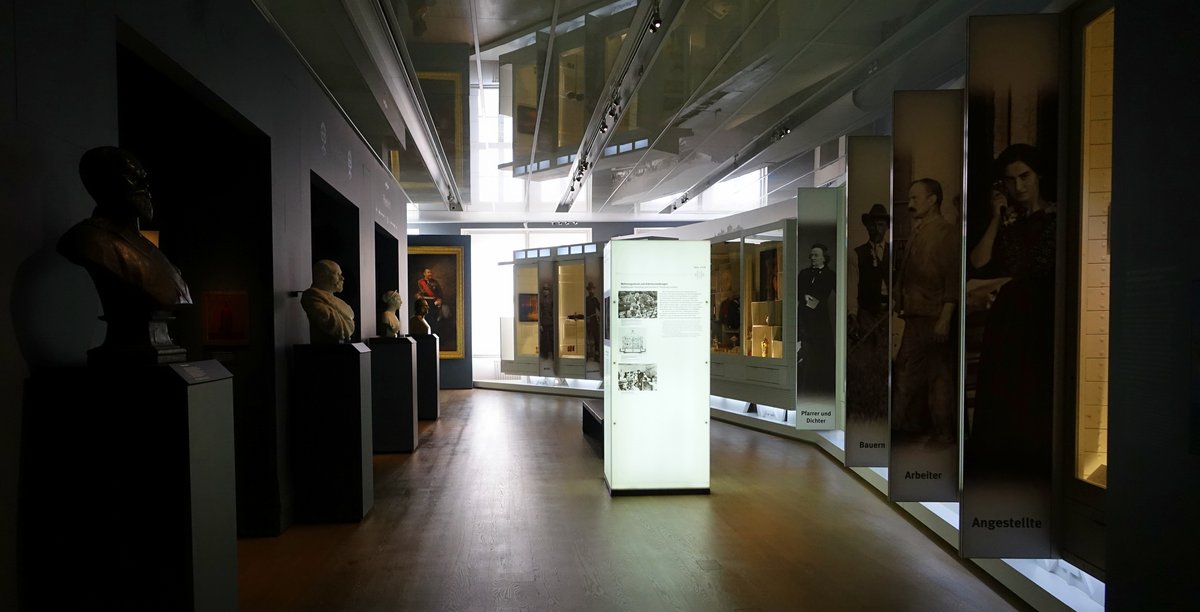
To enhance your visit, use digital resources like the Stolpersteine Guide App and participate in local commemorative events. Consider exploring related sites such as the Hotel Silber Museum, and share Lina Cahn’s story to keep her memory alive.
By standing before this Stolperstein, you become part of an ongoing act of remembrance that helps ensure the lessons of history guide us toward a more conscious and compassionate future.
Meta Description
Discover how to visit the Stolperstein dedicated to Lina Cahn in Stuttgart: location, hours, accessibility, nearby sites, and the significance of this unique Holocaust memorial.
Listen to the full story in the app
The whole Stolperstein Dedicated To Lina Cahn,
told well.
Audio guides for 1,100+ cities across 96 countries. History, stories, and local insight — offline ready.
Verified, and shown.
Researched and written by the Audiala editorial team from historical records, architectural archives, and local expertise.
Researched from Wikidata, Wikipedia & official sources · fact-checked · How we make our guides →