Plan and listen to Stolperstein Dedicated To Jakob Jaffé with Audiala.
Audio guide in your pocket, itinerary in your browser. Built for the way you actually visit.
Introduction
The Stolperstein ("stumbling stone") dedicated to Jakob Jaffé in Stuttgart, Germany, is a profoundly moving memorial embedded in the urban landscape, offering a tangible connection to the victims of Nazi persecution. Part of the largest decentralized memorial project in the world, the Stolperstein for Jakob Jaffé transforms the act of remembrance into an accessible, personal, and communal experience. This guide provides an in-depth exploration of the history, cultural significance, and practical information for visitors wishing to engage with the monument and its surrounding context.

The Stolpersteine Project: Origins and Philosophy
Initiated in 1992 by German artist Gunter Demnig, the Stolpersteine project seeks to reconnect communities with the memory of individuals persecuted under the Nazi regime. Inspired by a Talmudic saying—"A person is only forgotten when his name is forgotten"—Demnig envisioned a memorial that would integrate remembrance into the everyday paths of city dwellers. Each Stolperstein is a 10 x 10 cm brass-plated cube, hand-engraved with the victim’s name, birth year, fate, and, where possible, the date and place of death, then installed at the individual’s last freely chosen residence (stolpersteine.eu; en.wikipedia.org; pragueviews.com).
The Stolpersteine are both works of art and acts of commemoration. Their placement at ground level means that passersby "stumble" upon them with their eyes and hearts, prompting everyday encounters with memory rather than relegating history to distant monuments or museums. As of 2023, over 100,000 Stolpersteine have been installed in 28 European countries, commemorating Jews, Sinti and Roma, political prisoners, LGBTQ+ individuals, people with disabilities, and others targeted by the Nazis (germany.info).
Cultural and Community Importance
Personalizing History
The project’s decentralized, street-level approach transforms abstract statistics into deeply personal narratives. Each Stolperstein marks the place where an individual lived, worked, or studied, fostering reflection and empathy. The inscription "Hier wohnte…" ("Here lived…") invites us to imagine the everyday lives disrupted by persecution (pragueviews.com).
Community Engagement
Local initiatives, such as Stuttgart’s Stolperstein-Initiative, play a vital role in researching biographies, organizing installations, and maintaining the stones. School groups, volunteers, and descendants often participate in the placement ceremonies, making the project a living memorial that actively involves new generations (stolpersteine-stuttgart.de).
Ongoing Remembrance
Regular cleaning and commemorative rituals—such as laying flowers or stones—are encouraged, reinforcing continued remembrance. These acts transform the Stolpersteine into living sites of memory, counteracting historical amnesia and denial.
The Jakob Jaffé Stolperstein: Location and Description
Location and Access
- Address: Weimarstraße 31, 70176 Stuttgart-West, Germany
- Coordinates: 48.77647, 9.166117 (TracesOfWar)
- Public Transport: Easily accessible via Stuttgart’s S-Bahn and U-Bahn networks; nearby tram and bus stops are a short walk away.
- Accessibility: The Stolperstein is embedded in the sidewalk at street level and is accessible to wheelchair users and strollers.

Description
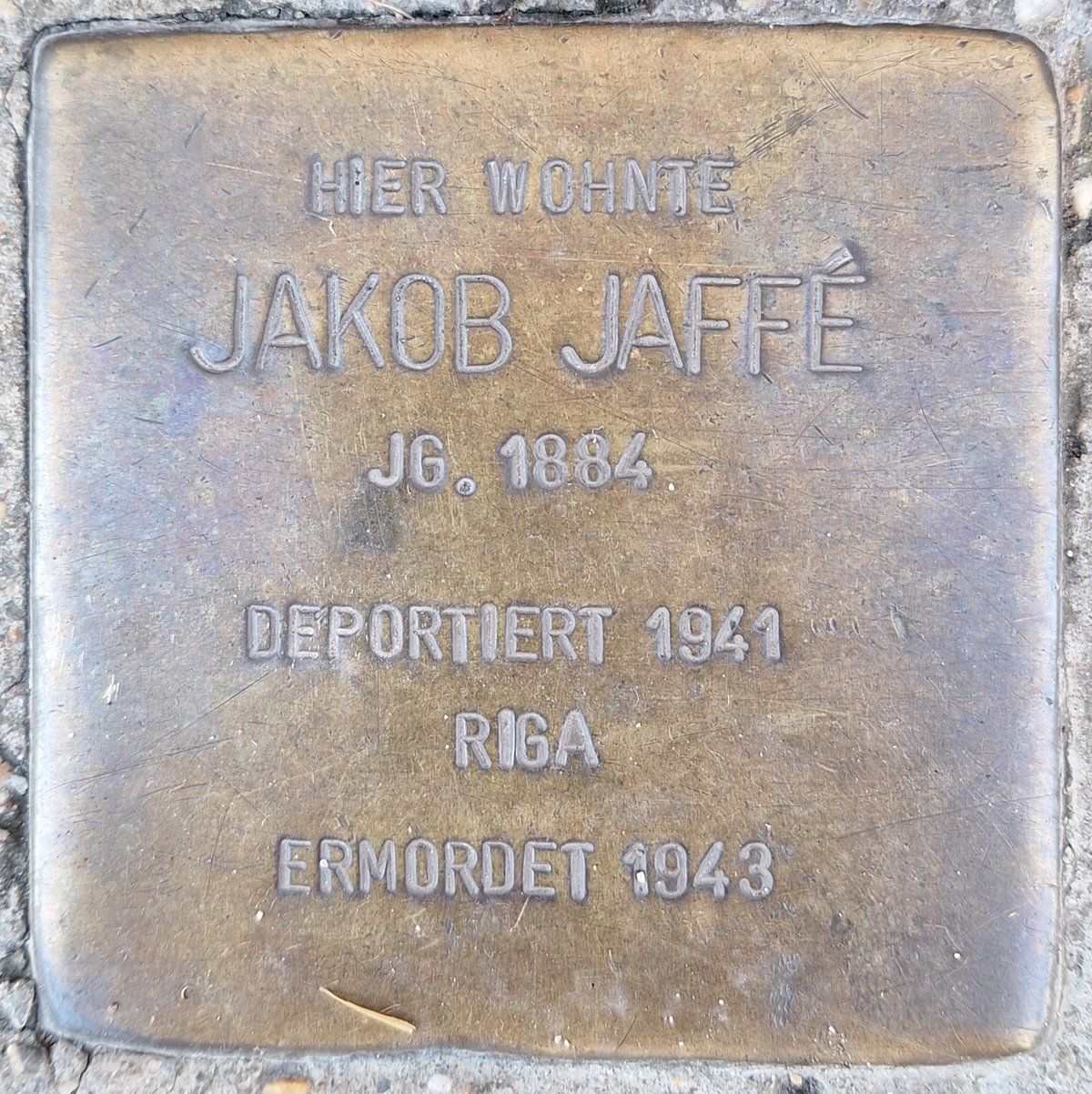
Jakob Jaffé’s Stolperstein is part of a cluster commemorating multiple members of the Jaffé family, including Frieda, Hans, and Hertha. The brass plaque is engraved:
Hier wohnte Jakob Jaffé, geboren 1884, deportiert Riga, ermordet November 1943 (TracesOfWar).
This offering of individual names and fates at their former residence renders the tragedy of the Holocaust immediate and personal.
Historical Context and Significance
Jakob Jaffé and his family were among thousands of Stuttgart Jews persecuted, deported, and murdered during the Nazi era. The city’s first Stolpersteine were installed in 2003, and by 2024, Stuttgart’s network has grown to more than 1,400 stones—one of the most active remembrance efforts in Germany (stuttgarter-zeitung.de). Each Stolperstein is funded by donations, typically costing around 120 euros, underscoring community investment in keeping memory alive (stolpersteine-stuttgart.de).
Visiting Information
Visiting Hours and Admission
- Open Access: Stolpersteine are public memorials, accessible at all times and free of charge.
- Best Time to Visit: Daylight hours are recommended for optimal visibility and reflection.
Visitor Etiquette
- Approach the stones with respect. Pausing to read the inscription and reflect is encouraged.
- Discreet photography is permitted; avoid disturbing residents or blocking pedestrian paths.
- Cleaning the stone with a soft cloth is a welcomed tradition.
- Leaving small stones or flowers is a meaningful gesture rooted in Jewish custom.
Travel Tips
- Wear comfortable walking shoes; Stolpersteine are distributed throughout the city.
- Consider combining your visit with a walking tour of other historical Jewish sites.
- Download the Audiala mobile app for guided audio tours and interactive maps.
Guided Tours and Educational Opportunities
Local organizations offer guided walks that contextualize the Stolpersteine within Stuttgart’s broader Jewish and Holocaust history. Educational programs involve school groups in research and maintenance, fostering intergenerational dialogue (stolpersteine-stuttgart.de).
Nearby Attractions
- Stuttgart Synagogue: A testament to the city’s Jewish heritage.
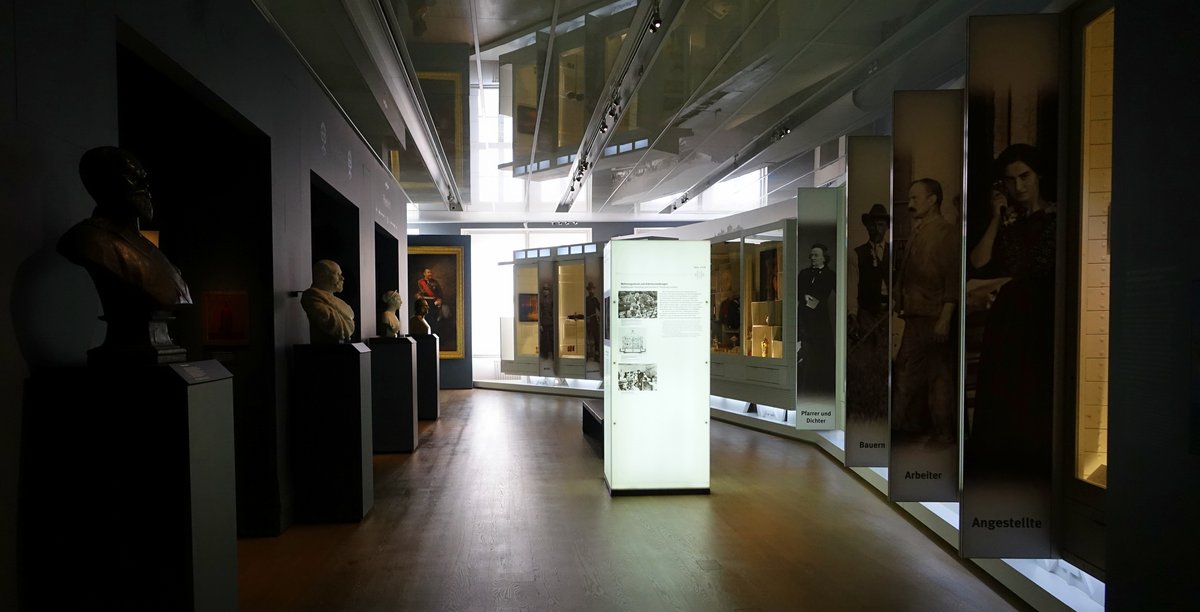
- Jewish Museum Stuttgart: Explores Jewish life and history in the region.
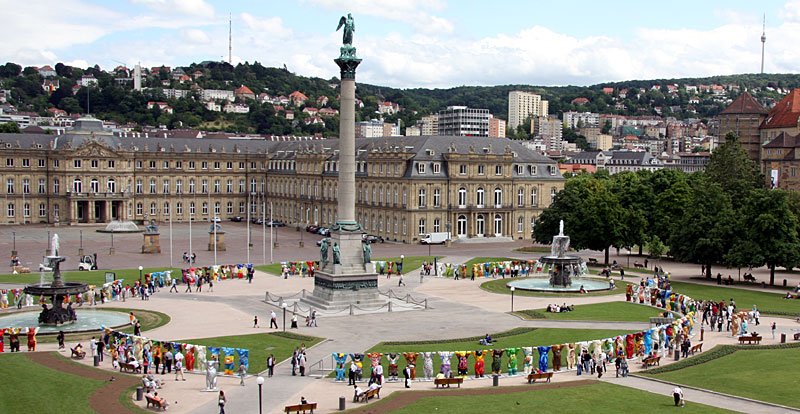
- Schlossplatz: Central square with cultural landmarks.
- Stuttgart City Library: Modern architecture and resources on local history.
- Mahnmal für die Opfer des Nationalsozialismus: Memorial for Nazi victims.
Rituals and Community Participation
Community involvement is central to the Stolpersteine’s endurance. Volunteers and school groups regularly clean the stones, and ceremonies are held on Holocaust Remembrance Day and other anniversaries. These rituals reaffirm the stones as active sites of public memory.
Frequently Asked Questions (FAQ)
Q: Do I need tickets to visit the Stolperstein?
A: No, Stolpersteine are public memorials and can be visited freely at any time.
Q: Is the Jakob Jaffé Stolperstein wheelchair accessible?
A: Yes, it is embedded at street level and accessible to those with mobility aids.
Q: Are guided tours available?
A: Yes, several local organizations offer guided walks that include Stolpersteine.
Q: Can I leave flowers or stones at the site?
A: Yes, this is an appropriate and meaningful gesture.
Q: How can I participate in maintaining the Stolpersteine?
A: Many groups organize cleaning events and welcome volunteers.
Discover More
Engaging with the Stolperstein for Jakob Jaffé invites you to participate in Stuttgart’s living culture of remembrance. Whether you are a local resident or visiting from afar, your presence honors the memory of those lost and supports the continued fight against forgetting. For further enrichment, use the Audiala app for guided tours, follow local Stolperstein initiatives, and explore other historical sites throughout Stuttgart.
Listen to the full story in the app
The whole Stolperstein Dedicated To Jakob Jaffé,
told well.
Audio guides for 1,100+ cities across 96 countries. History, stories, and local insight — offline ready.
Verified, and shown.
Researched and written by the Audiala editorial team from historical records, architectural archives, and local expertise.
Researched from Wikidata, Wikipedia & official sources · fact-checked · How we make our guides →