Plan and listen to Schlossgarten Stuttgart with Audiala.
Audio guide in your pocket, itinerary in your browser. Built for the way you actually visit.
Introduction: A Living Heritage
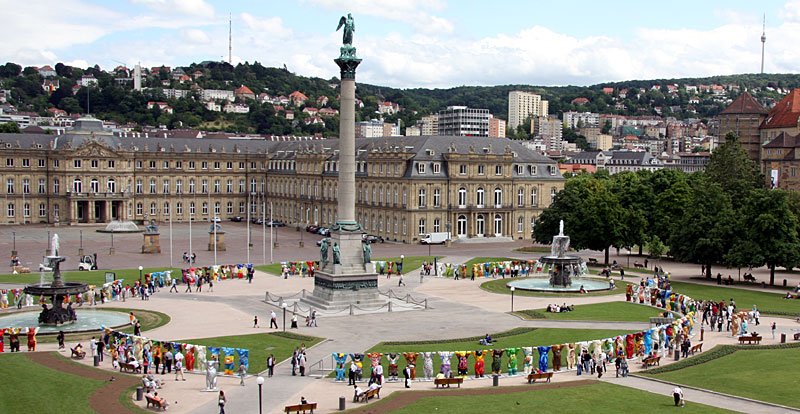
Schlossgarten Stuttgart is a vibrant urban oasis where history, culture, and nature converge. Its three sections—Upper, Middle, and Lower Schlossgarten—invite visitors to discover everything from baroque architecture and art installations to tranquil lakes, play areas, and bustling beer gardens. The park’s seamless integration with the city’s cultural institutions, such as the Neues Schloss, Stuttgart State Opera, and Staatsgalerie, make it both a destination and a gateway to Stuttgart’s rich heritage (World City Trail, Lonely Planet).


History and Cultural Significance
Origins and Evolution
Schlossgarten’s roots stretch back over 600 years, originating as hunting and pleasure grounds for the Dukes of Württemberg. The area’s transformation began in the 18th century with French formal garden designs introduced by Duke Eberhard Ludwig, later giving way to English landscape influences in the 19th century. This blend of formality and naturalism mirrors the democratization of public space, as exclusive royal gardens were gradually opened to all (Stuttgart Informationen, cappuccinoandadream.com).
Urban and Architectural Highlights
Central to the park’s identity are the Neues Schloss (New Palace) and the Stuttgart State Opera, along with other landmarks like the Hauptbahnhof and the Staatsgalerie art museum. The park’s evolution has paralleled Stuttgart’s own transformation from a ducal seat to a modern metropolis, with contemporary projects such as the Schlossgartenquartier enhancing its role as a green gateway and civic centerpiece (schlossgartenquartier.de).
Layout and Main Sections of Schlossgarten Stuttgart
Schlossgarten is officially divided into three interconnected sections, each offering distinct atmospheres and attractions:
1. Upper Schlossgarten (Oberer Schlossgarten)
- Location: East of Schlossplatz and Neues Schloss, bordering key cultural and governmental buildings.
- Features:
- Eckensee Lake: Picturesque artificial lake with a central fountain, surrounded by the State Opera and State Parliament.
- Art and Monuments: Numerous sculptures, fountains, and the historic Akademiegarten.
- Atmosphere: Formal landscaping, paved walkways, and frequent open-air cultural events.
2. Middle Schlossgarten (Mittlerer Schlossgarten)
- Location: East of Upper Schlossgarten, forming part of Stuttgart’s “Grünes U” park network.
- Features:
- Lakes and Water Features: Cascading streams and spring gardens.
- Beer Gardens and Cafés: Popular spots like Café am Nil and local beer gardens.
- Event Spaces: Venues for music festivals, fairs, and community gatherings.
- Recreation: Playgrounds, jogging paths, and picnic lawns.
- Design: Redesigned for the 1961 Bundesgartenschau, blending modern landscaping with natural openness.
3. Lower Schlossgarten (Unterer Schlossgarten)
- Location: Extends northeast to the Neckar River, connecting with Rosensteinpark and Wilhelma Zoo.
- Features:
- Plane Tree Avenue: Grand walkway linking to Villa Berg and Rosenstein Palace.
- Nymphenbrunnen Fountain: Artistic centerpiece.
- Marble Figures and Artificial Lakes: Add to the park’s tranquil, naturalistic ambiance.
- Play Areas and Sports Facilities: Family-friendly spaces for activity and relaxation.
- Integration: Forms part of the larger “Grünes U” urban green corridor.
Key Attractions and Nearby Sights
Cultural Landmarks
- Neues Schloss (New Palace): Baroque palace at the park’s edge, open for tours and events.
- Staatsgalerie Stuttgart: Renowned art museum featuring European masterpieces (Know Germany).
- Kunstmuseum Stuttgart: Modern art in a striking glass cube on Schlossplatz.
- Stuttgart State Opera and Staatstheater: Hosts acclaimed operas, ballets, and concerts.
Rosensteinpark and Wilhelma Zoo
- Wilhelma Zoo and Botanical Garden: One of Europe’s top zoos, with 11,000+ animals and 8,500+ plant species (Know Germany).
- Rosenstein Palace: Neoclassical palace and home to the State Museum of Natural History.
Biergarten Schloßgarten
- Culinary Hub: Traditional Swabian specialties, local beers, and a festive, family-friendly atmosphere (World City Trail).
- Events: Live music, public sports viewings, and seasonal festivals.
Events and Community Life
Schlossgarten is Stuttgart’s main venue for cultural festivals, open-air concerts, and community gatherings. Highlights include:
- Stuttgart Summer Festival: Live music, food stalls, and family activities (Know Germany).
- Zubrovka’s Little House Festival: Music and arts at Sonja Merz Biergarten (allevents.in).
- Open-Air Performances: Regular concerts and theater events, especially in summer.
The park’s open design makes it a year-round hub for spontaneous gatherings, picnics, sports, and relaxation (cappuccinoandadream.com).
Visitor Information: Hours, Tickets, Accessibility
- Opening Hours: Schlossgarten Stuttgart is generally open daily from 6:00 AM to 10:00 PM. Some sections may remain accessible 24/7, but facilities and lighting vary.
- Tickets: Entrance to the park is free. Certain attractions (Wilhelma Zoo, Staatsgalerie, tours) require separate tickets; check official websites for details.
- Accessibility: The entire park is wheelchair- and stroller-friendly, with paved paths and ramps. Main entrances are easily accessed via Stuttgart Hauptbahnhof and other public transport options (UrTrips).
- Facilities: Public toilets, benches, picnic tables, cafés, and event infrastructure are available throughout the park.
- Travel Tips:
- Visit in spring or early autumn for the best weather and vibrant foliage.
- Early mornings and weekdays offer quieter experiences.
- Dogs are allowed but must be leashed; barbecuing is only permitted in designated areas.
Travel Tips & Frequently Asked Questions (FAQ)
Q: What are Schlossgarten Stuttgart’s opening hours?
A: Typically 6:00 AM–10:00 PM, though some areas may be accessible at all hours.
Q: Is there an entrance fee?
A: No, entry is free. Special events and attractions may have ticket fees.
Q: Are pets allowed?
A: Yes, dogs are welcome on a leash.
Q: Is the park wheelchair accessible?
A: Yes, most paths are flat and accessible.
Q: Are guided tours available?
A: Yes, bookable through Stuttgart’s tourism office and private providers (Eventbrite).
Q: How do I reach the park?
A: Easily walkable from Stuttgart Hauptbahnhof; well-served by trams, buses, and S-Bahn.
Q: What are the best times to visit?
A: Spring through early autumn for festivals and greenery, but the park is beautiful year-round.
Summary Table: Schlossgarten at a Glance
| Section | Key Features | Atmosphere/Use | Notable Landmarks |
|---|---|---|---|
| Upper Schlossgarten | Eckensee, State Opera, Parliament, Akademiegarten | Formal, cultural, urban | Empire Fountain, sculptures |
| Middle Schlossgarten | Lakes, beer garden, Café am Nil, event spaces | Social, recreational | Cascading water, open lawns |
| Lower Schlossgarten | Plane tree avenue, Nymphenbrunnen, play areas | Naturalistic, family-friendly | Marble statues, Rosensteinpark link |
For a detailed map, visit the official Stuttgart city map.
Discover More
Schlossgarten Stuttgart is a unique blend of history, culture, and nature—freely accessible and welcoming to all. Plan your visit to coincide with seasonal events, enjoy guided tours for deeper insights, and explore nearby museums for a full Stuttgart experience. For updated information, maps, and audio tours, download the Audiala app and check official resources.
Don’t miss the chance to enjoy Stuttgart’s green heart—whether you're after a tranquil escape, cultural enrichment, or family fun, Schlossgarten Stuttgart promises an unforgettable visit.
Listen to the full story in the app
The whole Schlossgarten Stuttgart,
told well.
Audio guides for 1,100+ cities across 96 countries. History, stories, and local insight — offline ready.
Verified, and shown.
Researched and written by the Audiala editorial team from historical records, architectural archives, and local expertise.
Researched from Wikidata, Wikipedia & official sources · fact-checked · How we make our guides →