Plan and listen to Schloss Hohenheim with Audiala.
Audio guide in your pocket, itinerary in your browser. Built for the way you actually visit.
Introduction
Schloss Hohenheim, gracefully situated on the southern edge of Stuttgart, stands as a testament to the region’s historical depth, architectural refinement, and academic innovation. With its origins tracing back to the 12th century, the palace has undergone centuries of transformation—from a medieval manor to a grand Rococo residence under Duke Carl Eugen of Württemberg, and finally becoming Germany’s oldest agricultural university. Today, Schloss Hohenheim is celebrated for its architectural splendor, expansive gardens inspired by Versailles, and rich cultural programming, making it a must-visit destination for history enthusiasts, families, and travelers to Stuttgart.
This guide offers a detailed overview of Schloss Hohenheim's history, architectural evolution, garden highlights, museums, and up-to-date visitor information—including opening hours, ticketing, accessibility, and travel tips. With insights into nearby attractions and practical recommendations, this article equips you to plan an enriching visit to one of Stuttgart’s premier historical sites. For additional details and updates, refer to the official University of Hohenheim website and Places of Germany portal.


Origins and Early Development
The earliest records of Hohenheim date back to the 12th century, when the estate was a fief of the County of Württemberg (stadtlexikon-stuttgart.de). Over the centuries, the property changed hands numerous times, including ownership by the Bombaste von Hohenheim family—whose lineage includes the notable polymath Paracelsus—and later by the hospital of Esslingen. Following destruction during the Thirty Years’ War, Emanuel Garb rebuilt the estate in 1676 as an early Baroque moated manor.
Ducal Transformation and Baroque Grandeur
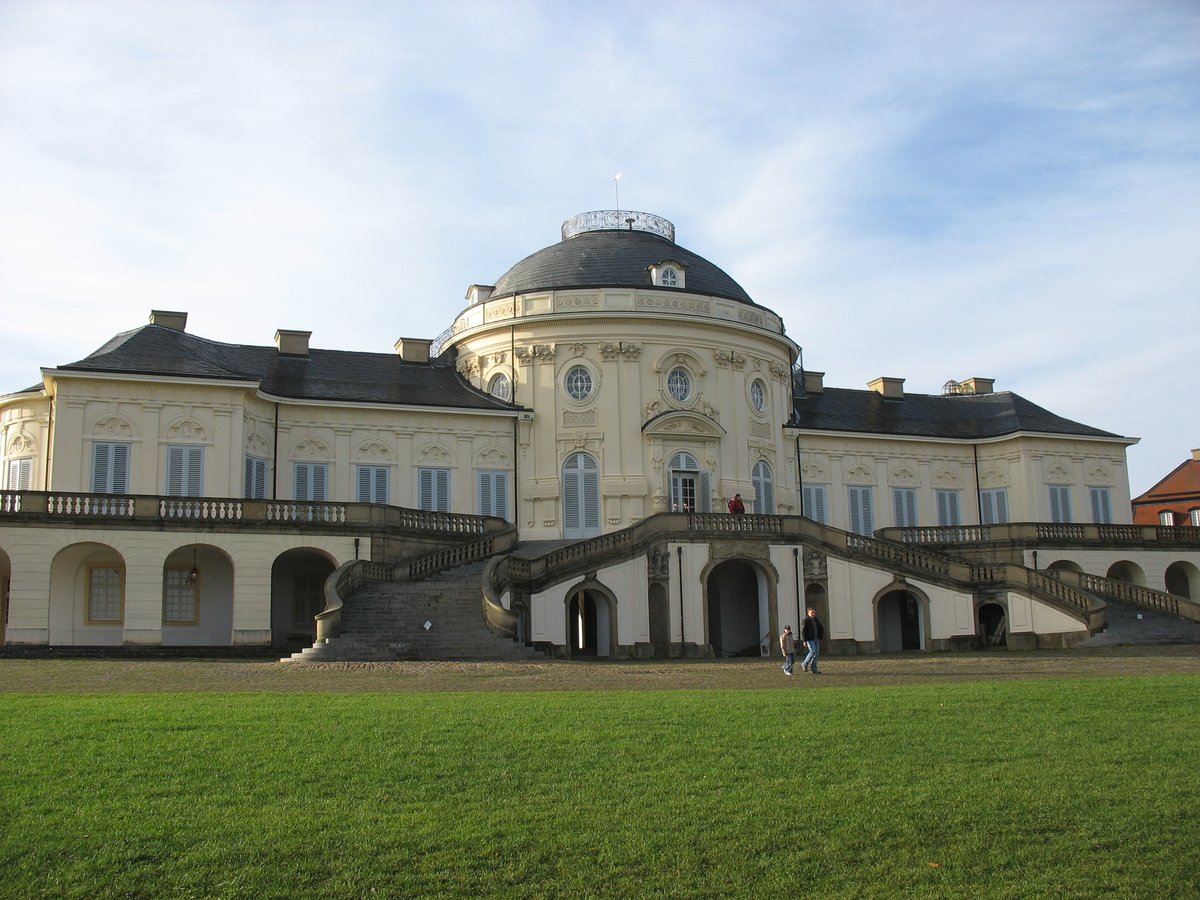
The palace’s most significant transformation began in 1769, when Duke Carl Eugen von Württemberg acquired the estate. Inspired by Enlightenment ideals and the Rococo style, Carl Eugen, together with architect Reinhard Ferdinand Heinrich Fischer, reimagined Hohenheim as a grand ducal residence. Construction commenced in 1772, culminating in an impressive palace complex with 75 rooms and a façade stretching 570 meters, showcasing symmetry, ornate stucco, and pastel interiors emblematic of Rococo elegance (placesofgermany.de).
Evolution, Restoration, and Academic Legacy
After the Duke’s passing in 1793, Schloss Hohenheim entered a period of decline, serving as a hospital and barracks during the Napoleonic Wars. In 1818, King Wilhelm I repurposed the estate as an Agricultural Educational Testing and Model Institution, laying the foundation for the modern University of Hohenheim (uni-hohenheim.de). Despite wartime damages, extensive restoration in the 20th century preserved the palace’s historic character, with adaptive reuse integrating university facilities and modern amenities.
Gardens and Cultural Landscape
Modeled after Versailles and the English landscape garden tradition, the Hohenheim gardens cover over 30 hectares, featuring more than 4,000 plant species. The estate includes the Landesarboretum, the Botanischer Garten, and the Exotic Garden, presenting a living exhibition of rare trees and seasonal floral displays (gaerten.uni-hohenheim.de). Notable features:
- Winding paths and open lawns inspired by the English garden style
- Themed sections, such as lavender fields and sculpture collections
- Historic garden follies and miniature replicas commissioned by Duke Carl Eugen
- Panoramic viewpoints of the Swabian Jura and Staufer mountains
The gardens are open daily, offering year-round recreation and educational opportunities.
Museums and Educational Significance
Schloss Hohenheim houses several museums that enrich Stuttgart’s cultural landscape:
- Deutsches Landwirtschaftsmuseum (German Agricultural Museum): Explores the evolution of agricultural technology and practice.
- Zoologisches und Tiermedizinisches Museum: Focuses on zoological and veterinary sciences.
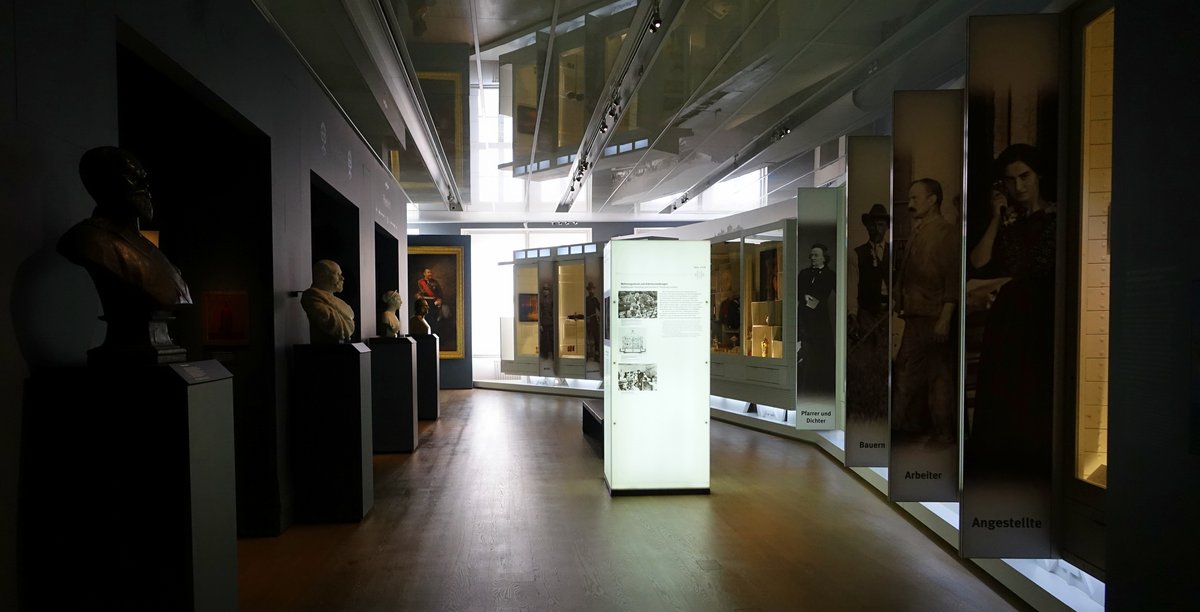
- Museum zur Geschichte Hohenheims: Chronicles the estate’s transformation and university heritage.
These museums are open to the public during regular visiting hours and special events, supporting both academic research and community engagement (uni-hohenheim.de).
Visiting Schloss Hohenheim: Practical Information
Opening Hours
- Palace and Museums: Tuesday to Sunday, 10:00 AM – 5:00 PM (closed Mondays and public holidays; subject to change during university events)
- Gardens: Open daily from dawn to dusk
Ticket Prices
- Palace & Museums: Adults €8, reduced €5 (students/seniors), children under 12 free
- Guided Tours: Priced from €60 per hour for groups; advance booking recommended
- Gardens: Free entry
Tickets are available online via the University of Hohenheim official website or at the on-site ticket office.
Accessibility
- Wheelchair access to main palace areas and gardens
- Accessible restrooms and pathways; some historical interiors have limited access
- Assistance and tailored guided tours available by prior arrangement
- Service dogs permitted
Getting There & Travel Tips
- By Public Transport: Accessible via Stuttgart’s VVS network (bus lines 62, 65, 70, and 74). The “Hohenheim Universität” stop is nearby.
- By Car: Parking available on campus, though limited during university events
- By Bike: Dedicated cycling routes lead to the palace grounds
Travelers are encouraged to use public transport, especially during busy periods.
Guided Tours
Public and private guided tours delve into the palace’s history, architecture, gardens, and notable personalities such as Franziska von Hohenheim. Tours are most popular during the annual Open Days in July, with additional family-friendly programming (uni-hohenheim.de). English-language tours and materials are available upon request.
Events, Dining, and Amenities
Events
- Open Days (July): Guided tours, concerts, lectures, and children’s activities
- Concerts and Lectures: Hosted in the state rooms and gardens throughout the year
- Academic and Cultural Events: Exhibitions, science festivals, and university ceremonies open to visitors
Dining
- Speisemeisterei: Michelin two-star restaurant offering gourmet cuisine in the historic Kavaliersbau (speisemeisterei.de)
- Cafés and Mensa: University cafeteria and nearby cafés provide affordable meal options
- Food Stalls: Available during major events
Amenities
- Restrooms in palace/university buildings during opening hours
- Multilingual staff and brochures (German/English)
- Souvenir shop with books, postcards, and local products
Frequently Asked Questions (FAQ)
Q: What are the Schloss Hohenheim visiting hours?
A: Gardens open daily from dawn to dusk; palace and museums open Tuesday–Sunday, 10:00 AM–5:00 PM. Interior access is primarily via guided tour or special events.
Q: Are tickets required for the gardens?
A: No, garden entry is free. Tickets are needed for palace tours and certain museum exhibitions.
Q: How do I book a palace tour?
A: Book in advance through the University of Hohenheim website or by contacting visitor services.
Q: Is Schloss Hohenheim wheelchair accessible?
A: Most gardens and main palace areas are accessible. Some interiors may have limited access due to historic architecture.
Q: Are pets allowed?
A: Dogs are permitted in the gardens on a leash but not inside the palace or museums.
Q: Is there parking available?
A: Yes, though spaces are limited during busy times; public transport is advised.
Q: Can I dine at Schloss Hohenheim?
A: Yes, Speisemeisterei offers fine dining, and casual options are available on campus.
Nearby Attractions
Stuttgart offers a wealth of cultural and recreational sites easily combined with a visit to Schloss Hohenheim:
- Schloss Solitude: Another grand palace with scenic vistas (Traveling Igloo)
- Wilhelma Zoo and Botanical Garden: Family-friendly and educational
- Mercedes-Benz & Porsche Museums: For automotive enthusiasts
- Stuttgart City Center: Includes Schlossplatz, New Palace, Staatsgalerie (Best Things to Do in Stuttgart)
Listen to the full story in the app
The whole Schloss Hohenheim,
told well.
Audio guides for 1,100+ cities across 96 countries. History, stories, and local insight — offline ready.
Verified, and shown.
Researched and written by the Audiala editorial team from historical records, architectural archives, and local expertise.
Researched from Wikidata, Wikipedia & official sources · fact-checked · How we make our guides →