Plan and listen to Old Castle with Audiala.
Audio guide in your pocket, itinerary in your browser. Built for the way you actually visit.
Introduction
Nestled at the heart of Stuttgart, Germany, the Old Castle (Altes Schloss Stuttgart) stands as a living testament to the city’s medieval origins, Renaissance grandeur, and vibrant contemporary culture. Originally constructed in the early 13th century as a moated fortress for the Counts of Württemberg, the castle has evolved through centuries of architectural transformation—from a military stronghold into a splendid Renaissance palace, and eventually a royal residence. Today, as the home of the Württemberg State Museum (Landesmuseum Württemberg), the Old Castle invites visitors to explore Stuttgart’s rich history, exceptional collections, and architectural marvels.
This detailed guide provides all the key information you need for your visit, including the latest visiting hours, ticketing options, accessibility details, and highlights of the castle’s historical and cultural significance. For the most up-to-date information, refer to official tourism and museum resources (Thrillophilia; Landesmuseum Württemberg; Stuttgart Tourist).



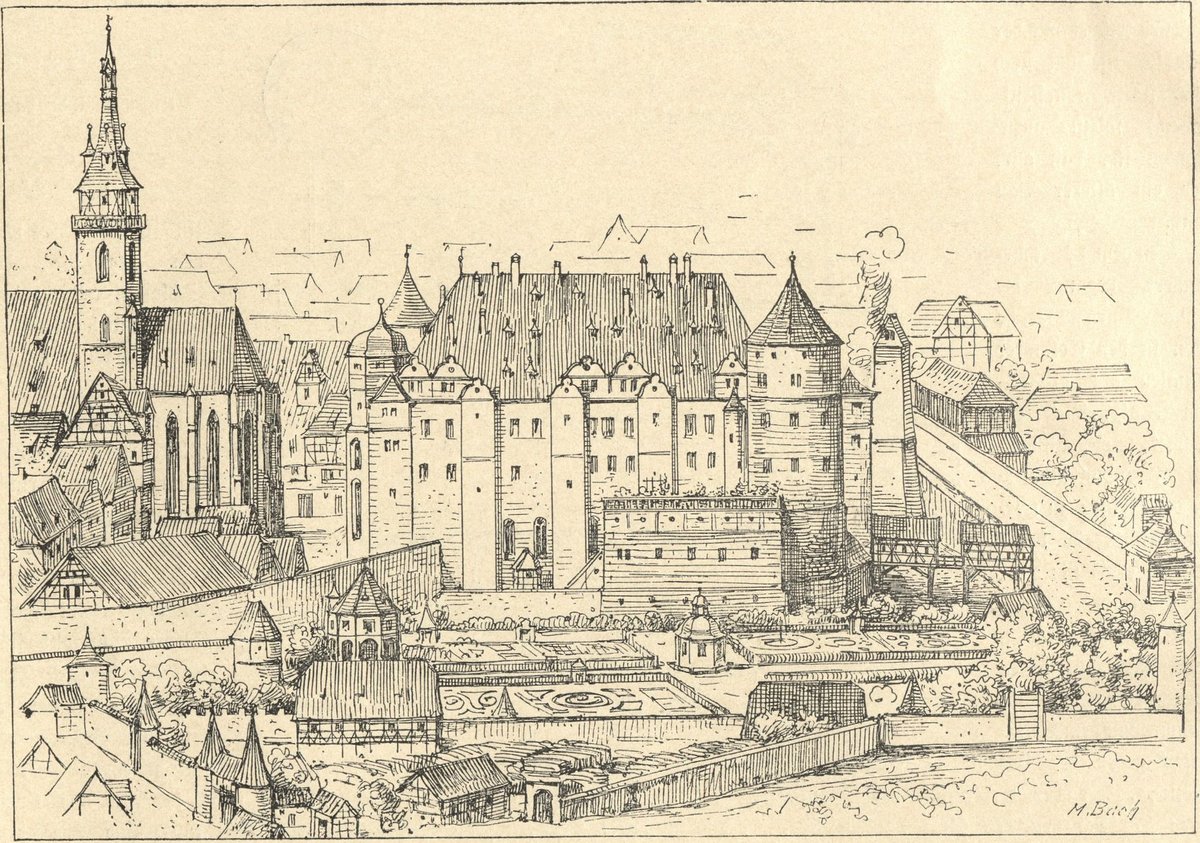


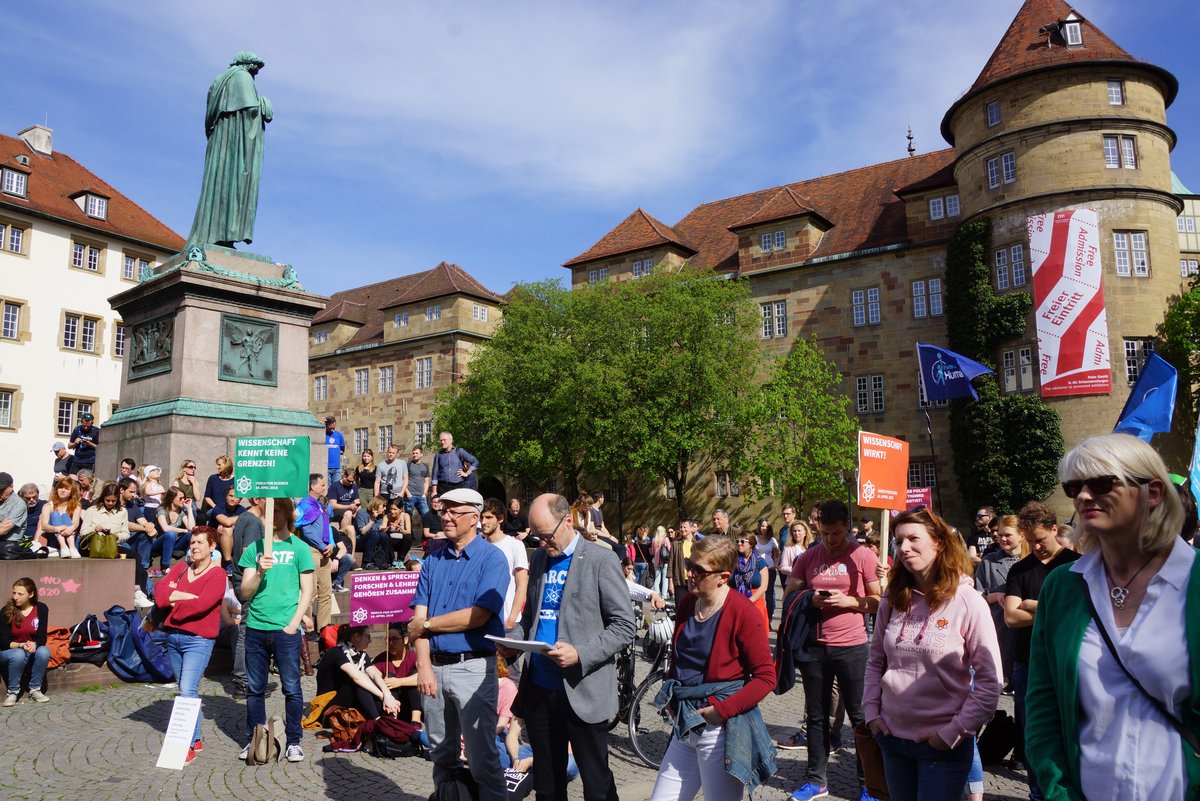
Medieval Origins and Early Growth
The Old Castle’s foundations date to the early 13th century, when it was built as a moated fortress to protect the burgeoning settlement of Stuttgart. Serving as the seat of the Counts of Württemberg, the castle was strategically located to control the surrounding region. Its original design featured thick defensive walls, a protective moat, and sturdy towers, reflecting the military priorities of the era (Thrillophilia).
Over the 14th and 15th centuries, the castle was repeatedly expanded and fortified, gradually becoming the principal residence of the Württemberg dynasty. Its significance grew alongside Württemberg’s rise within the Holy Roman Empire.
Renaissance Transformation
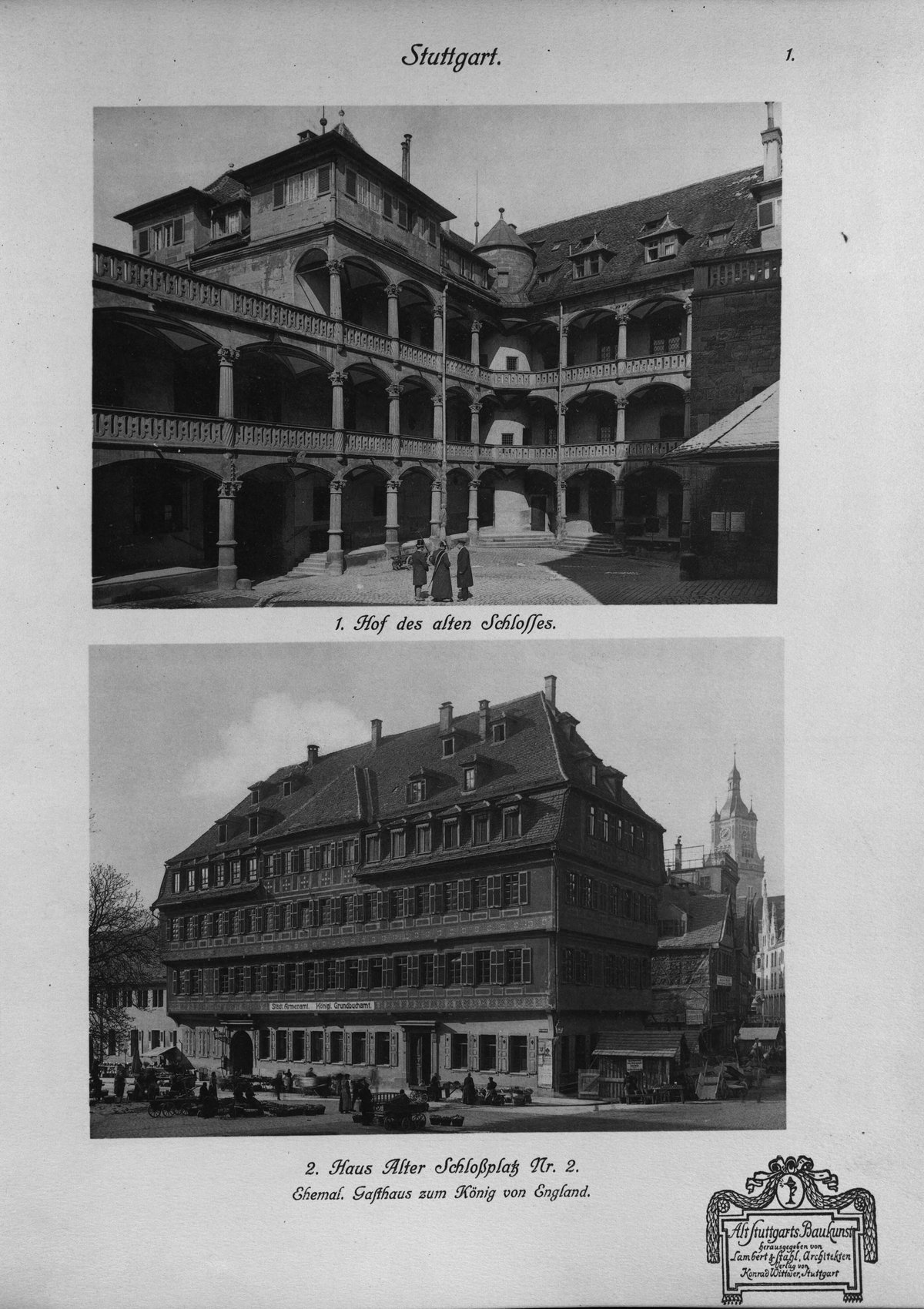
The late 15th and early 16th centuries brought a profound transformation. Under the patronage of Count Eberhard I and Duke Ulrich, and later with the Italian architect Aberlin Tretsch, the Old Castle was reshaped into a Renaissance palace. This period saw the addition of ornate arcaded courtyards, elegant facades, and spacious halls, merging defensive architecture with the sophistication of the Renaissance (museumspass.com).
Ducal and Royal Residence
From the 16th to 18th centuries, the Old Castle was at the heart of courtly and political life in Württemberg. Royal ceremonies, state events, and lavish banquets took place within its walls. The adjacent Stiftskirche (Collegiate Church) became the royal burial site, intertwining the castle’s history with Württemberg’s ruling family (Thrillophilia).
Decline, Restoration, and Modern Use
By the late 18th century, the construction of new palaces (like the Neues Schloss) shifted royal life elsewhere. The Old Castle adapted to administrative and ceremonial uses. Severely damaged in World War II, it was meticulously restored in the 1950s and 1960s, balancing historic preservation with modern functionality (Destination The World; explorial.com).
Architectural Highlights
- Arcaded Renaissance Courtyard: The castle’s centerpiece, with three levels of harmonious arcades, often hosting cultural events and seasonal festivals.
- Medieval Towers: Four original round towers anchor the castle, recalling its fortress origins.
- Renaissance Portals: Intricately carved entrances and heraldic symbols reflect the palace’s 16th-century transformation.
- Moat Remnants: Vestiges of the original moat and bridge hint at its defensive history.
- Gothic Dürnitz Hall: A grand hall now serving as the museum’s entrance.
- “Rider’s Staircase”: A unique architectural feature once used by mounted knights to access the upper floors (Landesmuseum Stuttgart).
Restoration efforts have preserved these architectural layers, blending medieval, Renaissance, and Baroque elements with modern museum spaces.
Württemberg State Museum
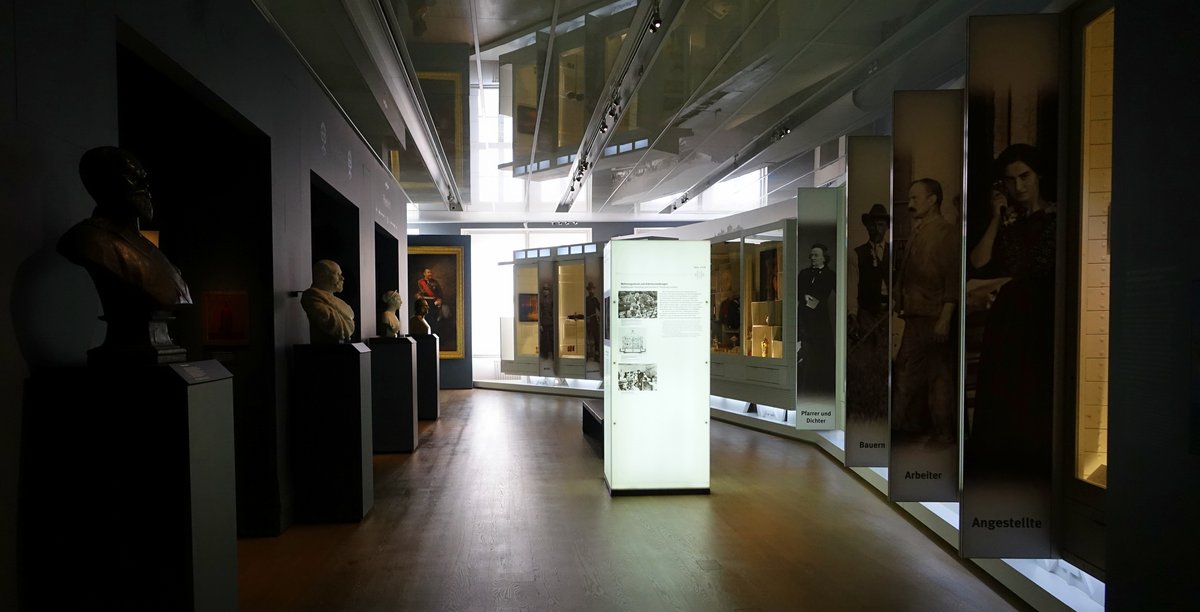
Housed within the Old Castle since 1948, the Landesmuseum Württemberg is one of Germany’s leading cultural history museums. Its collections and exhibitions span from the Stone Age to contemporary times:
- Prehistoric and Archaeological Artifacts: Stone Age tools, Celtic gold, Roman relics.
- Royal Regalia: Crowns, scepters, and ceremonial items from the Württemberg dynasty.
- Art and Craftsmanship: Masterpieces from the Middle Ages through the 19th century, including religious art, jewelry, and everyday objects.
- Royal Crypt: Beneath the castle church, the crypt houses the tombs of former Württemberg rulers.
- Interactive Children’s Museum (Junges Schloss): Engaging displays and hands-on activities for families (museumspass.com; Landesmuseum Stuttgart).
The museum regularly hosts special and temporary exhibitions, educational workshops, and guided tours in multiple languages.
Visitor Information: Hours, Tickets, Accessibility
Opening Hours
- Tuesday–Sunday: 10:00 AM – 5:00 PM
- Closed: Mondays and selected public holidays (always check the official website for updates)
Ticket Prices
- Adults: €7–€8 (varies by exhibition)
- Reduced (students, seniors): €4–€5
- Children/Youth under 18: Free
- StuttCard Holders: Free entry and additional benefits (germanywithamy.com)
- Special Offers: “Pay what you wish” on Wednesdays from 2 PM (WhichMuseum)
Tickets can be purchased online or at the museum entrance.
Accessibility
- Wheelchair Access: Elevators and ramps serve most public areas.
- Assistive Services: Staff assistance and accessible restrooms available.
- Audio Guides: Available in German, English, and other languages (Urtrips).
Getting There
- Address: Schillerplatz 6, 70173 Stuttgart, Germany
- Public Transport: U-Bahn stations Schlossplatz and Charlottenplatz; bus lines; short walks from city center landmarks.
- Parking: Several public garages nearby; public transport is recommended (Stuttgart Tourist).
Facilities
- Café Dürnitz: Regional and international cuisine, indoor/outdoor seating.
- Museum Shop: Books, souvenirs, and gifts.
- Public Toilets: Located on premises.
- Free House of Music: Entry included within the complex (Urtrips).
Special Events and Guided Tours
The Old Castle’s Renaissance courtyard and historic halls host a range of events:
- Seasonal Festivals: Stuttgart Summer Festival and Christmas Market enliven the courtyard with music, crafts, and food (The Crazy Tourist).
- Concerts and Lectures: Classical music, lectures, and community celebrations throughout the year.
- Wine Tastings: The castle cellars sometimes host tastings of regional wines (TravelSetu).
Guided Tours: Offered in multiple languages, covering the castle’s history, architecture, and museum highlights. Advance booking is recommended.
Workshops and Educational Programs: Interactive experiences for children, families, and school groups.
Tips for Visitors
- Best Times: Weekday mornings for quieter visits. Christmas market season offers a festive but busy atmosphere.
- Duration: Allocate at least 2 hours for a comprehensive visit.
- Photography: Allowed in public and courtyard areas; some galleries may restrict photography.
- Plan Ahead: Check for special exhibitions, guided tour schedules, and current events.
- Combine Visits: Explore nearby Schlossplatz, Staatsgalerie, and the Collegiate Church.
- Accessibility Note: While most areas are accessible, some historic sections may be limited for visitors with mobility challenges.
Nearby Attractions, Accommodation, and Dining
- Nearby Attractions: Schlossplatz, Staatsgalerie Stuttgart, Collegiate Church (Stiftskirche), Königstrasse shopping street (Wide World Trips).
- Hotels: Motel One Stuttgart Mitte (1.37 km), Steigenberger Graf Zeppelin Hotel (1.42 km) (Urtrips).
- Dining: On-site café and numerous restaurants in Schillerplatz and city center, offering Swabian and international cuisine.
Frequently Asked Questions (FAQ)
Q: What are the Old Castle Stuttgart visiting hours?
A: Tuesday to Sunday, 10:00 AM to 5:00 PM; closed Mondays.
Q: How much are tickets?
A: Adults €7–€8; reduced €4–€5; free for visitors under 18.
Q: Can I buy tickets online?
A: Yes, online ticketing is available via the official website.
Q: Is the Old Castle accessible for visitors with disabilities?
A: Most public areas are accessible with ramps and elevators.
Q: Are guided tours available?
A: Yes, in several languages; check schedules and book in advance.
Q: Is photography allowed?
A: Generally in public and courtyard areas; some galleries may restrict photography.
Listen to the full story in the app
The whole Old Castle,
told well.
Audio guides for 1,100+ cities across 96 countries. History, stories, and local insight — offline ready.
Verified, and shown.
Researched and written by the Audiala editorial team from historical records, architectural archives, and local expertise.
Researched from Wikidata, Wikipedia & official sources · fact-checked · How we make our guides →