Plan and listen to Linden Museum with Audiala.
Audio guide in your pocket, itinerary in your browser. Built for the way you actually visit.
Introduction
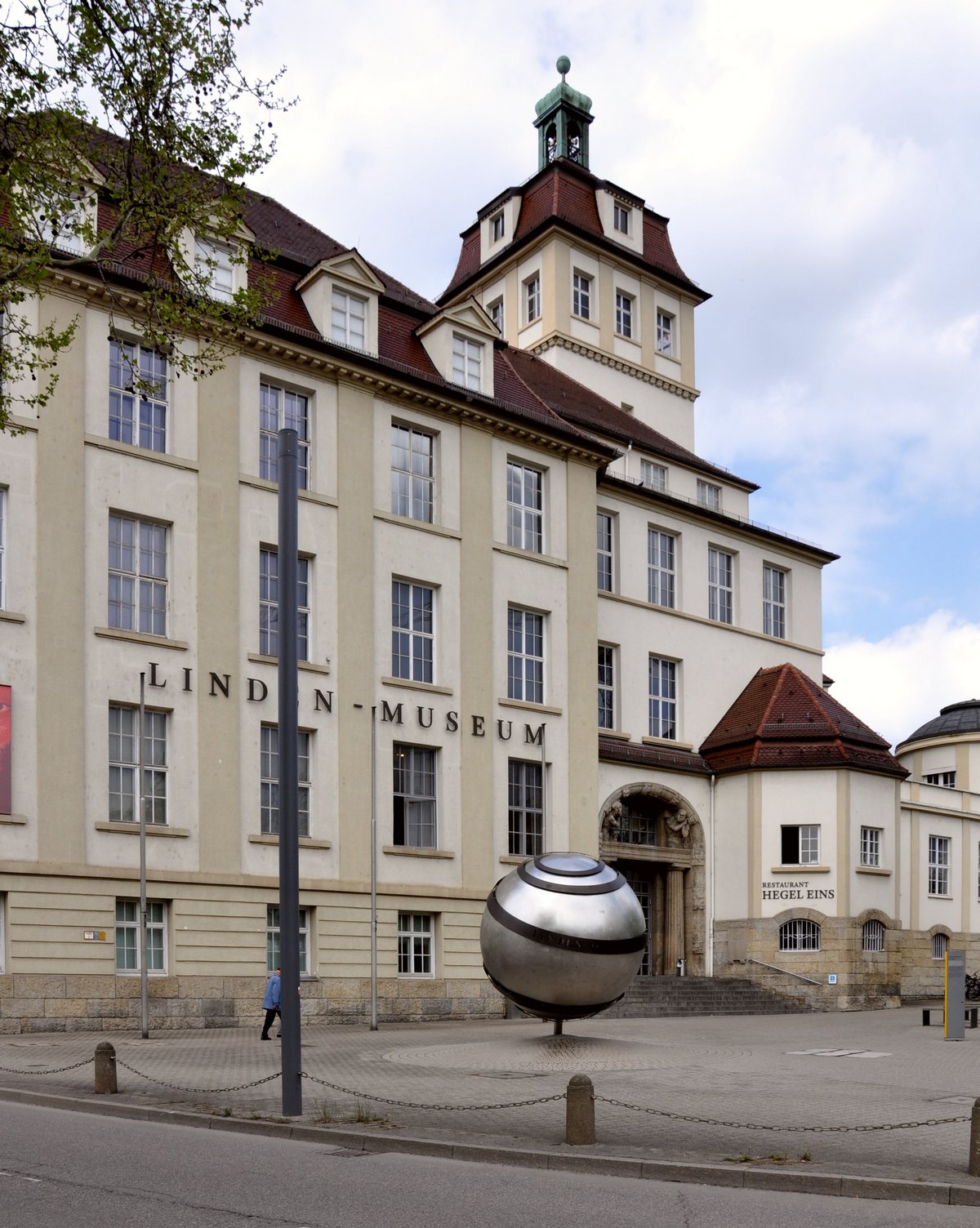
Nestled in the cultural heart of Stuttgart, Germany, the Linden Museum is one of Europe’s leading ethnological institutions. Established in 1882, the museum has evolved from a focus on trade geography to a world-renowned center for global cultural heritage. Today, it houses approximately 160,000 objects representing Africa, the Americas, Asia, Oceania, and the Islamic East, all displayed within a striking early 20th-century building on Hegelplatz. The Linden Museum stands at the forefront of provenance research, ethical stewardship, and digital access, making it a must-visit for history enthusiasts, families, and cultural explorers. This guide provides up-to-date information on visiting hours, ticketing, accessibility, highlights of permanent and special exhibitions, travel tips, and the museum's ongoing commitment to transparency and community engagement (Linden Museum official site; Digital Collection Project).

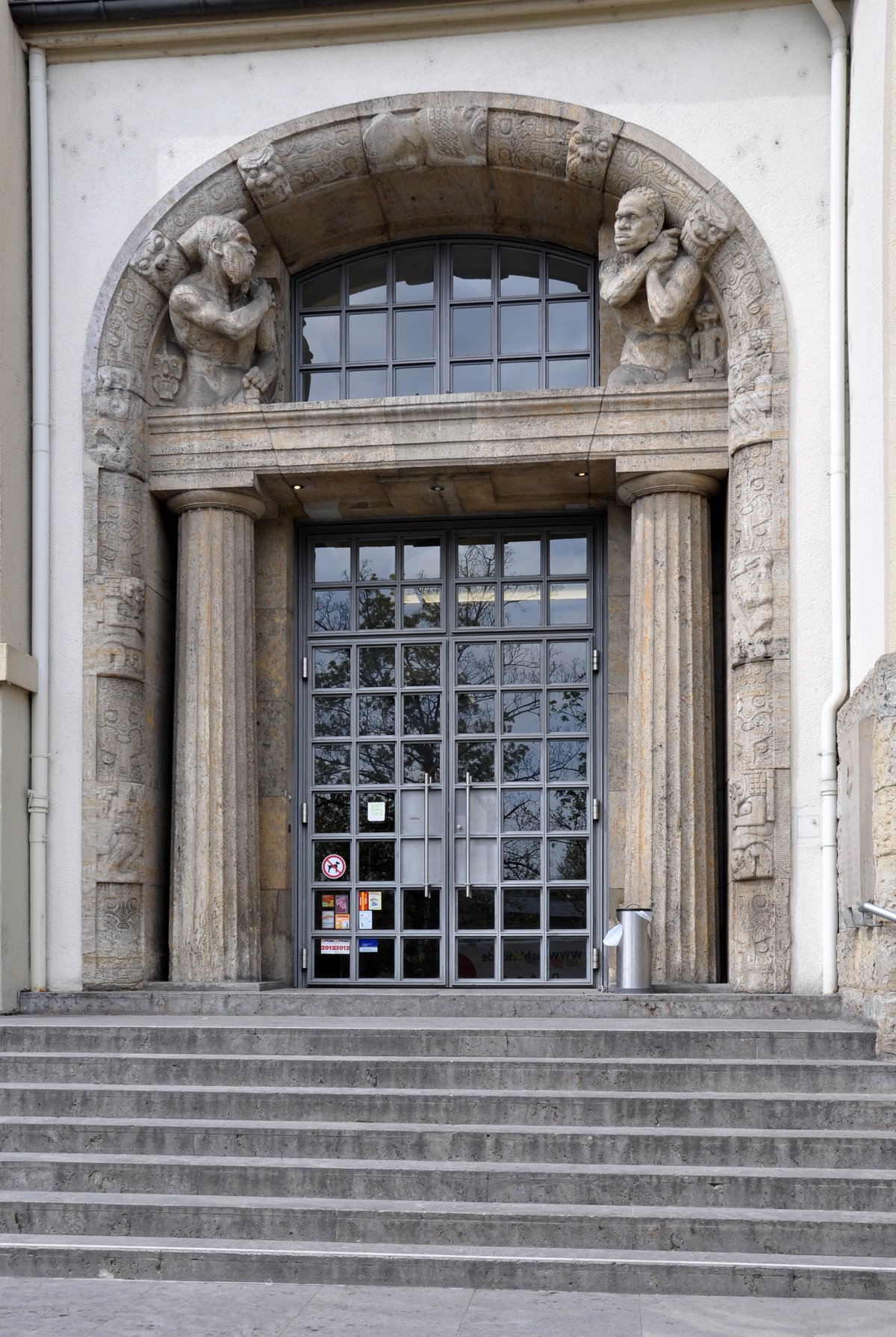
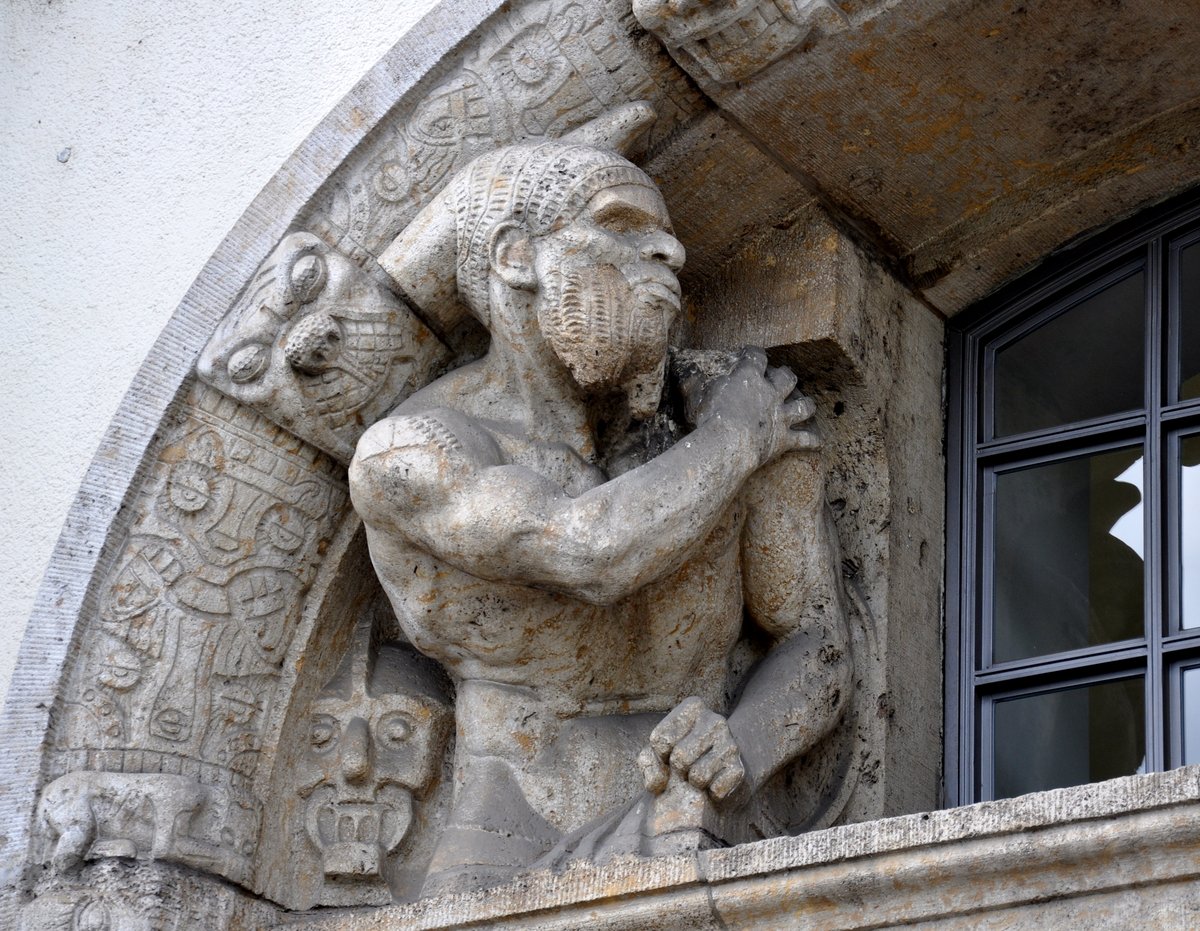
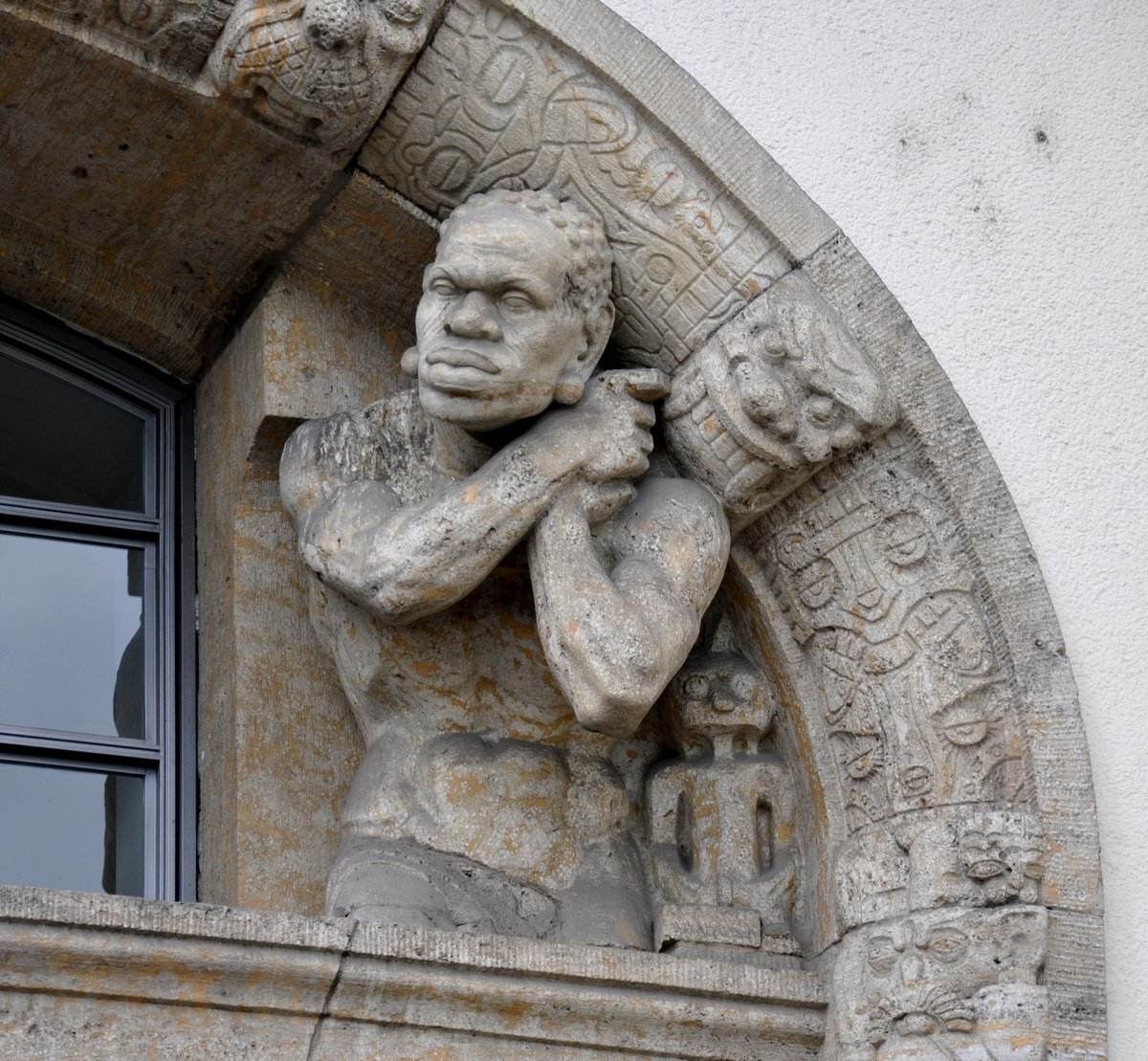
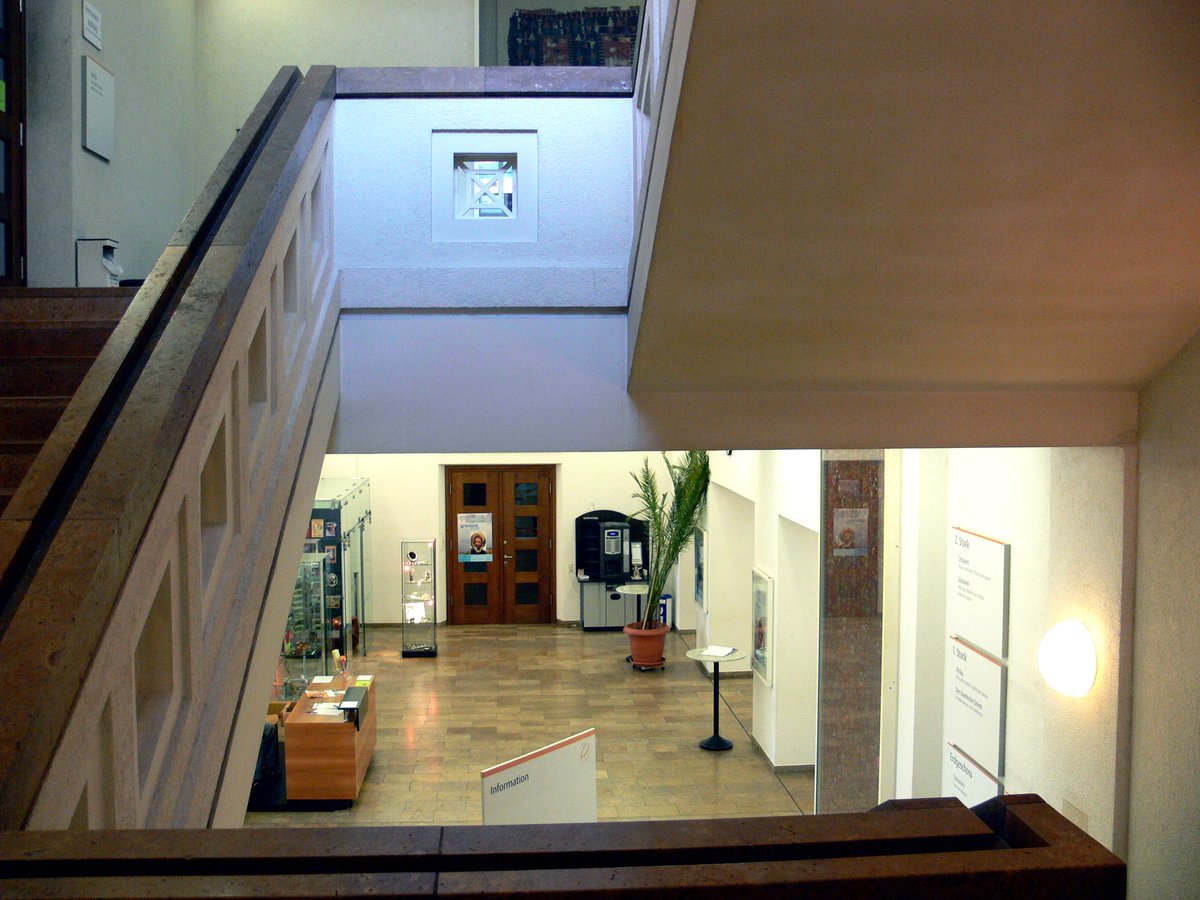
Historical Background & Architectural Significance
Origins and Development:
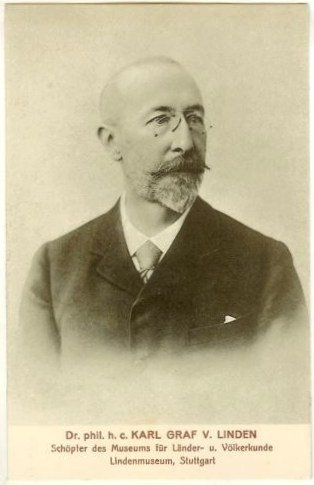
Founded as the “Württemberg Association for Trade Geography and the Promotion of German Interests Abroad,” the Linden Museum began as a showcase for commercial products and global trade. By 1884, it transitioned into a museum, expanding its scope under the leadership of Karl Graf von Linden and through the contributions of explorers like Sven Hedin and Roald Amundsen. The museum’s focus shifted toward ethnology, encompassing art, ritual objects, and daily items from diverse cultures.
Architecture:
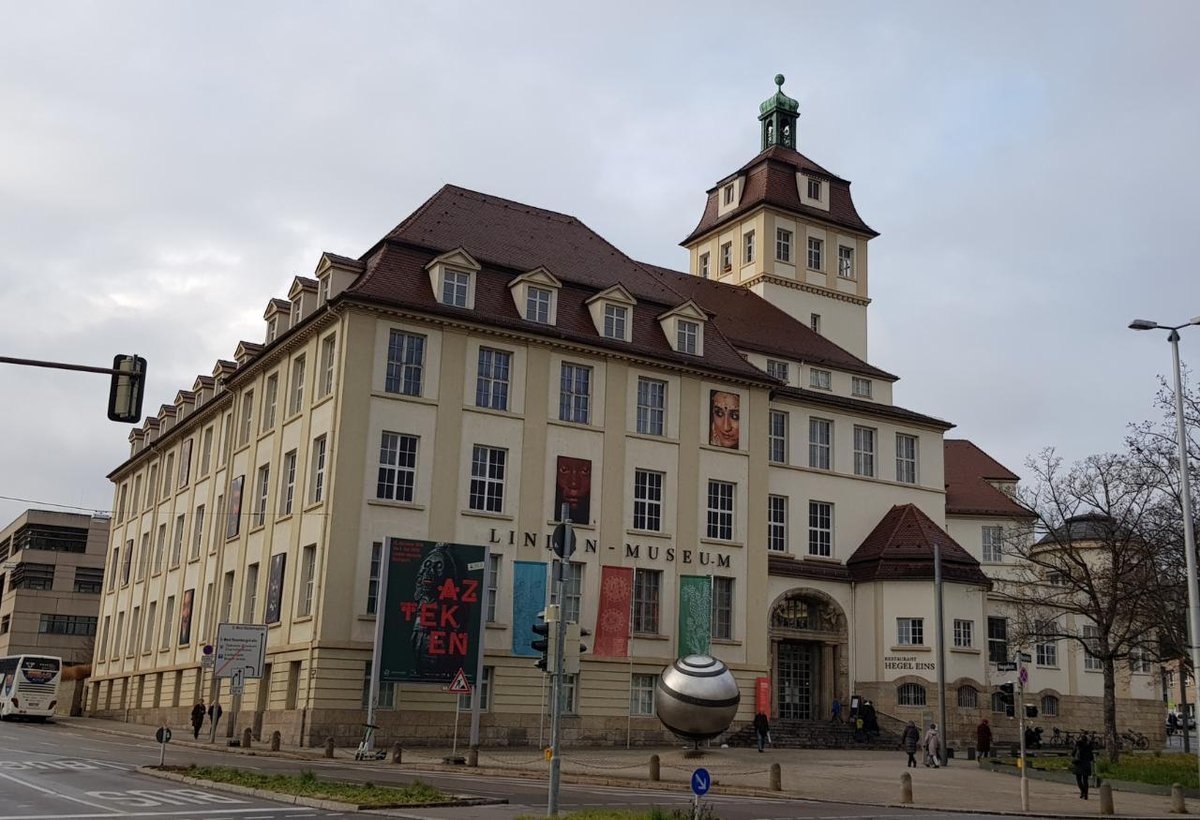
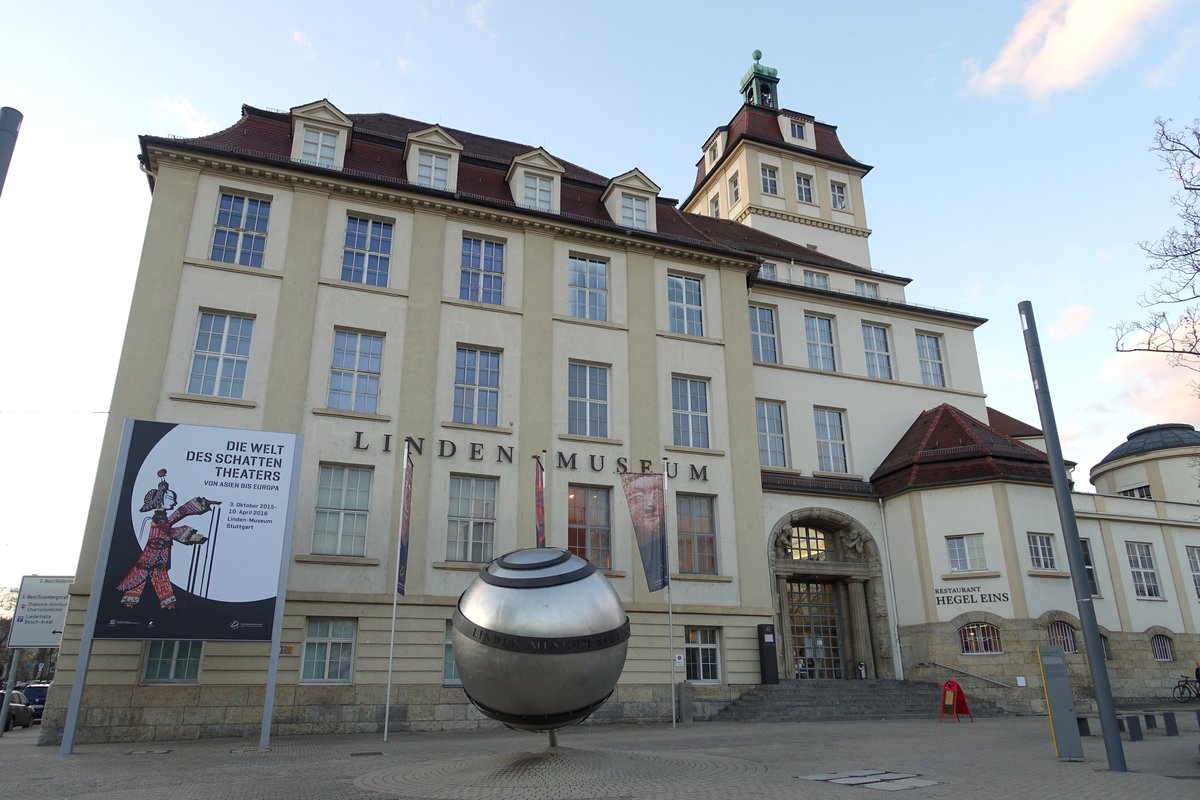
The current building, completed in 1911, is a hallmark of early 20th-century German institutional architecture. Set on Hegelplatz, it boasts spacious galleries designed to accommodate its growing collections and to foster cultural exchange. Despite suffering damage during World War II, it was one of the first Stuttgart museums to be rebuilt, resuming its role as a cultural hub by 1949.
Colonial Context and Provenance Research:
Many artifacts were acquired during the colonial era. The museum actively investigates the provenance of its holdings and has returned ancestral remains and artifacts when appropriate, collaborating transparently with source communities (Linden Museum – Provenance Research).
Permanent Collections
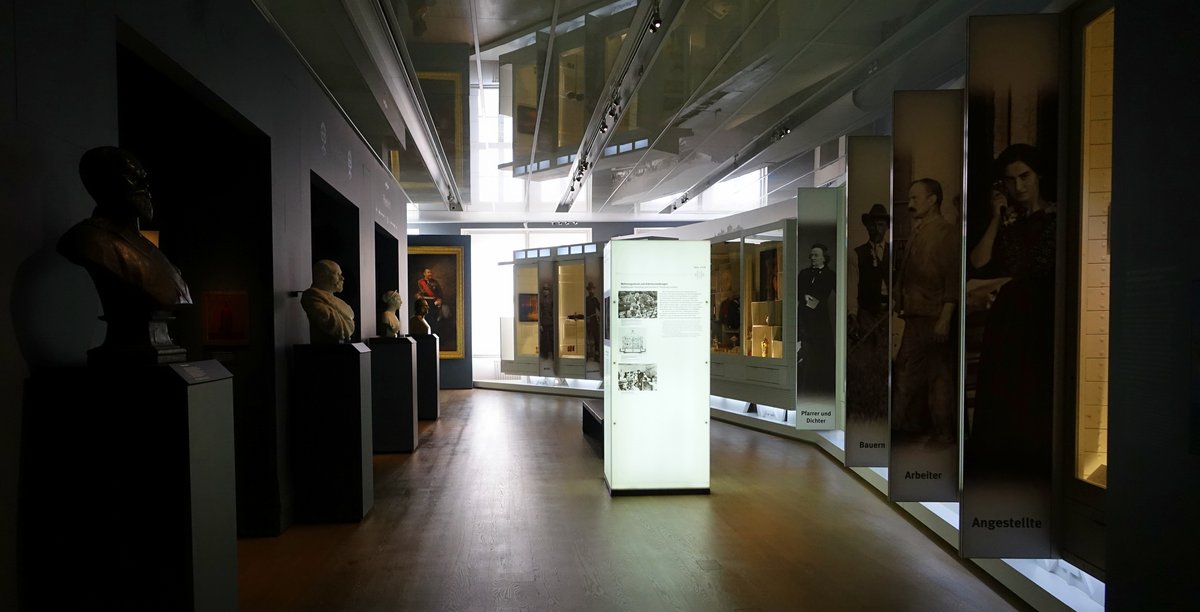
The Linden Museum’s permanent exhibitions are organized geographically and thematically, providing an in-depth exploration of societies across the globe (Linden Museum official site).
- Africa: Ritual masks, ceremonial objects, textiles, and tools, with a focus on provenance and transparency.
- Americas: Indigenous textiles, ceramics, regalia, and tools from pre-Columbian civilizations to contemporary cultures.
- Asia: Buddhist art, samurai armor, Tibetan ritual objects, and Chinese ceramics highlight spiritual and artistic traditions.
- Islamic East: Manuscripts, calligraphy, ceramics, and textiles from North Africa, the Middle East, and Central Asia.
- Oceania: Ceremonial masks, navigation tools, and ritual artifacts from the Pacific Islands, Australia, and New Zealand.
Special Exhibitions & Educational Programs
Rotating Exhibitions:
The Linden Museum hosts dynamic special exhibitions addressing contemporary issues, intercultural dialogue, and the legacies of colonialism (Linden Museum Exhibitions). Notable highlights include:
- “Spurensuche” (Tracing Tracks): An interactive, animal-themed adventure for children aged 6–10 (Linden Museum Visit).
- “Benin: Restitution als Prozess”: Exploring the restitution journey of Benin artifacts.
- Provenance, Participation, Presentation: A project focused on provenance, participatory formats, and innovative exhibition approaches (Digital Collection Project).
Educational Programs:
The museum offers guided tours, workshops, lectures, and creative activities for families, school groups, and adults. Media guides are available in German, English, and a children’s version (Linden Museum Visit).
Digital Access & Virtual Engagement
Digital Collection (“Sammlung digital”):
The Linden Museum’s online platform offers comprehensive access to a growing selection of objects, complete with detailed descriptions, high-resolution images, and provenance information (Linden Museum Digital Collection). Features include:
- Object stories with cultural context.
- Transparency in provenance research.
- Interactive tools inviting feedback from users and source communities.
- Educational resources such as digitorials and multimedia guides.
The digital collection is updated regularly and is accessible in both German and English (Digital Collection Project).
Visitor Information: Hours, Tickets & Directions
Location:
Hegelplatz 1, 70174 Stuttgart, Germany.
Visit the official page for directions and contact details.
Opening Hours:
- Tuesday–Saturday: 10:00 am – 5:00 pm
- Sundays & Public Holidays: 10:00 am – 6:00 pm
- Closed: December 24, 25, 31
Tickets:
- Regular: €6
- Reduced: €4
- Children & Youth under 18: Free
- Free Admission: Saturdays 10:00 am – 12:00 pm for all
- Refugees: Free (on request)
(WhichMuseum)
How to Get There:
- Public Transport: U-Bahn lines U1, U14, or U28 to Staatsgalerie; 10-min walk from Stuttgart main station (MyGermanyVacation).
- By Car: Nearby parking at Holzgartenstraße and Katharinenhospital.
Accessibility & Family Services
Physical Accessibility:
- Step-free entrance via Herdweg.
- Accessible parking and restrooms.
- Wheelchair and stroller loans available.
- Folding chairs in exhibitions.
- Induction loops for hearing-impaired visitors.
- Special guided tours for groups with inclusion needs (Linden Museum – Accessibility).
Family-Friendly Facilities:
- Children’s media guide and “With Tri through the Museum” booklet.
- Family tours, creative workshops, and a Youth Club.
- Special exhibitions for children, such as “Spurensuche” (Linden Museum – Visit).
Ethical Stewardship & Provenance Research
The Linden Museum maintains a dedicated provenance research department, actively investigating the origins and history of its collections, especially those acquired during colonial and Nazi eras (Linden Museum – Provenance Research). Key focus areas include:
- Colonial-era collections from Tanzania, including items from the Chagga people (Kulturgutverluste.de).
- Provenance of objects from the Nazi era, with transparency and restitution as guiding principles.
- Collaborative projects with international scholars and partner institutions.
Community Engagement
Inclusive Programming:
Guided tours, workshops, and family activities—such as Chinese tea ceremonies and storytelling—are open to all (Linden Museum – Programm). The museum is also a venue for community projects and international festivals like the COLOURS International Dance Festival (Rausgegangen.de).
Collaborative Exhibitions & Partnerships:
Projects involving artists, local communities, and international partners foster dialogue and healing (Linden Museum – Programm PDF).
Digital Engagement:
A robust online presence and digital collection database invite worldwide audiences to explore and participate (Linden Museum – Programm).
Practical Tips for Visitors
- Download the Audiala app for audio guides and interactive content.
- Photography is allowed (no flash or tripods).
- Plan 2–3 hours for a comprehensive visit.
- Dining: Onsite restaurant Hegel Eins offers coffee, cakes, and Alpine-Mediterranean cuisine (Linden Museum – Visit).
- Combine your visit with nearby attractions: State Gallery Stuttgart, Old Castle, Mercedes-Benz Museum, and more (WhichMuseum – Nearby).
Frequently Asked Questions (FAQ)
Q: What are the Linden Museum’s opening hours?
A: Tuesday–Saturday: 10:00–17:00; Sundays and public holidays: 10:00–18:00; closed December 24, 25, and 31 (Linden Museum – Visit).
Q: How do I buy tickets?
A: At the entrance or online; check the website for free admission periods.
Q: Is the museum wheelchair accessible?
A: Yes, including restrooms, elevators, and step-free entry.
Q: Are there family and children’s programs?
A: Yes, including media guides, workshops, and dedicated exhibitions for children.
Q: Can I access the collections online?
A: Yes, via the “Sammlung digital” platform (Linden Museum Digital Collection).
Q: Are guided tours available in English?
A: Yes, regularly scheduled in German and English.
Listen to the full story in the app
The whole Linden Museum,
told well.
Audio guides for 1,100+ cities across 96 countries. History, stories, and local insight — offline ready.
Verified, and shown.
Researched and written by the Audiala editorial team from historical records, architectural archives, and local expertise.
Researched from Wikidata, Wikipedia & official sources · fact-checked · How we make our guides →