Plan and listen to Karlsschule Stuttgart with Audiala.
Audio guide in your pocket, itinerary in your browser. Built for the way you actually visit.
Introduction
The Karlsschule Stuttgart, also known as the Hohe Karlsschule, stands as a landmark of Germany’s Enlightenment-era ambition in education and culture. Established in 1770 by Duke Karl Eugen of Württemberg, this institution uniquely blended military training with a rigorous academic curriculum, aiming to produce well-rounded citizens for service to both state and society. Although the original school buildings no longer exist, their legacy is preserved through commemorative sites, museum exhibits, and the enduring intellectual influence of famous alumni such as Friedrich Schiller (Deutsche Digitale Bibliothek; Springer).
This detailed guide provides all the practical information you need to explore the Karlsschule’s historical site in Stuttgart, including visiting hours, ticketing, accessibility, and nearby attractions. Whether you’re a history enthusiast or a curious traveler, this resource will help you experience the enduring significance of the Karlsschule in the heart of Stuttgart (Stuttgart Tourist).

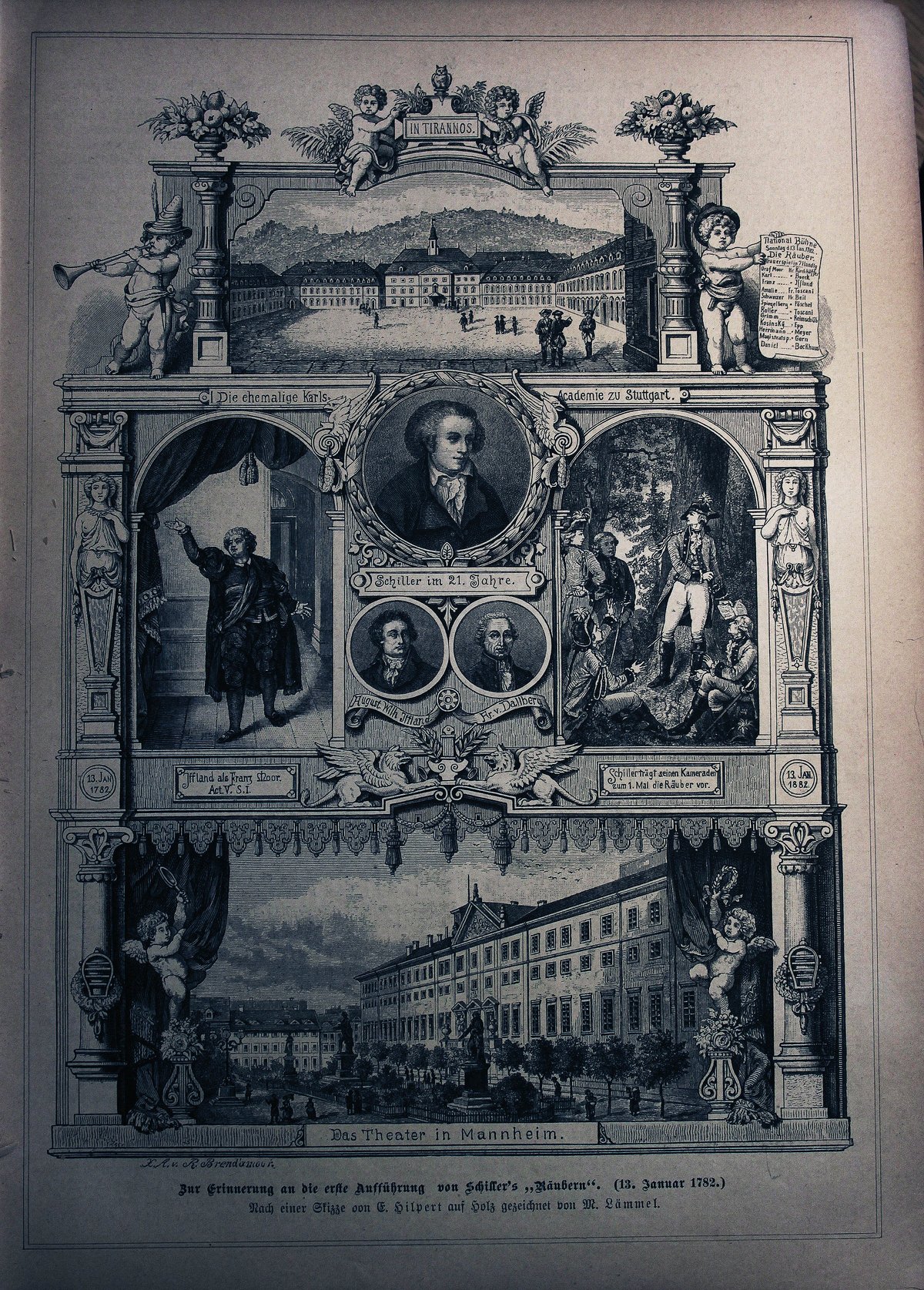




Origins and Foundation of the Karlsschule Stuttgart
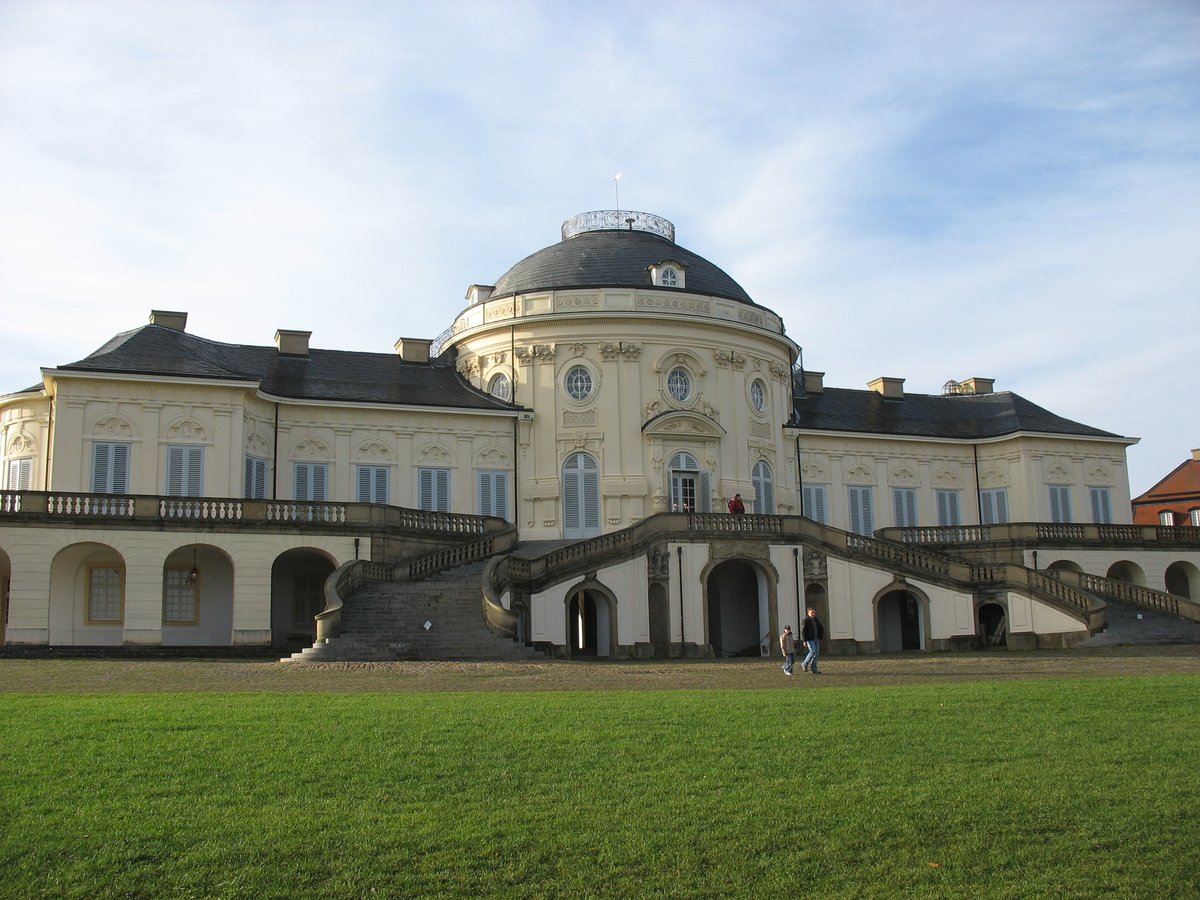
The Karlsschule Stuttgart was established in 1770 by Duke Karl Eugen of Württemberg as a military academy. Originally housed at Solitude Palace, the institution relocated to Stuttgart in 1775, eventually gaining university status in 1781. Its founding reflected the Enlightenment’s progressive ideals, seeking to cultivate both military discipline and intellectual achievement in the youth of Württemberg (Deutsche Digitale Bibliothek). The Karlsschule’s development was part of a broader movement to modernize German education and administration, with an eye toward competing with larger European powers.
Academic Structure and Curriculum
The Karlsschule’s curriculum was innovative for its time, offering studies in classical languages, philosophy, mathematics, natural sciences, law, medicine, and the fine arts. Students—primarily from noble or bourgeois backgrounds—followed a regimented academic year and strict military-style discipline. The school was organized into several faculties, including a renowned medical faculty (Springer). Despite its rigid structure, the Karlsschule fostered a vibrant intellectual environment and produced graduates who went on to shape German arts, sciences, and civic life (Springer).
Friedrich Schiller and the Karlsschule
Friedrich Schiller, one of Germany’s most celebrated literary figures, attended the Karlsschule from 1773 to 1780. He initially studied medicine before his interests turned to literature and philosophy. While Schiller criticized the school’s strict regime, he benefited greatly from its academic resources and stimulating intellectual environment. The Karlsschule played a crucial role in shaping his thinking and creative development (Springer).
Cultural and Historical Significance
The Karlsschule was a cornerstone of late 18th-century Württemberg’s cultural and intellectual life. Its graduates contributed to various fields, reflecting Duke Karl Eugen’s ambition to raise the region’s status through education and Enlightenment values. The institution’s blend of military and academic training influenced the evolution of education in Germany and beyond (Deutsche Digitale Bibliothek).
Decline and Closure
After Duke Karl Eugen’s death in 1793, interest in maintaining the Karlsschule waned. His successor, Duke Friedrich II, closed the school in 1794. Despite its relatively short lifespan, the Karlsschule’s legacy endured through its alumni and the educational reforms it inspired (Deutsche Digitale Bibliothek).
What Remains: Memorials and Visitor Experience
While the original buildings of the Karlsschule were demolished in the 19th and 20th centuries, its historical site is marked by several memorials, gardens, and exhibits:
- Akademiegarten: The former school grounds are now a tranquil public garden, ideal for reflection on the Karlsschule’s legacy (Stadtlexikon Stuttgart).
- Cast-Iron Fountain: Installed in 1811, this fountain stands as a memorial to the site’s educational heritage.
- Giebelrelief (Pediment Relief): The only surviving architectural element, displayed under the archway between the Neues Schloss and Akademiegarten (von Brühl).
- Commemorative Plaques: Informational plaques detail the school’s history and significance.
- Schiller Statue at Schillerplatz: A prominent monument to Schiller, the school’s most famous alumnus, and a popular photo spot.
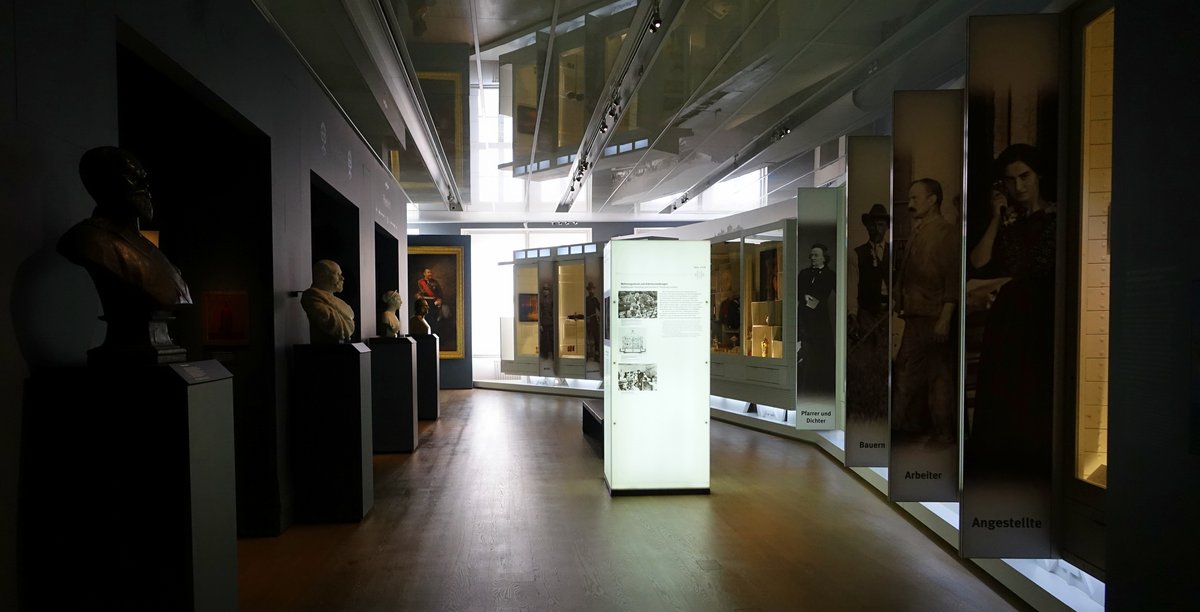
- Württemberg State Museum (Landesmuseum Württemberg): Located in the Old Castle, the museum features exhibits on the Karlsschule and the Enlightenment era (Stuttgart Tourist).
Visiting Hours and Tickets
- Karlsschule Memorial Site & Akademiegarten: Open to the public year-round during daylight hours; no admission fees or set visiting hours.
- Württemberg State Museum: Open Tuesday to Sunday, typically 10:00 AM–5:00 PM. Museum tickets cost €5–€10, with discounts for students, seniors, and StuttCard holders. Entry to the castle courtyard and gardens is free.
- Guided Tours: Broader walking tours of Stuttgart’s city center, often including the Karlsschule site, are available from local operators. Prices for guided tours range from €15–€25 per person (Stuttgart Tourist).
- Audio Guides: Offered in multiple languages at museums and via mobile apps such as Audiala.
Accessibility and Amenities
- The Akademiegarten and surrounding historic core are wheelchair accessible, with paved pathways and seating.
- Restrooms are available in Schlossplatz and the Neues Schloss.
- The area is pedestrian-friendly and well-served by public transport (U-Bahn, S-Bahn, and bus lines to Schlossplatz or Hauptbahnhof).
- The Stuttgart Tourist Information Center provides maps, brochures, and multilingual support (Stuttgart Tourist Information).
Guided Tours and Interpretation
- The Karlsschule site is frequently featured in historical walking tours of Stuttgart’s center, which also cover the Neues Schloss, Schillerplatz, and other landmarks.
- For deeper context, visit the Württemberg State Museum or the StadtPalais – Museum für Stuttgart, which showcase Enlightenment-era exhibits and local history.
- Audio guides and mobile apps provide self-guided tour options.
Photography Tips
- The best times for photos are early morning or late afternoon for optimal lighting.
- Capture the Akademiegarten, pediment relief, and the Schiller statue for a sense of place and history.
- Respect signs and memorials; maintain a peaceful atmosphere.
Essential Visitor Information
- Location: Akademiegarten behind Neues Schloss, central Stuttgart; close to Schlossplatz and Schillerplatz.
- Access: Short walk from Stuttgart Hauptbahnhof; easily reachable by public transport (VVS timetable).
- Language: Most museums and tours offer English-language resources.
- StuttCard: Offers free or discounted entry to more than 50 attractions, including many in the city center (Stuttgart Tourist).
Nearby Attractions
- Neues Schloss (New Palace): Baroque palace adjacent to the Karlsschule site.
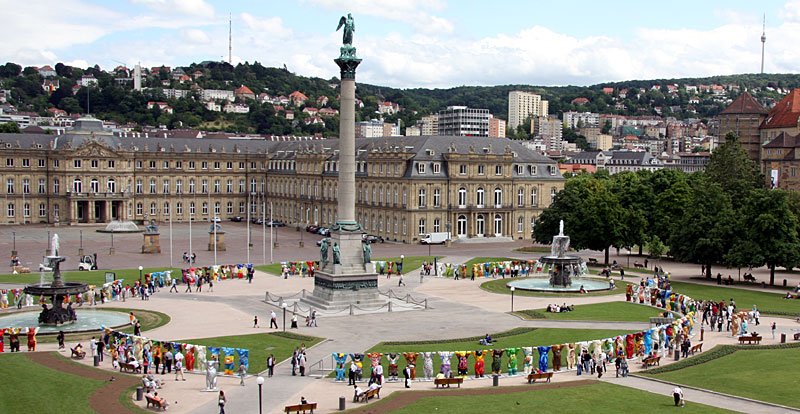
- Schlossplatz: Central square with fountains, cafes, and seasonal events.
- Schillerplatz: Features the Schiller statue and is surrounded by historic architecture.
- Staatsgalerie Stuttgart: Renowned art museum within walking distance.
- Kunstmuseum Stuttgart: Modern art museum in the city center.
- Markthalle Stuttgart: Indoor market for regional delicacies.
- Stiftskirche: Gothic church frequented by Karlsschule students.
Events and Cultural Programming
- Stuttgart Wine Festival (Weindorf): Late August.
- Cannstatter Volksfest: Major beer festival in early autumn.
- Christmas Market: Late November–December at Schlossplatz and Schillerplatz.
- The Old Castle and Schillerplatz host concerts, readings, and historical reenactments, especially in summer (Events in Stuttgart).
Practical Tips for Your Visit
- Combine Sites: Plan a walking tour to include the Karlsschule site, Neues Schloss, and surrounding attractions for a full historical experience.
- Responsible Tourism: Use public transport and reusable water bottles; dispose of waste properly.
- Quiet Reflection: Help maintain the Akademiegarten as a peaceful place for contemplation.
- Educational Preparation: Read about Schiller and the Enlightenment for richer context; museum shops and local bookstores offer relevant materials.
- Photography: Prioritize early or late daylight for the best shots of monuments and gardens.
Frequently Asked Questions (FAQ)
Q: Are there entrance fees to visit the Karlsschule site?
A: No, the Akademiegarten and memorials are freely accessible.
Q: What are the visiting hours?
A: The gardens are open during daylight hours; the Württemberg State Museum is open Tuesday–Sunday, 10:00 AM–5:00 PM.
Q: Is the site wheelchair accessible?
A: Yes, most paths and public areas are accessible, though some cobblestones may require caution.
Q: Can I join a guided tour?
A: Yes, many city walking tours include the Karlsschule site. Some museums offer guided tours and audio guides.
Q: Where can I get more information?
A: Visit the Stuttgart Tourist Information Center at Königstraße 1a or check the official tourism website.
Listen to the full story in the app
The whole Karlsschule Stuttgart,
told well.
Audio guides for 1,100+ cities across 96 countries. History, stories, and local insight — offline ready.
Verified, and shown.
Researched and written by the Audiala editorial team from historical records, architectural archives, and local expertise.
Hohe Karlsschule
Educational Role of Karlsschule
Friedrich Schiller and Karlsschule
Karlsschule and Visitor Information
Hohe Karlsschule
Tourist Info
Researched from Wikidata, Wikipedia & official sources · fact-checked · How we make our guides →