Plan and listen to Haus Der Geschichte Baden-Württemberg with Audiala.
Audio guide in your pocket, itinerary in your browser. Built for the way you actually visit.
Introduction
Nestled on Stuttgart’s renowned Kulturmeile, the Haus der Geschichte Baden-Württemberg stands as a premier gateway into over 200 years of southwestern Germany’s history. Since its founding in 1987 and opening in 2002, this innovative political-historical museum has offered immersive exhibitions, connecting visitors with the dramatic transformations from the region’s fragmented past to its dynamic present. The museum’s modern architecture and interactive approach make it both a cultural landmark and a must-visit for anyone exploring Stuttgart (Haus der Geschichte Baden-Württemberg, Wikipedia).

The Museum’s Origins and Development
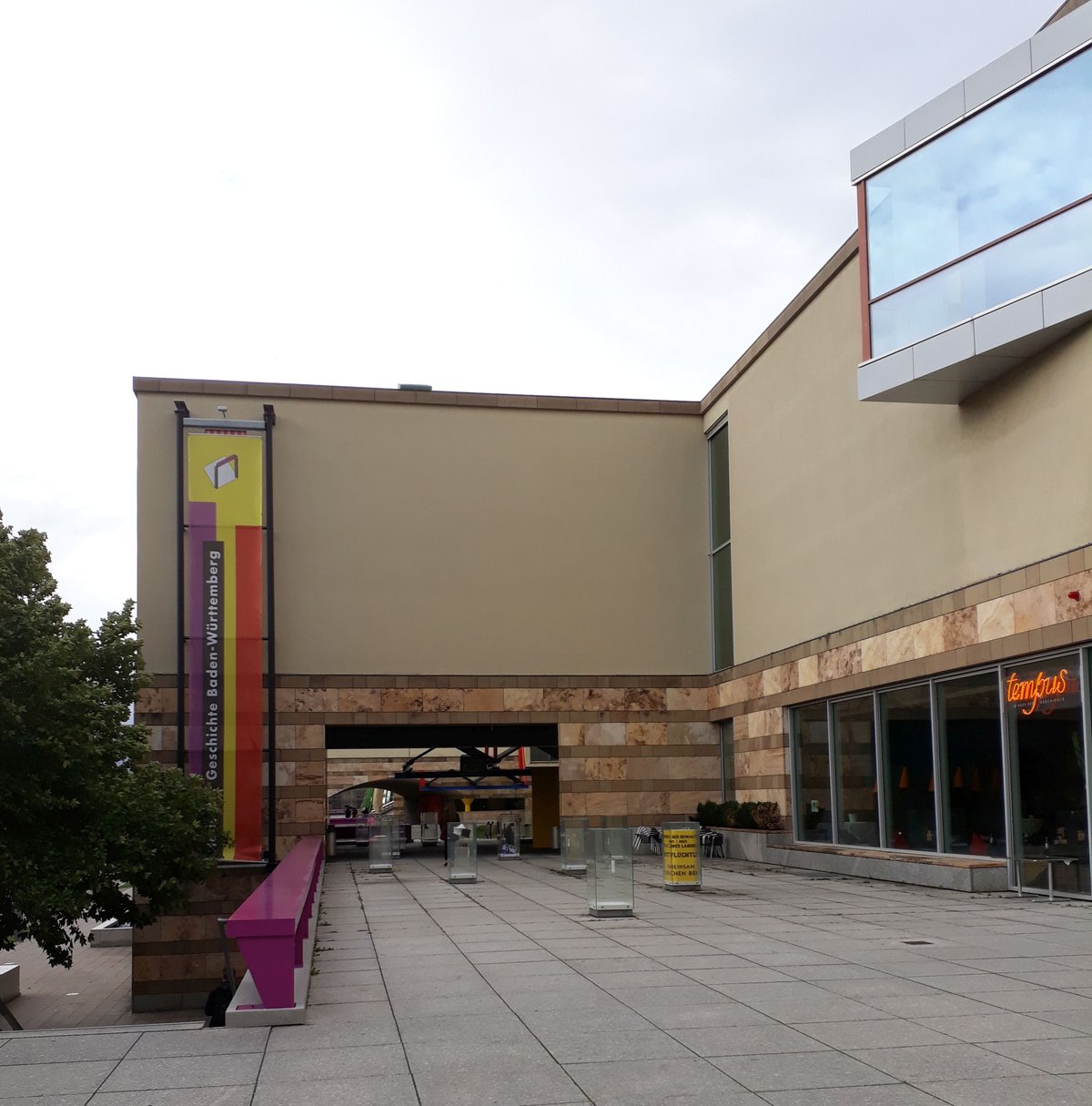
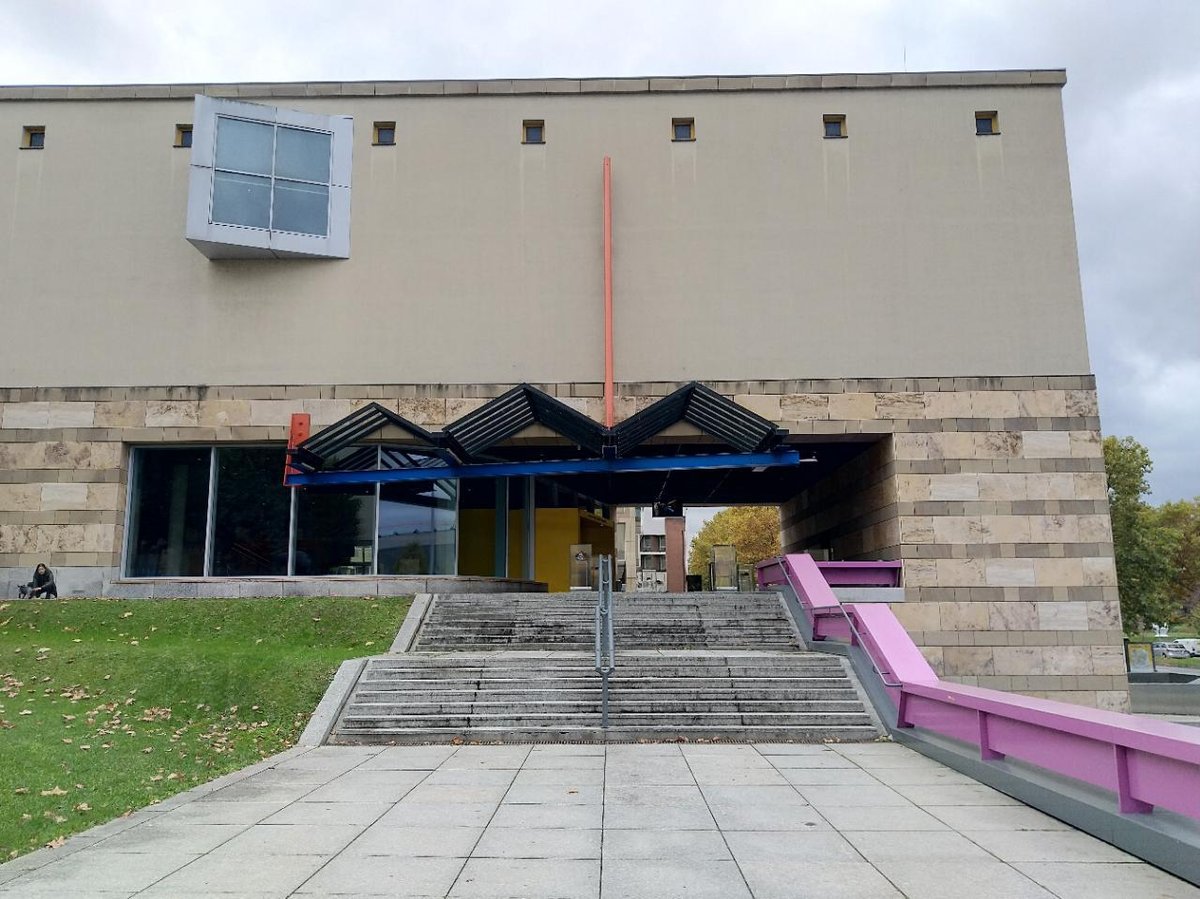
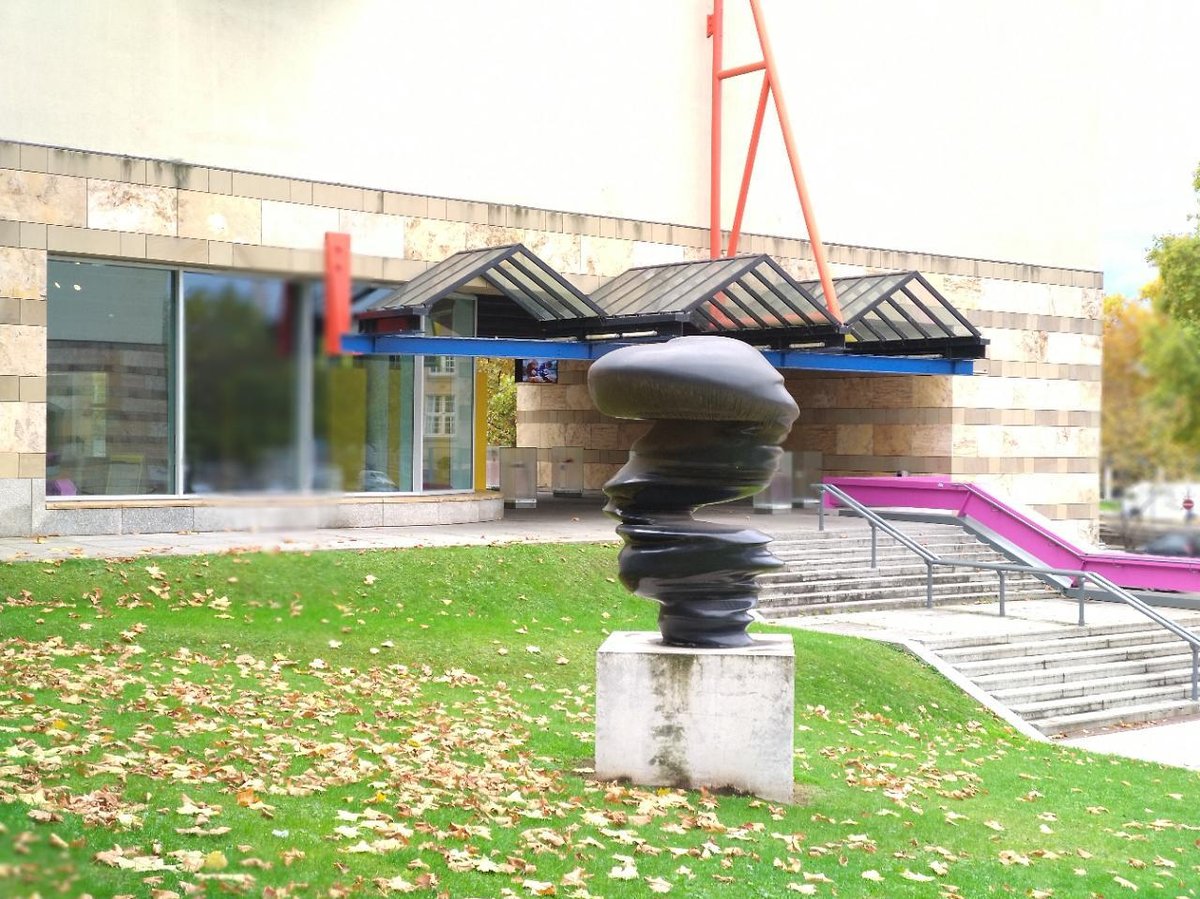
Haus der Geschichte Baden-Württemberg was conceived as the first political-historical state museum in Germany. Founded in 1987 by the state government, its mission is to document and present Baden-Württemberg’s multifaceted history. The museum opened its doors in 2002 in a building designed by Michael Wilford and Manuel Schupp, positioned between the Staatsgalerie and Musikhochschule, enhancing Stuttgart’s Kulturmeile (Stuttgart Tourist).
Exhibition Highlights: Permanent and Special Exhibitions
Permanent Exhibition
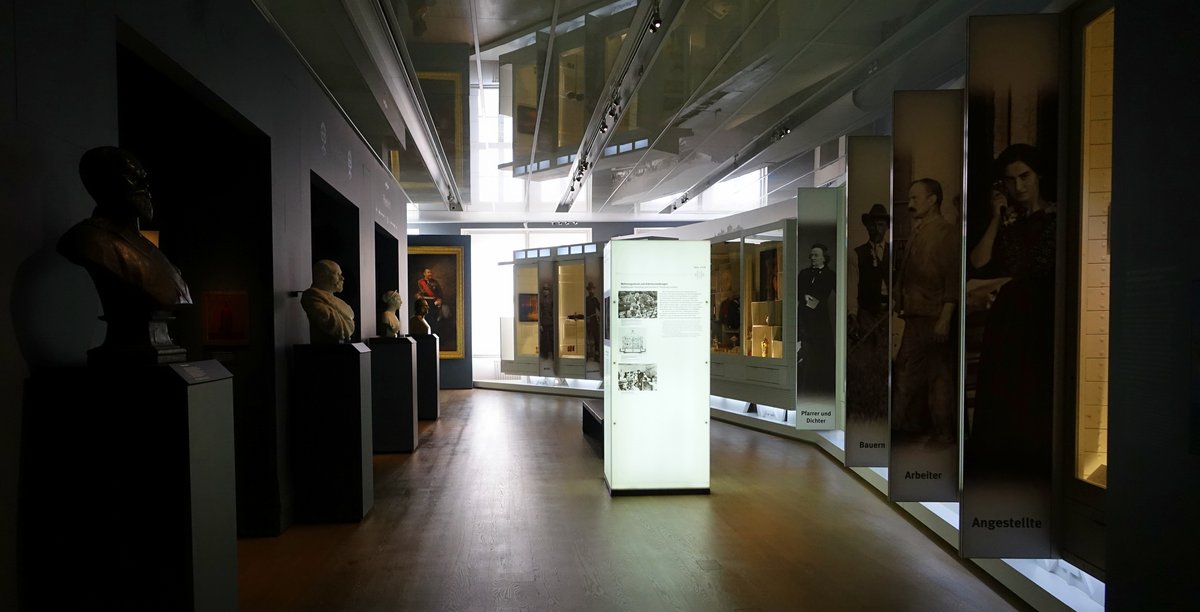
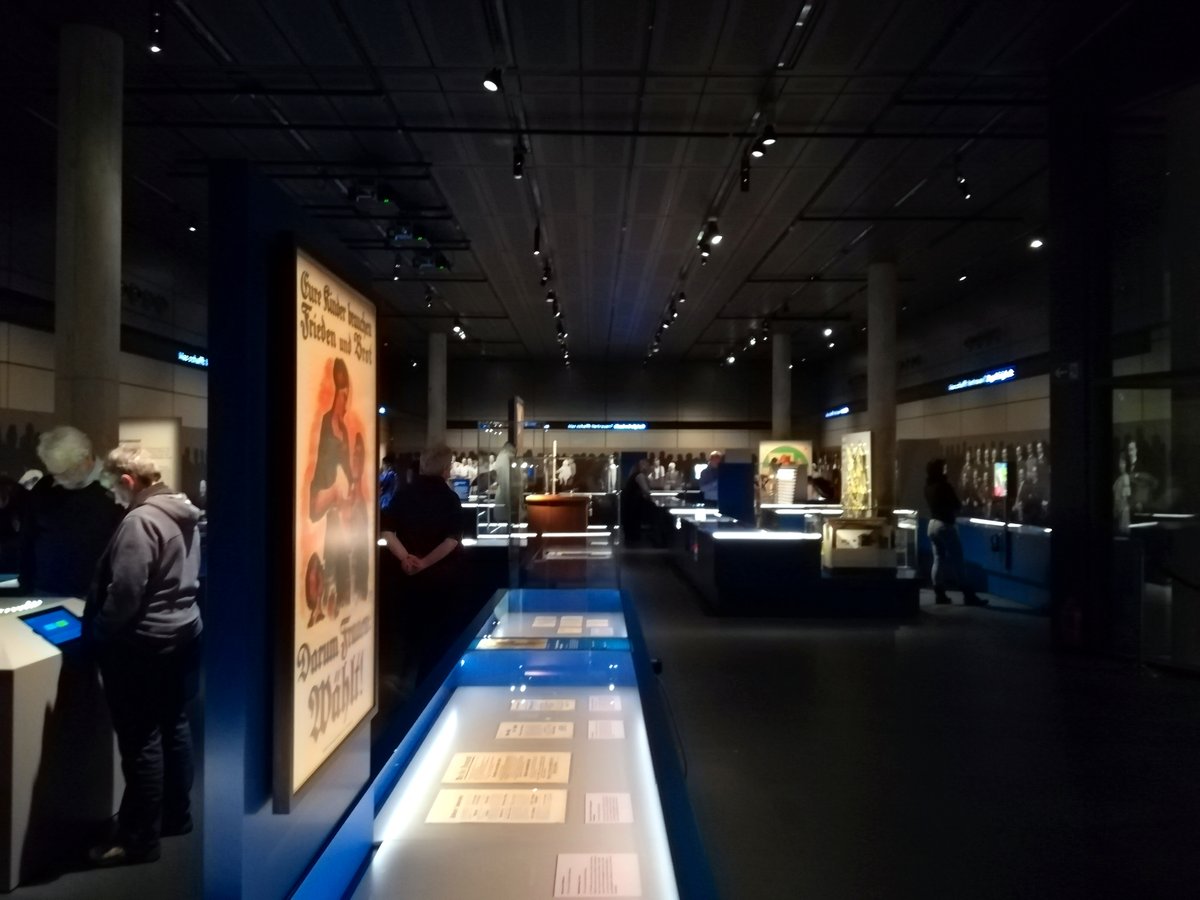
The museum’s permanent exhibition covers the region’s evolution from the 1790s to today, structured into three core sections:
- Alphabet of Baden-Württemberg: 26 objects, each representing a letter of the alphabet, highlight the region’s unique identity (Wikipedia).
- Chronological Journey: Explore the transformation from the predecessor states—Württemberg, Baden, and Hohenzollern—through artifacts, documents, and multimedia displays (Museum Digital).
- Thematic Park: Delve into current topics like migration, urbanization, and social change, all contextualized historically.
Interactive elements, films, and personal stories encourage visitors’ active engagement and reflection on regional identity.
Special Exhibitions
A hallmark of the museum is its commitment to contemporary relevance. The ongoing exhibition “Frei Schwimmen – Gemeinsam?!” (December 2024–September 2025) examines public swimming pools as social spaces and mirrors debates on inclusion, gender, and public life (Haus der Geschichte – Frei Schwimmen, SWR Kultur). Past exhibitions have tackled themes such as justice, postwar trials, and regional memory.
Historical Context: The Creation of Baden-Württemberg
The museum contextualizes the 1952 referendum that created Baden-Württemberg, Germany’s only federal state formed by popular vote after World War II. Visitors learn how the region’s postwar division and eventual unification set the stage for rapid economic and social development (Baden-Württemberg State Portal).
Collections and Artifacts
Home to over 80,000 objects and a photographic archive of around 2 million images, the museum provides a rich material record of the region’s history. On display are more than 1,500 original artifacts and 1,000 photographs, from everyday objects to significant historical documents (Museum Digital).
Visitor Information: Hours, Tickets, and Accessibility
- Opening Hours: Tuesday–Sunday and public holidays: 10:00–18:00; Thursdays: until 21:00; Closed Mondays.
- Ticket Prices: Permanent exhibition €5 (reduced €2.50), special exhibitions €6 (reduced €3), combined ticket €8 (reduced €4). Free for children/youth and on Thursdays after 18:00 (Haus der Geschichte – Visitor Info).
- Accessibility: Fully wheelchair accessible, with step-free entrances, accessible restrooms, tactile exhibits, and audio guides. Assistance dogs are welcome (Kultur für Alle).
- Guided Tours and Workshops: Offered in multiple languages; sign language interpretation available by prior arrangement.
Getting There and Nearby Attractions
- Address: Konrad-Adenauer-Straße 16, 70173 Stuttgart
- Public Transport: U-Bahn (U2, U3, U4, U5, U6, U7, U12, U15), Bus (42, 43, 44) at Charlottenplatz (Stuttgart city guide)
- Parking: Public garages nearby; public transport recommended due to central location.
Nearby, explore:
- Staatsgalerie Stuttgart
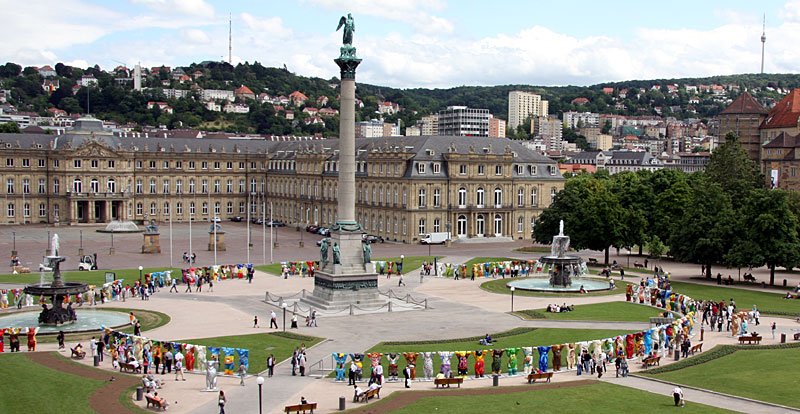
- Schlossplatz
- “Hotel Silber” (former Gestapo HQ)
- Claus von Stauffenberg Memorial
Educational and Cultural Role
The museum’s educational programs and interactive exhibits foster engagement across age groups, connecting the region’s past to present societal challenges. Workshops, school programs, and digital resources extend the museum’s reach.
Architectural Significance
The building, designed by Michael Wilford and Manuel Schupp, is itself a highlight—integrating contemporary design with Stuttgart’s urban fabric (Stuttgart Tourist).
Community Engagement and Public Programs
Beyond exhibitions, the museum organizes lectures, workshops, and special events like the “Hitzefrei” summer series—transforming the space into a lively cultural hub (Haus der Geschichte – Frei Schwimmen).
Practical Visitor Tips
- Plan Ahead: Check the museum website for current exhibitions and events.
- Allow Time: Allocate 2–3 hours for a full visit.
- Language: Most displays are in German, with English translations and audio guides available (WhichMuseum).
- Photography: Non-flash photography permitted except where noted.
- Family-Friendly: Free admission for children/youth and engaging activities for all ages.
- COVID-19: Refer to the museum’s website for current health guidelines.
Frequently Asked Questions (FAQ)
Q: What are the opening hours?
A: Tuesday–Sunday 10:00–18:00, Thursdays until 21:00, closed Mondays.
Q: Are tickets required?
A: Yes; free for children/youth and Thursday evenings after 18:00.
Q: Is the museum accessible?
A: Yes, fully accessible for visitors with disabilities.
Q: Are guided tours available?
A: Yes, in multiple languages; sign language by prior arrangement.
Q: Can I take photos?
A: Non-flash photography permitted, except in some special exhibitions.
Summary Table: Key Visitor Information
| Feature | Details |
|---|---|
| Address | Konrad-Adenauer-Straße 16, 70173 Stuttgart |
| Public Transport | U2, U3, U4, U5, U6, U7, U12, U15; Bus 42, 43, 44 (Charlottenplatz) |
| Opening Hours | Tue–Sun: 10:00–18:00; Thu: until 21:00; Mon: closed |
| Admission Tickets | Standard and concession rates; free with Bonuscard + Kultur or StuttCard |
| Accessibility | Step-free, accessible toilets, tactile exhibits, audio guides |
| Contact | +49 (0)711 212 3989; [email protected] |
| Website | www.hdgbw.de |
Listen to the full story in the app
The whole Haus Der Geschichte Baden-Württemberg,
told well.
Audio guides for 1,100+ cities across 96 countries. History, stories, and local insight — offline ready.
Verified, and shown.
Researched and written by the Audiala editorial team from historical records, architectural archives, and local expertise.
Researched from Wikidata, Wikipedia & official sources · fact-checked · How we make our guides →