Plan and listen to Berg with Audiala.
Audio guide in your pocket, itinerary in your browser. Built for the way you actually visit.
Introduction to Berg, Stuttgart, Germany
Berg is an enchanting district within Stuttgart that harmoniously blends centuries-old history, celebrated wellness traditions, and vibrant contemporary culture. Originating in the 12th century with Castle Berg, the area has evolved into a wellness destination famed for its mineral springs, especially Mineralbad Berg, which has attracted health seekers since the 19th century. Berg’s cultural tapestry is closely connected to Stuttgart’s royal legacy, community festivals like the Cannstatter Volksfest and Stuttgart Wine Festival, and proximity to renowned museums and artistic institutions. Visitors can delve into Berg’s historical landmarks, enjoy scenic riverside walks, and savor authentic Swabian cuisine. This guide offers detailed insights on Berg’s history, cultural highlights, practical visiting information, ticketing, transportation, and tips for a memorable experience. For more on the mineral springs and castle history, visit Castle Berg History and refer to the Official Stuttgart Tourism Site.


Welcome to Berg, Stuttgart: A Unique Blend of History and Wellness
Berg stands out in Stuttgart for its unique combination of historical intrigue and restorative spa culture. Whether you are a history buff exploring medieval ruins or a wellness enthusiast seeking mineral-rich baths, Berg promises a rewarding visit. This guide equips you with must-know visitor details, historical context, and insider tips to enhance your journey.
Historical Highlights of Berg
Medieval Origins and Castle Berg
Berg’s history begins in the 12th century with Castle Berg, a water castle constructed by the Lords von Berg in the Nesenbach valley. The fortress featured a robust tower with thick stone walls, serving as both a defensive stronghold and administrative center in the Duchy of Swabia. Destroyed in 1287, the castle’s remnants were rediscovered in 1856 during construction of spa facilities, tying Berg’s medieval legacy to its modern reputation as a wellness haven (Castle Berg History).
Evolution of Spa Culture
The district’s mineral springs, rich in therapeutic minerals, have defined Berg’s identity for centuries. In the 19th century, as spa culture flourished in Germany, Berg emerged as a sought-after health destination. Bathhouses and spa facilities drew visitors from across the region, cementing Berg’s role in Stuttgart’s wellness tradition (Stuttgart History and Spa Culture).
19th and Early 20th Century Development
With the Industrial Revolution, Berg expanded as an urban retreat. The spa industry thrived, and bottling of mineral water became an economic pillar. Its location by the Neckar River enhanced its allure as both a leisure and wellness hub.
Visiting Berg: Practical Information
Mineralbad Berg Visiting Hours and Tickets
- Opening Hours: Daily, 7:00–22:00 (seasonal variations possible; check official site).
- Tickets: Adults ~€10–€15; discounts for children, seniors, and groups. Online and on-site purchase available.
- Facilities: Lockers and changing rooms; bring swimwear and towels.
- Accessibility: Wheelchair accessible with adapted facilities.
Access, Transportation, and Accessibility
- By Public Transport: U-Bahn lines U1, U2, U14 stop at Mineralbäder and Metzstraße; several bus connections.
- By Car: Limited metered parking; public transit recommended for convenience.
- From the Airport: S-Bahn S2 or S3 to Stuttgart Hauptbahnhof, then U-Bahn/bus to Berg (WanderInEurope).
- Accessibility: Most attractions, including spas and parks, are wheelchair accessible.
Castle Berg Ruins
- Hours: Open year-round during daylight.
- Entry: Free; seasonal guided tours available.
- Location: Near Mineralbad Berg; ideal for photography and history enthusiasts.
Nearby Attractions and Events
- Villa Berg & Berg Park: Historic villa (currently under restoration) and open parklands.
- Rosensteinpark & Wilhelma Zoo: Expansive English-style park and a major zoo/botanical garden (Wilhelma Zoo).
- Schloss Rosenstein: Houses State Museum of Natural History (Rosenstein Palace).
- Neckar River Promenade: Ideal for scenic walks and cycling.
- Festivals: Stuttgart Wine Festival, Cannstatter Volksfest, Christmas Markets, and open-air concerts throughout the year.
Cultural and Social Significance
Royal Heritage and Historical Identity
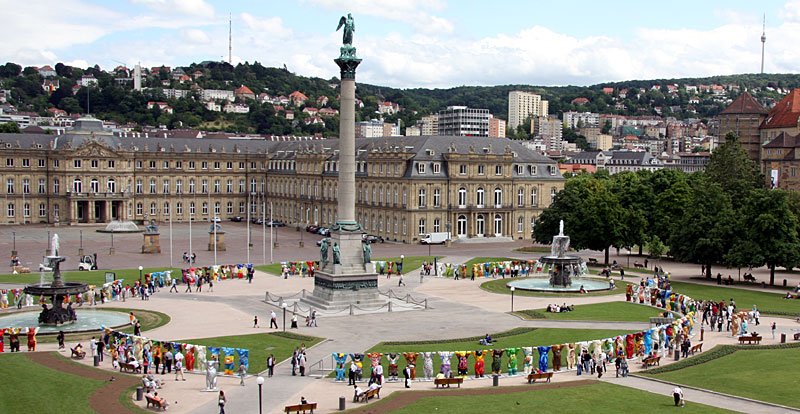
Berg’s heritage is closely connected to the Württemberg dynasty, with nearby landmarks such as the New Palace (Neues Schloss) and Old Castle (Altes Schloss) offering insight into Stuttgart’s royal past.
- Neues Schloss: Open daily, 10:00–18:00; palace grounds free, tours ticketed.
- Altes Schloss: Houses the Württemberg State Museum, open Tue–Sun, 10:00–17:00; entry fee applies.
Festivals and Social Gatherings
Berg participates in major city festivals, including:
- Stuttgart Wine Festival: Late summer, daily, free entry; some tastings ticketed.
- Cannstatter Volksfest: Autumn; ticket prices vary by event.
Artistic and Cultural Institutions
Prominent institutions near Berg include:
- Staatsgalerie Stuttgart: Art exhibitions; ticketed entry.
- Linden Museum: Cultural exhibitions; admission fees apply.
- Württemberg State Theatres: Opera, ballet, and drama; tickets recommended in advance.
Culinary Traditions and Multiculturalism
Experience Swabian dishes like Maultaschen, Spätzle, and Zwiebelrostbraten in local restaurants and wine taverns. Berg’s multicultural flair is reflected in diverse dining, international festivals, and community events.
Visitor Essentials
Top Historical Sites: Hours, Tickets, Accessibility
- Mineralbad Berg: Daily 7:00–22:00; tickets ~€10–€15; accessible.
- Villa Berg & Park: Park open year-round; villa visits restricted during restoration.
- Wilhelma Zoo & Botanical Garden: 8:15–20:00 (summer); tickets €20 adults, discounted rates available; accessible.
- Schloss Rosenstein: 10:00–17:00 (closed Mondays); entry €6; accessible.
- Galerie Z: Tue–Sun, 11:00–18:00; free admission, ticketed for some exhibitions (Galerie Z im Kurpark Berg).
Dining, Accommodation, and Useful Tips
- Restaurants: Local Swabian, Italian, and international options; Kurpark’s Italian restaurant is a highlight (Stuttgart Tourist).
- Accommodation: Limited in Berg; diverse options in city center near Hauptbahnhof (Traveling Igloo).
- Weather: July highs average 25°C (77°F); pack light clothing and sun protection (Wanderlog).
- Public Restrooms: Available in Kurpark, Mineralbad Berg, and museums.
- Wi-Fi: Widely available in public areas and cafes.
- Tipping: 5–10% customary at restaurants and taxis.
Frequently Asked Questions (FAQ)
Q: What are the opening hours and entry fees for Mineralbad Berg?
A: Open daily 7:00–22:00; day ticket ~€10–€15; discounts for children and seniors.
Q: Is the Kurpark free to enter?
A: Yes, admission is free and open year-round.
Q: Are the historical sites accessible to wheelchair users?
A: Most major attractions and public transport in Berg are wheelchair accessible.
Q: Where can I buy tickets for museums and events?
A: Online and at venue entrances; advance booking recommended during peak season.
Q: How do I reach Berg from Stuttgart Hauptbahnhof?
A: Take U-Bahn lines (U1, U2, U14) or bus; travel time is 10–15 minutes.
Summary and Tips for a Memorable Visit
Berg, Stuttgart, is an exceptional destination where history, wellness, and culture converge. From the medieval ruins of Castle Berg to the revitalizing waters of Mineralbad Berg, the district invites you to experience both tradition and modern vibrancy. Enjoy scenic walks, engaging festivals, and culinary delights, all easily accessible by public transport. For the latest information on opening hours and ticketing, consult the Stuttgart Tourism Official Site and download the Audiala app for personalized travel guidance.
Listen to the full story in the app
The whole Berg,
told well.
Audio guides for 1,100+ cities across 96 countries. History, stories, and local insight — offline ready.
Verified, and shown.
Researched and written by the Audiala editorial team from historical records, architectural archives, and local expertise.
Researched from Wikidata, Wikipedia & official sources · fact-checked · How we make our guides →