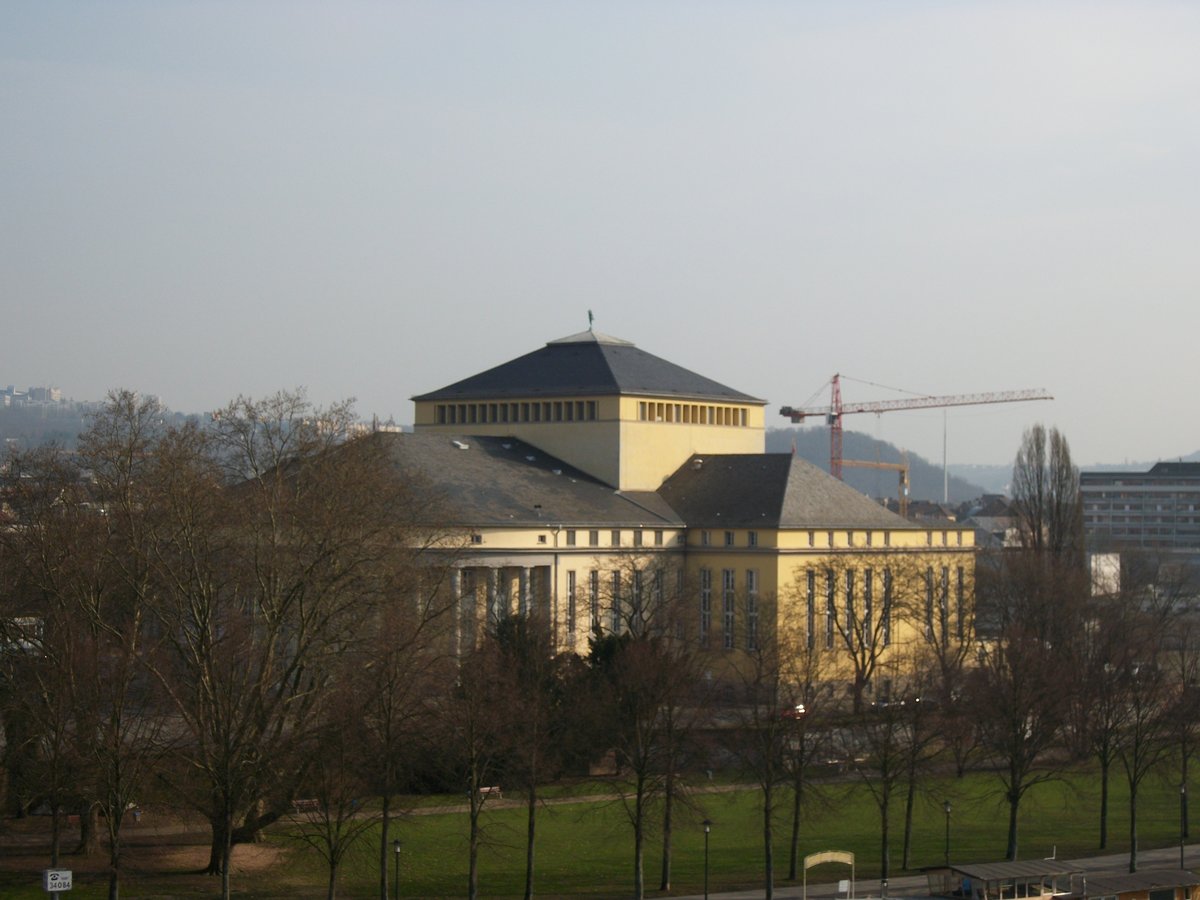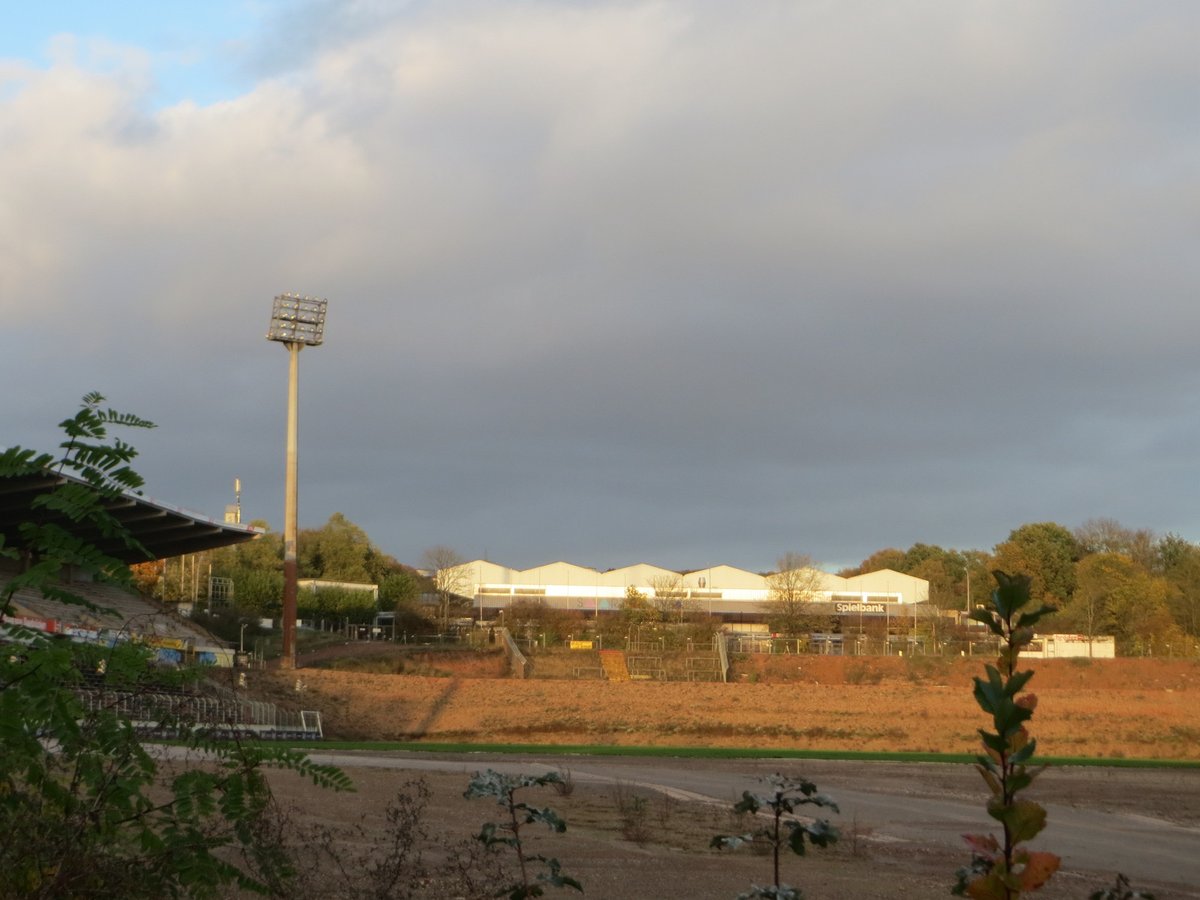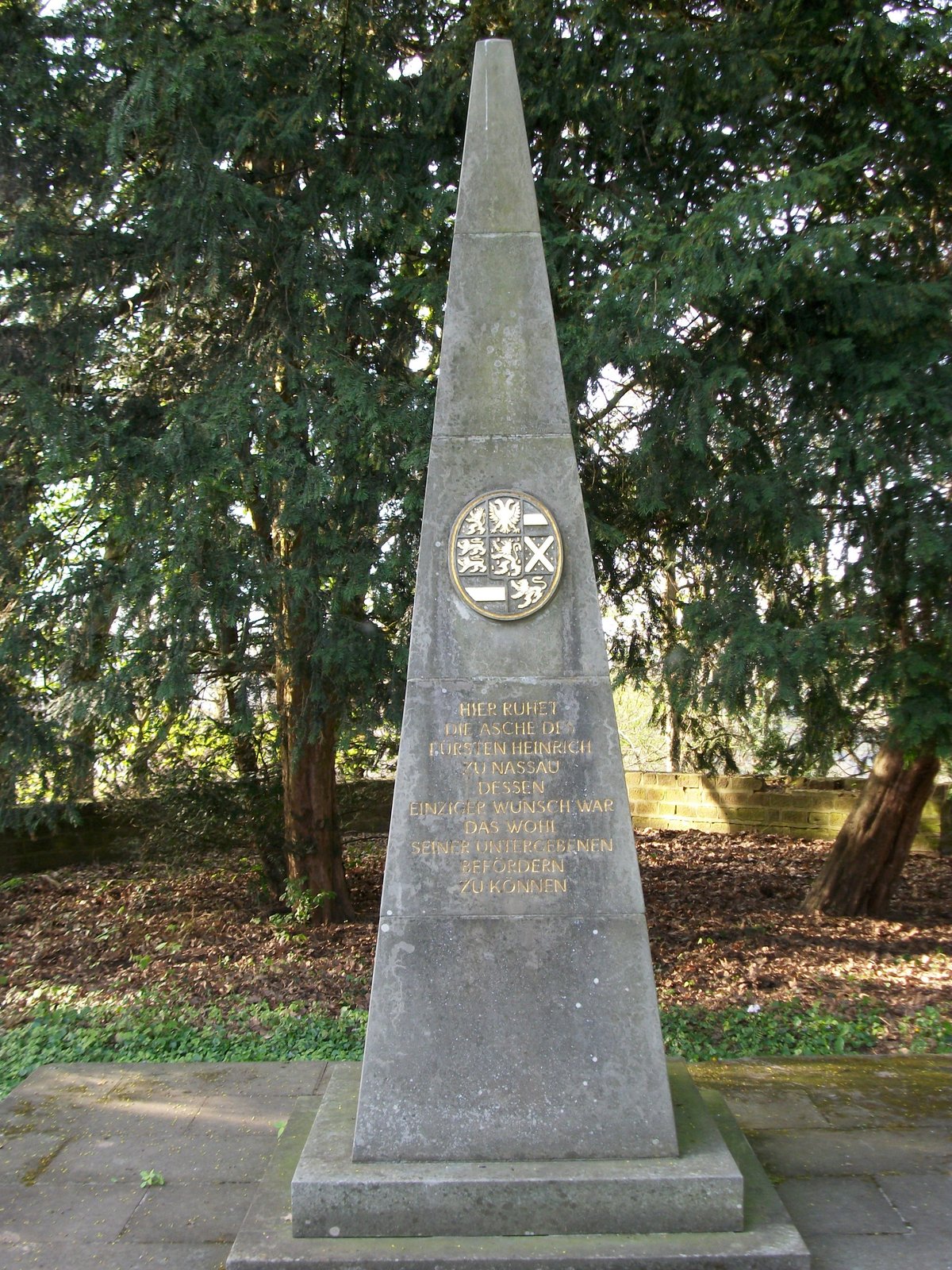
Plan and listen to Grabmal Fürst Heinrich Von Nassau-Saarbrücken with Audiala.
Audio guide in your pocket, itinerary in your browser. Built for the way you actually visit.
Introduction
The Grabmal Fürst Heinrich von Nassau-Saarbrücken is one of Saarbrücken’s most distinguished historical monuments, intricately connected to the legacy of the Nassau-Saarbrücken dynasty. Combining the grandeur of the Baroque tomb inside the Schlosskirche with the serene, classical obelisk on Halberg hill, this site reflects centuries of aristocratic history, cultural achievement, and architectural evolution. Whether you are passionate about European history, fascinated by religious art, or simply exploring Saarbrücken’s historic heart, this comprehensive guide will provide essential information for planning your visit, including opening hours, ticketing, accessibility, site features, and nearby attractions.
For official details and tour bookings, consult the Schlosskirche Saarbrücken website and regional tourism resources (mapcarta.com).

Dynastic Origins and the House of Nassau-Saarbrücken
The Nassau family, whose origins trace back to their castle on the Lahn River in present-day Hesse, became a prominent noble house in Europe in the Late Middle Ages. By 1381, through strategic alliances, the Nassaus acquired the County of Saarbrücken, establishing their influence in the region. The Nassau-Saarbrücken branch played a major role in shaping the area’s political and cultural landscape. Today, their descendants include members of the royal families of the Netherlands and Luxembourg, revealing the house’s lasting European significance (Wikipedia: County of Nassau-Saarbrücken, Wikipedia: House of Nassau).
Fürst Wilhelm Heinrich: Life and Achievements
Wilhelm Heinrich (1718–1768) ascended as Count—and later Fürst—of Nassau-Saarbrücken in 1741. His reign was marked by forward-thinking reforms: modernizing mining and manufacturing, promoting agriculture, and fostering urban development. These initiatives transformed Saarbrücken into a vibrant regional hub. Wilhelm Heinrich’s diplomatic and military connections, especially with France, reflect the cosmopolitan nature of 18th-century European nobility.
The Schlosskirche and Dynastic Burial Site
Founded in 1476 and serving as an Evangelical church since 1575, the Schlosskirche became the Nassau-Saarbrücken family’s principal burial site. Its crypt preserves the remains of Wilhelm Heinrich and other family members, anchoring the dynasty’s memory in Saarbrücken’s heart. The church’s Baroque interiors and funerary monuments testify to both religious devotion and princely grandeur.
Monumental Tomb of Fürst Wilhelm Heinrich
Commissioned by Wilhelm Heinrich, the late Baroque tomb within the Schlosskirche is a masterpiece of 18th-century funerary art. Its grand scale and sculptural detail symbolize the Fürst’s status and the artistic trends of the era. Additional monuments in the church further illustrate the dynasty’s enduring influence.

Visiting the Grabmal Fürst Heinrich von Nassau-Saarbrücken
Visiting Hours and Tickets
- Schlosskirche: Open Tuesday–Sunday, 10:00 AM–5:00 PM; closed Mondays and public holidays.
- Admission: €6 for adults, €4 for students and seniors, free for children under 12. Group discounts are available. General admission includes access to the tomb and museum exhibits.
- Halberg Obelisk: Located in a public park, accessible year-round during daylight hours; no ticket required.
Guided Tours
- Schlosskirche: Guided tours available daily at 11:00 AM and 3:00 PM, with audio guides in multiple languages. Tours focus on the church’s history and princely tombs. Booking in advance is advised.
- Halberg: While no regular tours focus solely on the Grabmal, local walking tours sometimes include the monument. Check with the Saarbrücken tourist office for upcoming events.
Accessibility
- Schlosskirche: Wheelchair accessible with ramps and elevators. Visitor assistance available upon request.
- Halberg Grabmal: Paths are well-maintained but may include natural terrain and inclines; partial accessibility for wheelchairs. Assistance may be needed.
Location and Nearby Attractions
- Schlosskirche: Centrally located, near Saarbrücken Castle, Ludwigskirche, and the Saarland Museum. Easily reached by public transport (bus lines 101/102 to Schlossplatz), 15-minute walk from Saarbrücken Hauptbahnhof.
- Halberg: Approximately 100 meters from the Stumm’sches Schloss. Reachable by foot, bike, public transport, or car (limited parking available).
Travel Tips
- Visit on weekdays or early mornings for quieter experiences.
- Combine your visit with a walk through Saarbrücken’s historic center.
- Download the Audiala app for self-guided audio tours.
- Dress appropriately for weather, especially if walking to the Halberg monument.
- Photography is allowed at both sites; spring and autumn offer especially photogenic scenery.
The Outdoor Grabmal Fürst Heinrich on Halberg Hill
Location and Setting
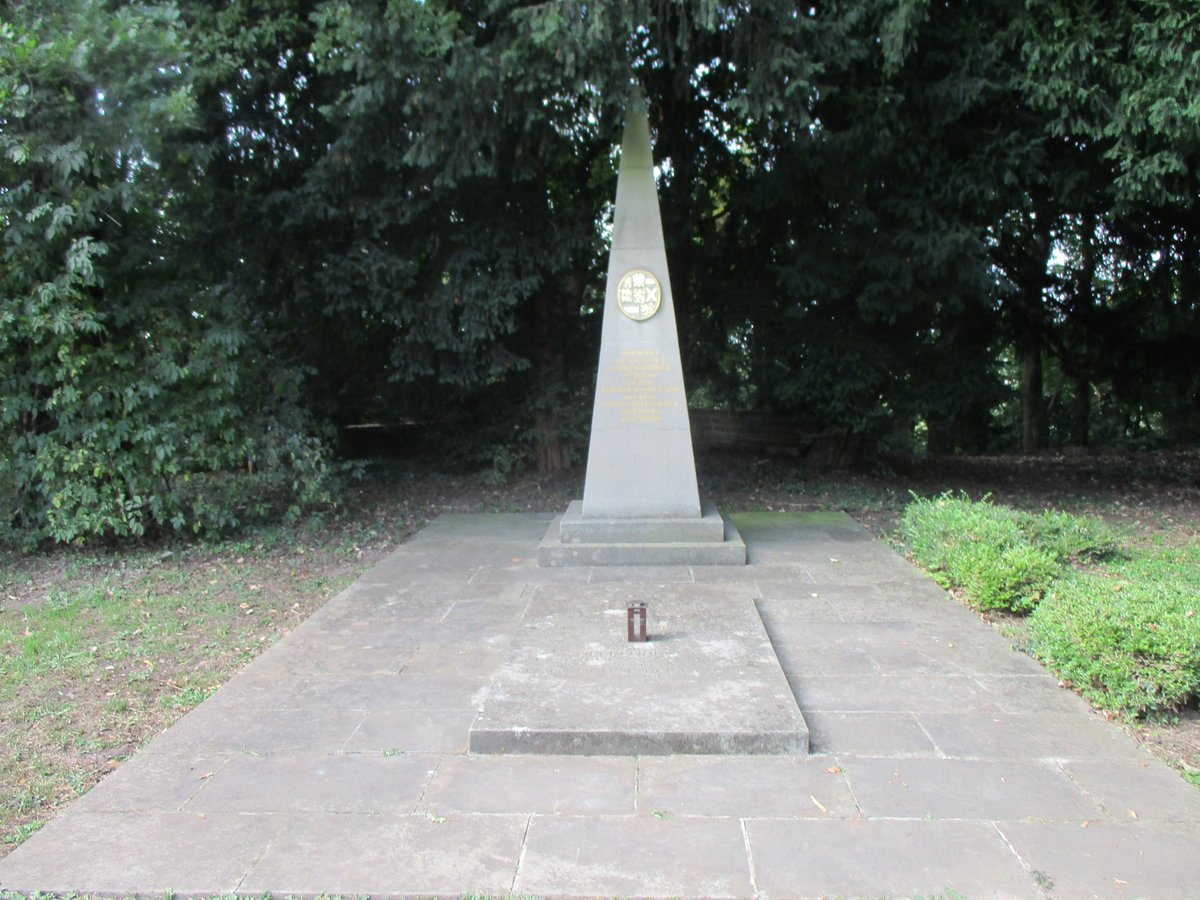
Set on the verdant Halberg hill overlooking the Saar River, the Grabmal Fürst Heinrich occupies a tranquil park-like area. The Halberg was historically the site of Schloss Monplaisir and a favored residence of the Nassau-Saarbrücken family, offering visitors a contemplative retreat within the city (mapcarta.com).
Architectural Features
The Obelisk
The monument’s centerpiece is a light-colored stone obelisk—a form inspired by ancient Egyptian architecture, adopted in the 18th century to symbolize memory, eternity, and the ascent of the soul. Its unadorned verticality reflects the Enlightenment’s preference for clarity and restraint.
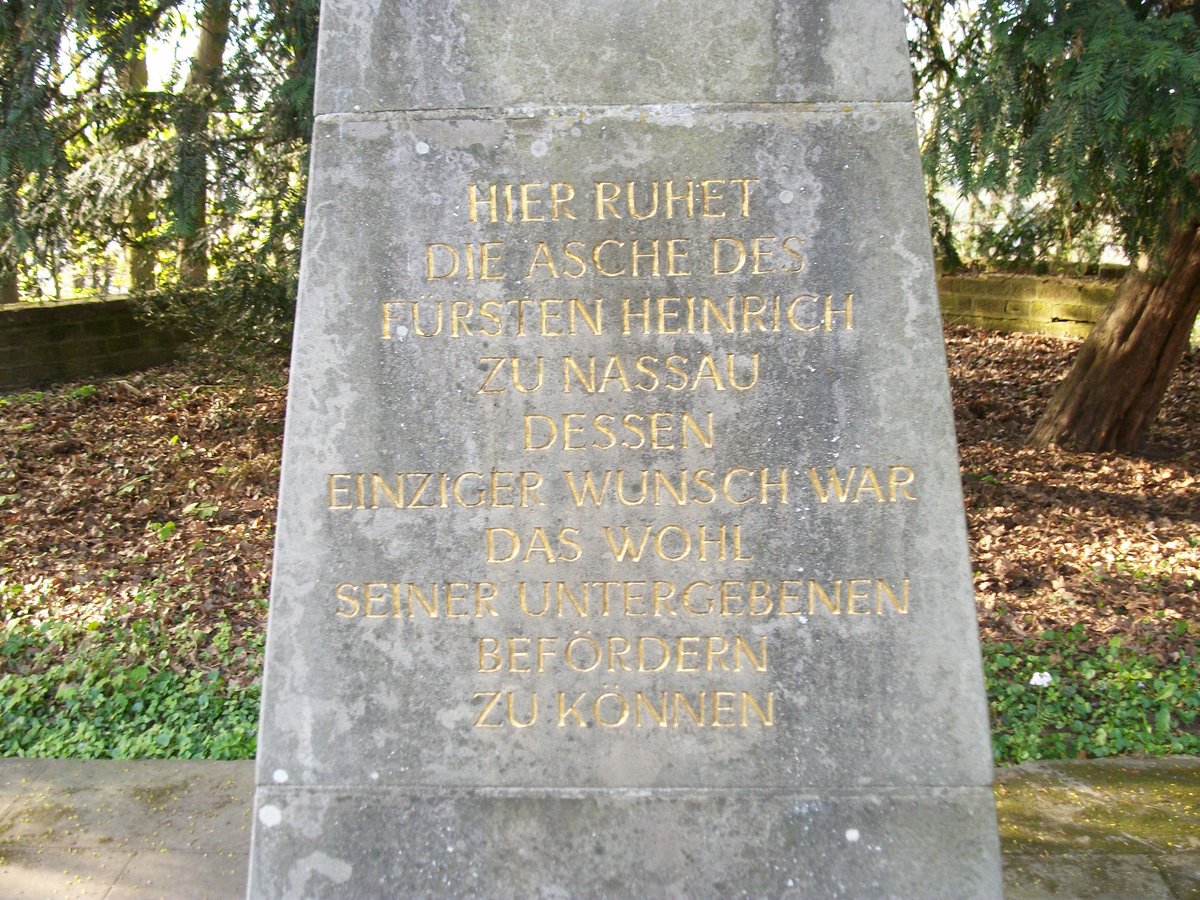
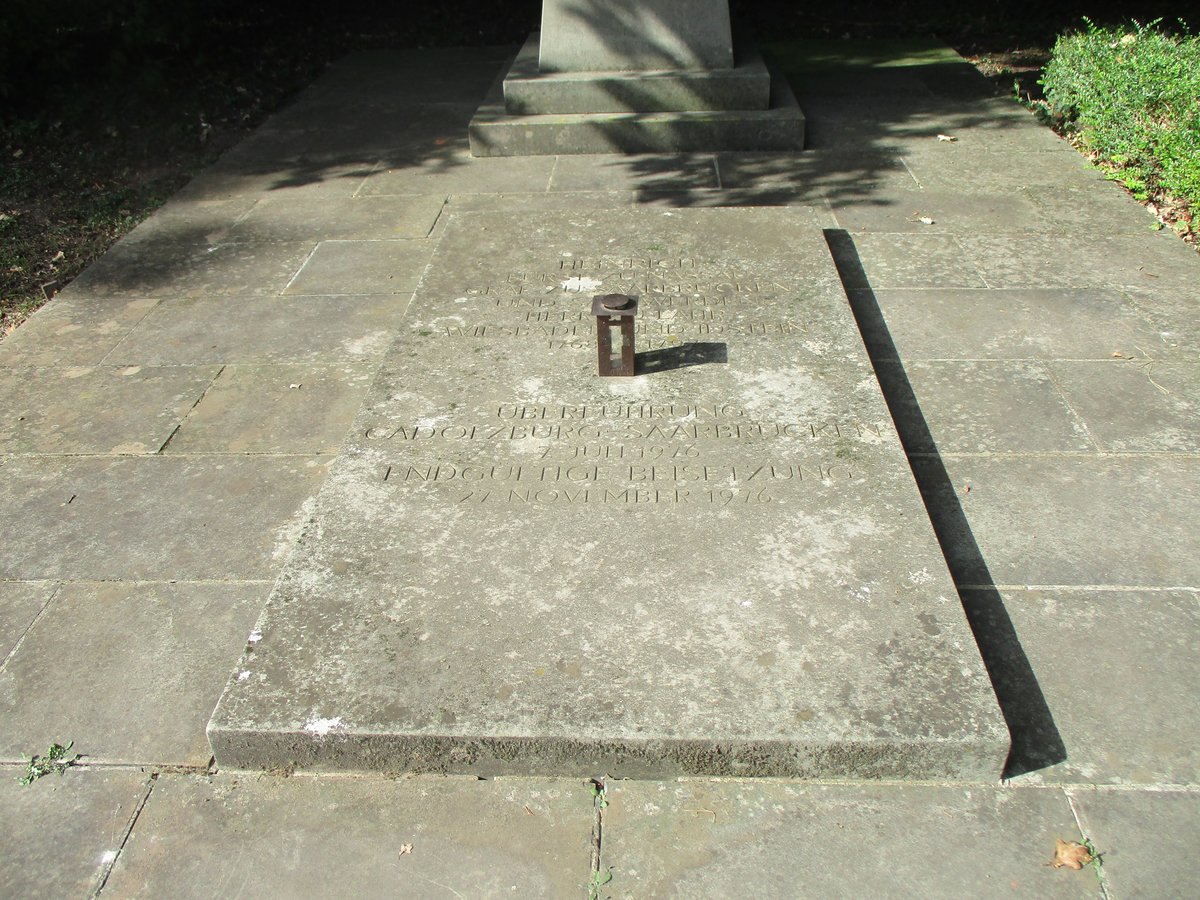
The obelisk stands on a square pedestal, often featuring heraldic emblems of the Nassau-Saarbrücken family. The setting within a naturalistic English landscape park—a departure from earlier Baroque gardens—emphasizes harmony with nature.
Symbolism
Fürst Heinrich’s wish to be buried on Halberg connects the monument to both personal legacy and broader Enlightenment ideals. The design bridges Baroque dynastic grandeur and the Romantic appreciation of landscape and memory.
Visitor Experience and Interpretation
Informational signage explains the monument’s history and symbolism. The setting encourages reflection, and benches along the paths offer spots to rest and enjoy the landscape. The monument is freely accessible and can be explored comfortably within 20–30 minutes.
Schlosskirche Saarbrücken: History and Visitor Guide
Historical Significance
The Schlosskirche is a Baroque masterpiece, combining spiritual and dynastic roles as both church and princely mausoleum. Archaeological research, including studies in 1842 and 1995, has revealed much about the burial customs and preservation of noble remains, enhancing the monument’s scholarly significance (Zeitensprung: Die Bestattung des Fürsten Wilhelm Heinrich von Nassau-Saarbrücken).
Guided Tours and Special Events
- Guided tours: Offered daily at 11:00 AM and 3:00 PM.
- Audio guides: Available in multiple languages.
- Special exhibitions and events: Related to Nassau-Saarbrücken heritage, check the official website for updates.
Accessibility
- Fully wheelchair accessible, with assistance available.
- Contact the visitor center ahead of your visit for special arrangements.
Nearby Attractions
- Saarbrücken Castle and Museum
- Ludwigskirche
- St. Johanner Markt
- Saarland Museum
Practical Information
Getting There
- Public transport: Bus lines 101/102 to Schlossplatz for Schlosskirche; buses to “Halberg”/“Schloss Halberg” for the Halberg monument.
- By train: Saarbrücken Hauptbahnhof, 15–20 minutes on foot or by bus.
- By car: Limited free parking near both sites.
- On foot or bicycle: Both monuments are accessible via scenic walking or cycling routes from the city center.
Site Layout and Facilities
- Schlosskirche: Includes museum exhibits, restrooms, and a café (subject to opening hours).
- Halberg monument: No on-site facilities, but benches and signage available; Schloss Halberg nearby may offer amenities.
FAQs
Q: What are the visiting hours for the Schlosskirche and the Halberg monument?
A: Schlosskirche is open Tuesday–Sunday, 10:00 AM–5:00 PM; Halberg monument is accessible year-round during daylight.
Q: Is there an entry fee?
A: Schlosskirche: €6 (adults), €4 (reduced), free for children under 12. Halberg: free.
Q: Are guided tours available?
A: Yes, guided tours at Schlosskirche; occasional tours for Halberg monument.
Q: Is the site accessible for visitors with disabilities?
A: Schlosskirche: fully accessible. Halberg: partial accessibility; assistance may be needed.
Q: What else can I see nearby?
A: Saarbrücken Castle, Ludwigskirche, Saarland Museum, St. Johanner Markt, and the remains of Schloss Monplaisir.
Preservation and Modern Relevance
Both the Schlosskirche and the Halberg monument have undergone restoration after wartime damage and natural wear. The sites now serve as vital links to Saarbrücken’s noble past and as centers for cultural and educational activities.
Summary and Recommendations
Visiting the Grabmal Fürst Heinrich von Nassau-Saarbrücken is a rewarding journey into Saarbrücken’s noble, architectural, and cultural legacy. The monumental tomb in the Schlosskirche offers a profound historical and artistic experience, while the Halberg obelisk provides a tranquil space for contemplation amid nature. Both sites are accessible and affordable, with the Schlosskirche offering additional amenities and guided experiences.
Combine your exploration with nearby attractions such as Saarbrücken Castle and Ludwigskirche for a comprehensive understanding of the city’s aristocratic heritage. To enrich your visit, make use of guided tours, the Audiala app, and local tourism resources.
For up-to-date information, check the Schlosskirche Saarbrücken website and regional tourism portals (touren.saarland).
Start planning your visit today to experience the unique blend of history, art, and nature that only the Grabmal Fürst Heinrich von Nassau-Saarbrücken can offer.
Listen to the full story in the app
The whole Grabmal Fürst Heinrich Von Nassau-Saarbrücken,
told well.
Audio guides for 1,100+ cities across 96 countries. History, stories, and local insight — offline ready.
Verified, and shown.
Researched and written by the Audiala editorial team from historical records, architectural archives, and local expertise.
Researched from Wikidata, Wikipedia & official sources · fact-checked · How we make our guides →