
The Stolpersteine Project: Origins and Philosophy
Initiated by German artist Gunter Demnig in 1992, the Stolpersteine (“Stumbling Stones”) project is a widespread European memorial effort to honor individual victims of Nazi persecution. Over 100,000 Stolpersteine have been installed in more than 1,800 cities and towns throughout Europe, each marking the last freely chosen residence of a victim (Stolpersteine official; pragueviews.com).
Core Principles:
- Personal Remembrance Each stone restores a victim’s name and story, countering the Nazi regime’s dehumanization (stolpersteine.eu).
- Integration into Daily Life Embedded in public sidewalks, Stolpersteine make remembrance an everyday experience (pragueviews.com).
- Inclusivity The project commemorates Jews, Roma, Sinti, political dissidents, people with disabilities, LGBTQ+ individuals, and others targeted by the Nazis (mannschaft.com; intopoland.com).
- Community Engagement Installations involve local schools, families, and organizations, fostering dialogue and education (holocaust.org.uk).
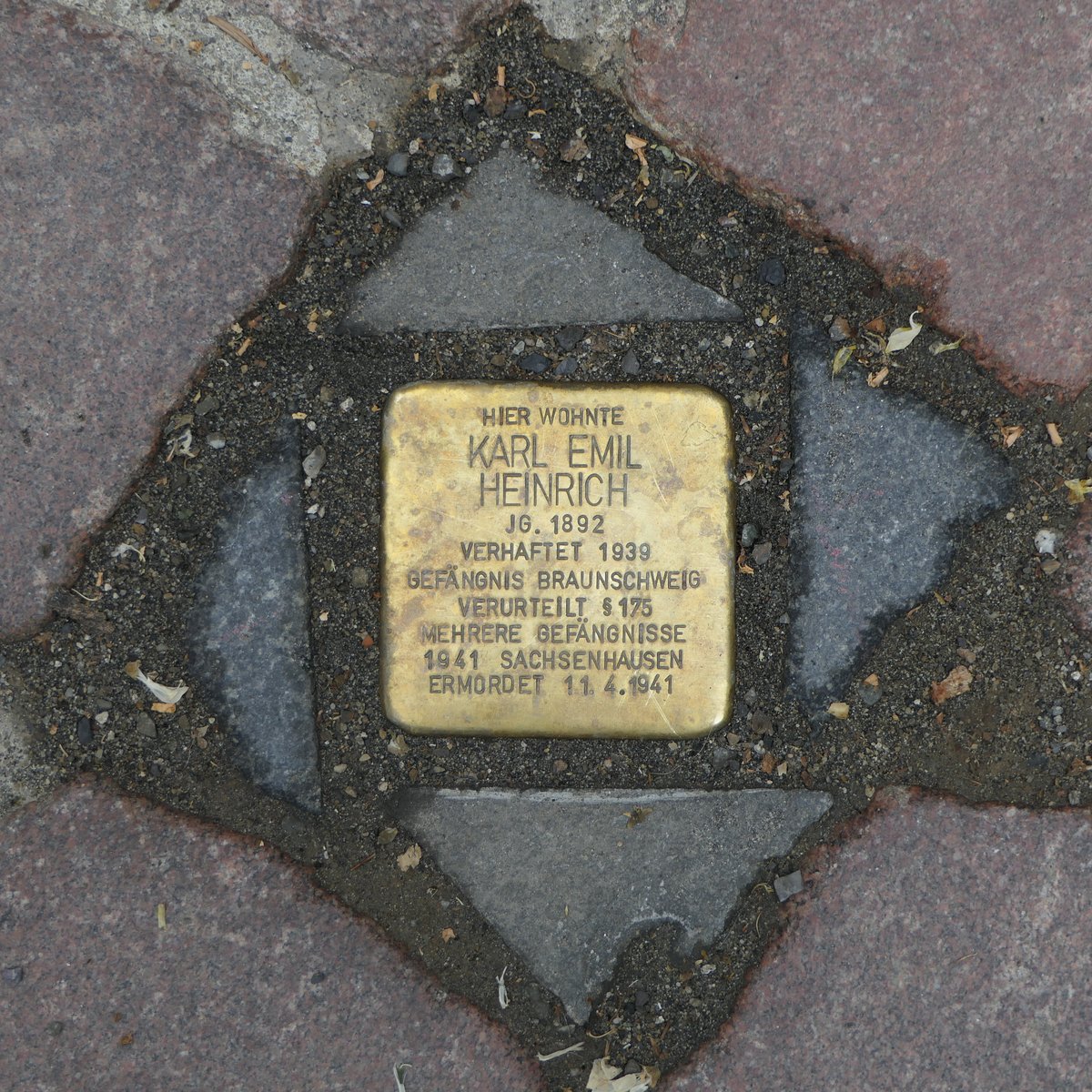
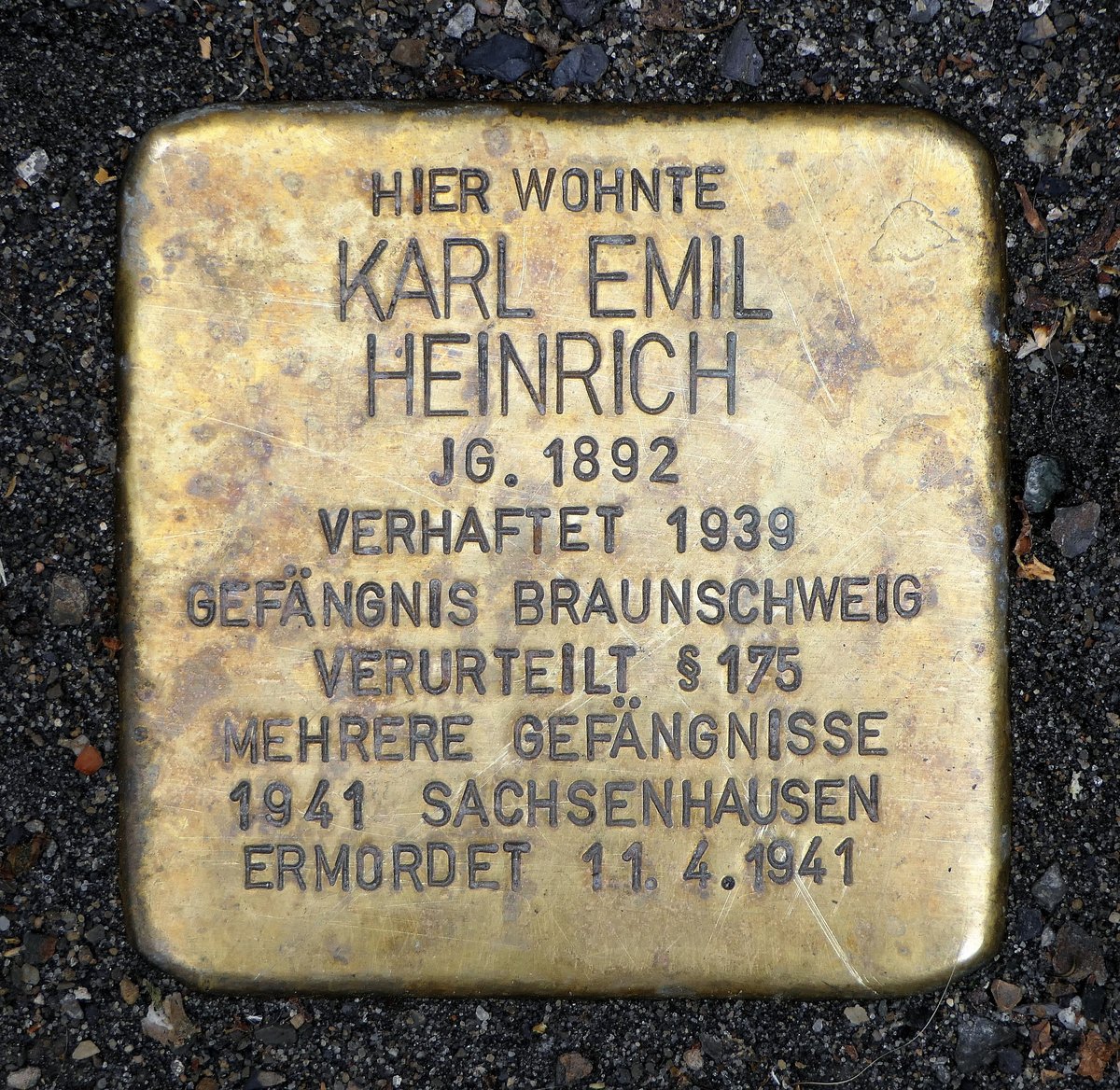
Each Stolperstein is a 10 x 10 cm concrete cube with a hand-engraved brass plate, typically inscribed with “Hier wohnte…” (“Here lived…”), the victim’s name, birth date, and fate (atlasobscura.com).
Karl Emil Heinrich: Life, Persecution, and Memorialization
Biography and Persecution
Karl Emil Heinrich was born in Pirna in 1892 and worked as a cement laborer (de.wikipedia.org). His life took a tragic turn under the Nazi regime’s enforcement of Paragraph 175—a law criminalizing homosexual acts. Arrested in 1939, Heinrich was imprisoned and eventually died in Sachsenhausen concentration camp in 1941 (mannschaft.com; stolpersteine.eu).
His Stolperstein, located at Niedere Burgstraße 6 in Pirna’s old town, was installed in collaboration with local communities, ensuring that his story and those of other marginalized victims are not forgotten (ag-asylsuchende.de).
Visiting the Stolperstein: Location, Accessibility, and Hours
Location
- Address Niedere Burgstraße 6, 01796 Pirna, Germany
- How to Find The Stolperstein is embedded in the pavement outside Heinrich’s former residence in the historic center. Its location can be verified on digital maps or through the official Stolpersteine database and Wikimedia Commons.
Visiting Hours and Admission
- Hours Accessible 24/7, year-round.
- Admission Free of charge; no ticket or booking is required.
Accessibility
- The site is on a public pavement in Pirna’s historic district. Streets are cobblestoned, which may present minor challenges for wheelchairs or strollers. Most Stolpersteine are flush with the pavement for ease of access.
- The city maintains accessible routes where possible. Contact the Pirna Tourist Information Center for specific accessibility support (Visit Saxony).
Respectful Engagement and Community Participation
Visitor Etiquette
- Pause and Reflect Reading the inscription and spending a moment in silence is customary.
- Commemorative Gestures Leaving flowers or small stones is a tradition rooted in Jewish remembrance practices.
- Cleaning Visitors are invited to help maintain the Stolperstein’s shine by gently cleaning with a soft cloth and mild cleaner—no harsh chemicals or abrasive tools (Stolpersteinecz.cz).
- Photography Allowed, but should be done respectfully without disturbing residents or other visitors.
Community Events
- Ceremonies are often held on International Holocaust Remembrance Day (January 27) and during Pride Month, emphasizing the ongoing relevance of human rights and memory.
- Local schools and organizations may host educational events or guided walks.
Nearby Historical Sites and Itinerary Suggestions
Enhance your visit by exploring Pirna’s rich historical landscape:
- Sonnenstein Castle Former Nazi euthanasia center, now a memorial and exhibition site (Audiala).
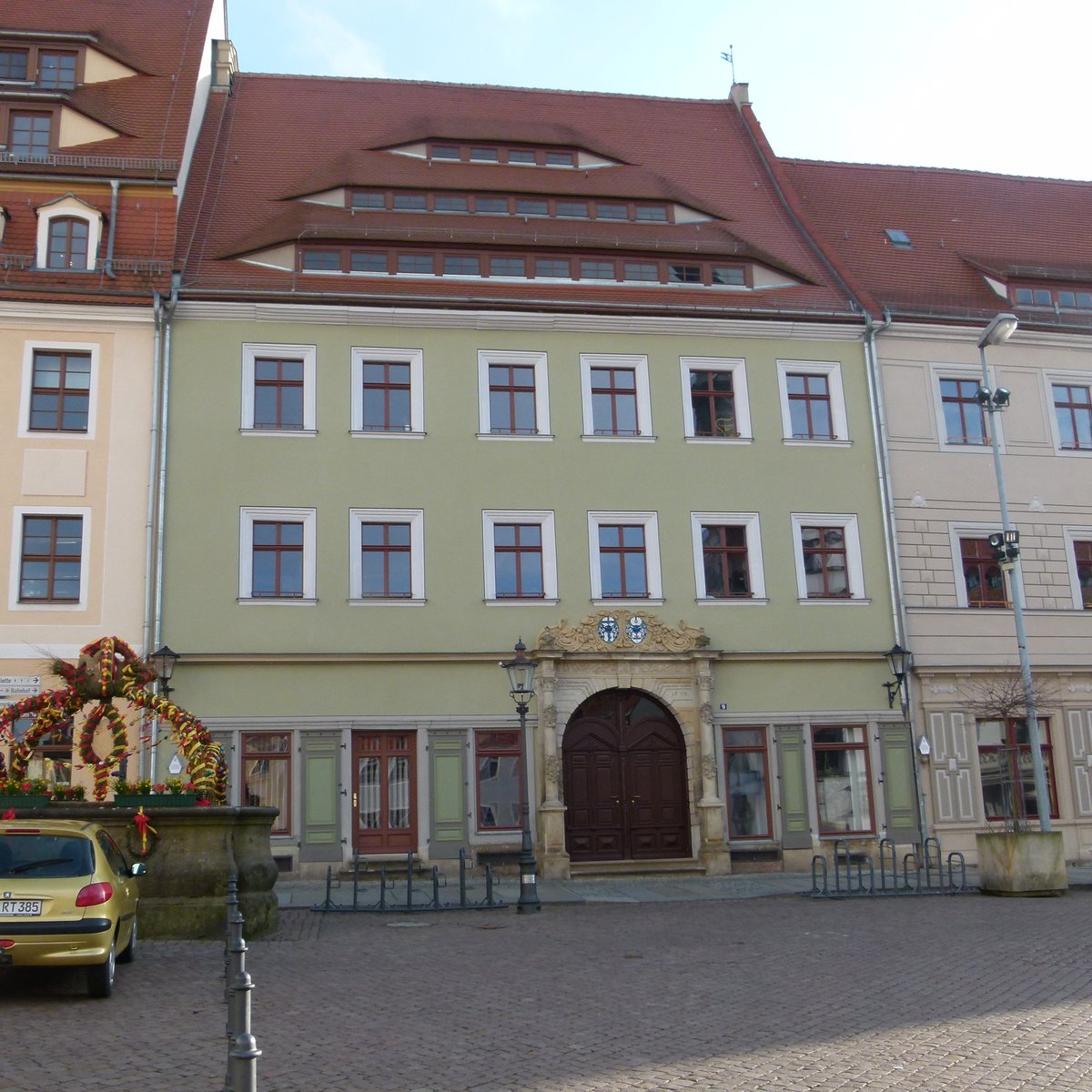
- Old Market Square The heart of Pirna’s historic center.
- St. Mary’s Church Notable Gothic church.
- Elbe River Promenade Scenic walking routes along the river.
Consult Visit Saxony for more ideas.
Frequently Asked Questions (FAQ)
Q: Where is the Karl Emil Heinrich Stolperstein located?
A: Niedere Burgstraße 6, Pirna, Germany, in the historic center (Wikimedia Commons).
Q: What are the visiting hours?
A: Accessible 24/7, all year round.
Q: Is there any admission fee?
A: No, visiting Stolpersteine is always free.
Q: Are guided tours available?
A: Yes, book via the Pirna Tourist Information Center or check online for schedules.
Q: Is the site wheelchair accessible?
A: Generally yes, but cobblestones may present minor obstacles. Accessible routes are maintained where possible.
Q: Can I take photographs?
A: Yes, discreet photography is encouraged to raise awareness.
Q: How can I help maintain the Stolperstein?
A: Bring a soft cloth to gently clean the brass plaque during your visit.
Planning Your Visit: Practical Tips
- Wear Comfortable Shoes Prepare for cobblestone streets and walking.
- Visit During Daylight For best visibility and safety.
- Bring Cleaning Supplies A soft cloth and mild cleaner help maintain the memorial.
- Use Digital Maps The Stolpersteine app or local guides aid navigation.
- Respect Privacy Stolpersteine are often in residential areas.
- Participate in Community Events Join cleaning ceremonies or remembrance days if your visit coincides.
Summary: Key Points and Final Thoughts
The Stolperstein for Karl Emil Heinrich in Pirna transforms public space into a site of memory, honoring both an individual life and the broader struggle against intolerance. By visiting, reflecting, and participating, you contribute to an ongoing culture of remembrance and education that resists forgetting and promotes human rights for all (mannschaft.com; stolpersteine.eu).
The memorial’s location amid Pirna’s historical attractions offers a unique opportunity for immersive learning. Utilize resources like the Stolpersteine app, guided tours, and local museums to enrich your experience. By engaging with Stolpersteine, you help ensure that the names and stories of victims like Karl Emil Heinrich continue to inspire and educate future generations.


.JPG)