Plan and listen to Königstein Fortress with Audiala.
Audio guide in your pocket, itinerary in your browser. Built for the way you actually visit.
Introduction
Marktplatz, located in the heart of Pirna, Germany, is a historical and cultural gem that offers visitors a unique glimpse into the past. With a rich history dating back to the early medieval period, Marktplatz has served as the focal point for trade, commerce, and social life in Pirna for centuries. This comprehensive guide aims to provide valuable insights into the historical, architectural, and cultural significance of Marktplatz, making it an essential destination for history enthusiasts and travelers alike. From the Gothic architecture of Stadtkirche St. Marien to the Renaissance-style Rathaus, the square's evolution reflects the various architectural styles and historical events that have shaped Pirna. Visitors can also enjoy a variety of cultural events and festivals, such as the Pirna Christmas Market, which celebrates the town's heritage and traditions. Accessible and well-connected, Marktplatz is a must-visit destination that offers a perfect blend of history, culture, and modern-day relevance. For more information, visit the official website of Pirna.

Historical Background
Early Beginnings and Medieval Era
Marktplatz, the central market square in Pirna, Germany, has a rich history that dates back to the early medieval period. Pirna itself was first mentioned in historical records in 1233, and the Marktplatz quickly became the heart of the town's economic and social life. The square's strategic location along the Elbe River made it a crucial hub for trade and commerce. During the 13th and 14th centuries, Pirna flourished as a trading town, with the Marktplatz serving as the focal point for merchants and traders from across the region.
Architectural Evolution
The architectural landscape of Marktplatz has evolved significantly over the centuries. One of the most notable buildings is the Stadtkirche St. Marien, a Gothic church that dominates the square. Construction of the church began in the 15th century and was completed in the early 16th century. The church's intricate design and towering spire are testaments to the architectural prowess of the period. Another significant structure is the Rathaus (Town Hall), which was originally built in the 14th century and later renovated in the Renaissance style during the 16th century. The Rathaus features a distinctive façade adorned with ornate decorations and a clock tower that has become an iconic symbol of Pirna.
The Renaissance and Baroque Periods
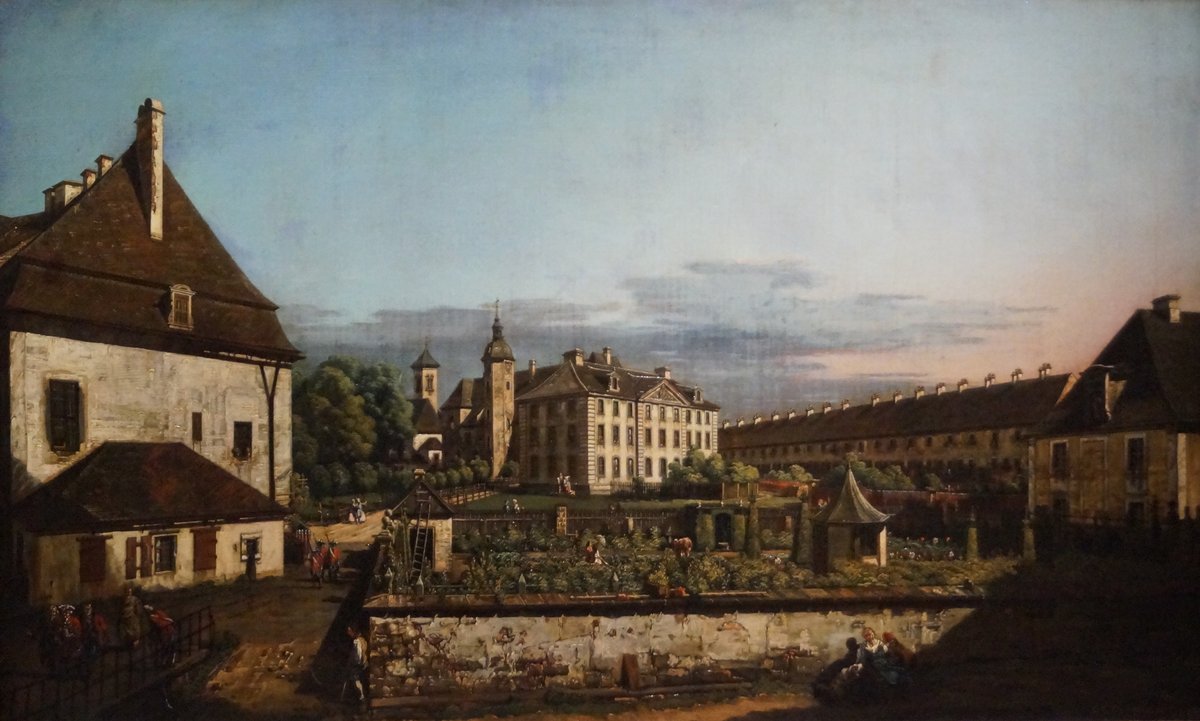
The Renaissance period brought about significant changes to Marktplatz, with many buildings being renovated or reconstructed in the Renaissance style. The influence of the Renaissance is evident in the architectural details and the layout of the square. During the Baroque period, further enhancements were made, including the addition of decorative elements and the construction of new buildings. The Canaletto House, named after the famous Venetian painter Canaletto who depicted Pirna in several of his works, is a prime example of Baroque architecture in the square.
19th and 20th Centuries - Industrialization and Modernization
The 19th century marked a period of industrialization and modernization for Pirna and its Marktplatz. The advent of the railway in the mid-19th century brought increased connectivity and economic growth to the town. The Marktplatz continued to serve as a central hub for commerce, with new shops and businesses opening up around the square. The 20th century saw further modernization, with the introduction of modern amenities and infrastructure. Despite the challenges of World War II, Pirna managed to preserve much of its historical architecture, including the buildings around Marktplatz.
Post-War Reconstruction and Preservation
After World War II, efforts were made to restore and preserve the historical buildings in Marktplatz. The square underwent several restoration projects to repair war damage and maintain its historical integrity. In the 1990s, extensive renovations were carried out to revitalize the square and enhance its appeal to both residents and tourists. Today, Marktplatz stands as a well-preserved historical site that offers a glimpse into Pirna's rich past.
Cultural Significance and Modern-Day Relevance
Marktplatz is not only a historical landmark but also a vibrant cultural center. The square hosts various events and festivals throughout the year, including the Pirna Christmas Market, which attracts visitors from all over Germany and beyond. The market features traditional crafts, food, and entertainment, creating a festive atmosphere that celebrates the town's cultural heritage. Additionally, the square is home to several cafes, restaurants, and shops, making it a popular destination for both locals and tourists.
Notable Historical Events
Several notable historical events have taken place in Marktplatz over the centuries. One such event is the Treaty of Pirna, signed in 1634 during the Thirty Years' War. The treaty marked a significant moment in the town's history, as it brought temporary peace to the region. Another important event is the visit of King Augustus the Strong in the early 18th century. The king's visit was a grand affair, with elaborate celebrations held in Marktplatz to honor his presence.
Visitor Information
Visiting Hours and Ticket Prices
Marktplatz is accessible to visitors 24 hours a day, though specific attractions such as the Stadtkirche St. Marien and Rathaus may have their own visiting hours and ticket prices. It's advisable to check the official website of Pirna for the most up-to-date information.
Travel Tips
Pirna is well-connected by rail and road, making it easily accessible from major cities like Dresden. Visitors can enjoy a scenic train ride along the Elbe River or opt for a leisurely drive through the picturesque countryside.
Nearby Attractions
While visiting Marktplatz, be sure to explore other historical sites in Pirna such as the Sonnenstein Castle and the Pillnitz Palace. Both sites offer unique insights into the region's history and architectural heritage.
Accessibility
Marktplatz is designed to be accessible to all visitors, including those with mobility challenges. The square features smooth pavements and ramps to ensure everyone can enjoy its historical and cultural offerings.
Preservation Efforts and Future Prospects
Preservation efforts continue to play a crucial role in maintaining the historical and cultural significance of Marktplatz. The town of Pirna has implemented various measures to protect and preserve the historical buildings and structures in the square. These efforts include regular maintenance, restoration projects, and the promotion of sustainable tourism practices. Looking to the future, Marktplatz is poised to remain a central part of Pirna's cultural and historical landscape, attracting visitors from around the world who seek to experience its rich heritage.
FAQ
Q: What are the visiting hours for Marktplatz?
A: Marktplatz is accessible 24 hours a day, though specific attractions around the square may have their own visiting hours.
Q: Is there an entrance fee to visit Marktplatz?
A: The square itself is free to visit, but certain attractions like the Stadtkirche St. Marien and Rathaus may have entrance fees.
Q: How do I get to Marktplatz from Dresden?
A: Pirna is well-connected by rail and road. You can take a scenic train ride along the Elbe River or drive through the picturesque countryside.
Q: Are there any guided tours available?
A: Yes, guided tours are available and can be booked through the official website of Pirna.
Q: What events take place in Marktplatz?
A: The square hosts various events and festivals throughout the year, including the popular Pirna Christmas Market.
Listen to the full story in the app
The whole Königstein Fortress,
told well.
Audio guides for 1,100+ cities across 96 countries. History, stories, and local insight — offline ready.
Verified, and shown.
Researched and written by the Audiala editorial team from historical records, architectural archives, and local expertise.
Researched from Wikidata, Wikipedia & official sources · fact-checked · How we make our guides →