Introduction
Rising at the heart of Nuremberg’s Old Town, the Weißer Turm (White Tower) stands as a striking symbol of the city’s rich medieval heritage and its seamless blend with contemporary urban life. Dating back to around 1250, this former gate tower was integral to Nuremberg's second city wall, controlling access, levying tolls, and playing a crucial role in city timekeeping. Today, it remains a prominent architectural landmark, gracefully integrated with the Nuremberg U-Bahn, and surrounded by vibrant shopping streets, cultural attractions, and historic churches (Nuremberg Tourism; Wikipedia).
This guide provides everything you need for a memorable visit: historical context, architectural insights, practical information on accessibility and transportation, highlights of nearby attractions, and tips for making the most of your trip to this iconic site.
Photo Gallery
Explore Weißer Turm in Pictures

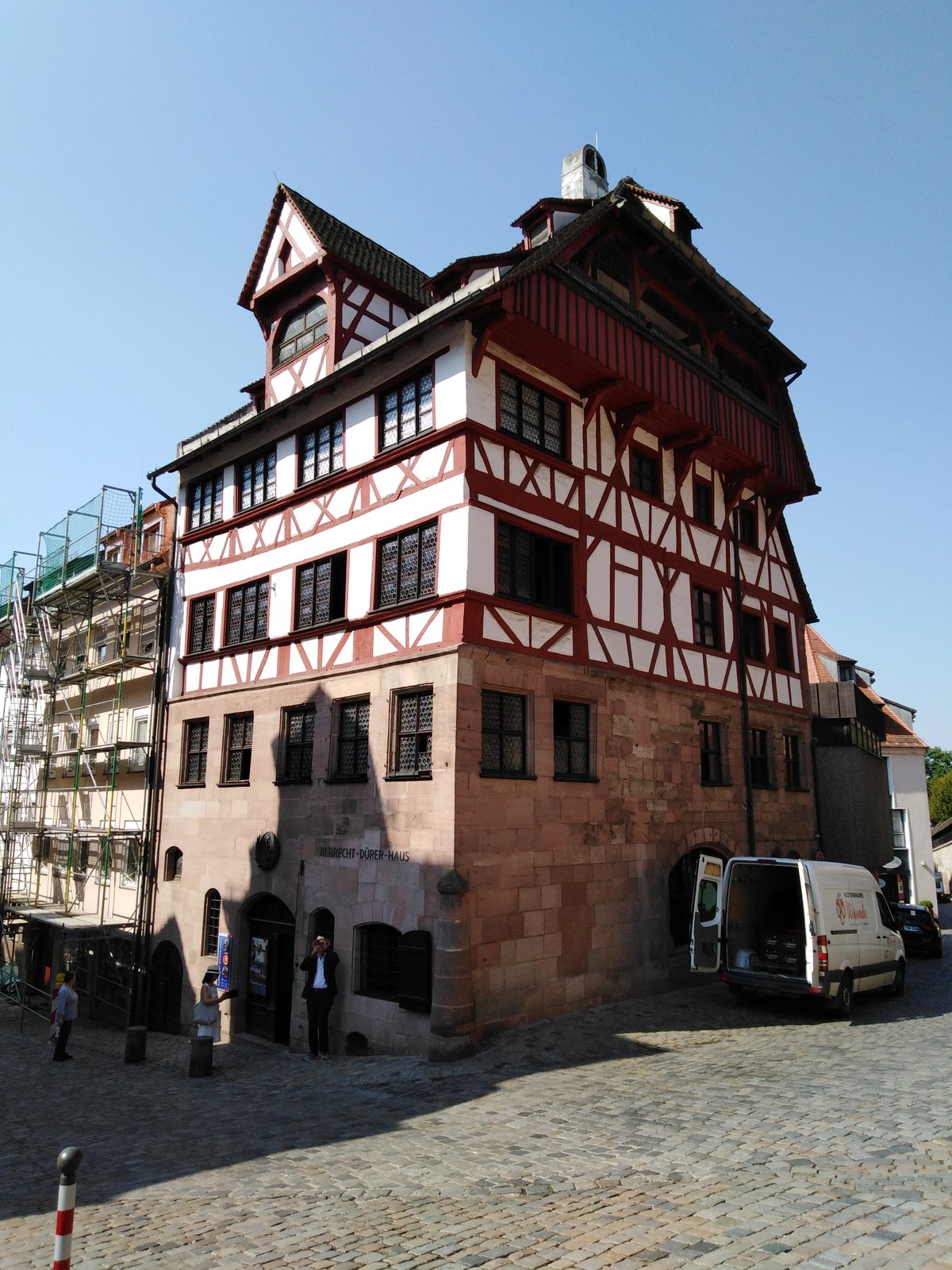
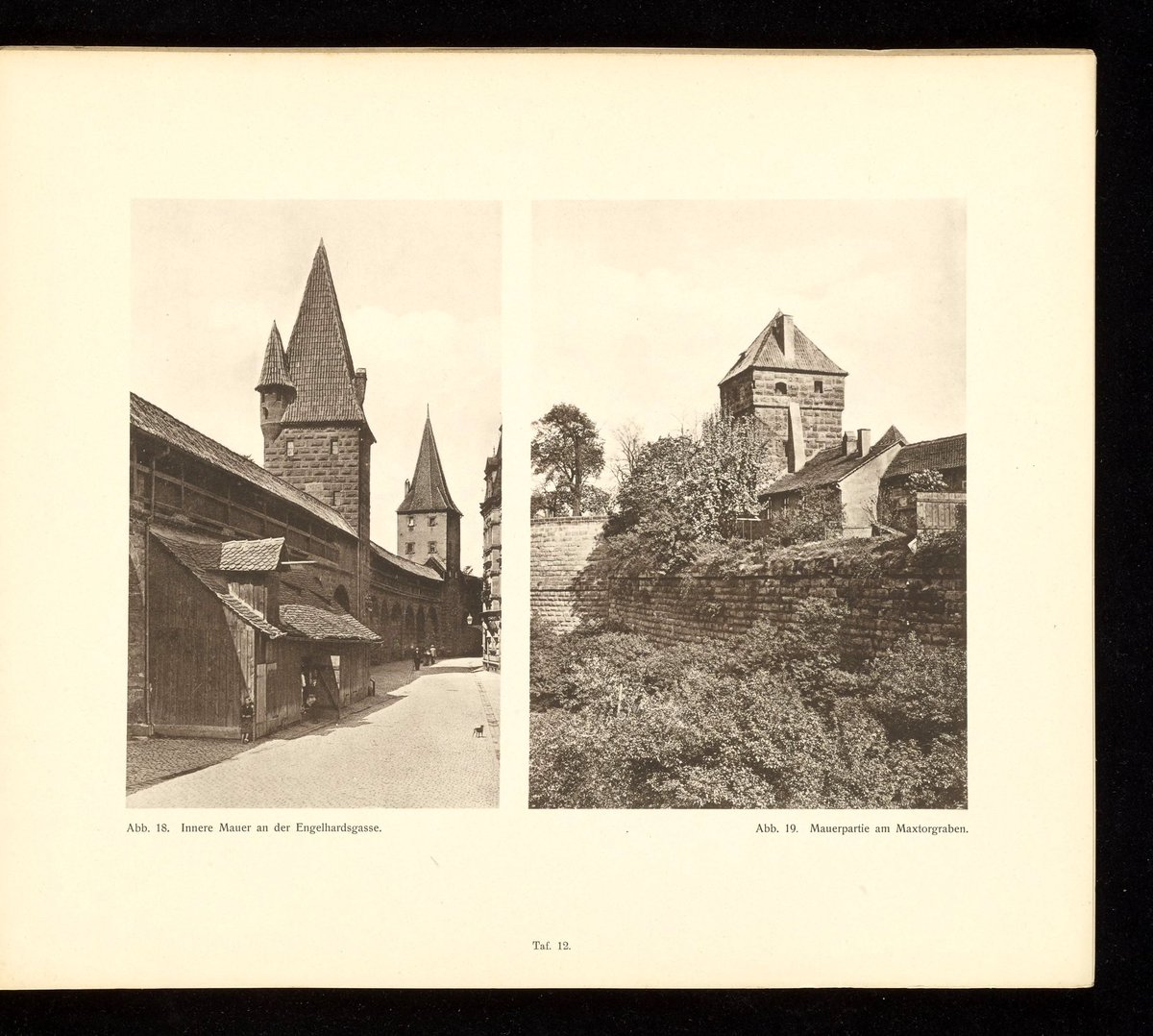
Exterior view of a traditional secular building in old Nuremberg featured in the book Alt-Nürnbergs Profanarchitektur

Copper engraving depicting 'Der Platz bey der Rosen' at Kornmarkt in Nuremberg, showing views from Josephsplatz to Ludwigsplatz and the White Tower circa 1720

Illustration from the book Malerische Ansichten aus Nürnberg showing picturesque cityscapes and architectural details of Nuremberg

An antique map titled "Nürnbergischer Prospecten" from around 1720 depicting a detailed aerial view of the city of Nuremberg, showcasing its historical layout and architecture.

A detailed historical map from the book Nürnbergischer Prospecten depicting the city of Nuremberg around the year 1720 with intricate city structures and street designs.

Black and white photo of Breite Gasse street in Nuremberg looking towards the White Tower taken in March 1911
Medieval Origins and Purpose
The Weißer Turm was erected around 1250 as part of Nuremberg’s expanding medieval fortifications. It formed one of the key towers in the city’s “penultimate” wall, which included structures like the Tiergärtnertorturm and Laufer Schlagturm (Historic Nuremberg, p. 3). The tower originally stood at the Inner Spittlertor, adjacent to the Elisabeth Hospital, and functioned as both a defensive stronghold and an administrative gate for toll collection (Wikipedia).
Constructed from local sandstone and brick, its whitewashed exterior made it visible from afar and gave the tower its name. The pointed Gothic archway and prominent city emblems above the gate further conveyed its status and function.
Role in City Life and Defense
As a gate tower, the Weißer Turm regulated trade and controlled the flow of goods and people into Nuremberg. Toll collections at the gate were a significant revenue source for the city’s burgeoning medieval economy (Pinsteps). Its strategic position on the western edge of the Old Town, near Ludwigsplatz, placed it amidst key religious sites such as St. Jakob and St. Elisabeth churches, and at the end of major shopping avenues like Karolinenstraße (Bayern Online).
Timekeeping and Horological Significance
The tower was also part of Nuremberg’s city-wide timekeeping system, housing a “Schlaguhr” (striking clock) that broadcast the “Nuremberg Time” across the city (Wikipedia). This tradition of horological innovation culminated in the early 16th century with Peter Henlein’s invention of the “Nuremberg Egg,” the world’s first portable watch (Pinsteps).
Survival and Restoration
Despite wartime destruction and postwar urban redevelopment, the Weißer Turm was spared demolition thanks to public advocacy in the 19th century (Pinsteps). Restoration after World War II removed the white plaster but preserved the robust brick and sandstone construction. The barbacane was reconstructed to reflect its medieval origins (Wikipedia).
Modern Integration and Urban Setting
In 1978, the Nuremberg U-Bahn was integrated into the base of the Weißer Turm, blending medieval architecture with modern transit infrastructure (Wikipedia). Today, the tower stands at Ludwigsplatz, surrounded by bustling pedestrian streets and vibrant shopping districts, and serves as a central hub for both locals and tourists (Evendo; Bavaria.by).
Visiting Weißer Turm: Essential Information
Visiting Hours and Tickets
- Exterior Access: The Weißer Turm is an outdoor monument and can be visited at any time, 24/7. There is no admission fee to view or photograph the tower’s exterior.
- Interior Access: The interior is generally closed to the public. On rare occasions, special events or guided tours may offer limited access—check with local tourism offices for updates.
Accessibility and Getting There
- Public Transport: The Weißer Turm U-Bahn station (lines U1 and U11) is located directly beneath the tower, offering barrier-free access with elevators and ramps (Nuremberg U-Bahn).
- On Foot: The site is a short walk from major landmarks such as St. Lorenz Church and the main train station.
- By Car: Public parking is available nearby (e.g., Parkhaus Adlerstraße, Parkhaus Jakobsmarkt), but use of public transport or walking is recommended due to limited vehicle access in the Old Town (Thrillophilia).
Best Times and Photography Tips
- Quietest Hours: Visit early morning or on weekdays for a more peaceful experience and clear photos.
- Lighting: The tower is attractively illuminated at night, making evening visits ideal for photography.
Guided Tours and Events
- Guided Tours: Several local companies and walking tours include the Weißer Turm as a historic stop. These tours often cover the history of the city walls, trade, and urban development.
- Festivals: The Weißer Turm serves as a backdrop for events such as the Christkindlesmarkt (Christmas market) and summer festivals, adding to the lively atmosphere (Trek Zone).
Nearby Attractions and Amenities
- Ehekarussell Fountain: Directly in front of the tower, this bold modern sculpture by Jürgen Weber (1984) depicts the stages of marriage and is a popular photo spot (Nuremberg Tourism; worldcitytrail.com).
- St. Elisabeth and St. Jakob Churches: Notable for their architecture and peaceful interiors (Trek Zone).
- Germanisches Nationalmuseum: Germany’s largest cultural history museum.
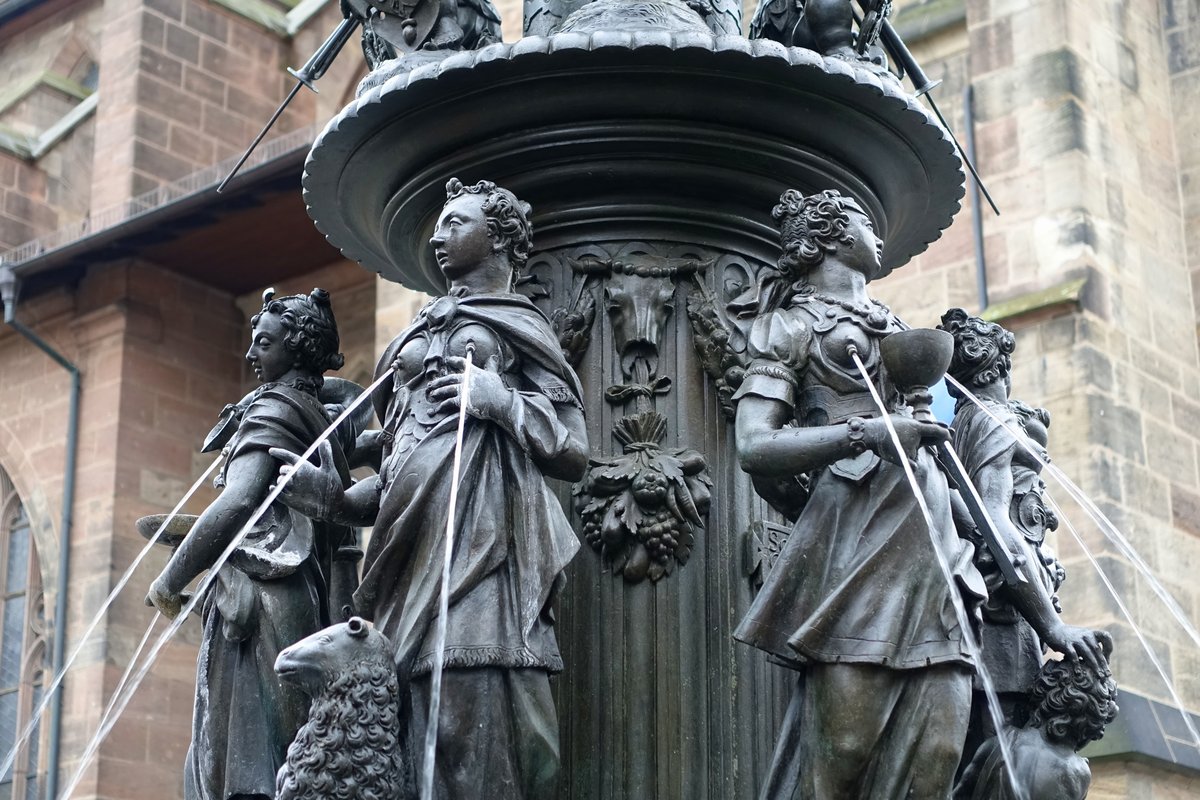
- Hauptmarkt: The main square, bustling with markets and home to the Schöner Brunnen fountain.
- Weissgerbergasse: Picturesque medieval street with half-timbered houses.
- Dining: Numerous cafés, bakeries, and restaurants, including Bratwurstglöcklein, renowned for authentic Nuremberg sausages (Germany Things To Do).
Amenities: Public restrooms are available at the U-Bahn station and local shopping centers; the area is accessible for wheelchairs and strollers.
Frequently Asked Questions (FAQ)
Q: Is there an entrance fee to visit the Weißer Turm?
A: No, its exterior is freely accessible at all times.
Q: Can visitors enter the Weißer Turm?
A: The interior is generally closed, except during rare special tours or events.
Q: What are the Weißer Turm’s visiting hours?
A: The monument’s exterior is accessible 24/7, year-round.
Q: Is the area accessible for people with disabilities?
A: Yes, the U-Bahn station and square are equipped for accessibility.
Q: What other attractions are nearby?
A: Ehekarussell fountain, St. Elisabeth and St. Jakob churches, Germanisches Nationalmuseum, Hauptmarkt, and Weissgerbergasse.
Listen to the full story in the app
Your Personal Curator, in Your Pocket.
Audio guides for 1,100+ cities across 96 countries. History, stories, and local insight — offline ready.
Audiala App
Available on iOS & Android
Join 50k+ Curators
Sources
-
verified
Historic Nuremberg, p
3, 2023, City of Nuremberg
- verified
- verified
- verified
- verified
- verified
- verified
- verified
- verified
Last reviewed: