Introduction
The Stadtmauer Neutorzwinger, located in the northwest corner of Nuremberg’s Old Town, is one of the most impressive and best-preserved segments of the city’s medieval fortifications. This site not only showcases centuries of military ingenuity and architectural evolution but also serves as a vibrant urban green space and cultural venue. Combining formidable sandstone walls, bastions, and towers with accessible pathways and community gardens, the Neutorzwinger provides a unique lens into Nuremberg’s history while offering modern visitors a welcoming place to explore, relax, and connect with the city’s heritage (City walls of Nuremberg, tourismus.nuernberg.de).
Medieval Origins and Defensive Innovation
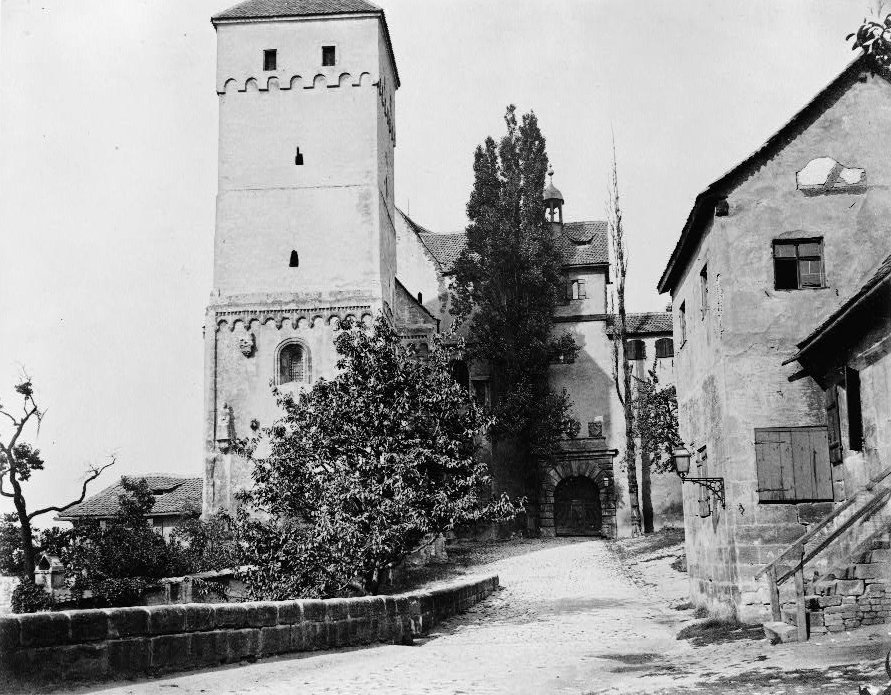
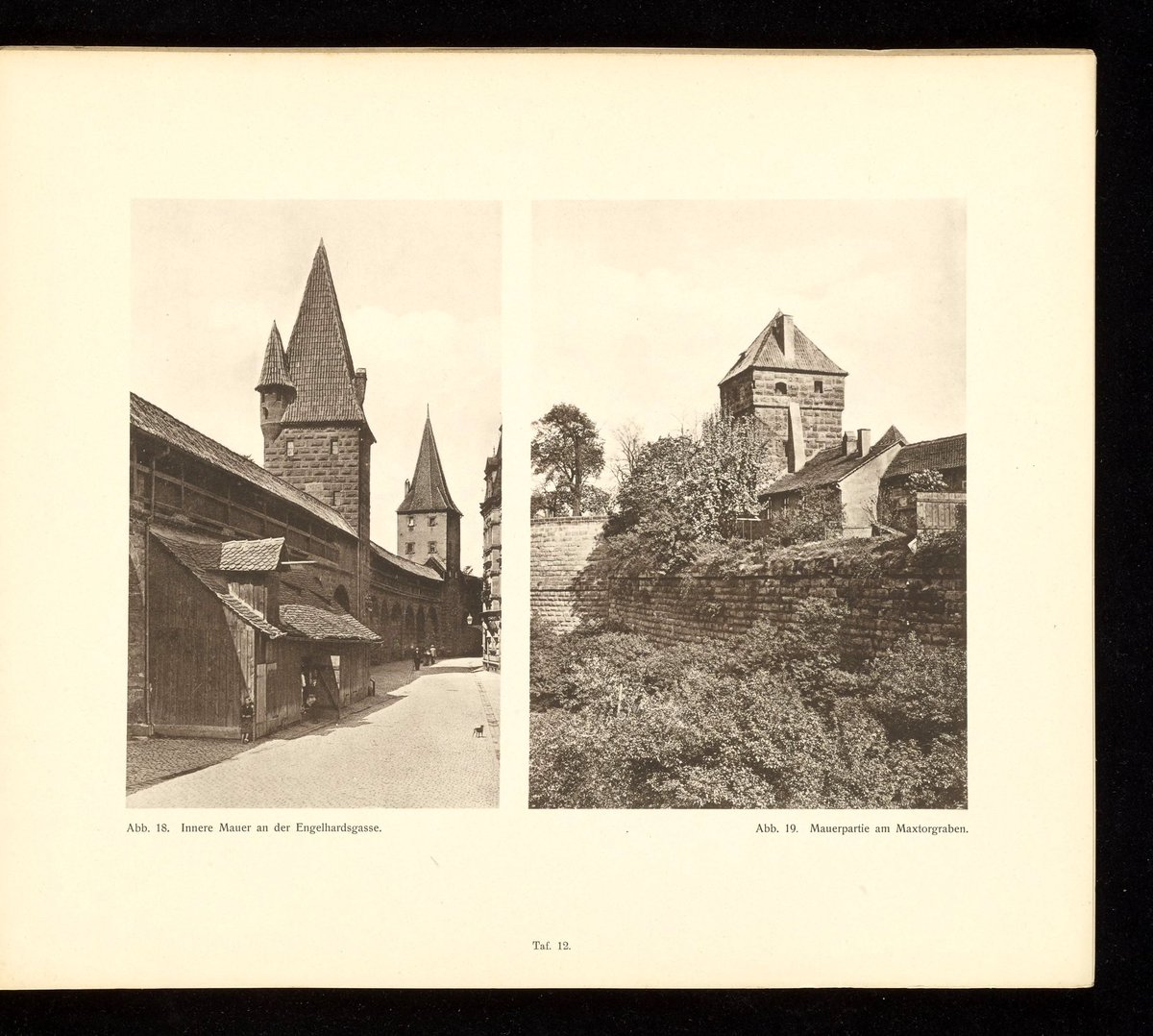
Nuremberg’s city walls, including the Neutorzwinger, have origins dating back to the 11th and 12th centuries when initial defenses protected early settlements. As the city expanded during the 14th and 15th centuries, a third and most extensive ring of walls was constructed, integrating advanced defensive features. The Neutor (New Gate) and its zwinger (outer defensive courtyard) were built to secure a historically vulnerable approach near the Imperial Castle and central trade routes (historic_nuremberg.pdf, petraschuster.de).
A “zwinger” is the area between two defensive walls designed as a killing ground to trap attackers who breached the outer wall. The Neutorzwinger’s moat, up to 20 meters wide and 12 meters deep, and its 15-meter-wide zwinger provided formidable obstacles and allowed the deployment of artillery and defensive fire from multiple levels (Stadtmauer (Nürnberg)).
Renaissance Upgrades
In the 16th century, Italian military engineer Antonio Fazuni introduced Renaissance innovations: angled bastions, thicker and lower walls, and gun ports to withstand cannon fire. The round Neutorturm, reinforced between 1556 and 1564, exemplifies these upgrades, allowing defenders to adapt to the changing nature of warfare. These improvements helped Nuremberg’s walls remain unbreached until World War II (quartiere-nuernberg.de).
Architecture and Features
Wall Construction and Towers
The Neutorzwinger’s walls, constructed mainly from local sandstone, stand 7–8 meters high and up to 5 meters thick at key points. The Neutorturm and other towers, each about 40 meters tall and 18 meters in diameter, provided commanding vantage points and robust defense (germanyfootsteps.com). The original wall system featured 74 towers, many of which remain today (quartiere-nuernberg.de).
The Zwinger and Moat
The zwinger served as a buffer zone between the main and outer walls, with arrow slits, cannon embrasures, and a dry moat increasing the fortification’s defensive depth. Given the elevation difference between the castle and the river, the moat was never filled with water but remained an imposing obstacle for would-be invaders (petraschuster.de). Covered walkways atop the walls allowed defenders to move quickly and safely between positions.
Modern Integration
Today, the Neutorzwinger is a model of adaptive reuse. Many towers and casemates house artists’ studios, youth centers, or serve as private residences. The site is also home to the Heilpflanzengarten (medicinal herb garden), maintained by local volunteers, and regularly hosts cultural events and educational workshops (geschichte-fuer-alle.de).
Visiting Information
Hours and Admission
- Site Access: The Stadtmauer Neutorzwinger is an open-air site, accessible year-round during daylight hours.
- Heilpflanzengarten: Open daily from 9:00 AM to 6:00 PM, with extended hours during summer.
- Admission: Access to the walls, towers, and gardens is free. Special events, workshops, or interior tours may require a ticket or registration (tourismus.nuernberg.de).
Accessibility
The Neutorzwinger area features paved paths and ramps, making it largely accessible for wheelchairs and strollers. Some historic towers and interior walkways are only accessible via stairs. Wear comfortable shoes, as cobblestones and uneven surfaces are common.
Guided Tours
Guided tours of the city walls, including the Neutorzwinger, are offered by the Nuremberg tourism office and local heritage organizations. These tours provide in-depth historical context and are typically available in German and English. Advance booking is recommended, especially during peak tourist seasons (unterwelten-nuernberg.de).
Travel Tips
- Best Time to Visit: Spring and autumn offer pleasant weather and fewer crowds. Weekday mornings are quieter.
- Facilities: Restrooms and cafés are located nearby in the Old Town. The adjacent Stadtgraben (city moat) provides green spaces for picnics.
- Safety: Exercise caution on stairs and elevated walkways. Respect posted signs and avoid restricted areas to help preserve the site.
What to See and Do
Key Sights
- Zwinger Courtyard: Walk the defensive corridor, observe medieval stonework, arrow slits, and cannon embrasures.
- Neutorturm: Admire the imposing round tower and its Renaissance-era modifications.
- Heilpflanzengarten: Enjoy the tranquil medicinal herb garden and learn about traditional plant uses.
- Green Spaces: Relax in landscaped parks along the old moat, now a haven for over 2,000 plant and animal species (nuernberg.de).
Events and Activities
Seasonal festivals, open-air concerts, art exhibitions, and historical reenactments often take place in the Neutorzwinger and its gardens. During the Christmas market season, the area is beautifully decorated and may host special tours and performances (sommertage.com).
Nearby Attractions
- Kaiserburg (Imperial Castle): Medieval fortress with museums and panoramic views (nuernberg.de).
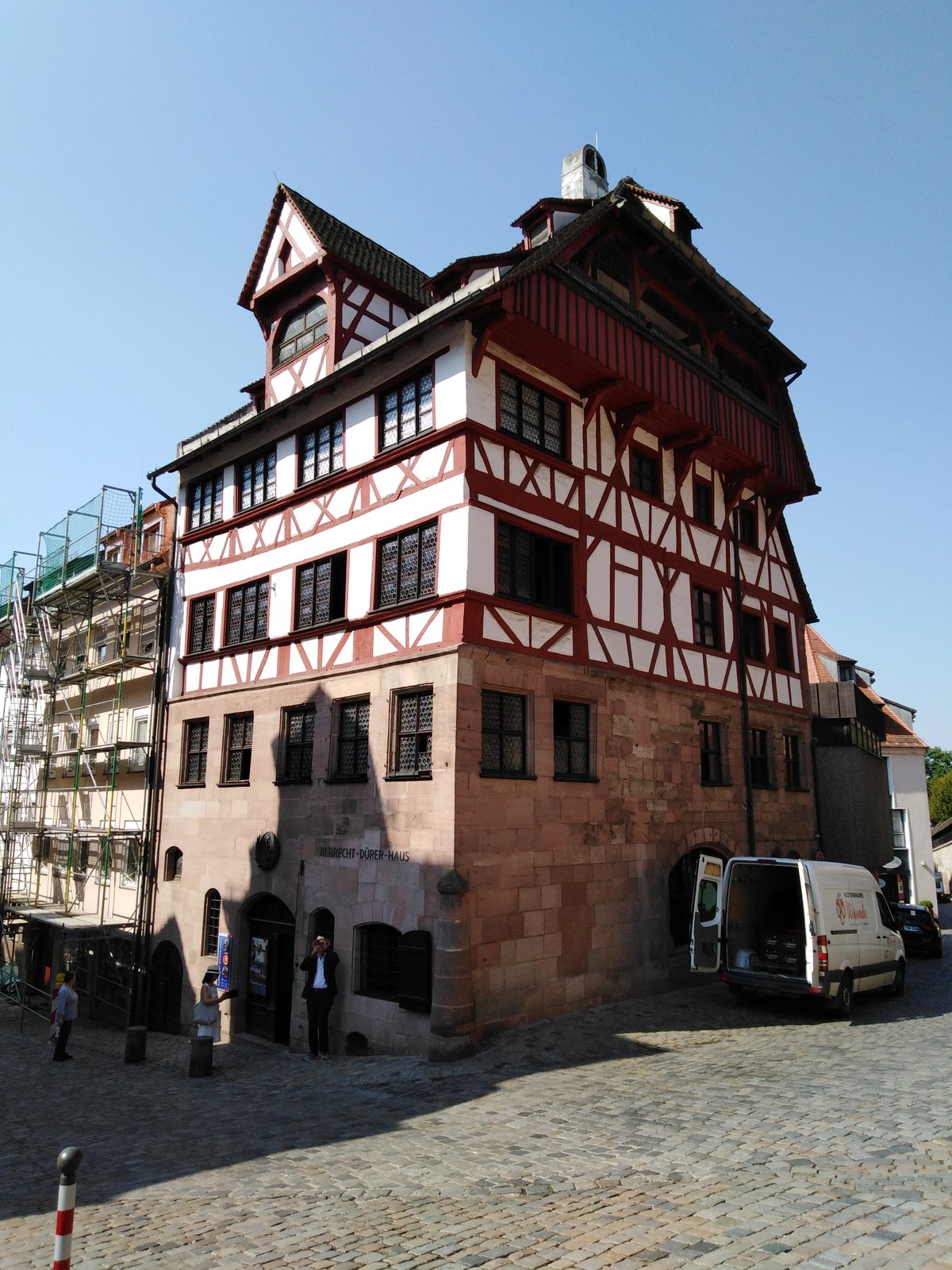
- Albrecht Dürer House: Museum dedicated to the Renaissance artist (Cityplanet).
- Sebalduskirche: One of Nuremberg’s oldest churches with guided tower tours.
- Weißgerbergasse: Picturesque street with half-timbered houses.
- Handwerkerhof: Medieval crafts village with artisan shops and Franconian cuisine (Germany Things To Do).
- Toy Museum (Spielzeugmuseum): Celebrating Nuremberg’s toy-making history.
- Nuremberg Transport Museum (DB Museum): Tracing the evolution of German rail travel.
- Breite Gasse: Main shopping street with boutiques and cafés.
Frequently Asked Questions (FAQ)
Q: What are the opening hours?
A: The Neutorzwinger is accessible year-round during daylight hours. The Heilpflanzengarten is open daily from 9:00 AM to 6:00 PM.
Q: Is there an entrance fee?
A: No, general access is free. Certain events or guided tours may require a fee.
Q: Are guided tours available?
A: Yes, through the tourism office and local groups. Advance booking is recommended.
Q: Is the site wheelchair accessible?
A: Most exterior paths are accessible, but towers and some walkways have stairs.
Q: How do I get there?
A: The site is easily reachable on foot from the city center and via public transportation (tram stop “Hallertor,” U-Bahn station “Friedrich-Ebert-Platz”).
Q: Are pets allowed?
A: Pets are generally allowed in outdoor areas but should be leashed.
Listen to the full story in the app
Your Personal Curator, in Your Pocket.
Audio guides for 1,100+ cities across 96 countries. History, stories, and local insight — offline ready.
Audiala App
Available on iOS & Android
Join 50k+ Curators
Sources
- verified
- verified
- verified
- verified
- verified
- verified
-
verified
Geschichte Für Alle e.V
- Grünanlagen im Wandel der Zeit, 2024,
- verified
- verified
- verified
Last reviewed: