Introduction: Discovering Schloss Unterbürg
Schloss Unterbürg, located on the eastern edge of Nuremberg, Germany, is a lesser-known but fascinating historical site that captures the evolution of Franconian noble residences and the area’s agricultural legacy. While overshadowed by the world-famous Kaiserburg, Schloss Unterbürg offers an intimate perspective on regional history, from medieval fortification to Renaissance manor and neogothic revival. Its centuries-old architecture, rural surroundings, and community events provide a unique window into Nuremberg’s layered past (laufamholz.info, kaiserburg-nuernberg.de).
Accessible primarily for exterior viewing and select guided tours, Schloss Unterbürg is open seasonally and is easily reached by public transportation. The site’s blend of architectural styles and its significance in Nuremberg’s suburban and rural development make it a worthwhile stop for history lovers, families, and travelers seeking off-the-beaten-path destinations (tourismus.nuernberg.de, freizeitmonster.de).
This guide presents all you need to know about Schloss Unterbürg: visiting hours, ticket details, accessibility, historical context, architectural highlights, and travel tips. Whether you’re planning a dedicated visit or want to enrich a broader Nuremberg itinerary, Schloss Unterbürg invites you to experience the intersection of noble heritage and rural landscape.
Photo Gallery
Explore Schloss Unterbürg in Pictures
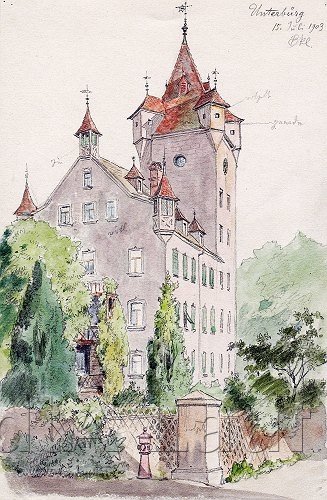
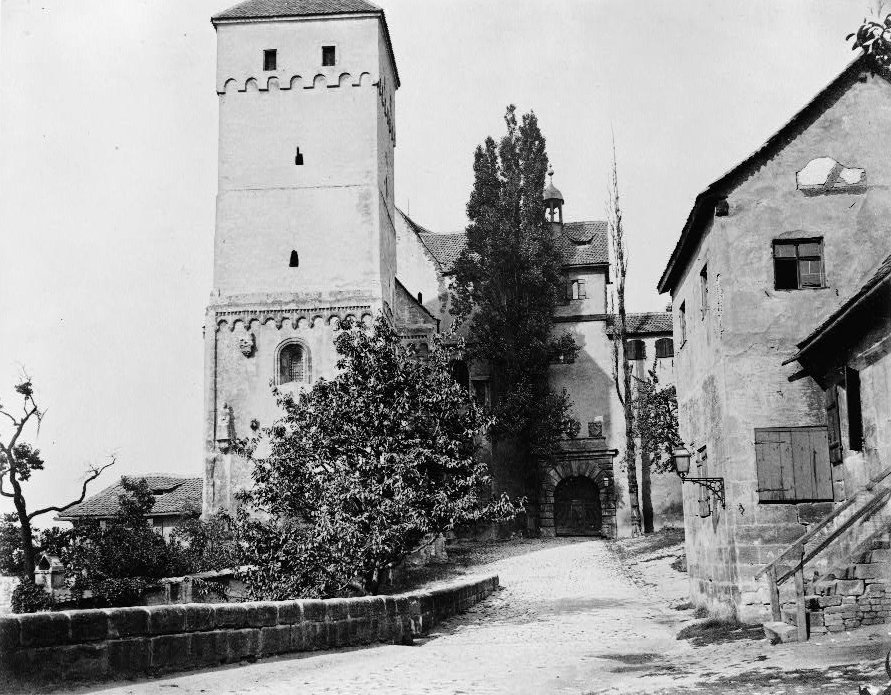
Historical drawing of Unterbürg from the northwest perspective, created in 1903, archived in Stadtarchiv Lauf
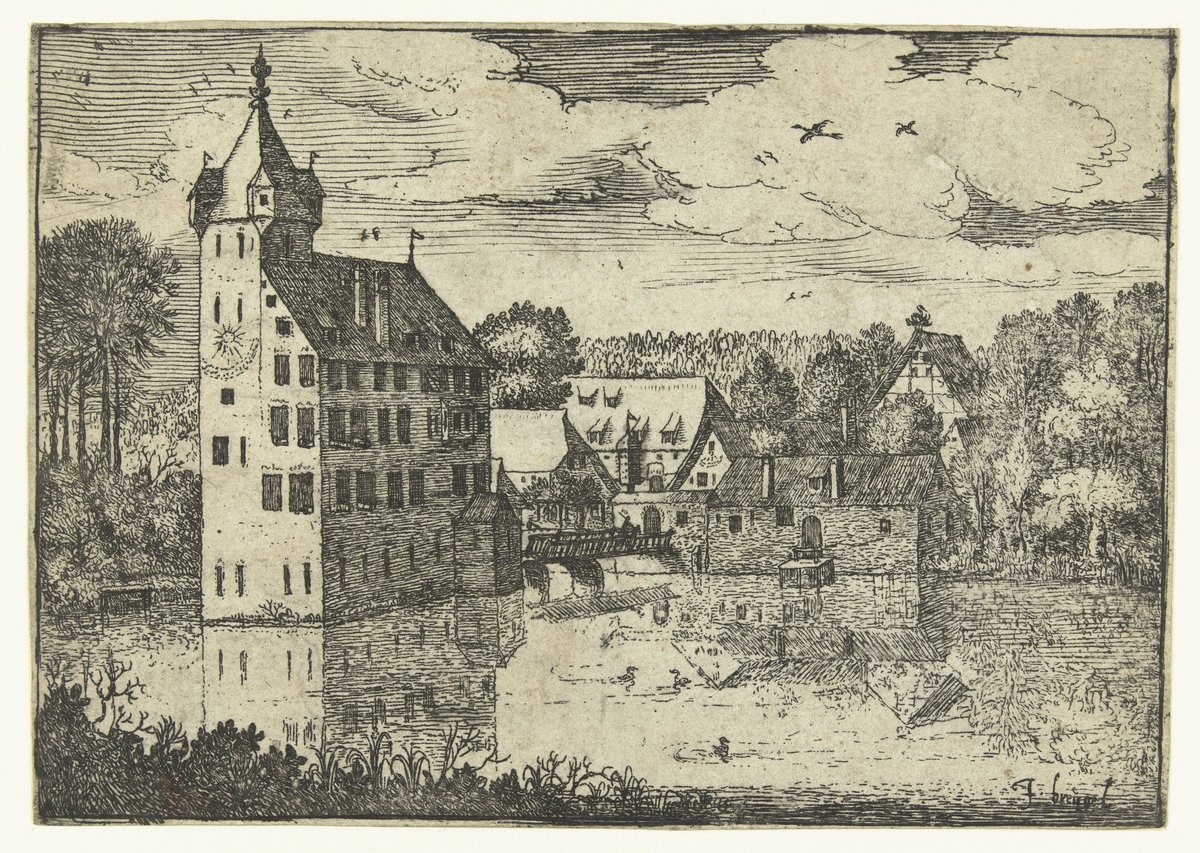
Elegant etching from the early 17th century by Jan Brueghel I depicting Unterburg Castle near Nuremberg. The artwork shows a detailed landscape centered on the castle tower, created using etching technique on paper. A classic historical representation from circa 1616, held in the public domain.
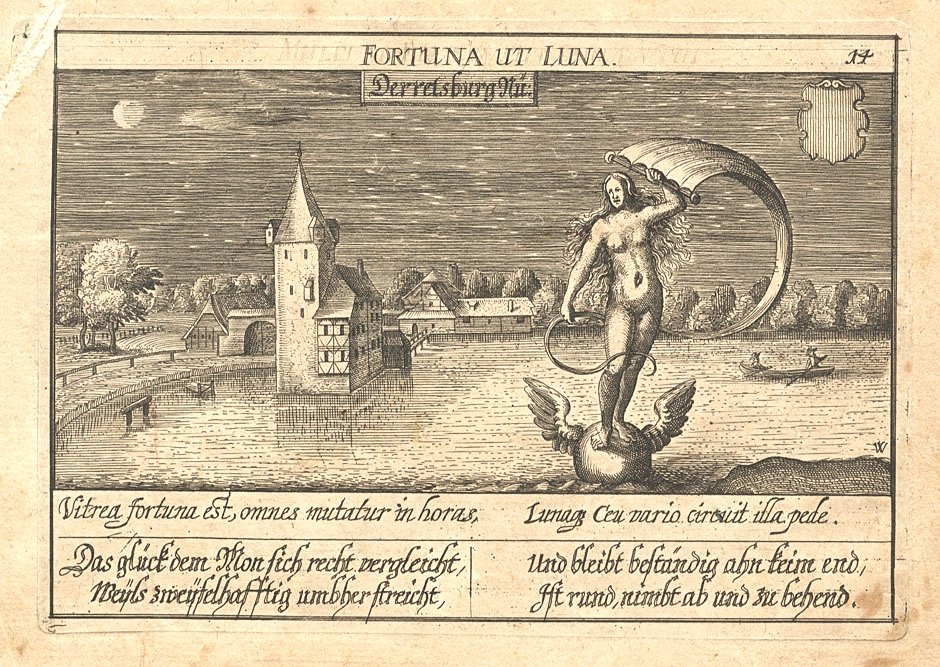
Detailed historical engraving from Meisner's Schatzkästlein illustrating Derretsburg, a landmark in Nürnberg Unterbürg, showcasing intricate architectural elements.
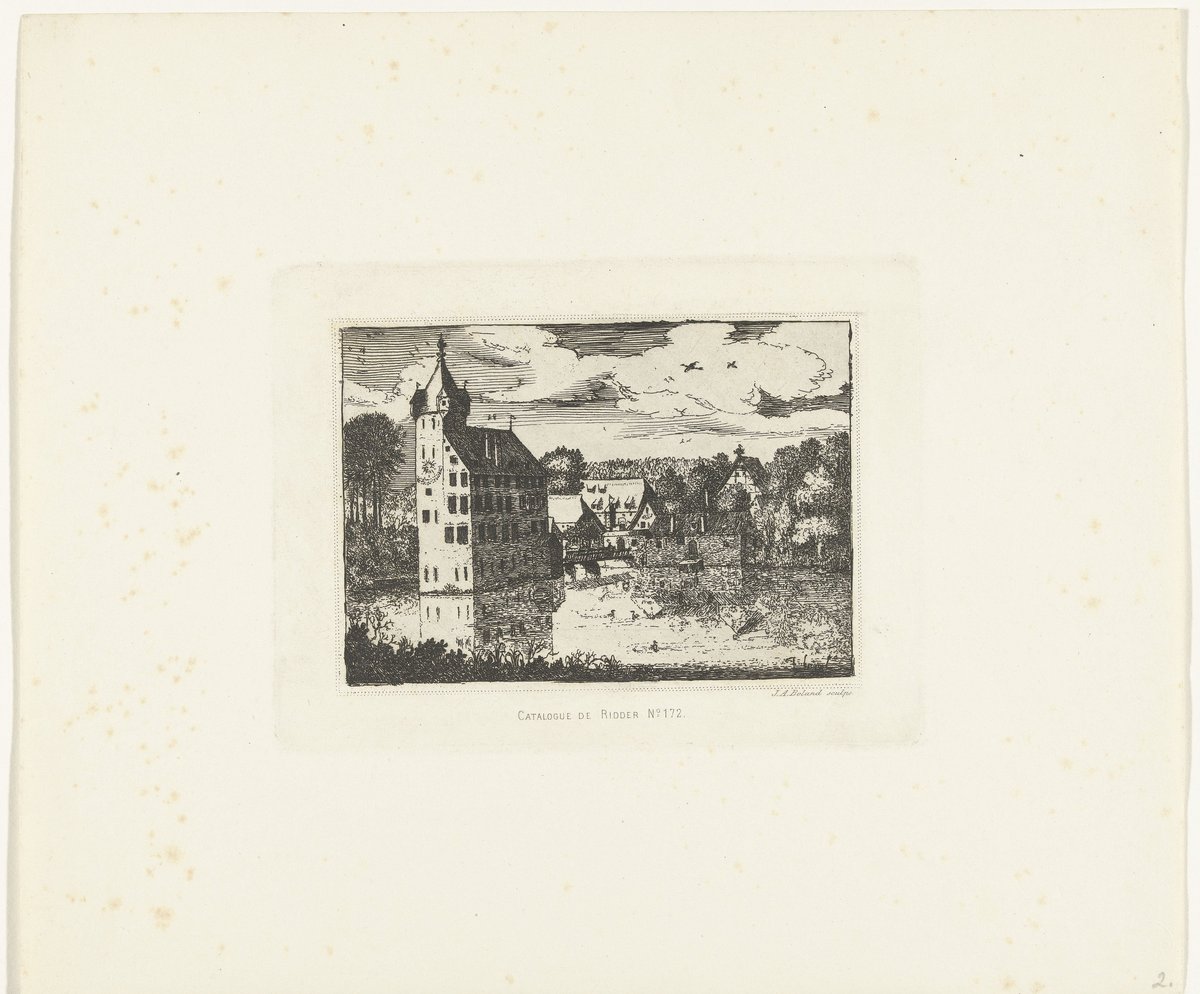
An etching artwork created by Johannes Arnoldus Boland in 1874 based on the design by Jan Brueghel (I), depicting the Unterburg or castle Dinterburg near Nuremberg in a landscape featuring a prominent tower or castle, printed on paper, 122 mm by 158 mm.
Schloss Unterbürg Visitor Information
Opening Hours (2025)
Schloss Unterbürg’s grounds are open to visitors from April through October, Thursday to Sunday, 10:00 AM – 5:00 PM. The site is closed during the winter months for conservation.
Tickets
- Grounds Access: Free (donations for preservation encouraged)
- Guided Tours: About €10 per person (advance booking required)
- Special Events: Prices vary; see official listings
Accessibility
- Grounds have uneven terrain typical of historical sites. Contact the visitor center in advance for accessibility arrangements.
- Exterior viewing is possible from public sidewalks year-round.
Getting There
- Public Transport: Bus line 45 from Nuremberg’s city center, alight at Schloss Unterbürg stop.
- Driving: Limited parking on-site; public transport is recommended for convenience.
Guided Tours & Events
- Tours: Offered seasonally, providing rich architectural and historical insights.
- Events: Annual medieval fairs and agricultural festivals, usually in late summer.
Photography Tips
- Best views from Unterbürger Straße and adjacent walking paths.
- Northern tower panorama is especially photogenic at sunrise or sunset.
Medieval Foundations
Schloss Unterbürg traces its roots to the early 13th century, built by the Herren von Lauffenholz to oversee and protect local agricultural lands (laufamholz.info). Originally a fortified manor, it functioned as both a noble residence and administrative center, surrounded by lands cultivated by hereditary leaseholders and serfs.
Architectural Evolution
- 13th Century: Romanesque stone tower with defensive features.
- 15th–16th Century: Rebuilt after regional conflicts, adopting Renaissance comforts and aesthetics.
- 19th Century: Underwent neogothic remodeling, adding pointed arches, battlements, and brick-sandstone contrasts (freizeitmonster.de).
- 20th Century: Restored after WWII bomb damage, with careful preservation of original masonry and details.
Historical Context and Community
Schloss Unterbürg’s story is one of rural administration, agricultural development, and shifting noble fortunes. Its owners, the Lauffenholz family and later the Löffelholz and Holzschuher patricians, managed local lands and collected rents, contributing to Nuremberg’s prosperity. The estate’s transformation mirrors the city’s transition from feudal stronghold to modern metropolis (kaiserburg-nuernberg.de, navigatingwaters.com).
Preservation and Current Status
Now a protected monument within the Laufamholz district, Schloss Unterbürg is maintained by local societies and serves as a focal point for community events and historical education (laufamholz.info).
Architectural & Cultural Highlights
Key Features
- Wohnturm: 13th-century central tower with thick sandstone walls.
- Neogothic Façade: Stepped gables, battlements, and pointed arches from the 19th-century revival.
- Courtyard: Surrounded by historical outbuildings, including adapted stables.
- Moat Remnants: Vestiges of the original water defenses visible near the grounds.
Construction Materials
- Local Franconian sandstone, timber framing in outbuildings, and red clay tile roofing contribute to the site’s distinct regional character.
Cultural Significance
Schloss Unterbürg is a symbol of the area’s layered identity: noble heritage, rural development, and community engagement. It stands as a testament to the city’s expansion and the enduring connection between urban and countryside life (Google Arts & Culture, History Hit).
Schloss Unterbürg in Nuremberg’s Heritage Landscape
While the Kaiserburg represents imperial power, Schloss Unterbürg exemplifies the vital role of rural estates in supporting Nuremberg’s economy and culture. The manor’s survival and ongoing use for events, exhibitions, and educational programs reflect the community’s commitment to preserving and celebrating local history (tourismus.nuernberg.de, EAA Architecture Guide).
Practical Travel Tips
- Combine with Nature: Enjoy the Pegnitz river walks and Laufamholz forest nearby.
- Dining: Mögeldorf district offers various Franconian and international eateries.
- Footwear: Wear comfortable shoes for cobblestone and uneven surfaces.
- Events: Check schedules for special tours and heritage festivals.
Frequently Asked Questions (FAQ)
How do I reach Schloss Unterbürg from the city center?
Take bus line 45 from Nuremberg’s central station to the Schloss Unterbürg stop.
Are there guided tours?
Yes, available with advance booking, focusing on architecture and history.
Is the castle suitable for families?
Yes, especially during fairs and community events.
Can I photograph the castle?
Photography is welcome outdoors; indoor photography may be restricted during events.
Is there parking?
Limited on-site. Public transport is the best option.
Is the site accessible for visitors with disabilities?
Contact the site in advance for accessibility arrangements; exterior areas are generally accessible.
Plan Your Visit
Experience the tranquil charm and noble history of Schloss Unterbürg—an essential part of Nuremberg’s hidden heritage. For up-to-date information and enriching guided experiences, download the Audiala app, and follow Nuremberg tourism platforms for current events and ticketing details.
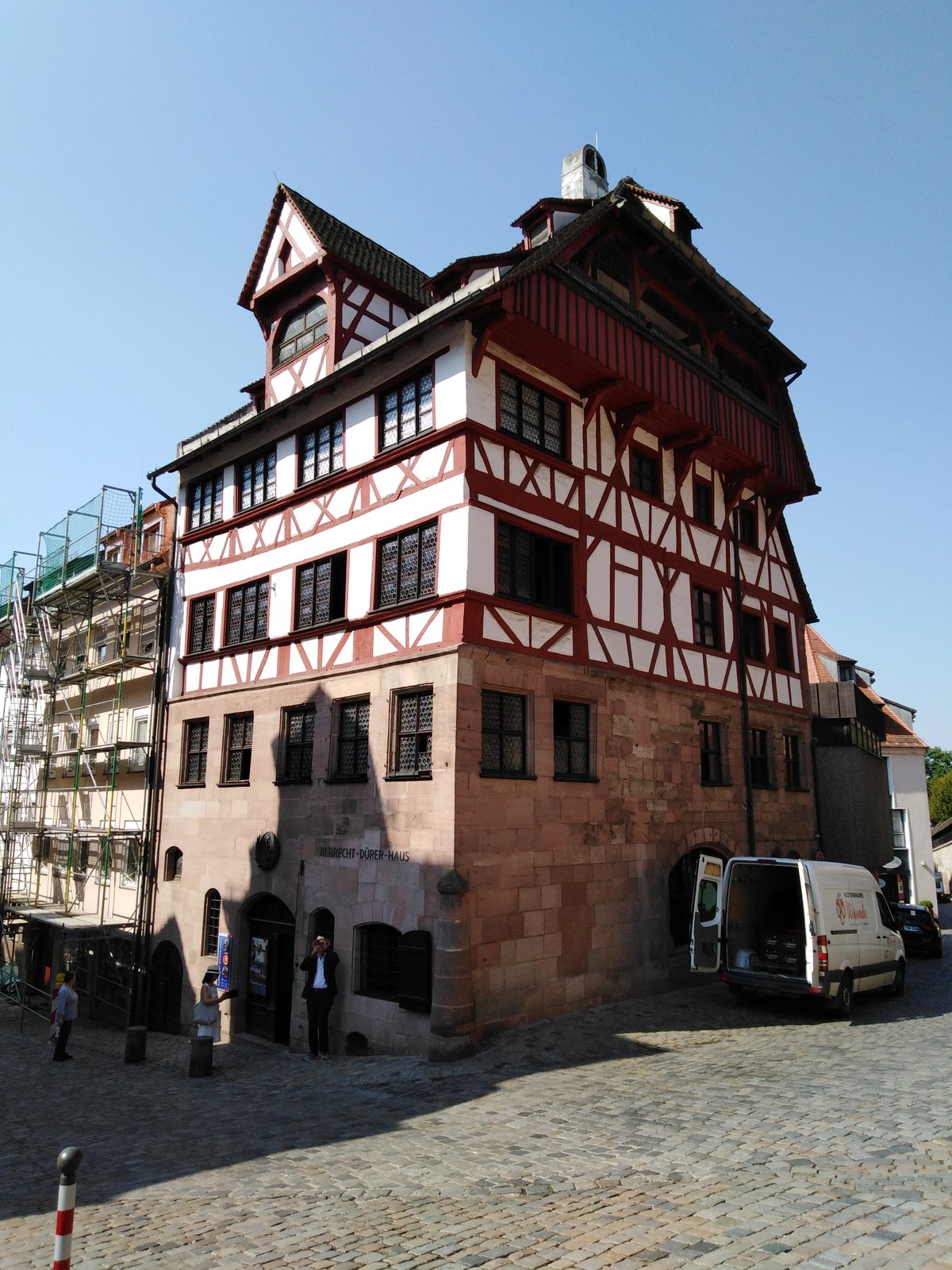
Make the most of your visit by pairing it with a stroll along the Pegnitz river or a day in the Laufamholz forest. Don’t forget to explore other Nuremberg historical sites, such as the Kaiserburg and Albrecht Dürer House, for a comprehensive journey through the city’s past.
Listen to the full story in the app
Your Personal Curator, in Your Pocket.
Audio guides for 1,100+ cities across 96 countries. History, stories, and local insight — offline ready.
Audiala App
Available on iOS & Android
Join 50k+ Curators
Sources
- verified
- verified
- verified
- verified
- verified
- verified
- verified
- verified
- verified
- verified
Last reviewed: