Introduction
The Pellerhaus, nestled in the heart of Nuremberg’s Old Town, stands as an enduring symbol of the city’s Renaissance grandeur, architectural innovation, and cultural vitality. Originally built for merchant Martin Peller in the early 17th century, this landmark has evolved from a lavish patrician residence to a postwar modernist structure, and now into a dynamic cultural hub known as the House of Games. This comprehensive guide explores the Pellerhaus’s rich history, architectural features, cultural significance, and provides essential practical information for visitors.
- Historical Overview
- Architectural Features and Visitor Experience
- Current Cultural Role: The House of Games
- Practical Visitor Information
- Frequently Asked Questions (FAQ)
- Conclusion and Final Tips
- Sources and Further Reading
Photo Gallery
Explore Pellerhaus in Pictures

Historical winter scene of Egidienplatz in Nuremberg, Germany, showing snow-covered streets and traditional early 20th century architecture during 1915.

Black and white photograph of the Pellerhaus building in Nuremberg as it appeared in 1908, showcasing historic architecture

Image of a historic secular architecture building in Nuremberg featured in the book Alt-Nürnbergs Profanarchitektur

Cover image of the book Alt-Nürnbergs Profanarchitektur showcasing historic secular buildings in Nuremberg

Detailed engraving of Egidienplatz square in Nuremberg by Anton Koberger showcasing historical buildings and lively square activity

A beautifully preserved historic room exhibit showcasing period furniture and decor in the Stadtmuseum Fembohaus located in Nuremberg, Germany

Detailed view of a beautiful historical room from the Peller House, displayed as an exhibit in Stadtmuseum Fembohaus located in Nuremberg, Germany, showcasing cultural heritage and architecture.

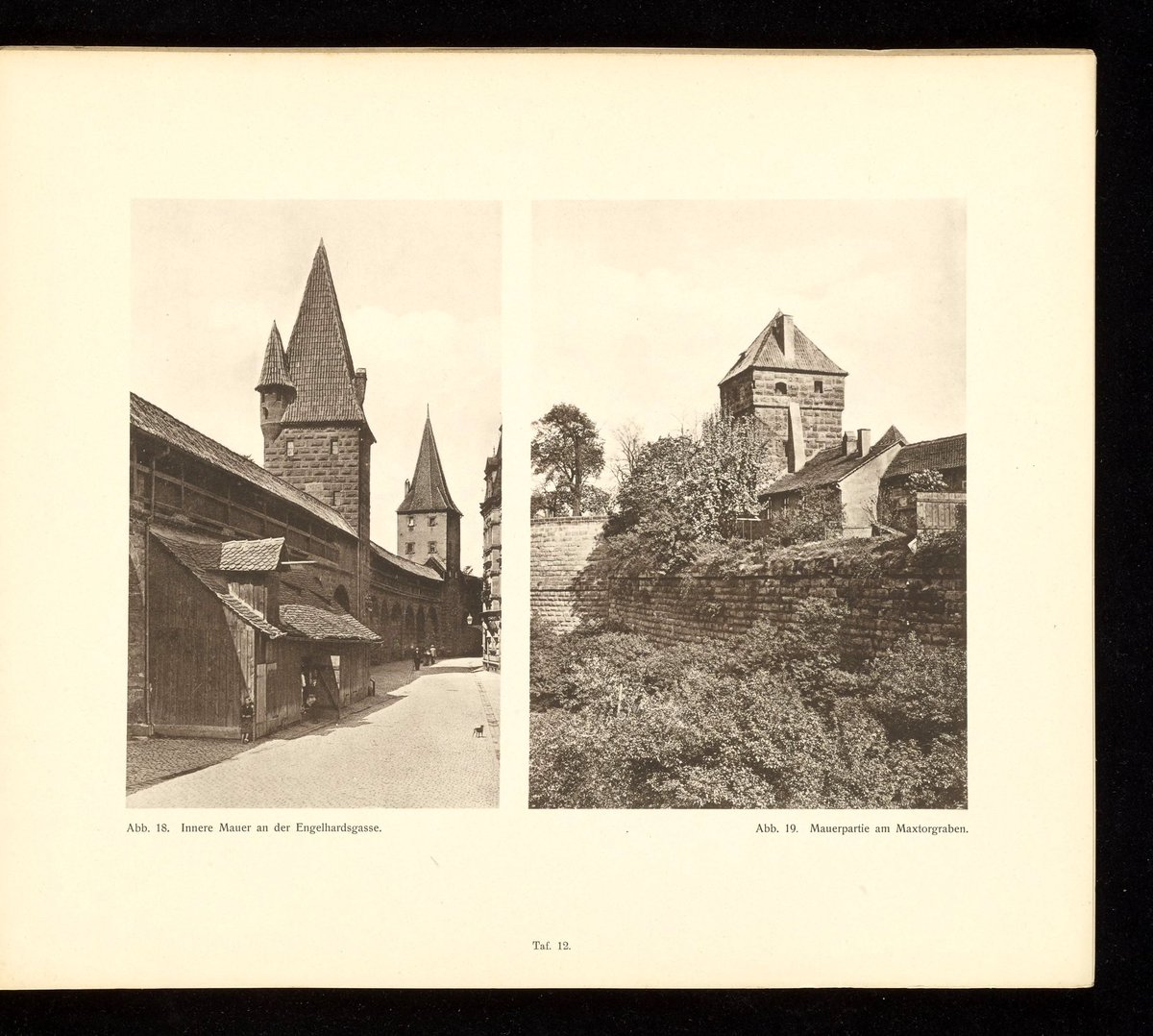
Black and white historic photograph depicting the city walls of Nuremberg taken in 1892, illustrating old fortifications and urban architecture.

CdV image showing the Pellerhaus, a historic building in Nürnberg, Germany, circa 1870.

Detailed ceiling artwork in a historic room from the Peller House, displayed at the Stadtmuseum Fembohaus in Nuremberg, Germany, showcasing 17th-century design and architecture.

Intricately decorated ceiling artwork inside a historic room at Stadtmuseum Fembohaus in Nuremberg, Germany, showcasing early 17th-century craftsmanship.

Copper engraving depicting Egydienplatz in Nuremberg, based on a drawing, showcasing historical urban architecture and street scene.
Renaissance Origins
Constructed between 1602 and 1607 for Martin Peller, the Pellerhaus was an architectural marvel of its time. Designed by Jakob Wolff the Elder, it embodied the Northern Renaissance style with an ornate sandstone façade, richly decorated interiors, and the iconic Pellerhof—a courtyard praised as one of the most beautiful in Germany (life-globe.com; Google Arts & Culture). Its tripartite structure—front building, courtyard, and rear section—was adorned with intricate stonework, arcaded galleries, and a spiral staircase tower, reflecting the wealth and influence of Nuremberg’s patrician class (museums.nuernberg.de).
Wartime Destruction and Postwar Reconstruction
The Pellerhaus suffered devastating damage during World War II air raids in 1945, with only fragments such as the vaulted cellars, portions of the ground floor, and the spiral staircase tower surviving (life-globe.com). Postwar financial constraints led to a modernist reconstruction in 1957 by Fritz Mayer, which incorporated surviving Renaissance elements. The new building served as a municipal library and city archive, reflecting a trend of adaptive reuse in postwar Germany (Google Arts & Culture).
Restoration and the Pellerhof Revival
In response to community advocacy, extensive restoration of the Renaissance courtyard began in 2008, led by the Altstadtfreunde Nürnberg e. V. (Friends of the Old Town). Utilizing historical documents and original fragments, the Pellerhof was meticulously reconstructed and reopened to the public in 2018, blending traditional craftsmanship with contemporary utility (skyscrapercity.com; sommertage.com). The courtyard now serves as a venue for cultural events, reaffirming its historical role as a social and commercial center.
Architectural Features and Visitor Experience
The Courtyard and Surviving Elements
The restored Pellerhof is the architectural centerpiece, featuring:
- Two-story arcaded galleries with intricately carved columns and balustrades
- The spiral staircase tower, a testament to Renaissance engineering and artistry
- Stonework with sculpted reliefs and coats of arms, reflecting the patrician heritage
The postwar modernist exterior contrasts strikingly with the Renaissance courtyard, offering visitors a compelling narrative of historical continuity and adaptation (life-globe.com).
Integration with Modern Architecture
The 1957 structure integrates original elements within a functional, modernist shell—an approach that preserves historical memory while accommodating contemporary uses. This juxtaposition has sparked ongoing debates about authenticity and preservation, positioning the Pellerhaus as a model for heritage projects throughout Germany (en.wikipedia.org).
The House of Games: A New Era of Cultural Engagement
Since 2013, the Pellerhaus has hosted the German Games Archive (Deutsches Spielearchiv Nürnberg), which boasts a collection of over 30,000 board and card games dating from 1945 to the present (spielwarenmesse.de; meticulousmeanderings.com). In 2025, it is set to fully open as the “Haus des Spielens” (House of Games), a unique institution where history, education, and play converge.
The House of Games serves as:
- A museum and research center for game culture
- A community meeting space fostering inclusion, diversity, and intergenerational exchange
- A hub for international game professionals and enthusiasts
Regular exhibitions, workshops, and interactive play sessions make the Pellerhaus a vibrant destination for locals and tourists alike (spielwarenmesse.de; museums.nuernberg.de).
Practical Visitor Information
Visiting Hours and Admission
- Renaissance Courtyard (Pellerhof): Generally open Friday to Sunday, 14:00–17:00. Hours can vary due to restoration or events—check the official Pellerhaus website or Altstadtfreunde Nürnberg e. V. for updates (sommertage.com).
- House of Games: Open Tuesday to Sunday, 10:00–18:00; closed Mondays (museums.nuernberg.de).
- Admission: Entry to both the courtyard and House of Games is free. Donations are encouraged to support ongoing restoration.
Accessibility
- Wheelchair accessible: Ramps and elevators are provided, but some upper floors may have limited access during restoration (wanderboat.ai).
- Assistance: Available upon request; contact the venue ahead of your visit.
Guided Tours and Events
- Guided tours: Offered seasonally or by appointment, often led by volunteers from the Altstadtfreunde. Some tours available in English.
- Events: The Pellerhaus regularly hosts exhibitions, lectures, workshops, and cultural activities related to Nuremberg’s heritage and the world of games (spielwarenmesse.de).
Location and Getting There
- Address: Egidienplatz 23, 90403 Nürnberg, Germany (wanderboat.ai)
- Public Transport: Easily accessible on foot from Nuremberg’s main attractions, and by tram or bus (trek.zone).
Nearby Attractions
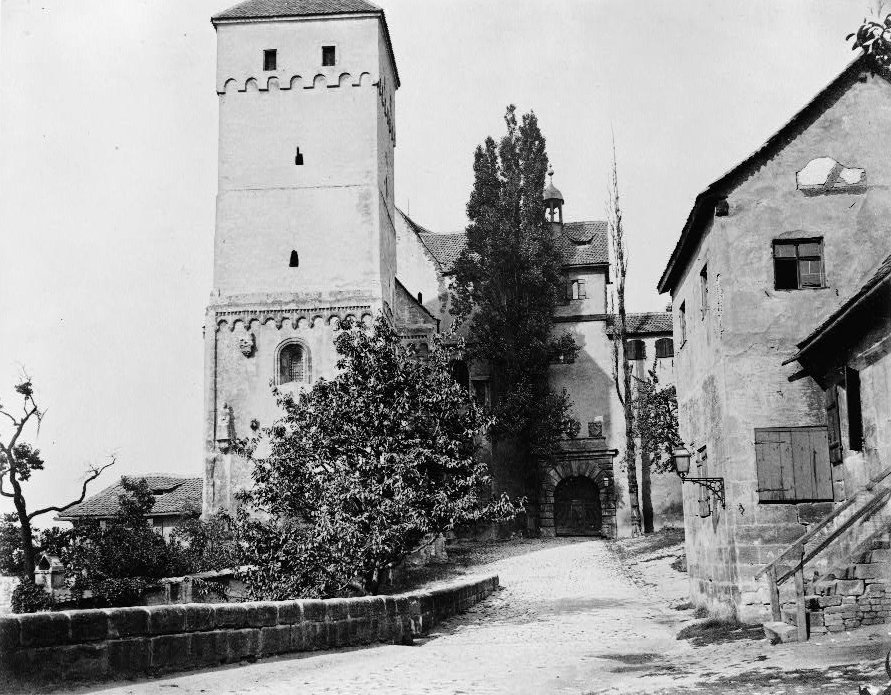
- Imperial Castle of Nuremberg
- St. Sebald Church
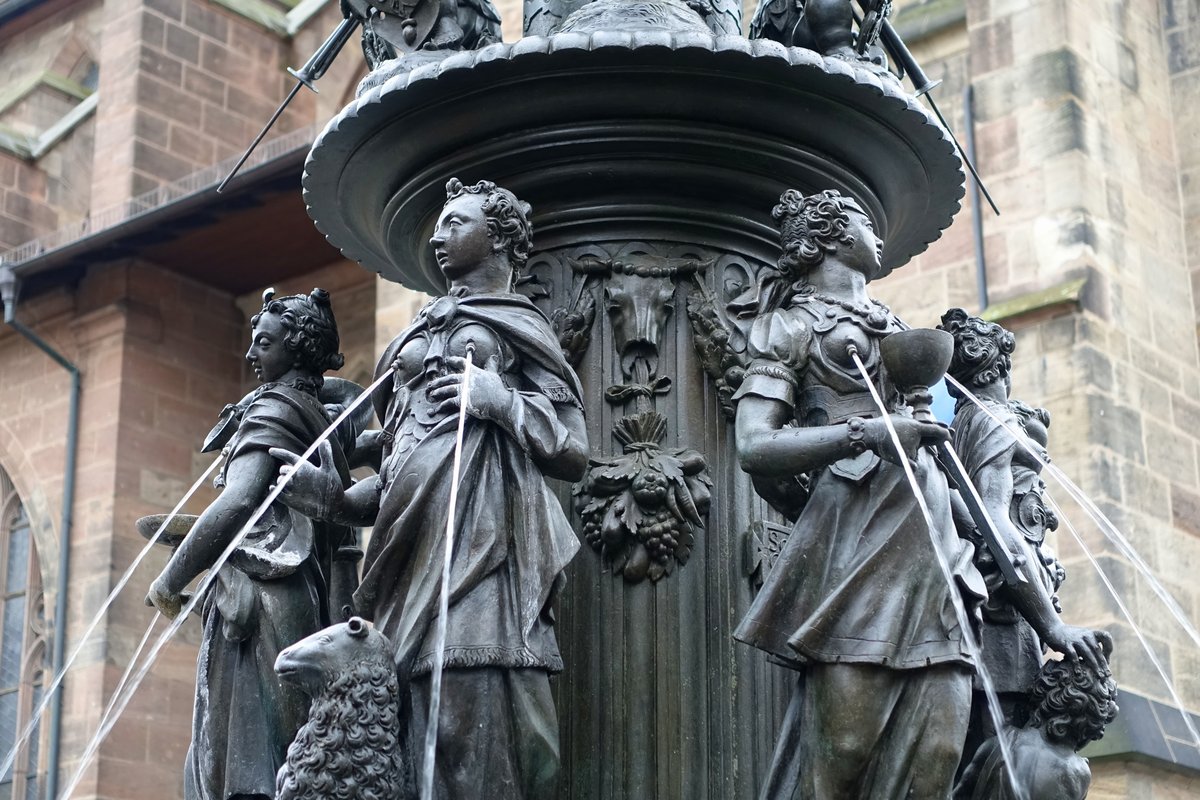
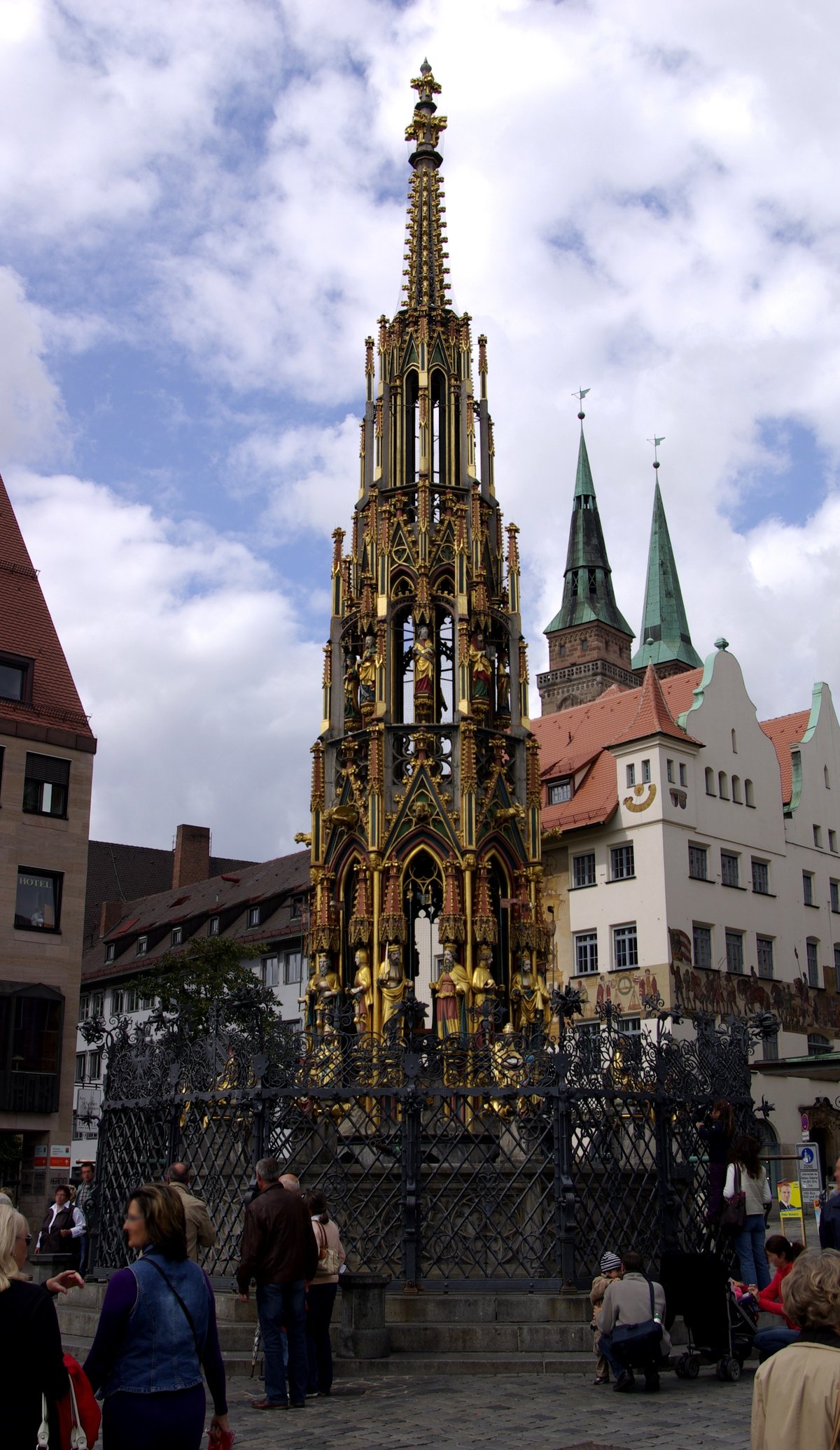
- Hauptmarkt and Schöner Brunnen
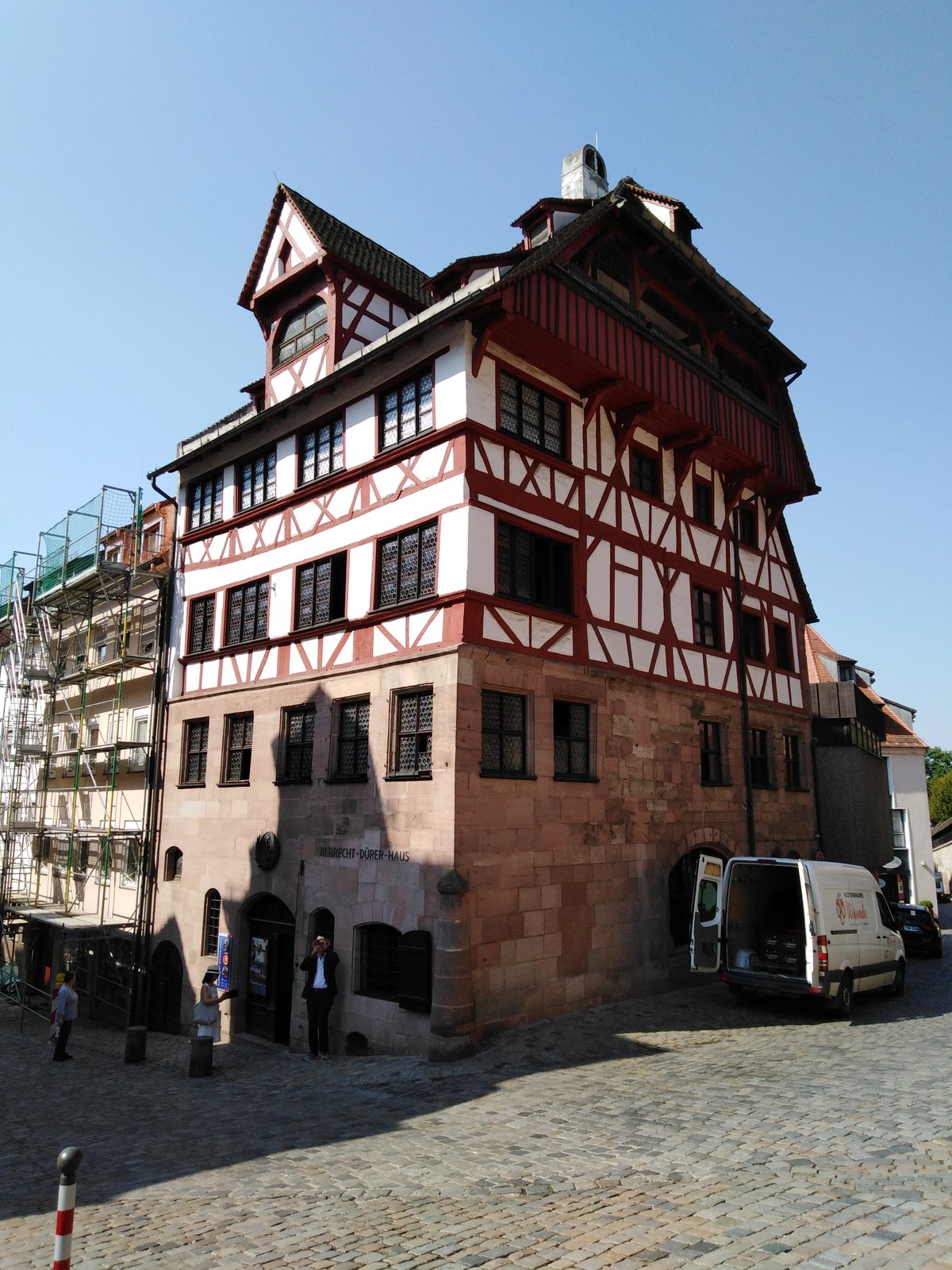
- Albrecht Dürer’s House
Tips for a Memorable Visit
- Photography: Best in the morning for natural light; permitted throughout the courtyard and exhibitions.
- Support Restoration: Consider a donation or souvenir purchase.
- Combine Your Visit: Plan a walking tour including other Old Town highlights.
- Seasonal Events: Summer festivals and the Christmas market add to the atmosphere (sommertage.com).
Frequently Asked Questions (FAQ)
What are the opening hours?
The courtyard is usually open Friday–Sunday, 14:00–17:00. The House of Games is open Tuesday–Sunday, 10:00–18:00. Always check the official website for seasonal changes.
Is there an admission fee?
No, admission is free, but donations are welcome.
Are guided tours available?
Yes, often led by knowledgeable volunteers, with some in English.
Is the site accessible for disabled visitors?
The main entrance and courtyard are accessible. Some upper areas may have limited access due to restoration.
Can I take photographs?
Yes, photography is encouraged, especially in the Renaissance courtyard.
How do I get there?
The Pellerhaus is centrally located, a short walk from other city landmarks and close to public transit.
Listen to the full story in the app
Your Personal Curator, in Your Pocket.
Audio guides for 1,100+ cities across 96 countries. History, stories, and local insight — offline ready.
Audiala App
Available on iOS & Android
Join 50k+ Curators
Sources
- verified
- verified
- verified
- verified
- verified
- verified
- verified
- verified
Last reviewed: