Introduction
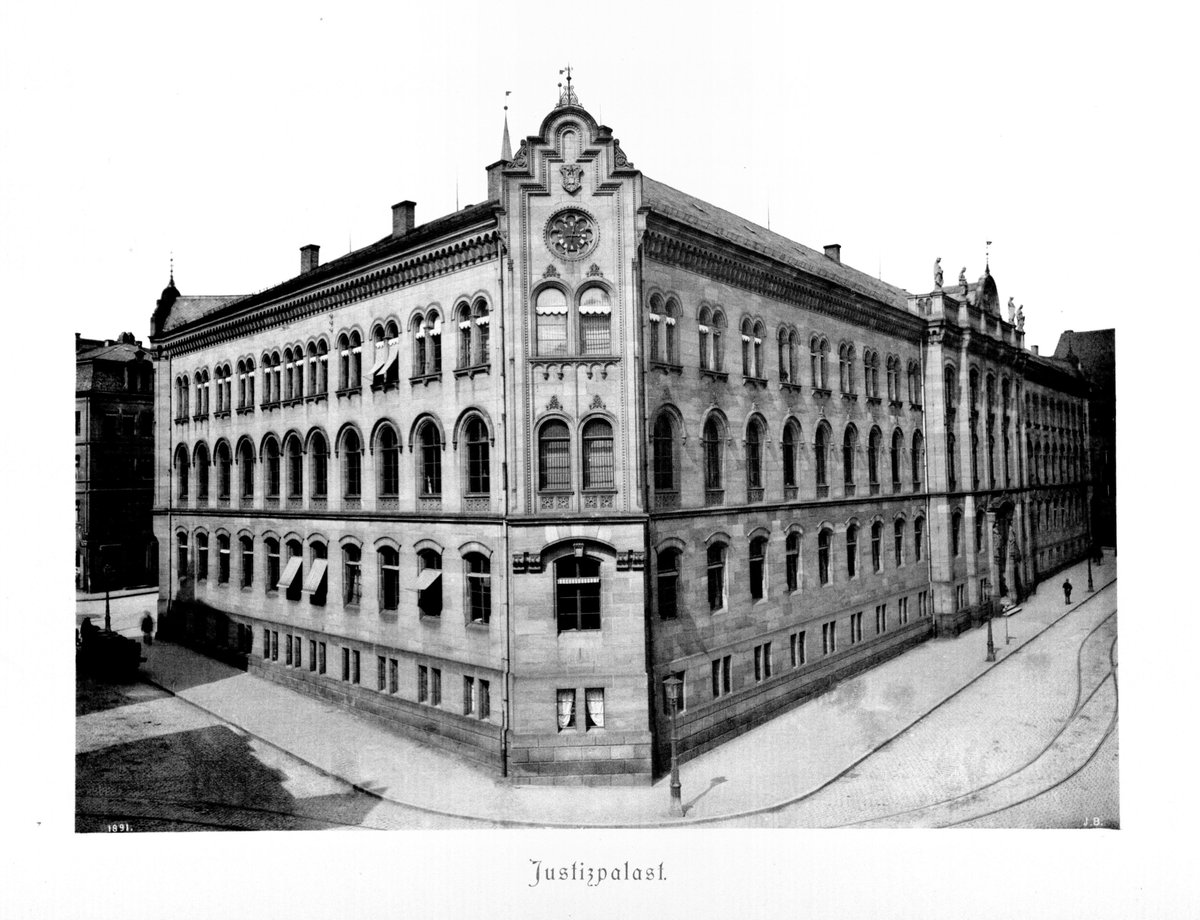
The Palace of Justice in Nuremberg, Germany, stands not only as an architectural marvel but also as a profound symbol of international law and human rights. Most renowned for hosting the Nuremberg Trials between 1945 and 1946, this neo-baroque judicial complex continues to function as a working courthouse while serving as a memorial and educational center. Visitors can explore the historic Courtroom 600, where the International Military Tribunal convened, as well as the extensive Memorium Nuremberg Trials exhibition. This guide provides essential details on visiting hours, ticketing, accessibility, guided tours, nearby attractions, and the historical significance of the site, ensuring a comprehensive and enlightening visit (Travel4History, Museums.Nuernberg, Wikipedia).
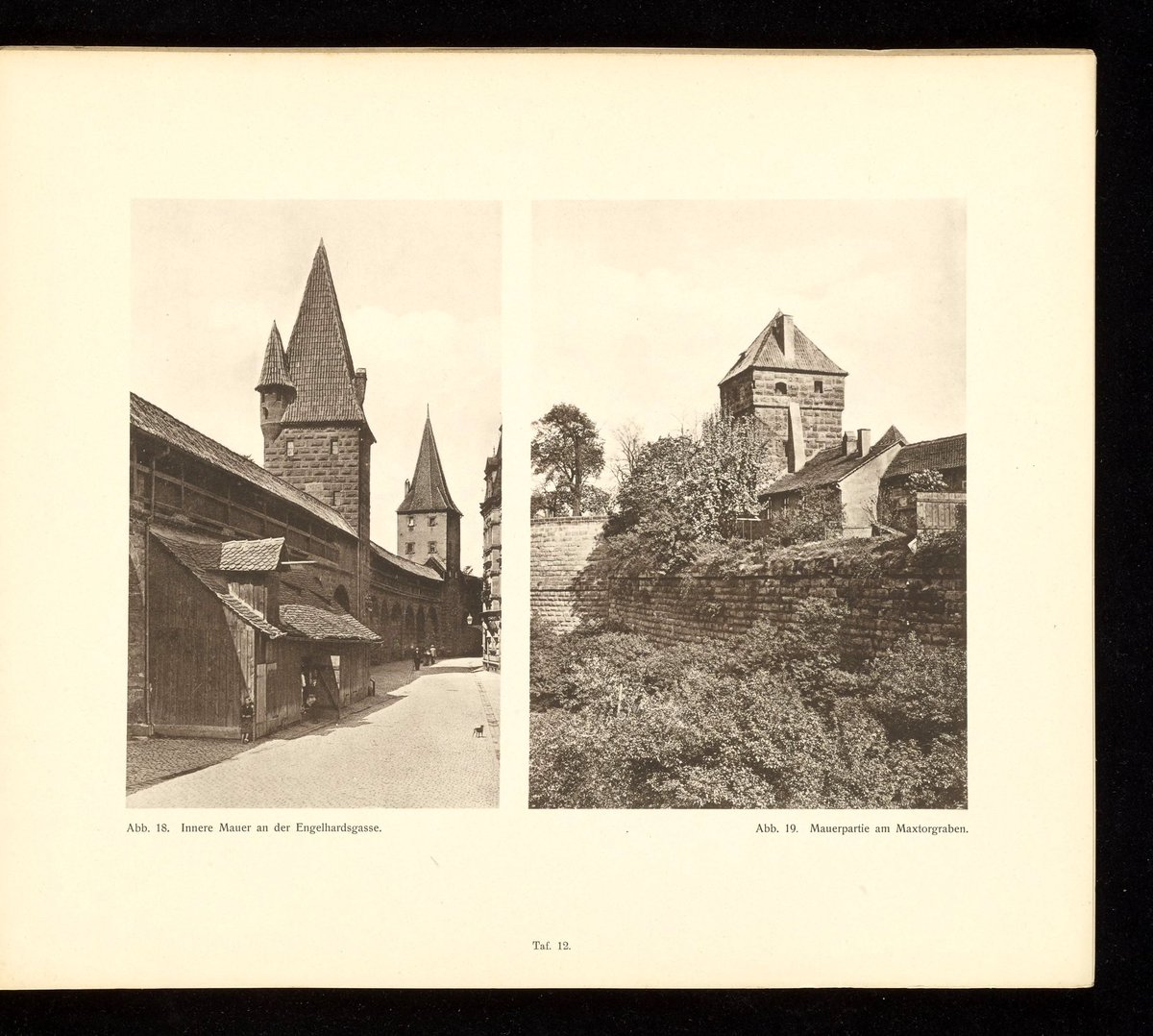
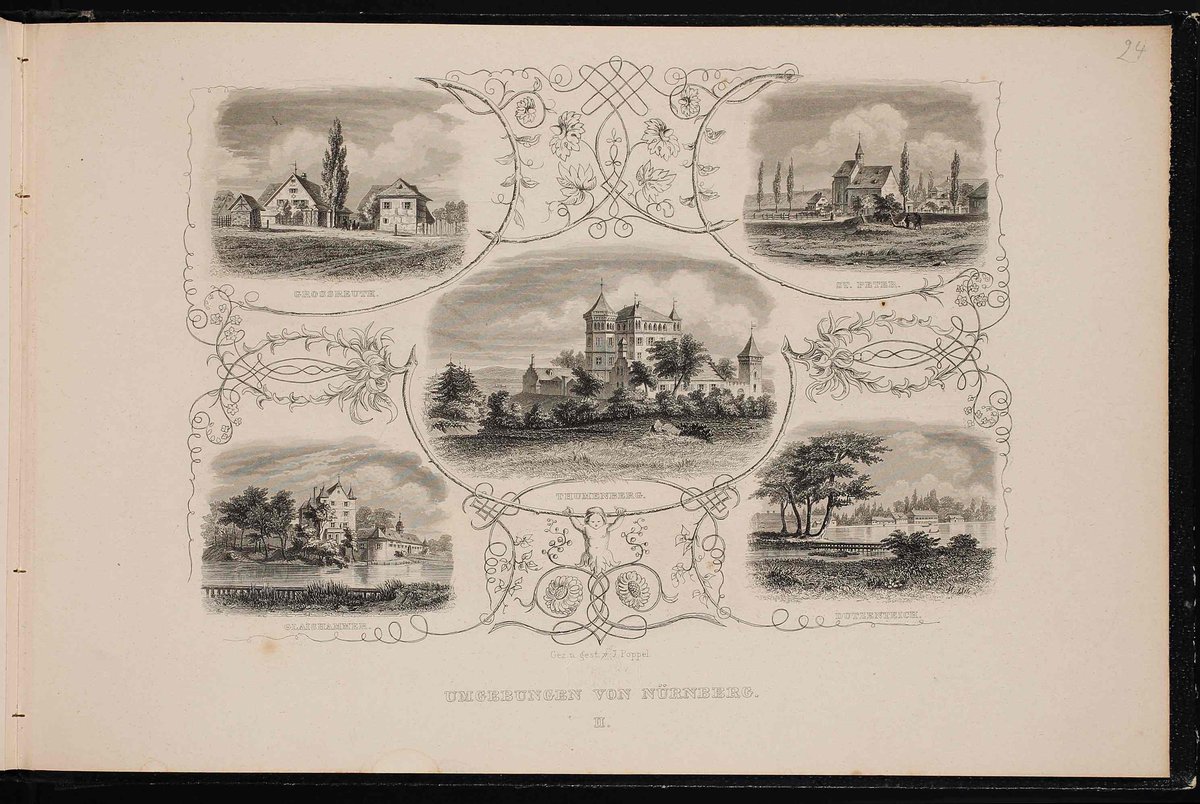
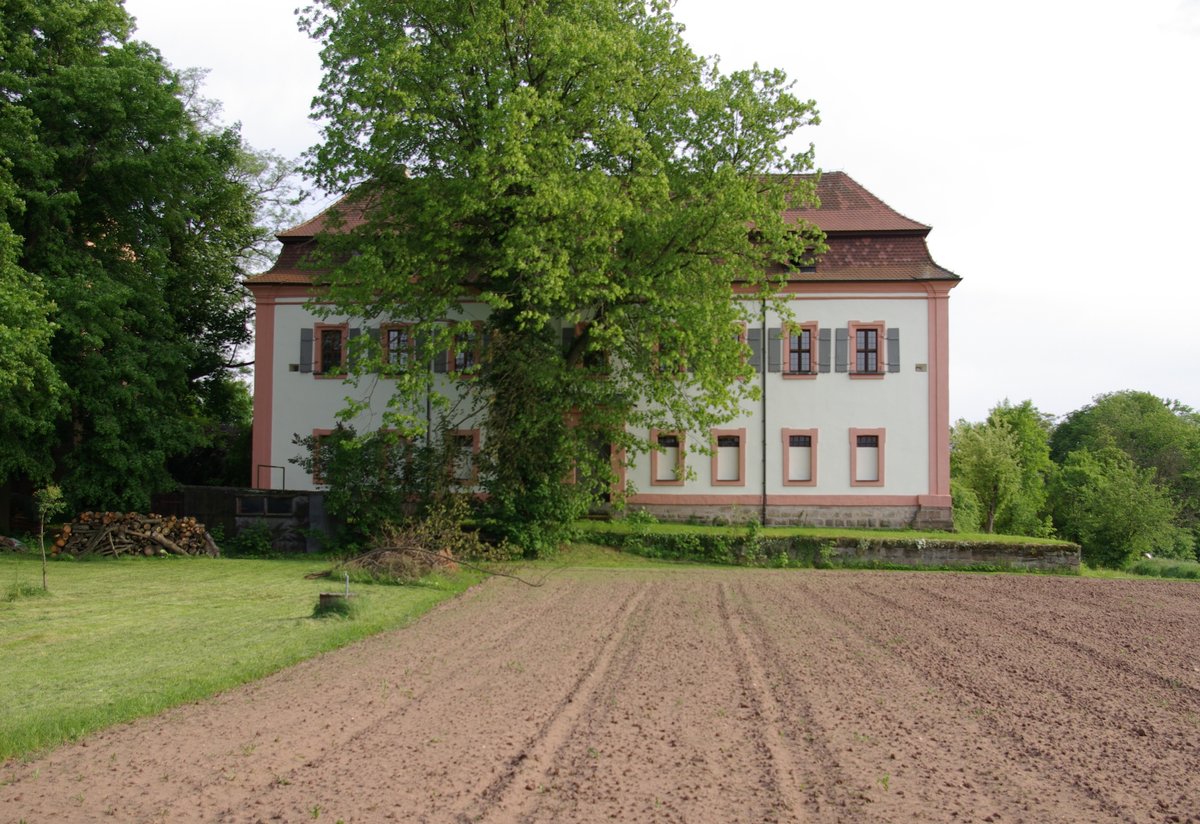
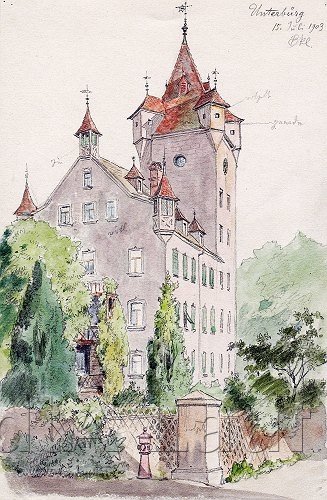
Photo Gallery
Explore Palace of Justice in Pictures
Origins and Selection of the Palace of Justice
Following World War II, the Allied powers sought a suitable venue to prosecute leading figures of the defeated Nazi regime. The Palace of Justice in Nuremberg was chosen due to its largely intact infrastructure, ample courtroom space, and proximity to a large prison complex. Importantly, Nuremberg was also symbolically significant, having hosted Nazi Party rallies and the promulgation of the Nuremberg Laws (Travel4History). While symbolism played a role, the selection was primarily based on logistical practicality.
The Nuremberg Trials: Structure and Outcomes
The International Military Tribunal (IMT)
The IMT convened in Courtroom 600 from November 20, 1945, to October 1, 1946. For the first time in history, high-ranking leaders were held personally accountable for crimes against peace, war crimes, and crimes against humanity by an international court (World History Encyclopedia). Twenty-four major Nazi officials were indicted under four key charges: conspiracy, crimes against peace, war crimes, and crimes against humanity.
Verdicts and Sentences
Nineteen of the accused were found guilty. Twelve received death sentences (one committed suicide before execution), three were acquitted, and the rest received prison terms ranging from 10 years to life. The trials set legal precedents that continue to inform international criminal law, including the rejection of the defense of "just following orders."
Visiting the Palace of Justice: Practical Information
Visiting Hours
- Palace of Justice and Memorium Nuremberg Trials:
- Wednesday to Monday: 10:00 am – 6:00 pm
- Closed on Tuesdays
- Seasonal extended hours (April to October): Check the official site for updates (Museums.Nuernberg).
Tickets and Guided Tours
- Admission: €7.50 for adults, €2.50 for students and children (4+). Free entry with the NÜRNBERG CARD.
- Guided Tours: Available in several languages and highly recommended for deeper historical insight. Book online or at the visitor center.
- Special Exhibitions and Courtroom 600 Multimedia: Reserve tickets in advance for the "Zeitreise Saal 600 | Courtroom 600: Time Travel" experience (Museen in Bayern).
Accessibility
The complex is wheelchair accessible, with elevators and ramps throughout. Audio guides and assistance for those with hearing or visual impairments are available upon request.
Nearby Attractions
- Documentation Center Nazi Party Rally Grounds
- Nuremberg Castle
- Historic Old Town
- Pegnitz River
All are easily reachable by public transport or short walks from the Palace of Justice (Tourismus Nürnberg).
Visitor Tips
- Arrive early to avoid crowds, particularly during peak tourist seasons.
- Photography: Permitted in the exhibition, but not always allowed in courtrooms; observe posted signs.
- Comfort: Wear comfortable shoes; the complex is large and requires some walking.
- Audio Guides: Recommended for non-German speakers as most exhibit text is in German.
The Palace of Justice Today: Function and Highlights
Current Judicial Role
The Palace of Justice remains an active judicial complex, housing the appellate, regional, and local courts, as well as the public prosecutor’s office. The east wing is devoted to memorial and educational functions (Wikipedia).
Courtroom 600
Courtroom 600 is the centerpiece of the memorial. Here, the IMT tried 21 major Nazi officials. While the courtroom has undergone several changes since the trials, its historic character is preserved, and a media installation recreates its wartime appearance (Stars and Stripes).
Memorium Nuremberg Trials
Located above Courtroom 600, the Memorium is a modern exhibition space offering extensive documentation on the trials, subsequent Nuremberg Military Tribunals, and the evolution of international criminal law (Tourismus Nürnberg). The exhibition includes:
- Profiles of defendants and judges
- Legal innovations and precedents
- Photographs, artifacts, and multimedia presentations
- Audio guides for adults and children (Stars and Stripes)
Cube 600 and Special Exhibitions
Cube 600 hosts rotating exhibits and educational programs, expanding on the themes of justice, memory, and reconciliation (Tourismus Nürnberg).
Facilities and Visitor Services
- Gift Shop: Offers books, souvenirs, and memorabilia related to the Nuremberg Trials.
- Restrooms: Located on-site.
- Cafeteria: No cafeteria inside, but refreshments are available at nearby establishments such as the Fränkischer Gasthof beer garden (WhiteHouseTravel).
- Parking: Paid street parking on weekdays; free on weekends.
Frequently Asked Questions (FAQ)
What are the Palace of Justice Nuremberg visiting hours?
Wednesday to Monday, 10:00 am – 6:00 pm; closed Tuesdays. Seasonal hours may apply (Museums.Nuernberg).
How much do tickets cost?
€7.50 for adults, €2.50 for students and children (4+); free with NÜRNBERG CARD.
Is photography allowed?
Permitted in the exhibition, but generally not in courtrooms. Always follow posted guidelines.
Are guided tours available?
Yes, in multiple languages. Book in advance for best availability.
Is the site accessible for visitors with disabilities?
Yes, with ramps, elevators, and assistance upon request.
Are there combination tickets for other historical sites?
Yes, combination tickets are available for the Palace of Justice and the Nazi Party Rally Grounds (WhiteHouseTravel).
Listen to the full story in the app
Your Personal Curator, in Your Pocket.
Audio guides for 1,100+ cities across 96 countries. History, stories, and local insight — offline ready.
Audiala App
Available on iOS & Android
Join 50k+ Curators
Sources
- verified
- verified
- verified
- verified
Last reviewed: