Introduction
The Nazi Party Rally Grounds in Nuremberg, Germany, represent one of the most significant sites for understanding the rise, ideology, and legacy of National Socialism. Covering approximately 11 square kilometers, the grounds were conceived and partially constructed in the 1930s as the main venue for the Nazi Party’s annual rallies—a spectacle of propaganda, unity, and power under Adolf Hitler. Today, these remnants serve as a powerful site of remembrance, education, and reflection, offering visitors critical insight into the architectural ambitions and the dangers of totalitarianism. This guide details the historical context, key structures, visiting hours, ticketing, accessibility, and tips for a respectful and meaningful experience at this landmark (World History Encyclopedia; BBC Bitesize; Documentation Center Nuremberg).
Photo Gallery
Explore Nazi Party Rally Grounds in Pictures
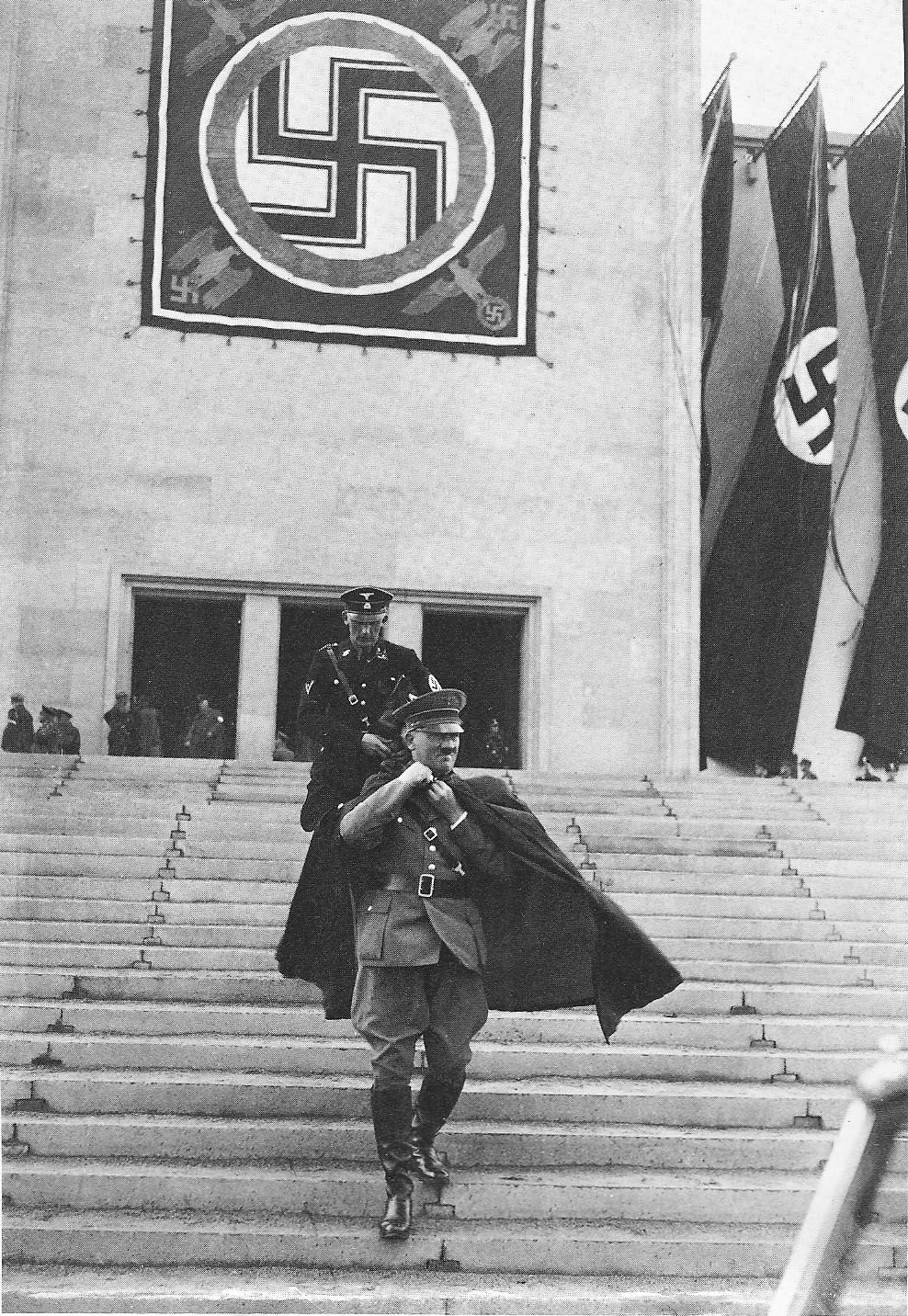
Historical black and white photo of Adolf Hitler wearing Nazi Party uniform and cape, followed by SS officer Karl Wilhelm Krause, exiting the 8th Party Congress at Nuremberg Rally in September 1936, with Hitler's personal standard visible in the background.
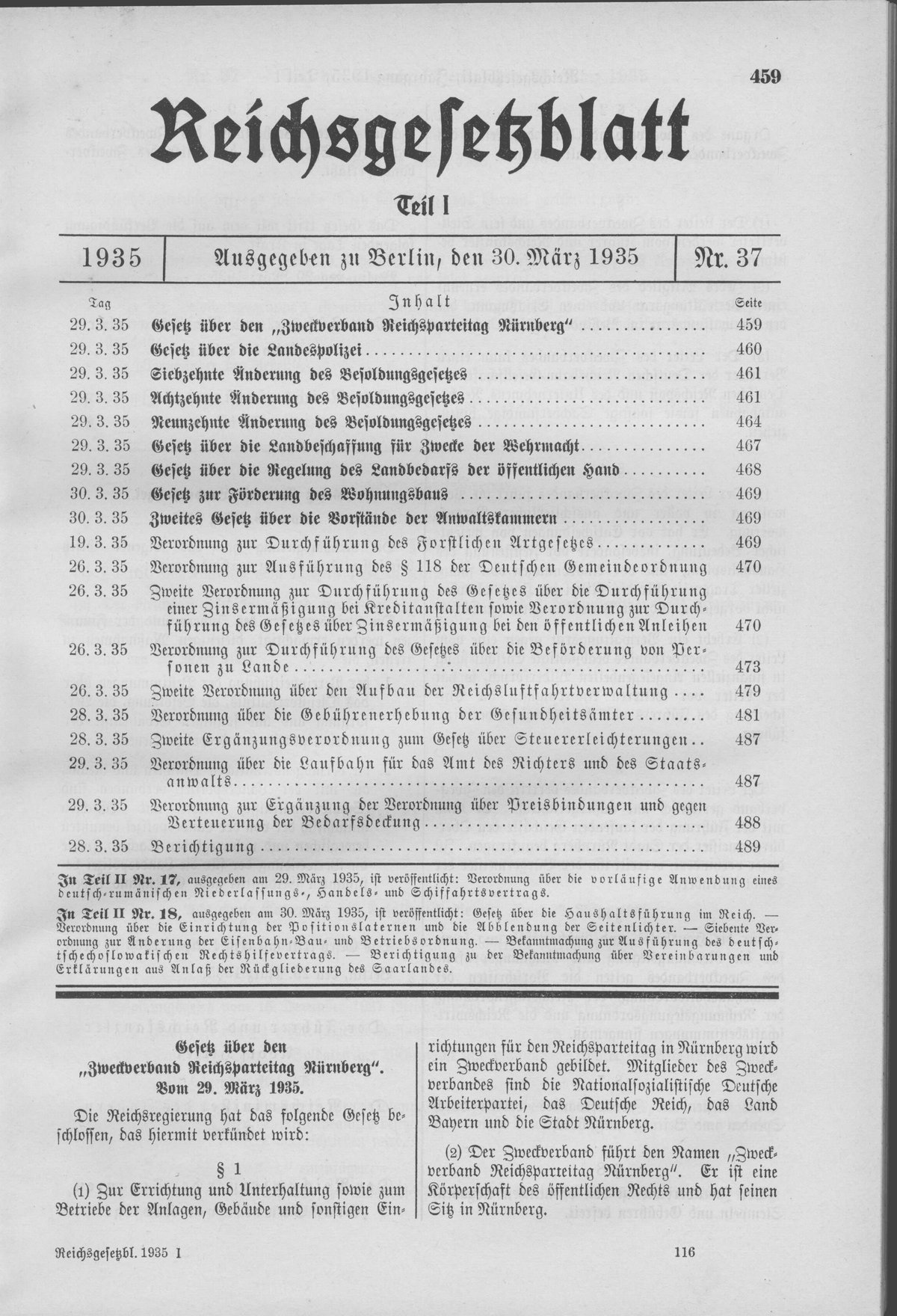
Scan from the Imperial Law Gazette of Germany, part 1, published in 1935, showing historical legal text

High-quality scan of the Deutsches Reichsgesetzblatt (Imperial Law Gazette) Germany 1935 part 1, showing official legal text and formatting from the period.

Image of a large Nazi eagle and swastika statue towering above a damaged grandstand at the former Nazi Party rally site in Nuremberg, symbolizing Germany under Allied occupation.
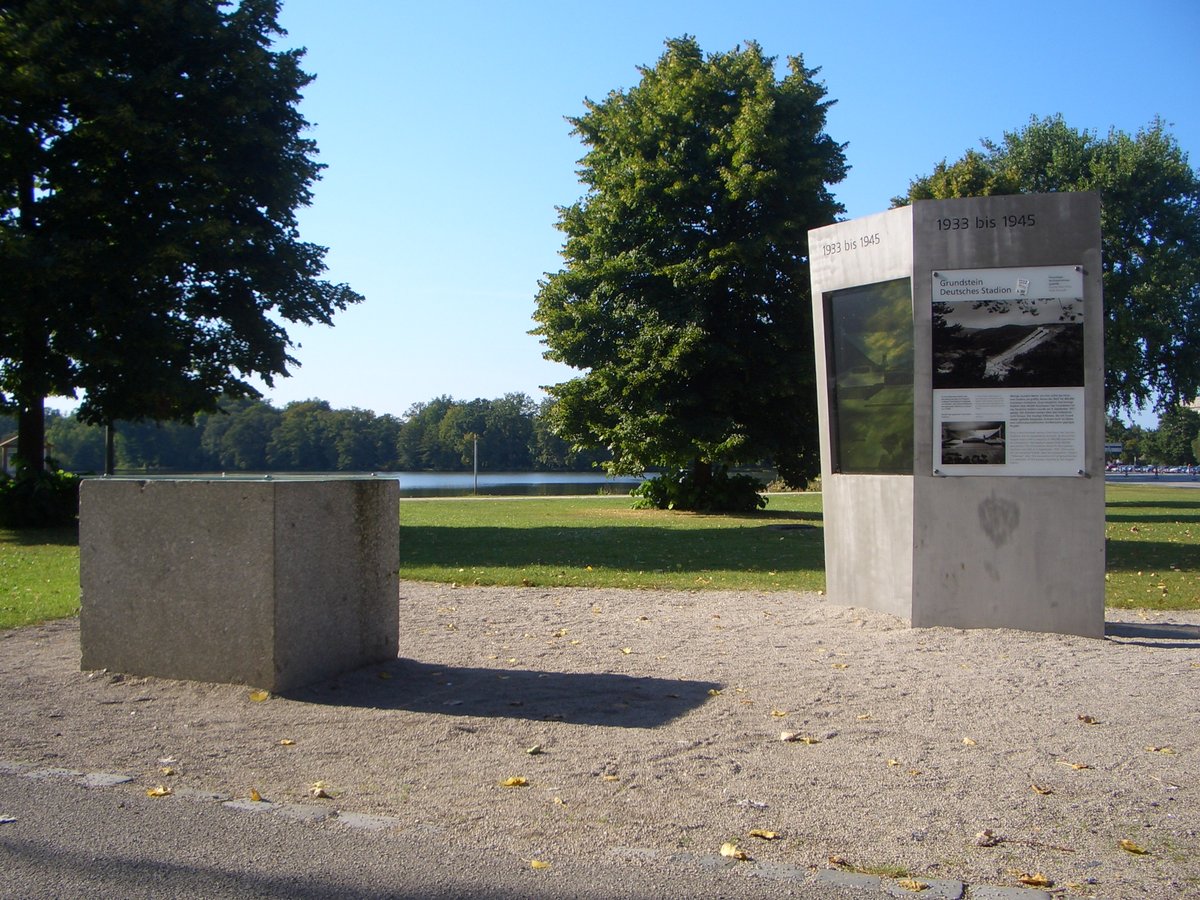
Close-up image of the foundation stone of Deutsches Stadion, showing engraved text and a decorative wreath
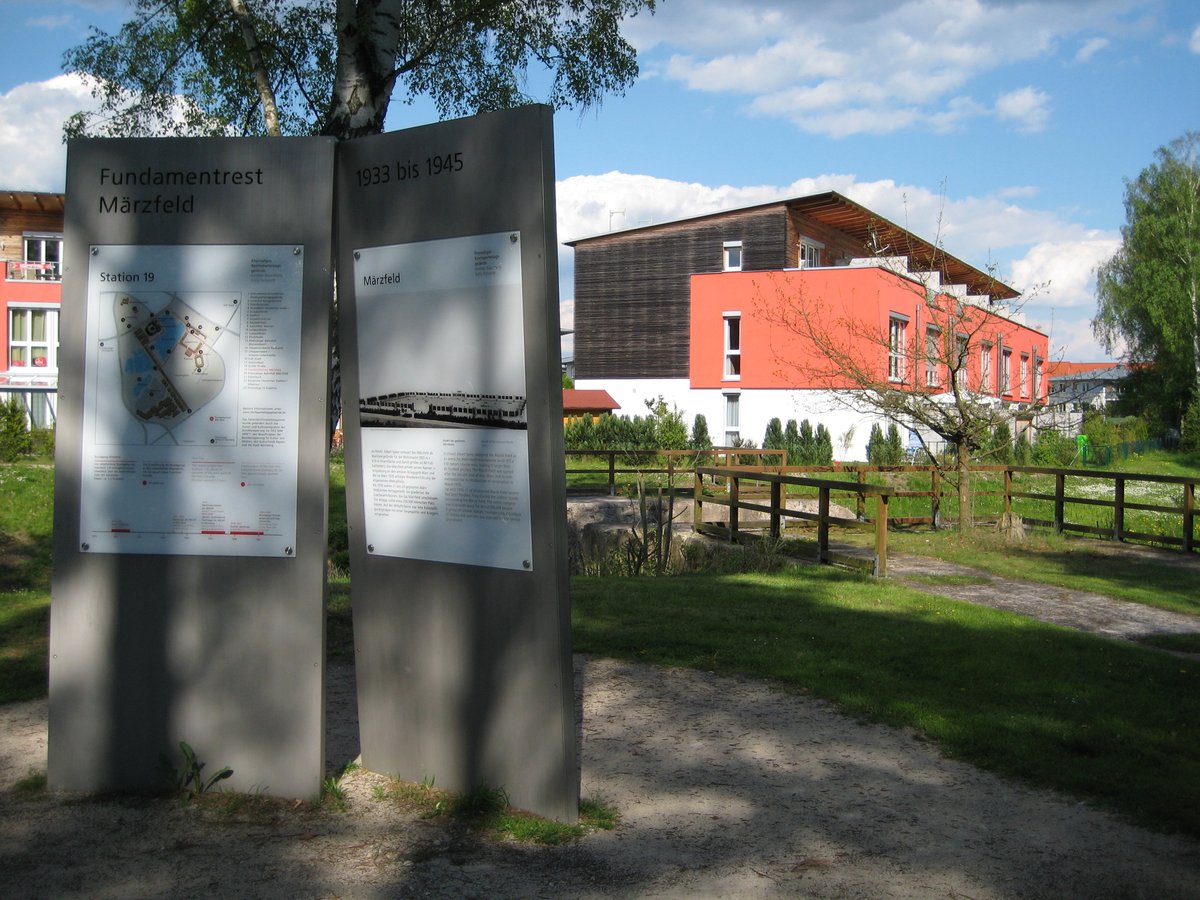
Informative signboard displaying Märzfeld details located in a green park area in Nürnberg.
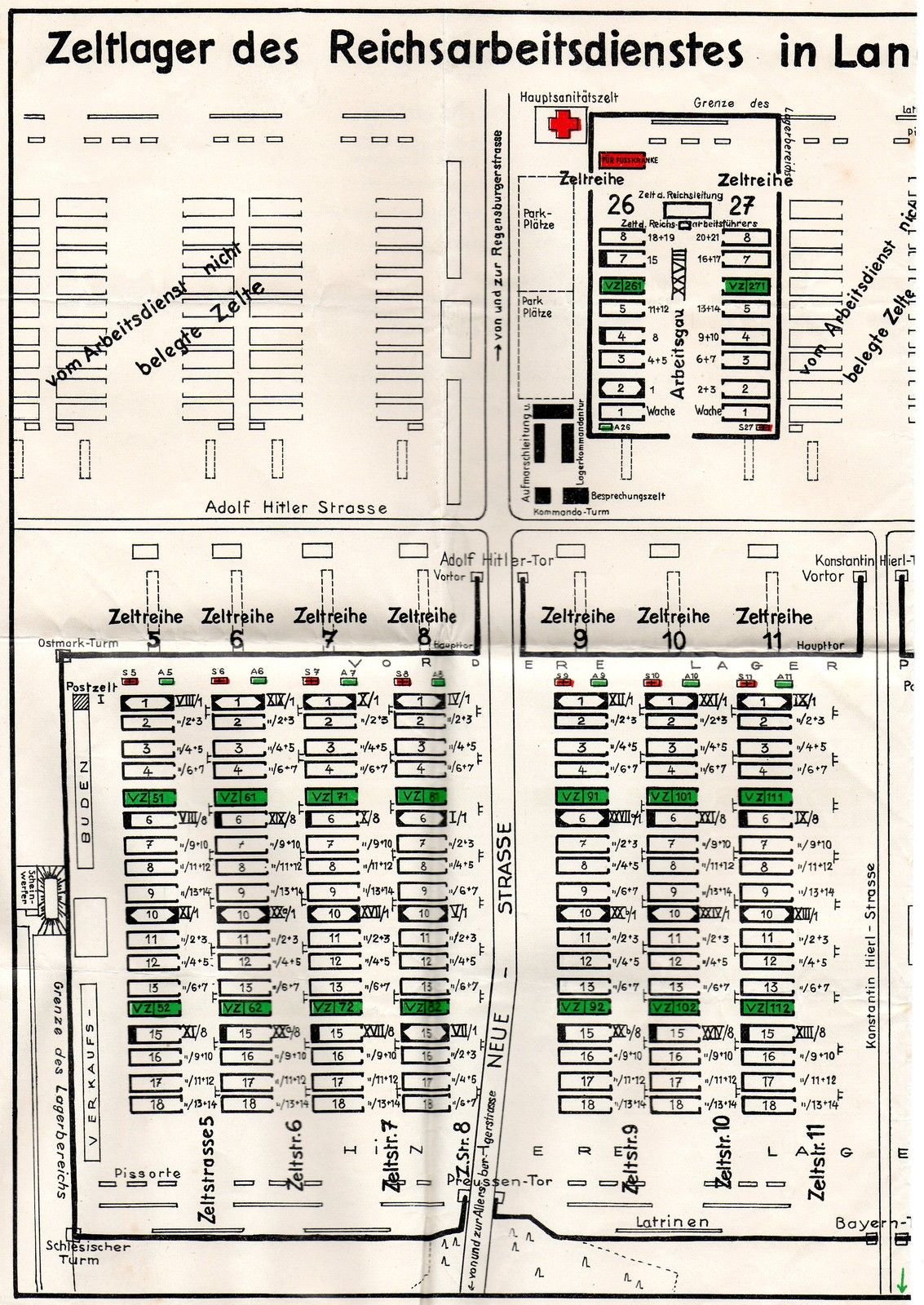
Detailed guide map depicting the arrangement of units attending the 1935 Nazi Party Day event at the campground.
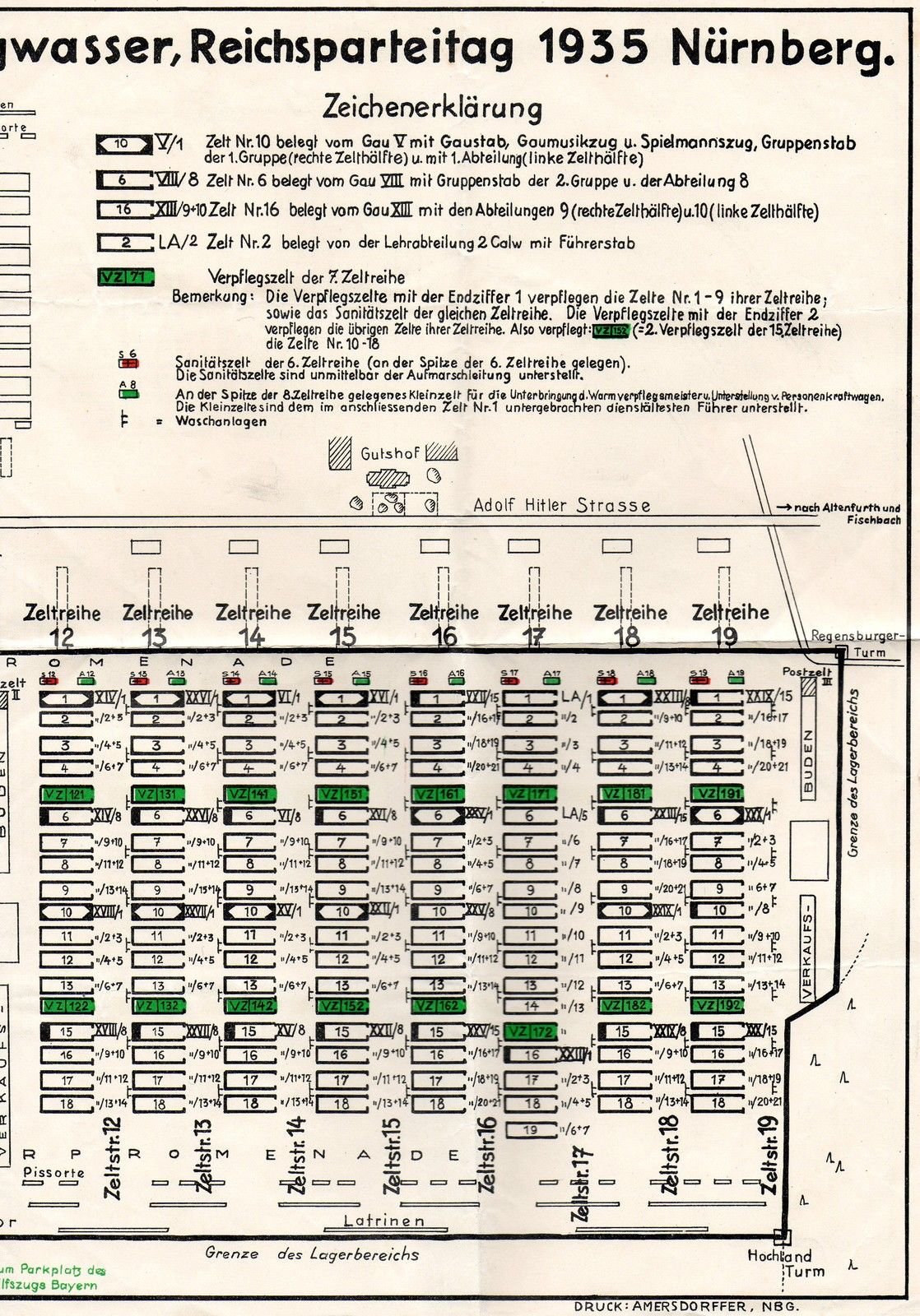
A detailed guide map illustrating the layout and arrangement of units attending the 1935 Nazi Party Day event, highlighting various sections and campsite locations.
Historical Background and Site Significance
Origins and Purpose
Nuremberg was deliberately selected for the Nazi Party’s rallies due to its central location, medieval heritage, and symbolic status as "the most German of German cities." These mass gatherings were orchestrated to demonstrate the regime’s unity and power, not as democratic assemblies but as propaganda events reinforcing Hitler’s cult of personality (World History Encyclopedia; BBC Bitesize).
Architectural Vision
Hitler, considering himself the "Builder-in-Chief," entrusted Albert Speer from 1934 with the realization of his monumental vision. The plan included the Zeppelin Field, Congress Hall, Great Road, and Luitpold Arena, all designed to convey imperial grandeur and permanence. Construction was interrupted by World War II, leaving many structures incomplete (Documentation Center Nuremberg; Google Arts & Culture).
Key Structures
- Zeppelin Field and Grandstand: Inspired by the Pergamon Altar, this was the centerpiece for mass rallies and Hitler’s speeches, accommodating up to 200,000 spectators.
- Congress Hall: Modeled after the Roman Colosseum, intended to seat 50,000, and today houses the Documentation Center.
- Great Road: A 2-kilometer processional avenue designed for military parades.
- Luitpold Arena: Used for ceremonial parades and memorials.
These structures reflect the regime’s attempt to use architecture as a tool for mass mobilization and ideological messaging (Google Arts & Culture).
Cultural and Historical Impact
The Nazi Party Rally Grounds are now a stark reminder of how architecture and spectacle can be harnessed for propaganda. Their preservation and reuse underscore the importance of confronting difficult heritage and promoting democratic values (Documentation Center Nuremberg; Historisches Lexikon Bayerns).
Present-Day Functions and Public Access
Memorialization and Education
Since 1973, key structures like the Congress Hall and Zeppelin Field have been protected as historical monuments. The city of Nuremberg pursues a policy of "democratic appropriation," using the grounds for education, remembrance, and civic dialogue rather than glorification (Historisches Lexikon Bayerns). The Documentation Center, opened in 2001 within the Congress Hall, serves as a leading museum and research hub on National Socialism, drawing nearly 300,000 visitors annually (Southampton University).
Community and Recreational Use
The grounds are also integrated into urban life. Locals and tourists use the parklands for recreation, and major public events such as the Norisring motorsport festival and Rock im Park music festival are held here, reflecting the transformation of the site into a community asset (Wikipedia).
Conservation and Future Developments
Ongoing restoration—especially at the Zeppelin Tribune and Field—ensures safety and accessibility. The new permanent exhibition is set to open in 2025, with expanded digital and research offerings (Museums Nürnberg).
Visitor Information
Visiting Hours
- Documentation Center Nazi Party Rally Grounds: Open Tuesday to Sunday, 10:00 AM to 6:00 PM. Closed Mondays and on select holidays. Outdoor grounds are accessible during daylight hours (tourismus.nuernberg.de).
Tickets and Entry
- Documentation Center: Standard adult ticket is €7.50; reduced €2.50; families €8; groups (15+) €7 per person; school classes €2 per student. Free admission with the NÜRNBERG CARD.
- Outdoor Grounds: Free access at all times.
- Tickets can be purchased online or onsite (Museums Nürnberg).
Accessibility
- The Documentation Center is fully wheelchair accessible, with lifts and ramps.
- Most outdoor areas are flat but some have uneven surfaces—comfortable footwear is recommended.
- Audio guides are available in multiple languages; guided tours can be booked in advance.
- Public transport: Accessible via tram (lines 6 and 9), bus, and 15-minute walk from Hauptbahnhof. Parking is available nearby (Museums Nürnberg).
Facilities
- Restrooms, café, and museum shop are available at the Documentation Center.
- Free web-based audio guide (bring your own device and headphones).
- Maps and information boards guide visitors through the 23 significant sites on the grounds.
Key Attractions
- Documentation Center (Congress Hall): Exhibitions on Nazi propaganda, forced labor, and the consequences of National Socialism. Currently, an interim exhibition is on view during renovations.
- Zeppelin Field and Tribune: The main parade ground for Nazi rallies; freely accessible with interpretive signage.
- Great Road: A monumental avenue now used for recreation and parking.
- Luitpoldhain: Former rally arena, now a public park and event venue.
- Silbersee and March Field: Tranquil areas with historical context, remnants of Nazi construction efforts.
Tips for a Meaningful Visit
- Plan 2–4 hours for a comprehensive experience.
- Allocate extra time for guided tours or educational programs.
- Dress for the weather and wear comfortable shoes.
- Photography is allowed but should be done respectfully.
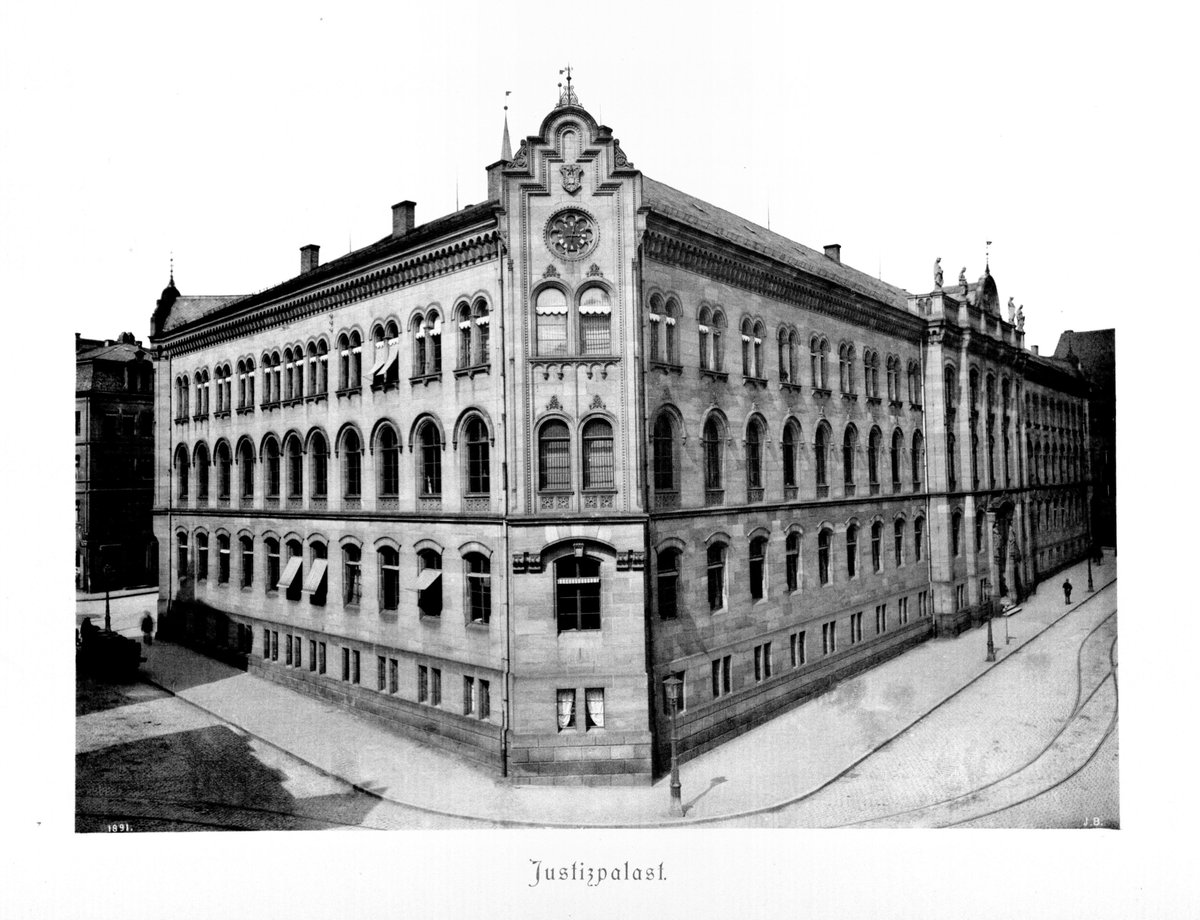
- Consider combining your visit with the Nuremberg Trials Memorial at the Palace of Justice for broader context (Germany Travel).
Ethical Considerations and Responsible Tourism
Visitors should recognize the grounds as a place of memory and reflection. Inappropriate behavior, such as frivolous selfies or commercial photography, is discouraged. Engaging with the educational materials and guided tours is recommended to foster deeper understanding (academic source).
Nearby Attractions
- Nuremberg Trials Memorial (Palace of Justice): Historic courtroom and exhibitions.
- Nuremberg Old Town: Medieval architecture and museums.
- Germanisches Nationalmuseum: Germany’s largest museum of cultural history.
Frequently Asked Questions (FAQ)
Q: What are the visiting hours?
A: Documentation Center is open Tuesday–Sunday, 10:00 AM–6:00 PM. Check the official website for up-to-date hours.
Q: Are tickets required?
A: Yes, for the Documentation Center. Outdoor grounds are free to access.
Q: Is the site accessible for people with disabilities?
A: Yes, the Documentation Center and most outdoor areas are accessible.
Q: Are guided tours available?
A: Yes, in German and English, with advance registration recommended.
Q: Can I take photographs?
A: Yes, but please be respectful of the site’s gravity.
Listen to the full story in the app
Your Personal Curator, in Your Pocket.
Audio guides for 1,100+ cities across 96 countries. History, stories, and local insight — offline ready.
Audiala App
Available on iOS & Android
Join 50k+ Curators
Sources
- verified
- verified
- verified
- verified
- verified
- verified
- verified
- verified
- verified
- verified
- verified
Last reviewed: