Introduction
Luitpoldhain, located in Nuremberg, Germany, is a remarkable urban park where over a century of history meets vibrant cultural life. Originally created in the early 20th century as part of the Jugendstil-inspired Dutzendteich grounds, and named for Prince Regent Luitpold of Bavaria after the 1906 Bavarian Jubilee Exhibition, the park has witnessed profound transformations. From its tranquil beginnings, it became the infamous Luitpoldarena—a centerpiece of Nazi rallies—and, after wartime devastation and postwar changes, has been reclaimed as a place of remembrance and recreation.
In the present day, Luitpoldhain is known not only for its layered past but also as the stage for Europe’s largest open-air classical music festival, the Klassik Open Air. The park’s accessible paths, historical monuments, and proximity to major sites like the Documentation Center Nazi Party Rally Grounds and Dutzendteich Lake make it a must-visit for those seeking both reflection and relaxation.
This guide provides everything you need to plan your visit—covering visiting hours, accessibility, transport, events, nearby attractions, and practical tips. Whether you’re a history buff, music lover, or simply searching for green space in Nuremberg, Luitpoldhain offers a unique and enriching experience. For additional details, see the official Nuremberg tourism portal and the Klassik Open Air website.
Photo Gallery
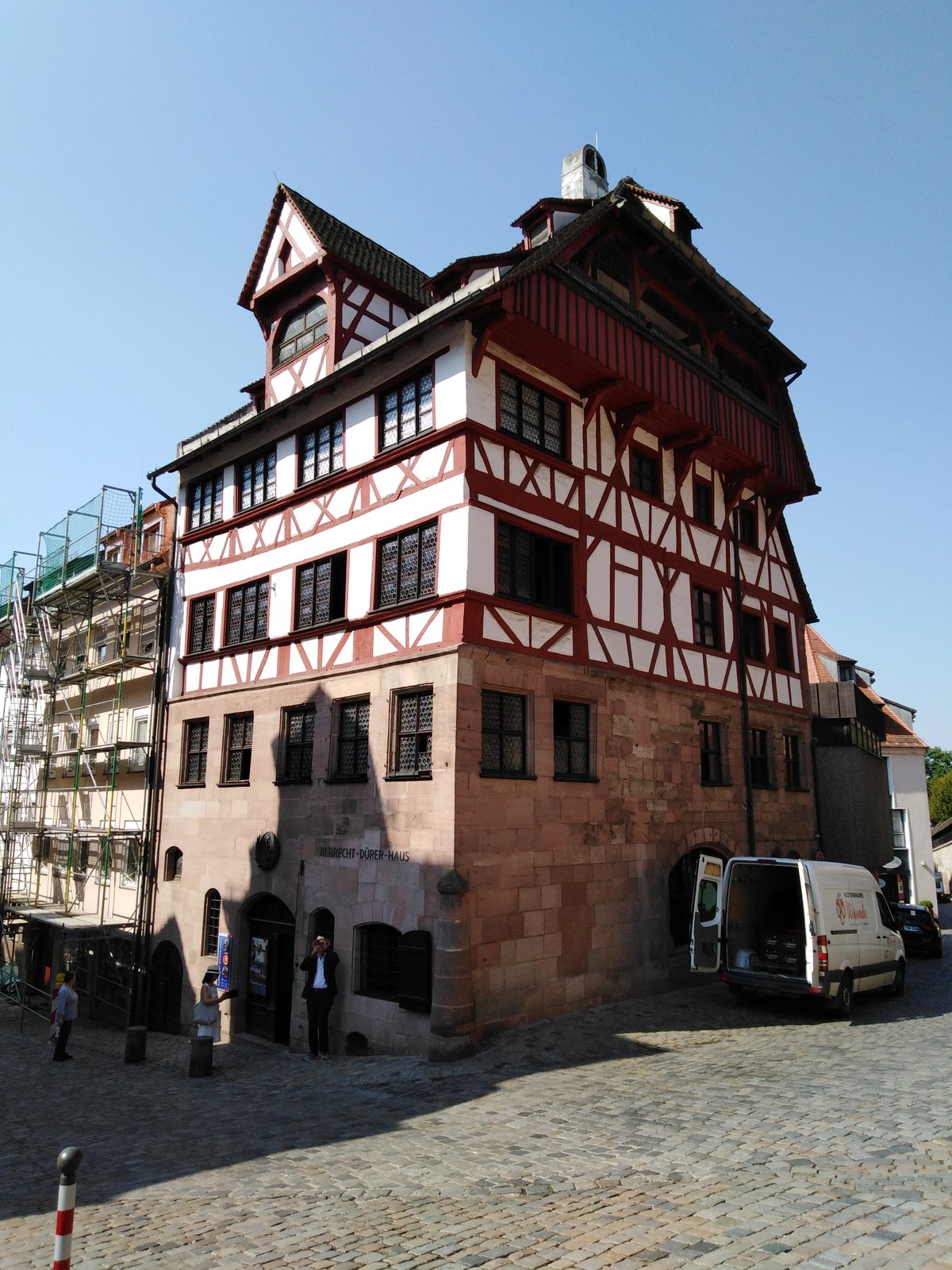
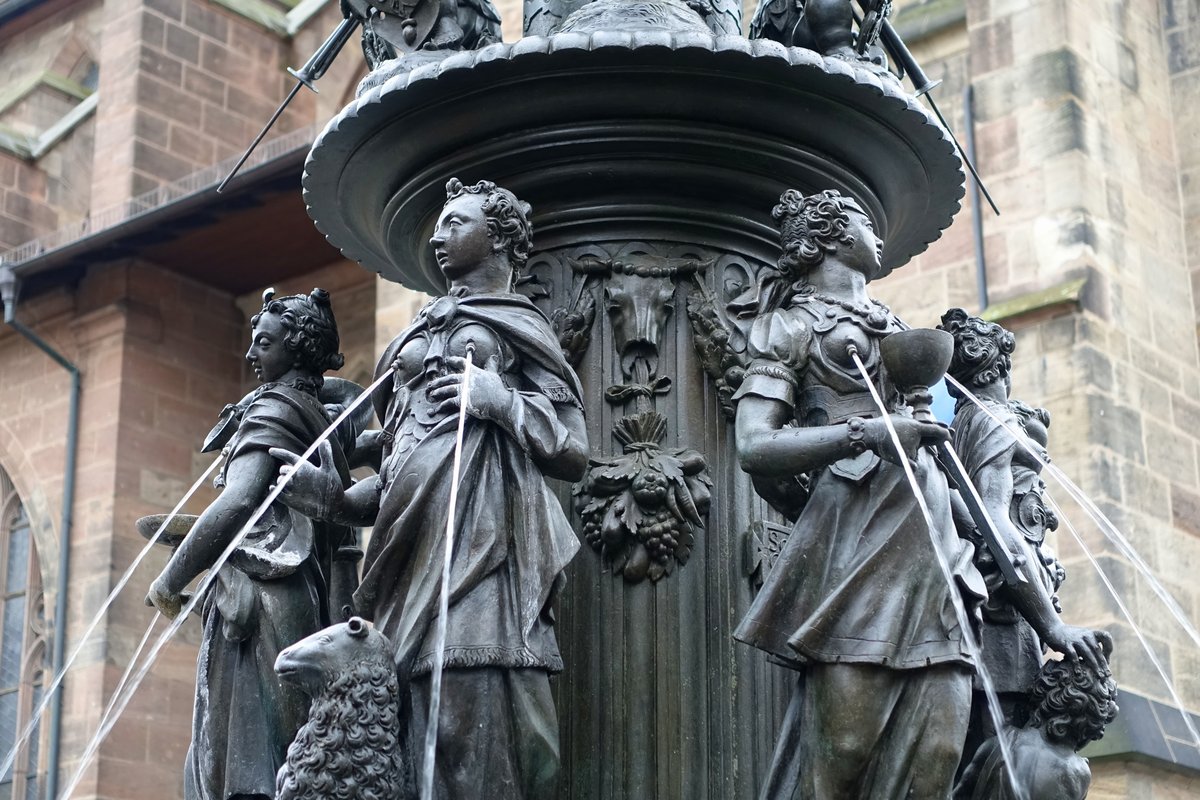
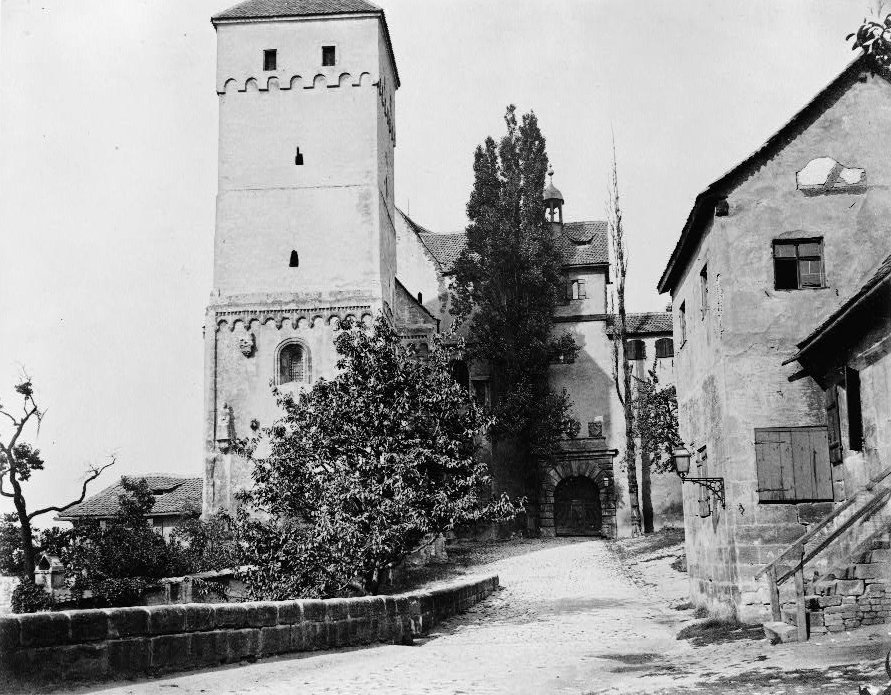
Explore Luitpoldhain in Pictures
Origins and Early Development
Luitpoldhain’s story begins in the early 1900s as part of the Dutzendteich grounds, celebrated during the 1906 Bavarian Jubilee Exhibition. Designed in the Jugendstil style, the park was named in honor of Prince Regent Luitpold of Bavaria (Wikipedia). Post-exhibition, most buildings were dismantled except for the Maschinenhalle, which became the Luitpoldhalle—a venue for large gatherings. The Nuremberg Zoo also occupied part of the site from 1912 to 1939 (Dokuzentrum).
Interwar Years and National Socialism
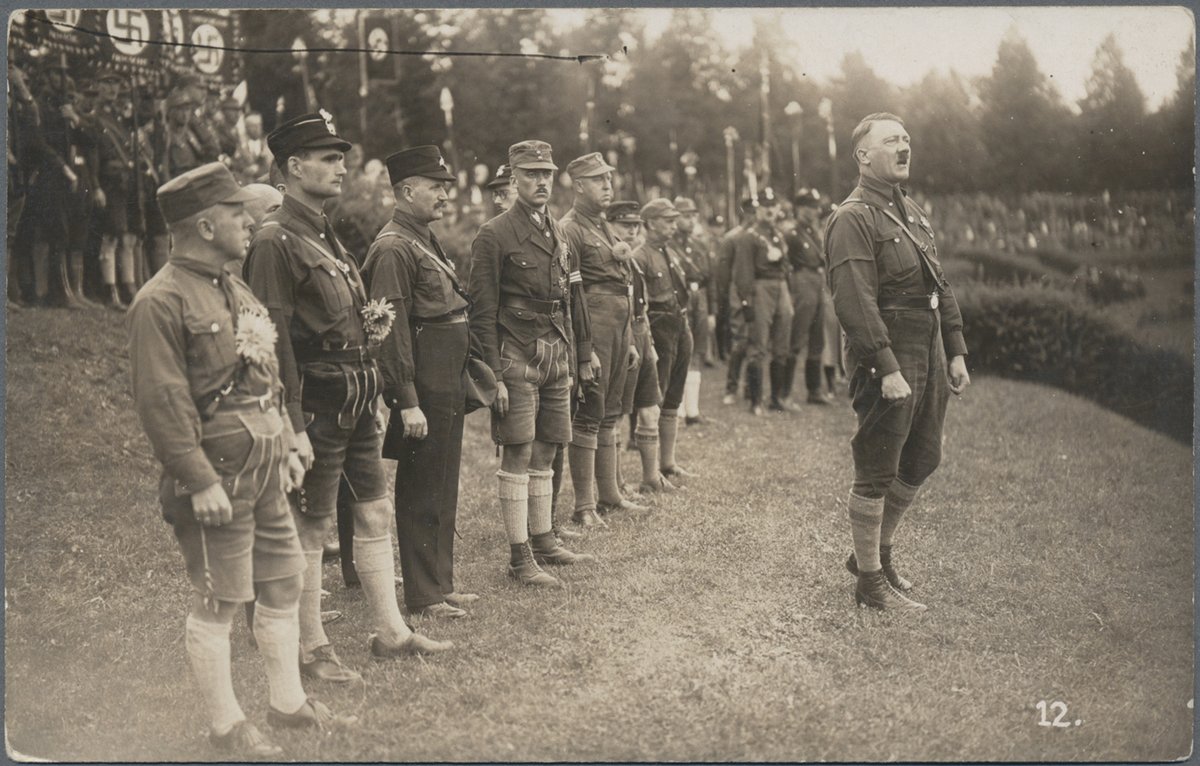
In 1927, the NSDAP chose Luitpoldhain for its first Nuremberg rally, returning in 1929 with the inclusion of the Ehrenhalle (Hall of Honor)—a World War I memorial designed for the city’s fallen (Wikipedia). The rallies cemented Nuremberg’s symbolic place in Nazi ideology, making use of the park’s central location and accessibility (HistoryNet).
Transformation into Luitpoldarena
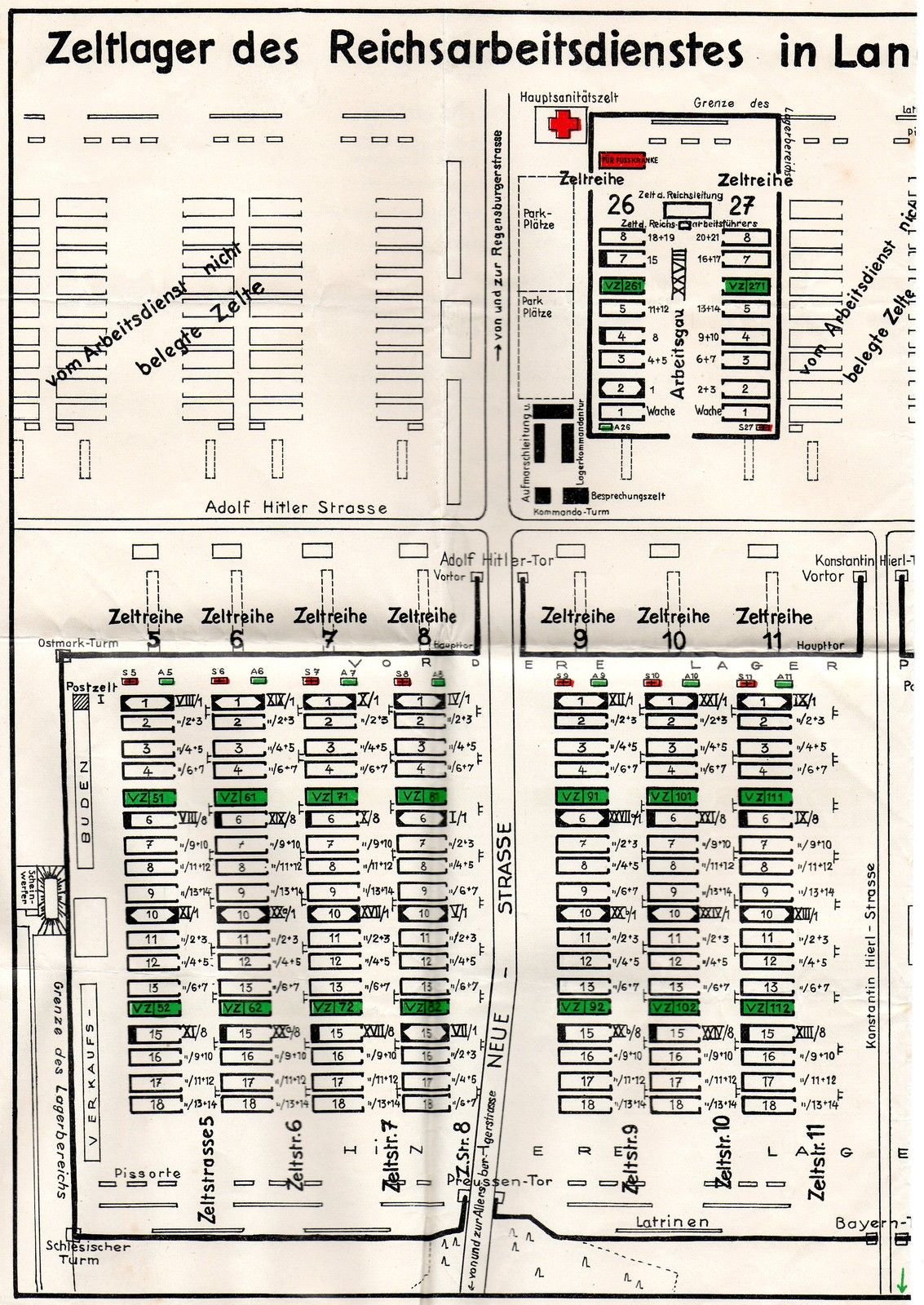
After 1933, Luitpoldhain was transformed into the Luitpoldarena, an 84,000-square-meter rally ground with massive grandstands and a granite walkway linking the Ehrenhalle to the main area (Historisches Lexikon Bayerns). Here, up to 150,000 people participated in choreographed Nazi rallies and the notorious "Blutfahnenweihe" (Blood Flag Consecration) (Dokuzentrum).
Wartime Destruction and Postwar Reclamation
The Luitpoldhalle was destroyed in Allied bombings in 1942. After the war, the US Army and Nuremberg city authorities repurposed the space, and by 1960, most Nazi structures were demolished—leaving only faint traces of the original terraces. Luitpoldhain was reborn as a public park, symbolizing remembrance and renewal (Tourismus Nürnberg).
Contemporary Significance and Visitor Information
Visiting Hours & Admission
- Open: Year-round, from dawn until dusk. There are no restricted hours for the park itself.
- Admission: Free. No tickets are required for general access or to view memorials.
Getting There
- Public Transport: Take Nuremberg tram lines 6 or 8 to the "Dutzendteich" stop (approx. 10–15 minutes from Hauptbahnhof).
- By Car: Limited street parking; public transportation is highly recommended, especially during large events.
- Cycling: Dedicated bike paths and racks at entrances.
Accessibility
- Paths: Paved and flat, suitable for wheelchairs and strollers.
- Facilities: Accessible restrooms during major events and at key entrances.
Facilities & Food Options
- Restrooms: Available during events and weekends.
- Food and Drink: No permanent vendors inside the park, but food trucks operate during events. Bring your own picnic or visit nearby cafés in Dutzendteich and Südstadt.
Cultural Events: Klassik Open Air
Since 2000, Luitpoldhain has hosted the Klassik Open Air—Europe’s largest open-air classical music event. Each July and August, tens of thousands gather for free concerts by the Nuremberg State Philharmonic and Symphony orchestras, creating a festive, picnic-style atmosphere (Klassik Open Air, Tourismus Nürnberg). Bring blankets, picnic baskets, and enjoy the tradition of candlelight and sparklers during evening performances.
Outside these events, the park is ideal for jogging, cycling, yoga, and family picnics.
Memorialization and Key Features
- Ehrenhalle (Hall of Honor): A WWI memorial, later appropriated by the Nazis for rallies (Wikipedia).
- Terraces: Remnants of the grandstands provide a tangible link to the park’s 20th-century history.
- Park Layout: Lawns, tree-lined avenues, and sculptures echo early 1900s design (Discover Bavaria).
The park and the adjacent Documentation Center offer reflection on the city’s past, with guided tours available through local operators (Tourismus Nürnberg).
Travel Tips & Frequently Asked Questions
What are Luitpoldhain’s hours?
Open year-round, dawn until dusk. No entrance fee.
Is the park accessible?
Yes—paved, flat paths and accessible restrooms during events.
Are pets allowed?
Yes, dogs must be on a leash; owners should clean up after them.
How do I get there?
Tram lines 6 or 8 to "Dutzendteich" stop; limited car parking.
Can I attend concerts?
Yes, Klassik Open Air is free; check the event site for dates.
Are guided tours available?
Yes, through the Documentation Center and local tourism offices.
Nearby Attractions
- Documentation Center Nazi Party Rally Grounds: In-depth exhibitions on the Nazi era (Historisches Lexikon Bayerns).
- Dutzendteich Lake: Walking, boating, and picnics.
- Zeppelin Field: Another significant historical site.
- Nuremberg Zoo: Family-friendly, located nearby.
Visuals and Media Suggestions
- Use images of Luitpoldhain’s landscape, the Ehrenhalle, terraces, and Klassik Open Air crowds.
- Apply alt text with keywords: “Luitpoldhain visiting hours”, “Klassik Open Air Nuremberg”, “Nuremberg historical parks”.
- Embed a map showing park location and nearby attractions.
- Recommend virtual tours or video highlights for a deeper look.
Listen to the full story in the app
Your Personal Curator, in Your Pocket.
Audio guides for 1,100+ cities across 96 countries. History, stories, and local insight — offline ready.
Audiala App
Available on iOS & Android
Join 50k+ Curators
Sources
- verified
- verified
- verified
- verified
- verified
- verified
- verified
Last reviewed: