Introduction to the Karl Gebhardt Watch Collection
Located in the heart of Nuremberg, Germany, the Karl Gebhardt Watch Collection stands as a premier destination for horology enthusiasts and cultural explorers alike. Nuremberg’s historic significance in portable timekeeping, largely due to the pioneering work of Peter Henlein—often called the father of the pocket watch—makes it the perfect setting for this extraordinary museum. The collection preserves centuries of timekeeping innovation, from early sundials and mechanical drum watches to modern solar-powered and radio-controlled timepieces, offering a comprehensive journey through the evolution of watchmaking (David Duggan Watches).
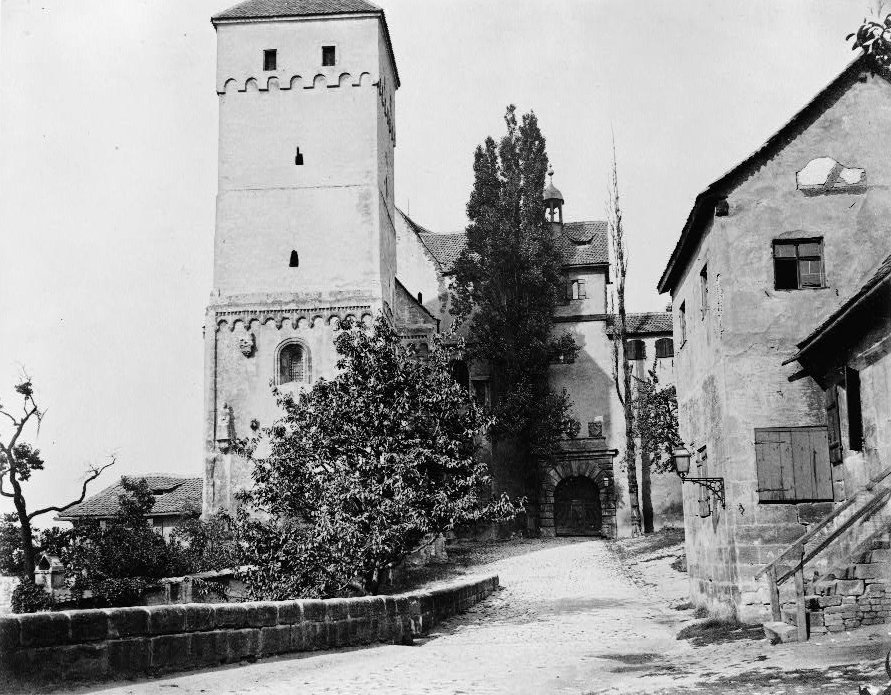
With free admission and generous daily opening hours (8:00 AM to 8:00 PM, including weekends and holidays), the Karl Gebhardt Watch Collection is accessible to all. Guided tours, interactive exhibits, and detailed interpretive materials enhance the experience for both casual visitors and horological scholars. Its central location and proximity to other Nuremberg highlights, such as the Imperial Castle and Germanisches Nationalmuseum, make it an excellent addition to your city itinerary (Uhrensammlung Karl Gebhardt, tourismus.nuernberg.de).
This guide presents all the essential information you need for your visit: historical context, exhibition highlights, visitor services, accessibility details, practical tips, and FAQs. Whether you’re captivated by early mechanical marvels or intrigued by the technological leaps in modern watchmaking, the Karl Gebhardt Watch Collection is a gateway to Nuremberg’s enduring horological legacy (museen.de).
Photo Gallery
Explore Karl Gebhardt Watch Collection in Pictures

Photograph of a vintage Polaris alarm clock exhibited in the Karl Gebhardt Horological Collection at the Gewerbemuseum, Nuremberg, Germany. This utilitarian timepiece is no longer under copyright and is in the public domain.

Close-up image of the Atmos clock prototype exhibited in the Karl Gebhardt Horological Collection at the Gewerbemuseum in Nuremberg, Germany, showcasing detailed craftsmanship. This utilitarian object is not under copyright and is part of public domain due to expired industrial design rights.

Photograph of an antique clock created by Peter Henlein in 1510, exhibited at the Karl Gebhardt Horological Collection in the Gewerbemuseum, Nuremberg, Germany. This historical timepiece is a utilitarian object in the public domain and exemplifies early horological craftsmanship.

Detailed view of an antique clock displayed at the Karl Gebhardt Horological Collection in the Gewerbemuseum, Nuremberg, Germany. This utilitarian timepiece is part of the museum's horological exhibits and is in the public domain as its industrial design rights have expired.

Detailed view of a historic clock displayed at the Karl Gebhardt Horological Collection in Gewerbemuseum, Nuremberg, Germany. The clock is a utilitarian object with expired industrial design rights, shown as part of the museum's collection.

Exhibit of various historic clocks including Rumpelsberger of Würzburg and Thomas Thomson of London displayed at Karl Gebhardt Horological Collection in Gewerbemuseum, Nuremberg, Germany

Detailed image of clockworks exhibit from the Karl Gebhardt Horological Collection at Gewerbemuseum in Nuremberg, Germany, illustrating historic timekeeping mechanisms.

Detailed image of an antique clockworks mechanism displayed in the Karl Gebhardt Horological Collection at the Gewerbemuseum in Nuremberg, Germany. The exhibit showcases the intricate craftsmanship of horological engineering.

Detailed image of an intricate clockworks exhibit displayed at the Karl Gebhardt Horological Collection in the Gewerbemuseum, Nuremberg, Germany, showcasing historical horological craftsmanship.

Display of an exhibit in the Karl Gebhardt Horological Collection at the Gewerbemuseum in Nuremberg, Germany, showcasing historical timepieces and horological artifacts.

Exhibit showcasing antique clocks in the Karl Gebhardt Horological Collection at the Gewerbemuseum, Nuremberg, Germany, featuring historical timekeeping designs protected by industrial design rights.
Nuremberg and the Birth of Portable Timekeeping
Peter Henlein and the Nuremberg Egg
In the early 16th century, Nuremberg was a hub for skilled metalworkers and locksmiths, whose expertise set the stage for a revolution in personal timekeeping. Peter Henlein (c. 1485–1542) is credited with creating the first spring-driven, portable “clock-watches,” which marked a monumental shift from large, stationary clocks to wearable timepieces. One of his most celebrated creations is the “Nuremberg Egg” (Nürnberger Ei): an oval-shaped, highly decorated pocket watch that became a symbol of status and innovation among European nobility (David Duggan Watches).
These early watches were not particularly accurate, often featuring only an hour hand, but their significance as luxury items and diplomatic gifts was immense. The Nuremberg Egg, with its intricate grillwork cover and ornate engravings, stands as an enduring icon of horological artistry and technical achievement.
Exhibition Highlights
The museum houses approximately 1,000 timepieces spanning over five centuries, illustrating the technological, artistic, and social evolution of watchmaking. Key exhibition themes include:
- Early Portable Watches: Originals and replicas of Nuremberg Eggs, drum watches, and pomander watches.
- Mechanical Innovations: Mainspring mechanisms, verge escapements, and other breakthroughs that enabled miniaturization and portability.
- Decorative Arts: Exquisitely engraved cases and dials, displaying horology as both science and art.
- International Contributions: Works by renowned watchmakers from France, Switzerland, and England.
- Modern Developments: Quartz, radio-controlled, and solar-powered watches, including innovations by Karl Gebhardt himself.
- Archival Materials: Historic documentation, such as illustrations from the 1493 Nuremberg Chronicle (Radiomuseum).
The museum’s thoughtful layout, explanatory models, and clear signage make it accessible to a wide audience, while guided tours and the adjoining horological library provide deeper insights for dedicated researchers.
Visitor Information
Location and Accessibility
- Address: 90403 Nuremberg, Bavaria, Germany (central location)
- Public Transport: Easily accessible by tram and bus, with stops nearby
- Wheelchair Access: Limited due to the historic building’s structure; visitors with mobility needs should contact the museum in advance for assistance (tourismus.nuernberg.de)
Opening Hours and Admission
- Hours: Daily, 8:00 AM – 8:00 PM (including Sundays and holidays)
- Admission: Free; no tickets required
Guided Tours and Special Events
- Guided Tours: Available on request—ideal for groups, clubs, or those seeking a more in-depth visit.
- Special Exhibitions and Events: Periodic workshops, lectures, and themed displays; check the official website for updates.
- Photography: Permitted for personal use; flash and tripods may be restricted.
Practical Tips for Your Visit
- Duration: Plan for 1–2 hours depending on your interest level.
- Language: Exhibit texts are primarily in German, with some English summaries; consider a translation app or guide if needed.
- Amenities: Restrooms and cloakroom facilities are available, though space is limited.
- Families: The museum is best suited for adults and older children with an interest in science or history.
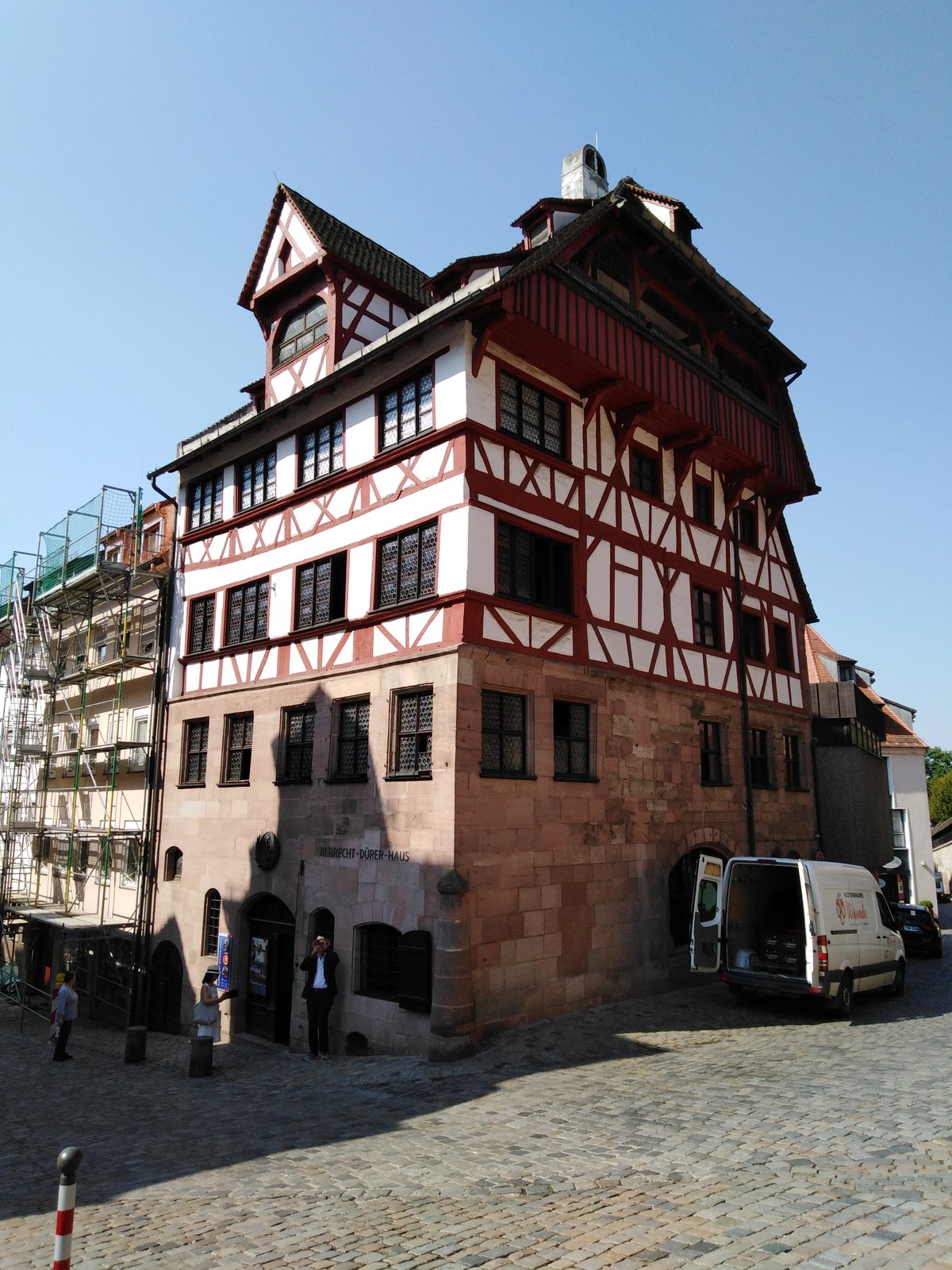
- Nearby Attractions: Combine your visit with other Nuremberg landmarks such as the Imperial Castle, Albrecht Dürer’s House, and the Germanisches Nationalmuseum.
Nuremberg’s Role in Horological History
Nuremberg’s locksmiths and craftsmen played a defining role in the emergence of portable watches, influencing the development of horology throughout Europe. The city’s technical innovations set a precedent, inspiring watchmakers in other regions and establishing a legacy that persists in today’s global watch industry (WatchWired).
The Karl Gebhardt Watch Collection not only preserves this heritage but also fosters public understanding through interactive exhibits and educational resources. Its collaboration with the Deutsche Gesellschaft für Chronometrie—the German Society for Chronometry—enriches the visitor experience with access to Europe’s largest horological library (museen.de).
Frequently Asked Questions (FAQ)
Q: What are the visiting hours?
A: Open daily from 8:00 AM to 8:00 PM, including Sundays and holidays.
Q: Is there an admission fee?
A: No; admission is free for all visitors.
Q: Are guided tours available?
A: Yes, guided tours can be arranged upon request.
Q: Is the museum wheelchair accessible?
A: Accessibility is limited due to the historic building, but staff can assist with advance notice.
Q: Can I take photos?
A: Yes, personal photography is allowed (no flash or tripods).
Q: How do I reach the museum?
A: The museum is centrally located, with tram and bus stops nearby.
Planning Your Visit
To make the most of your experience:
- Check the official website for updates on exhibitions and events.
- Contact the museum in advance for accessibility arrangements or to book a guided tour.
- Consider using the NÜRNBERG CARD + FÜRTH for convenient access to other attractions and public transport (tourismus.nuernberg.de).
- Download the Audiala app for curated guides and up-to-date information.
Listen to the full story in the app
Your Personal Curator, in Your Pocket.
Audio guides for 1,100+ cities across 96 countries. History, stories, and local insight — offline ready.
Audiala App
Available on iOS & Android
Join 50k+ Curators
Sources
- verified
- verified
- verified
- verified
Last reviewed: