Introduction
Nestled in the heart of Nuremberg’s Altstadt, the Heilig-Geist-Spital (Hospital of the Holy Spirit) is a landmark that encapsulates centuries of history, culture, and architectural heritage. Founded in the 14th century by the patrician Konrad Groß, the institution stands as a testament to medieval philanthropy and the evolution of urban social welfare. Over time, it has played pivotal roles—as a hospital, a repository for the Imperial Regalia of the Holy Roman Empire, and today as a vibrant culinary and cultural destination (tourismus.nuernberg.de, heilig-geist-spital.de).
This comprehensive guide explores the Heilig-Geist-Spital’s origins, architectural highlights, visitor information, and its enduring importance to Nuremberg’s identity.
Photo Gallery
Explore Heilig-Geist-Spital in Pictures
Table of Contents
- Foundations and Medieval Origins
- Architectural Evolution and Artistic Highlights
- Role in Nuremberg’s Social and Cultural Life
- Destruction and Restoration
- Modern Use and Visitor Experience
- Visiting Information: Hours, Tickets, and Accessibility
- Nearby Attractions
- Frequently Asked Questions (FAQ)
- Visuals and Media
- Conclusion & Travel Tips
- Sources and Official Links
1. Foundations and Medieval Origins
The Heilig-Geist-Spital was established between 1332 and 1339 by Konrad Groß for the care of the sick, elderly, and poor—a pioneering act of medieval charity and civic responsibility (tourismus.nuernberg.de). As the largest medieval hospital in Nuremberg, it accommodated up to 200 residents and included not only medical facilities but also a church, underscoring the era’s interwoven religious and social care.
2. Architectural Evolution and Artistic Highlights
Unique River-Spanning Design
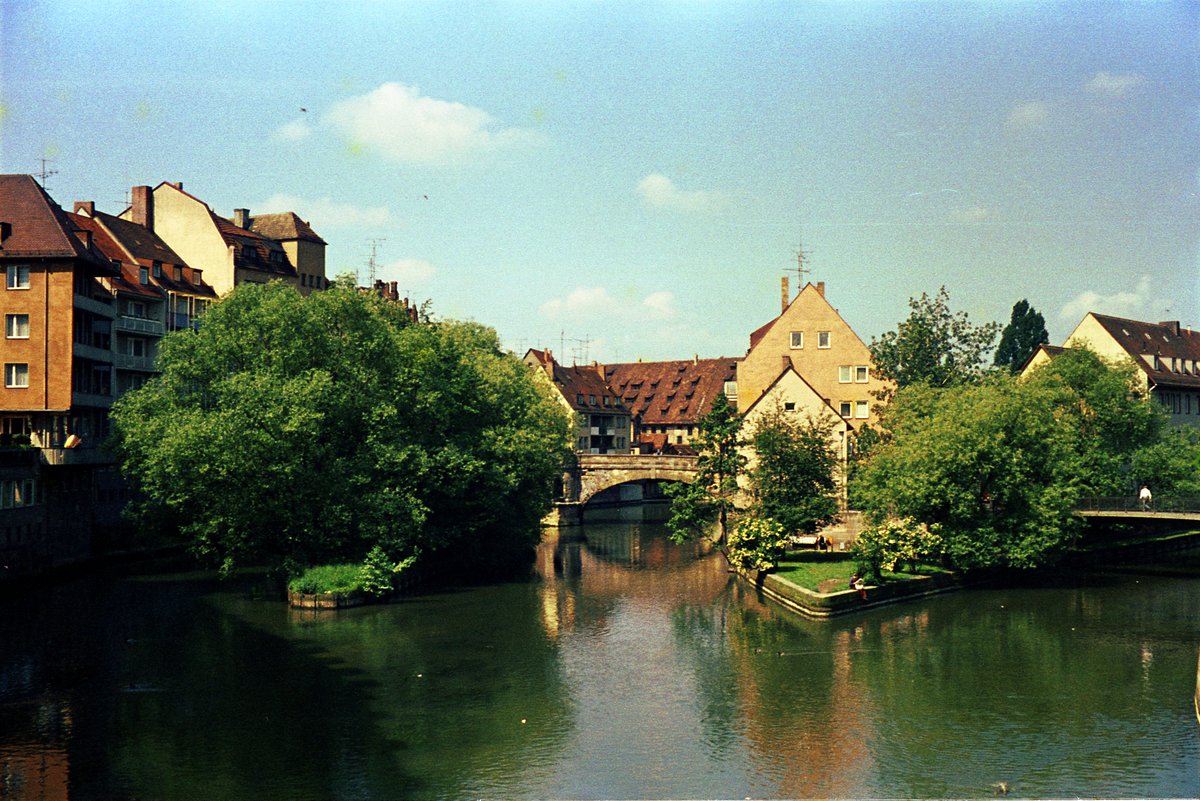
A defining feature of the Heilig-Geist-Spital is its dramatic position over the Pegnitz River, supported by Gothic stone arches and adorned with half-timbered upper stories. This innovative use of urban space not only maximized land usage but became an iconic visual element of Nuremberg (travelwriticus.com).
Church and the Imperial Regalia
The hospital’s church, the Spitalkirche, gained immense significance as the repository for the Imperial Regalia (Reichskleinodien) from 1424 to 1796. These sacred crown jewels and relics were displayed annually, reinforcing Nuremberg’s status within the Holy Roman Empire (en.wikipedia.org, Archiater Blog).
Artistic Treasures
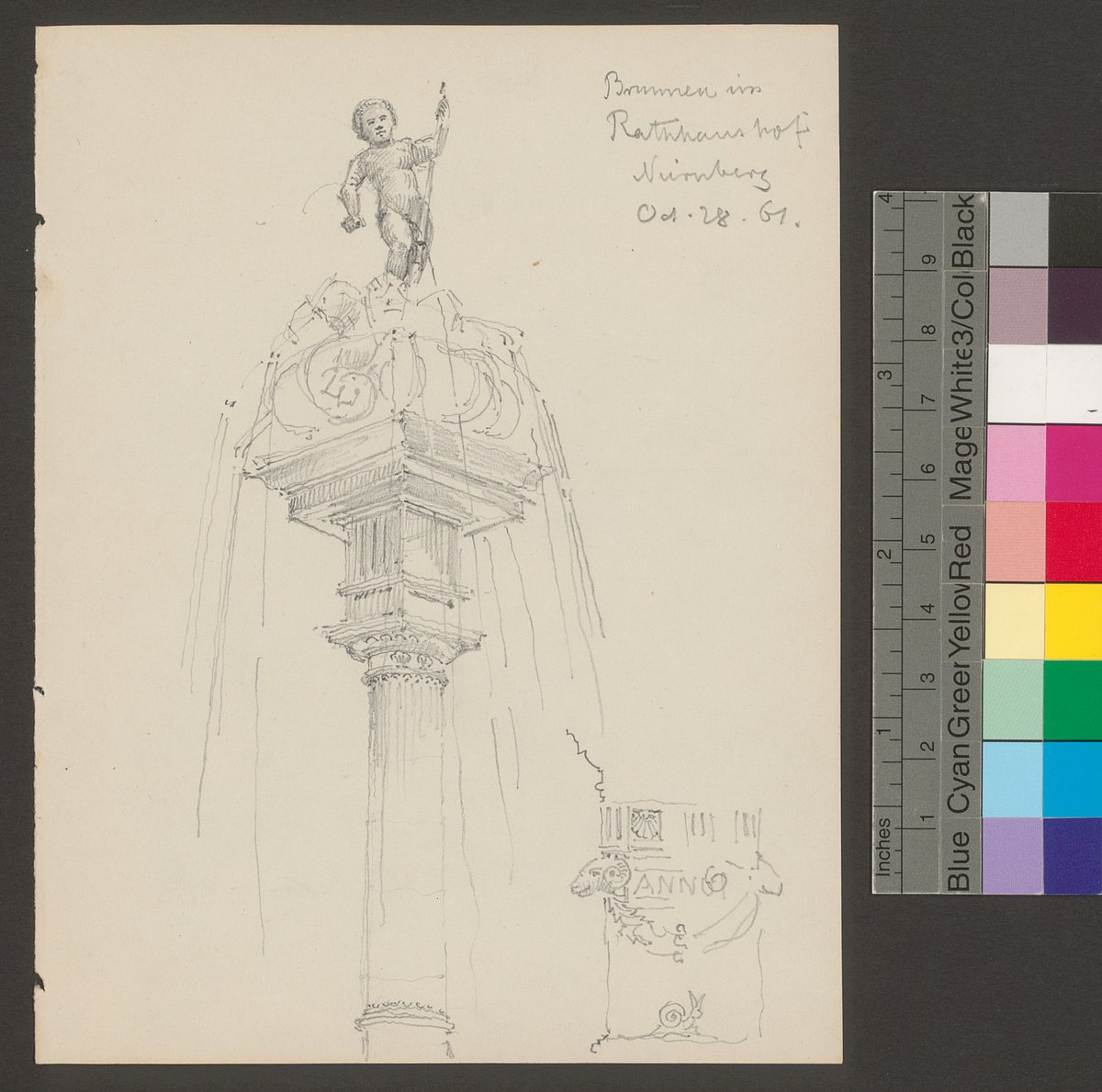
- Hanselhof Courtyard: Features a replica of the Brunnenhansel, Nuremberg’s earliest large-scale bronze sculpture (c. 1380), with the original in the Germanisches Nationalmuseum.
- Kreuzigungshof Courtyard: Houses Adam Kraft’s Crucifixion group (c. 1506–1508), a masterpiece of late Gothic sculpture.
- Tomb Monuments: The graves of Konrad Groß and Herdegen Valzner, key benefactors, are preserved in the courtyard (tourismus.nuernberg.de).
3. Role in Nuremberg’s Social and Cultural Life
Throughout its existence, the Heilig-Geist-Spital served as more than a hospital—it was a microcosm of medieval society. Admission often required a donation; residents received meals, shelter, and spiritual care. The institution was funded by wealthy citizens and guilds, reflecting a communal approach to social welfare (Nuremberg City Portal).
The hospital was also intertwined with civic ceremonies, especially during the annual display of the Imperial Regalia, making it a focal point of both local and imperial identity.
4. Destruction and Restoration
During World War II, the hospital complex suffered extensive damage. Postwar efforts led by Julius Lincke (1951–1953) restored the main buildings, closely adhering to original Gothic designs and utilizing surviving materials wherever possible (de.wikipedia.org). The church was rebuilt with a simplified exterior and modern interior, and many medieval features such as arcaded courtyards and vaulted cellars were preserved or restored.
5. Modern Use and Visitor Experience
No longer functioning as a hospital, the Heilig-Geist-Spital now houses:
- A renowned restaurant and wine tavern offering Franconian cuisine in historic surroundings (heilig-geist-spital.de).
- A senior residence operated by Nürnbergstift in the upper floors.
- Event spaces used for concerts, exhibitions, and community gatherings.
Visitors can enjoy dining beneath vaulted ceilings or in tranquil courtyards, with panoramic views over the Pegnitz River.
6. Visiting Information: Hours, Tickets, and Accessibility
Visiting Hours
- Restaurant and Wine Tavern: Open daily from 11:30 AM to 11:00 PM (kitchen until 10:00 PM) (heilig-geist-spital.de).
- Courtyards and Exterior: Free public access during daylight hours; interiors accessible primarily via the restaurant.
Tickets and Entry Fees
- Exterior and Courtyards: Free.
- Restaurant: No ticket required, but meal or drink purchase necessary for entry.
- Guided Tours & Special Events: Tickets (typically €5–€10) may be required; book in advance via the official website or local tourism offices.
Accessibility
- Wheelchair Access: Main restaurant and courtyards are accessible, though some historic areas have steps or uneven surfaces (Nuremberg City Portal).
- Restrooms: Available for restaurant guests.
- Reservations: Strongly recommended, especially during peak tourist seasons.
Getting There
- Address: Spitalgasse 16, 90403 Nürnberg
- Public Transport: U-Bahn stations Lorenzkirche and Hauptbahnhof are within a 10-minute walk (Germany Things To Do).
7. Nearby Attractions
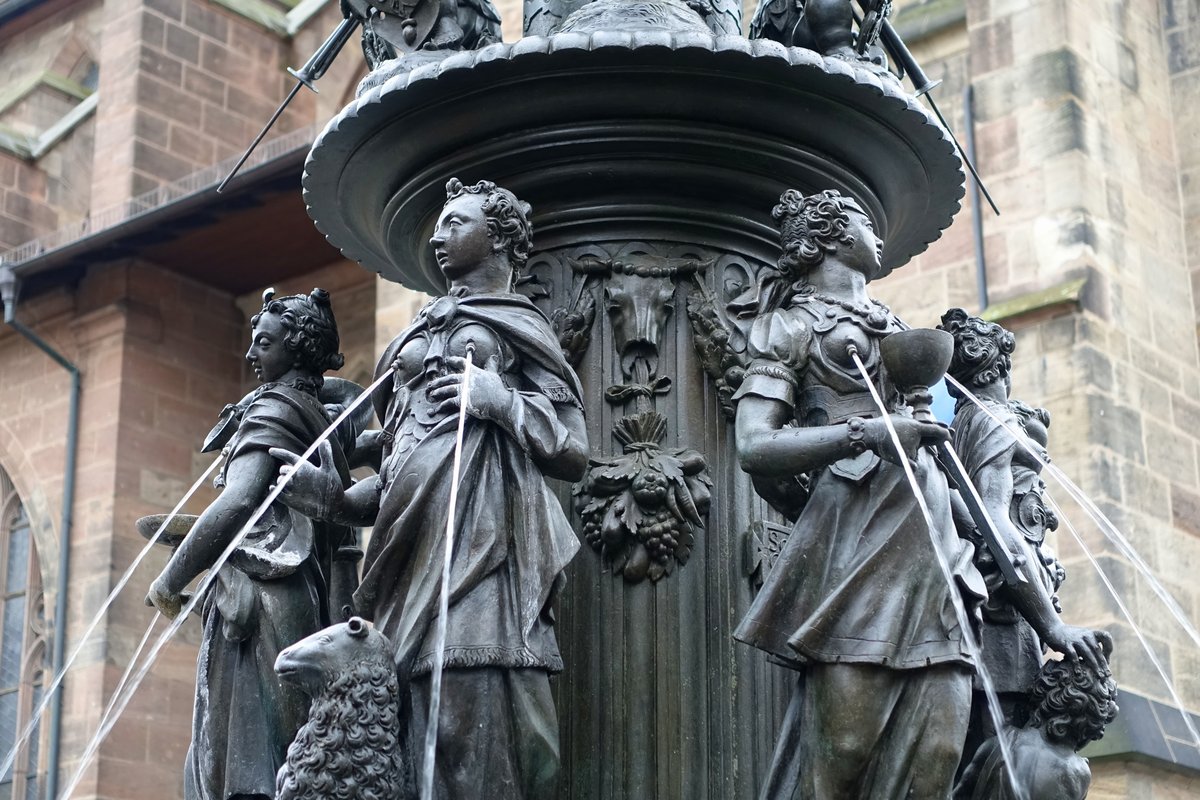
- Nuremberg Main Market Square (Hauptmarkt): Famous for its Christmas market and the Schöner Brunnen fountain.
- St. Sebaldus and St. Lorenz Churches: Exemplars of Gothic architecture.
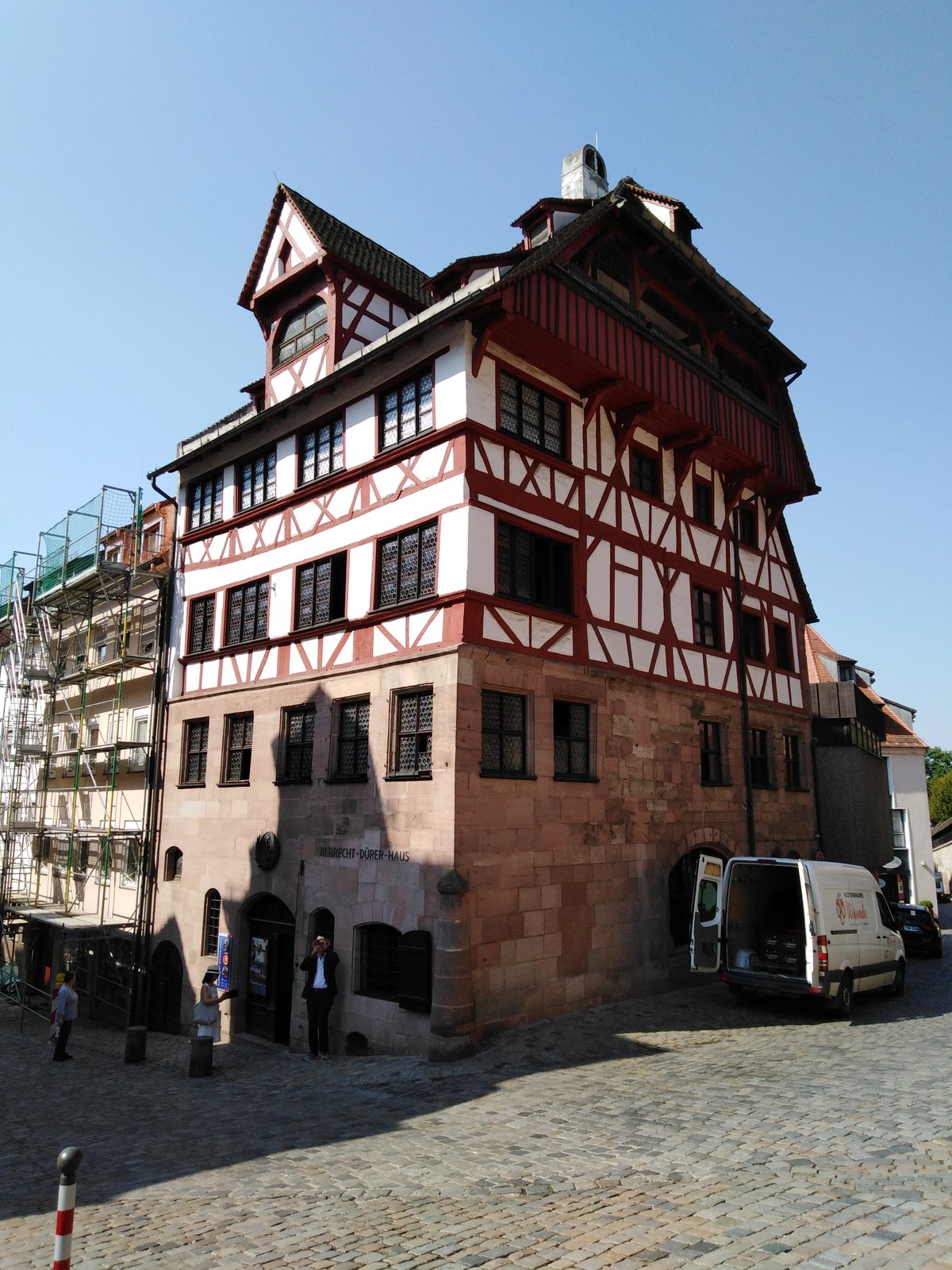
- Albrecht Dürer House: Museum dedicated to the Renaissance artist.
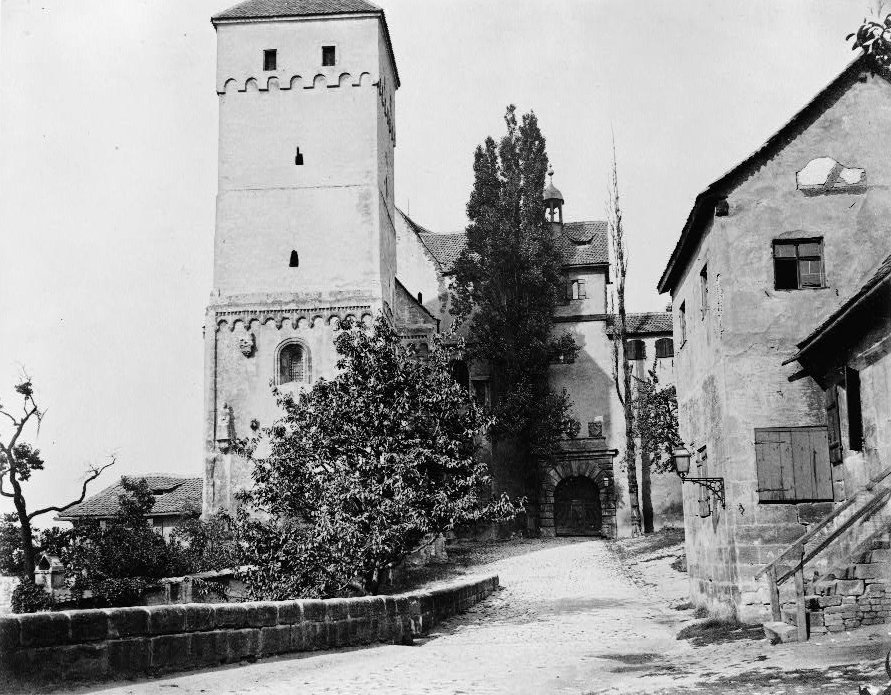
- Nuremberg Castle: Iconic medieval fortress with panoramic city views.
Combine your visit for a comprehensive experience of Nuremberg’s rich heritage.
8. Frequently Asked Questions (FAQ)
Q: What are the Heilig-Geist-Spital visiting hours?
A: The restaurant is open daily from 11:30 to 23:00. Courtyards are accessible during daylight hours; interior access is primarily for diners.
Q: Is there an entrance fee or ticket?
A: No fee for outdoor areas. Guided tours or special exhibitions may require a ticket.
Q: Are guided tours available?
A: Yes, through local tourism offices. Some tours include the exterior and church.
Q: Is the site wheelchair accessible?
A: The main areas are accessible; some historic parts may have limited access.
Q: Can I make reservations?
A: Yes, reservations are highly recommended—especially during busy seasons or holidays.
9. Visuals and Media


Tip: For optimal SEO, use descriptive alt text such as "Heilig-Geist-Spital visiting hours" and "Nuremberg historical sites".
Listen to the full story in the app
Your Personal Curator, in Your Pocket.
Audio guides for 1,100+ cities across 96 countries. History, stories, and local insight — offline ready.
Audiala App
Available on iOS & Android
Join 50k+ Curators
Sources
- verified
- verified
- verified
- verified
- verified
Last reviewed: