Introduction
The Deutsches Stadion in Nuremberg remains one of Europe’s most striking reminders of the Nazi regime’s architectural ambitions. Envisioned in the late 1930s as the largest stadium in the world, the structure was intended to symbolize the scale and permanence of the Third Reich. Though construction began, World War II halted progress, leaving only foundations and partially finished earthworks. Today, the site offers a space for reflection, education, and recreation, and is closely tied to Nuremberg’s broader historical landscape.
This guide provides a comprehensive overview of the Deutsches Stadion’s origins, architectural plans, and current state, while offering practical information for visitors—including opening hours, ticketing, accessibility, and tips for exploring related historical sites in Nuremberg. Whether you are a history enthusiast, architecture lover, or casual traveler, this guide will help you appreciate the significance of this site and plan your visit effectively and respectfully.
For official visitor information and historical context, consult the Nuremberg Tourism Office, the Documentation Center Nazi Party Rally Grounds, and in-depth features from Daily Mail, Rough Guides, and Traces of Evil.
Historical Background and Architectural Vision
Origins and Ambitions
The Deutsches Stadion was conceived as the central monument of the Nazi Party Rally Grounds (Reichsparteitagsgelände) in Nuremberg. Spearheaded by Adolf Hitler and his chief architect Albert Speer, the plan aimed to create the largest stadium in the world—capable of seating 400,000 spectators (Nuremberg Tourism Office, Daily Mail). The stadium was to serve as the venue for Nazi rallies and the so-called “Aryan Games,” envisioned as a Nazi alternative to the Olympic Games (Atlas Obscura).
Architectural Design and Symbolism
Albert Speer’s design drew inspiration from ancient Greek and Roman arenas, notably the Panathenaic Stadium in Athens. The planned structure featured a colossal horseshoe layout, measuring approximately 800 meters in length and 450 meters in width, with five tiers of seating and monumental arcades rising to 90 meters (Wikipedia). The stadium’s classical style was intended to evoke both democratic ideals and imperial power, blending propaganda with visual grandeur (Althistory Fandom).
Construction and Test Model
Construction began in September 1937, with Hitler laying the foundation stone. Before full-scale work commenced, a test grandstand was erected near Hirschbach to assess sightlines and seating arrangements. This full-scale model included five tiers and could hold up to 40,000 people—one-tenth of the planned stadium’s capacity. The test section’s concrete foundations remain visible and protected as a historical monument today (Atlas Obscura, Daily Mail).
Interruption and Abandonment
The outbreak of World War II in 1939 forced all construction to cease. Only the vast foundation pit—now known as the Silbersee (“Silver Lake”)—and the artificial hill Silberbuck, formed from displaced earth, remain. The original test stand near Hirschbach was dismantled by locals after the war, but its foundations are still preserved (Wikipedia, Unfinished Buildings).
The Site Today: What Remains
Silbersee and Silberbuck
The Silbersee, a lake formed in the unfinished construction pit, and the adjacent Silberbuck hill are the most visible legacies of the Deutsches Stadion project. Now part of the Volkspark Dutzendteich, they serve as recreational spaces for walking, cycling, and reflection (Wikipedia).
Versuchstribünenanlage (Test Grandstand)
The surviving foundations of the test grandstand near Hirschbach can be visited year-round. This site is an important historical point of reference and is under monument protection (Wikipedia).
Integration into Modern Nuremberg
The area is now a vibrant parkland, hosting events, festivals, and concerts. The transformation from a symbol of totalitarian ambition to a community green space illustrates how Nuremberg has repurposed its difficult heritage (Save The Core, Songkick).
Visiting Hours, Ticketing, and Accessibility
General Access
- Hours: The Deutsches Stadion site, including Silbersee and Silberbuck, is open year-round from dawn until dusk.
- Admission: Entry is free; no tickets are required for the outdoor areas.
- Location: Volkspark Dutzendteich, southern Nuremberg. For navigation: Silbersee, 90478 Nürnberg, Germany.
- Public Transport: Easily accessed via S-Bahn or tram to Dutzendteich station; a short walk to the site (VGN Public Transport).
Facilities and Accessibility
- Paths: Most walking paths are accessible for wheelchairs and strollers; some areas around Silberbuck may be steep.
- Restrooms/Cafes: Facilities are available near the Documentation Center and Dutzendteich station.
- Parking: Public parking at Max-Morlock-Stadion (check for closures during major events).
- Pets: Allowed but must be kept on a leash.
Educational Visits and Guided Tours
- Documentation Center Nazi Party Rally Grounds: Located in the nearby Congress Hall, this museum offers exhibitions and guided tours about the Nazi era, the rally grounds, and the stadium’s intended role (Documentation Center Nazi Party Rally Grounds).
- Guided Tours: Tours can be booked in advance, especially during peak tourist seasons. Some include walks to the stadium site and test grandstand (Documentation Center Guided Tours).
Nearby Historical Sites and Attractions
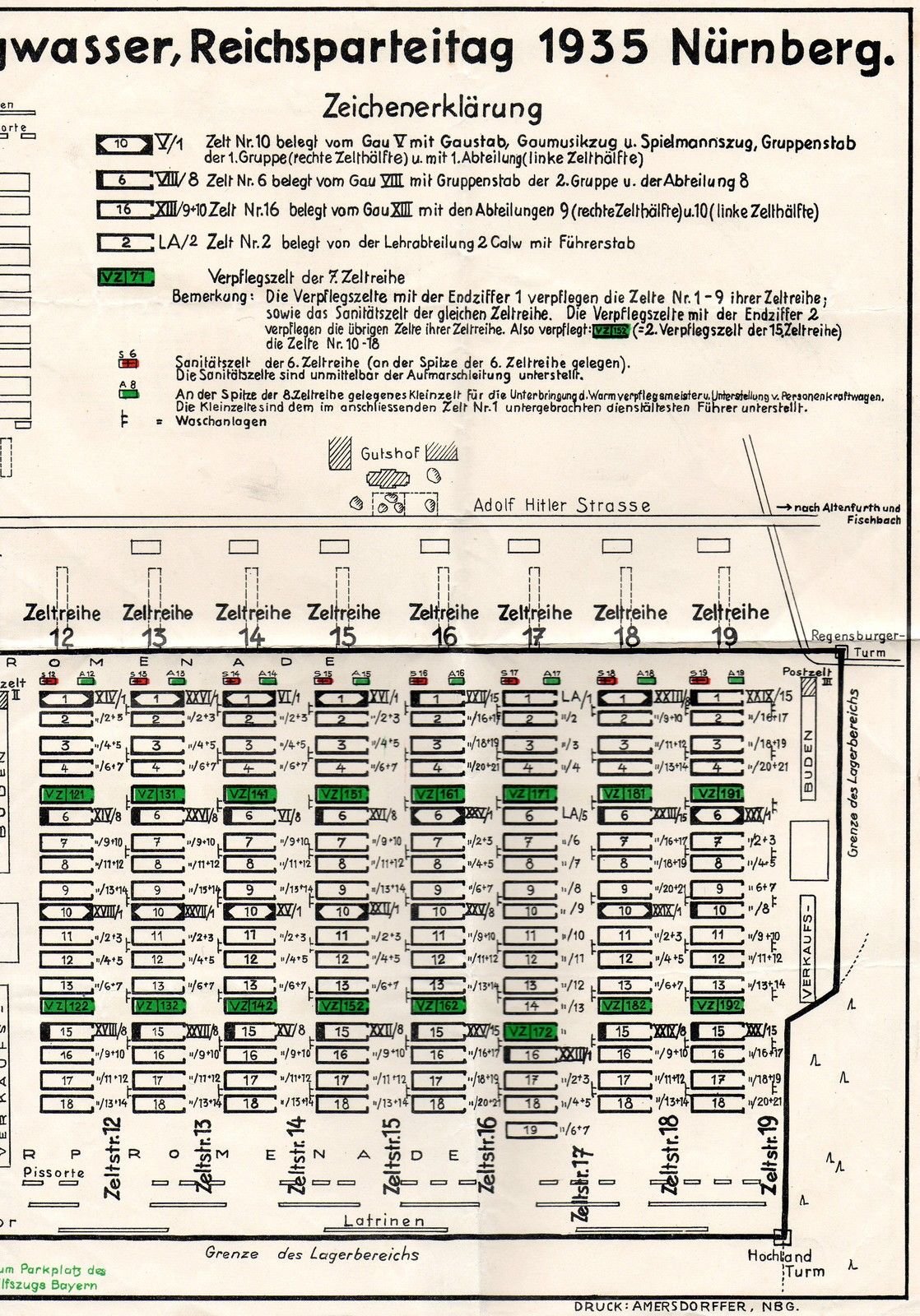
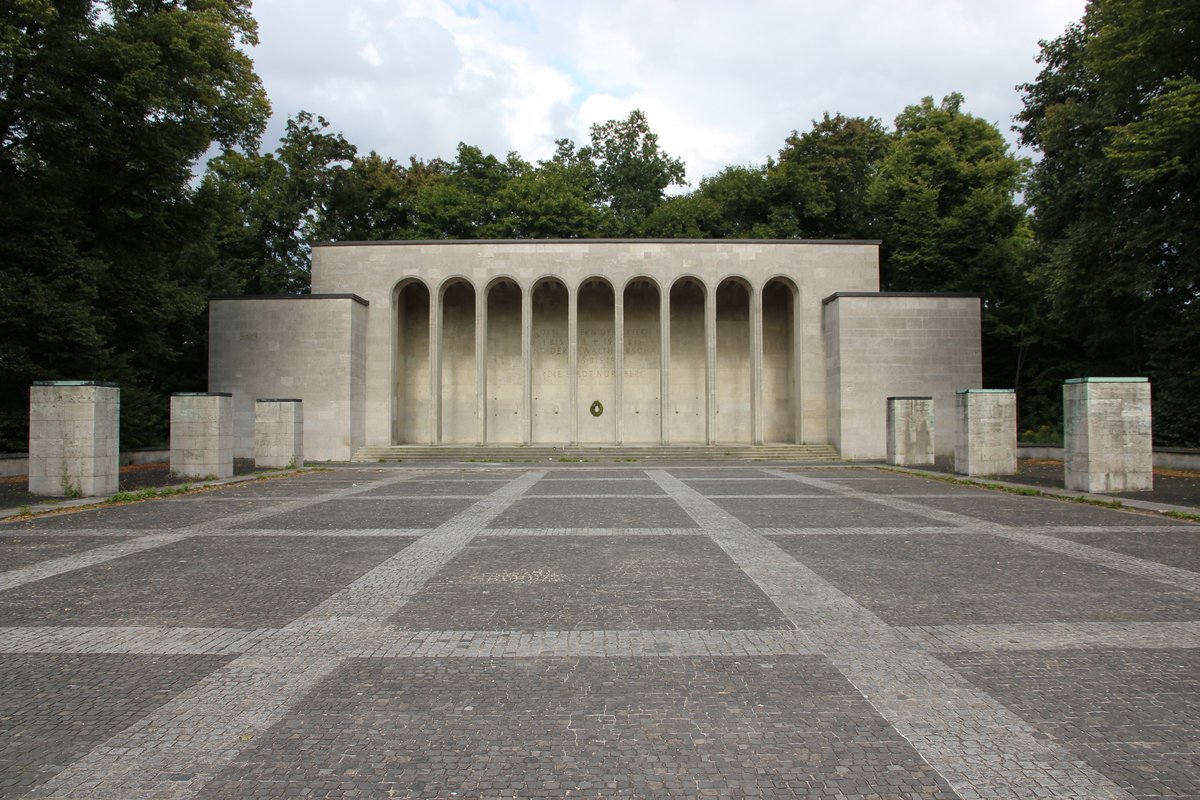
- Nazi Party Rally Grounds: Includes the Zeppelinfeld, Congress Hall (Kongresshalle), and Great Street.
- Documentation Center Nazi Party Rally Grounds: Essential for historical context and education.
- Max-Morlock-Stadion: A historic and still active sports venue (FCN.de).
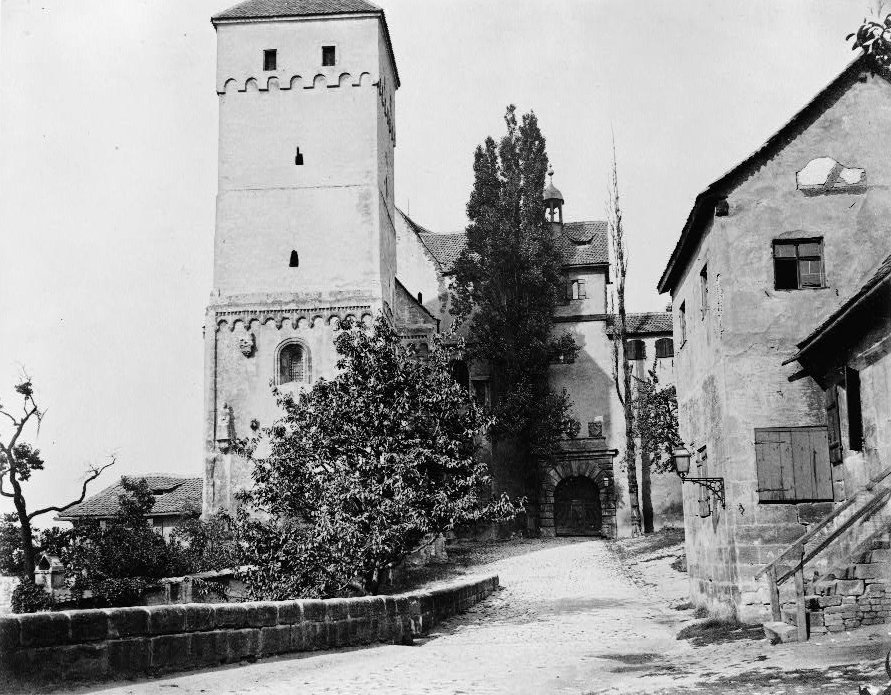
- Nuremberg Castle: Medieval fortress with panoramic city views.
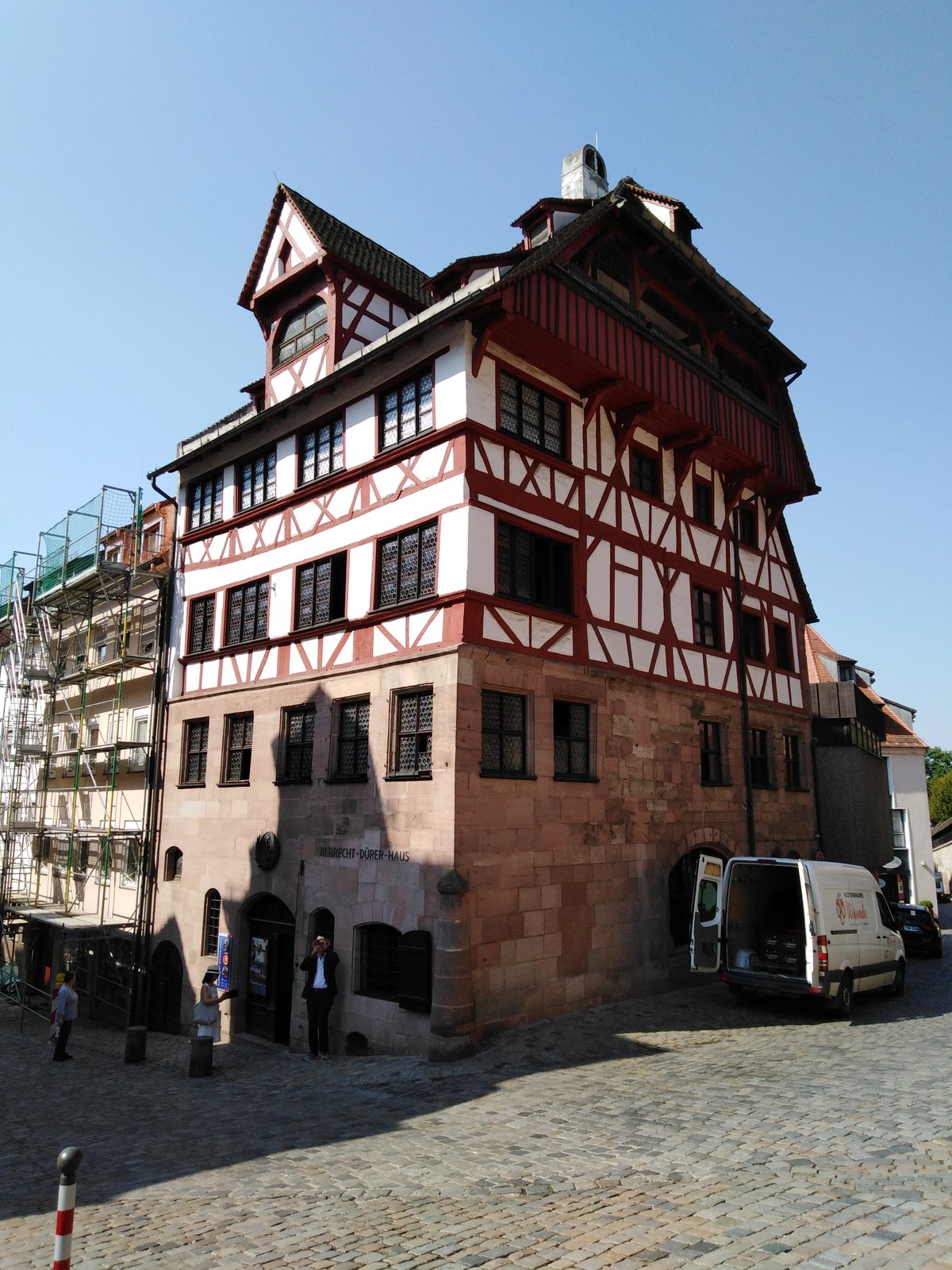
- Albrecht Dürer House: Museum dedicated to the Renaissance artist.
- Old Town (Altstadt): Offers traditional Bavarian culture, museums, and restaurants.
- Events: Look for concerts and festivals at Stadionpark Nürnberg (Songkick), and check the Nürnberg Events Calendar.
FAQ
What are the Deutsches Stadion visiting hours?
Open year-round, dawn to dusk; no entrance fee.
Are tickets required to visit?
No, the outdoor site is free. Tickets are needed for the Documentation Center and guided tours.
Is the site accessible for people with disabilities?
Main paths are accessible; some slopes around Silberbuck may be challenging.
How do I reach the site using public transport?
Take S-Bahn or tram to Dutzendteich station.
Are guided tours available?
Yes, through the Documentation Center. Book ahead for popular times.
Is swimming allowed in Silbersee?
Not recommended due to water quality and safety.
Can I bring my pet?
Yes, but keep pets leashed and under control.
Listen to the full story in the app
Your Personal Curator, in Your Pocket.
Audio guides for 1,100+ cities across 96 countries. History, stories, and local insight — offline ready.
Audiala App
Available on iOS & Android
Join 50k+ Curators
Sources
- verified
- verified
- verified
- verified
- verified
- verified
- verified
- verified
- verified
- verified
- verified
Last reviewed: