Introduction to S.P.Q.N. Denkmal in Nuremberg
Located in the heart of Nuremberg, Germany, the S.P.Q.N. Denkmal is a prominent symbol of the city’s historical legacy and civic identity. Reflecting the spirit of the Roman emblem "SPQR," the S.P.Q.N. acronym—"Senatus Populusque Norimbergensis"—emphasizes Nuremberg’s proud tradition as a Free Imperial City. This neoclassical obelisk, crowned by a war eagle, stands as a testament to the city's resilience, governance, and cultural vibrance. Its commanding presence in the Mitte district makes it a focal point for exploration and reflection, connecting visitors to Nuremberg’s evolution from the Middle Ages through to its modern renaissance (evendo.com; world-guides.com).
As a freely accessible public monument, the S.P.Q.N. Denkmal welcomes visitors year-round, serving as a gateway to nearby attractions such as the Nuremberg Castle, Albrecht Dürer House, and the Hauptmarkt. The monument also plays a dynamic role in educational and commemorative events, bridging the city’s past with its contemporary culture (travelawaits.com; planetware.com).
This guide provides a detailed overview of the S.P.Q.N. Denkmal—its history, architectural features, visiting logistics, surrounding attractions, and visitor tips. Whether you are a cultural traveler, history lover, or local resident, this resource equips you to experience one of Nuremberg’s most significant monuments.
Historical Origins and Civic Context
The S.P.Q.N. Denkmal draws its name and inspiration from the Roman "Senatus Populusque Romanus" (SPQR), adapted here as "Senatus Populusque Norimbergensis" to honor the senate and people of Nuremberg. This allusion underscores the city’s centuries-long autonomy as a Free Imperial City within the Holy Roman Empire, renowned for its governance, culture, and trade prominence from the 11th century onward (evendo.com). The Denkmal commemorates Nuremberg’s rich civic traditions and its journey through prosperity, adversity, and renewal (world-guides.com).
Architectural Features and Symbolism
The S.P.Q.N. Denkmal is a neoclassical obelisk, constructed from finely worked stone and crowned by a detailed cast-metal war eagle. The eagle, a powerful symbol in both Roman and German heraldry, signifies vigilance, authority, and resilience—qualities deeply embedded in Nuremberg’s urban identity (evendo.com). The monument’s clean lines and verticality evoke aspiration and remembrance, while any inscriptions or reliefs at its base serve to reinforce its commemorative function.
This blend of historical reference, artistic detail, and symbolic depth makes the S.P.Q.N. Denkmal not only a striking piece of public art but also a vessel for collective memory.
Visiting the S.P.Q.N. Denkmal: Hours, Tickets, and Accessibility
- Hours: The S.P.Q.N. Denkmal is outdoors and accessible 24/7, with no admission fee.
- Tickets: No tickets are required; the site is freely accessible.
- Accessibility: The monument sits in a pedestrian-friendly area. While the surrounding Old Town streets are cobblestoned, the site is generally accessible to visitors with mobility aids or strollers. Nearby public transportation options make it easy to reach from anywhere in Nuremberg.
For those interested in a deeper historical context, several local walking tours include the S.P.Q.N. Denkmal as a highlight. These can be booked online or at local tourist centers.
Location and Nearby Attractions
Situated in Nuremberg’s Mitte district, the S.P.Q.N. Denkmal is ideally placed for city exploration. It is a short walk from:
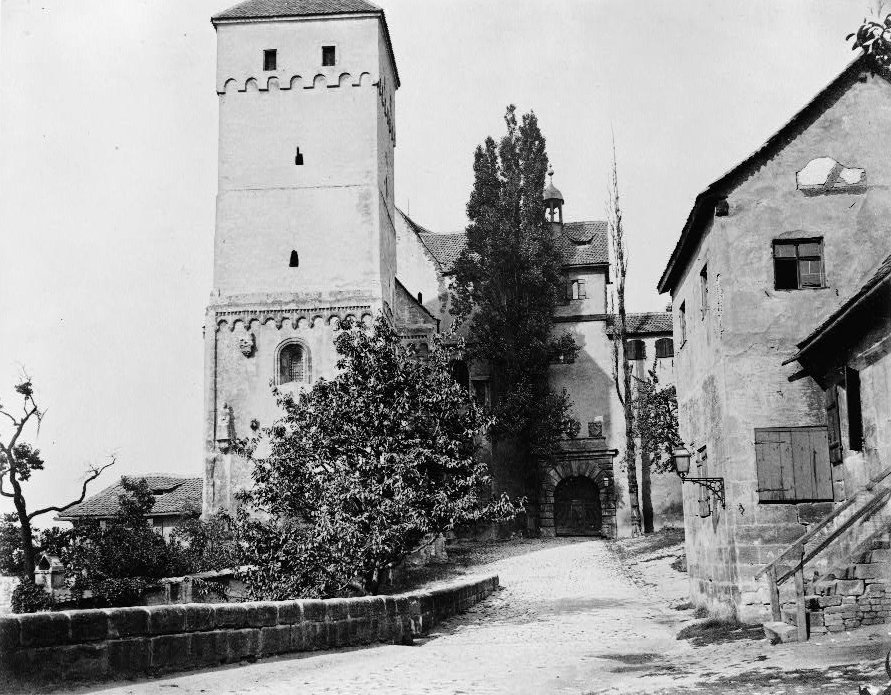
- Nuremberg Castle: An iconic medieval fortress with panoramic city views.
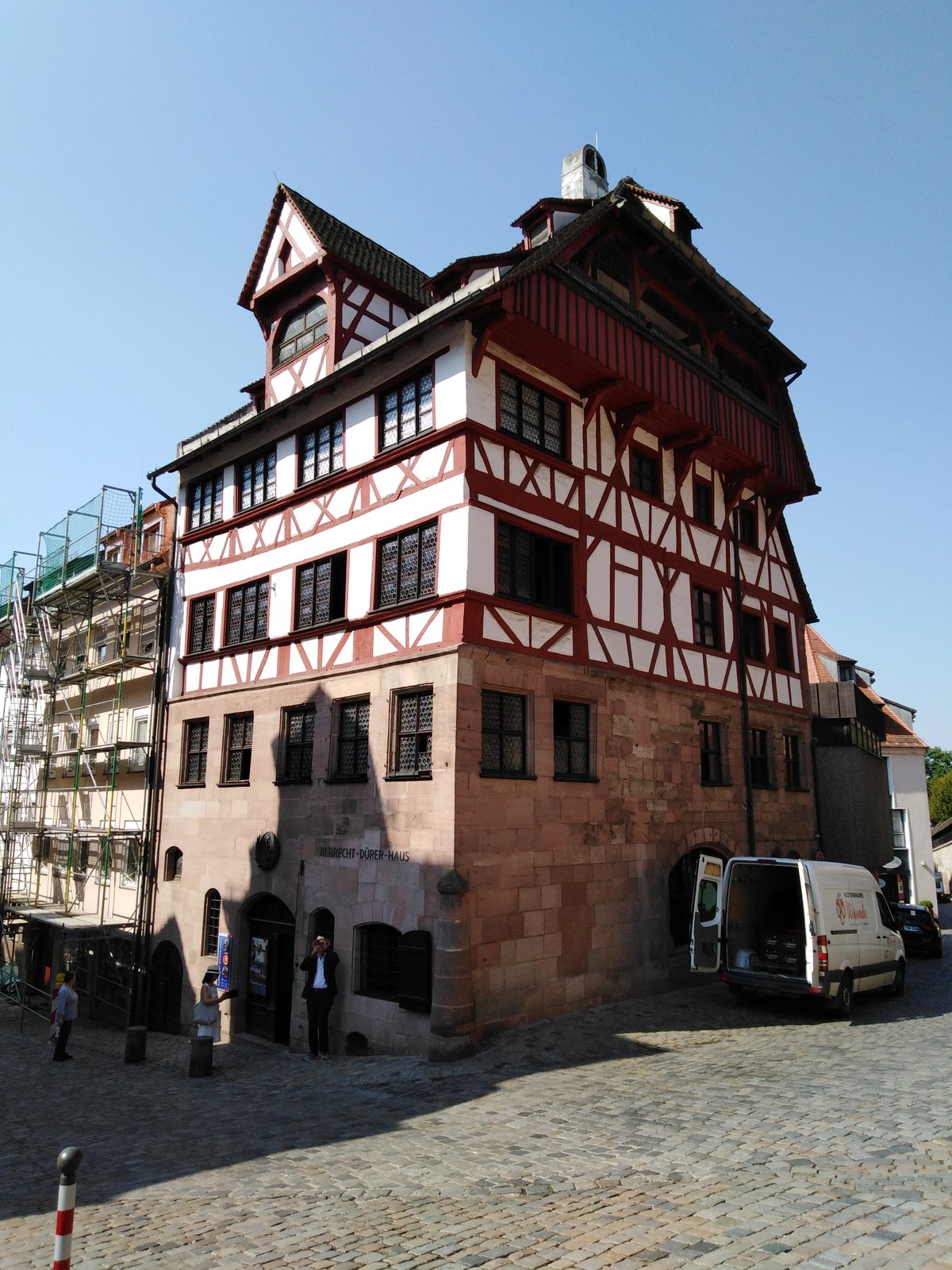
- Albrecht Dürer House: The Renaissance artist’s preserved home and museum.
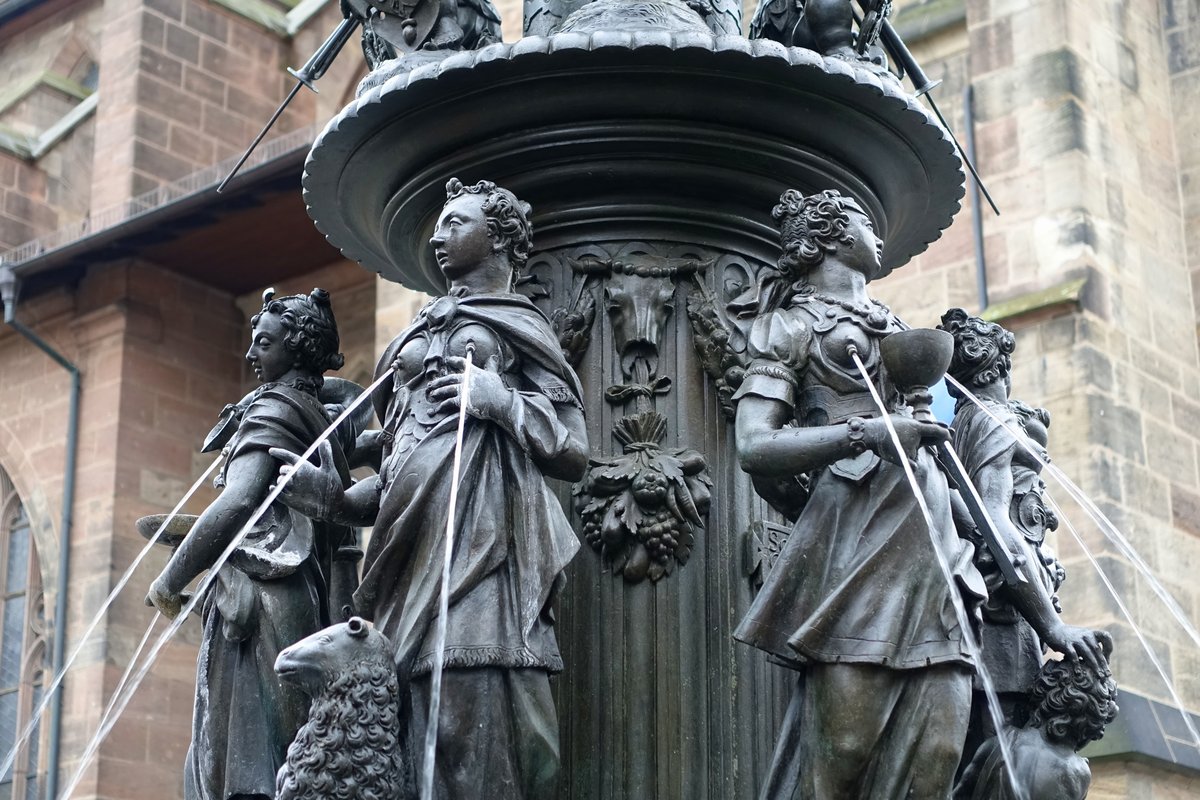
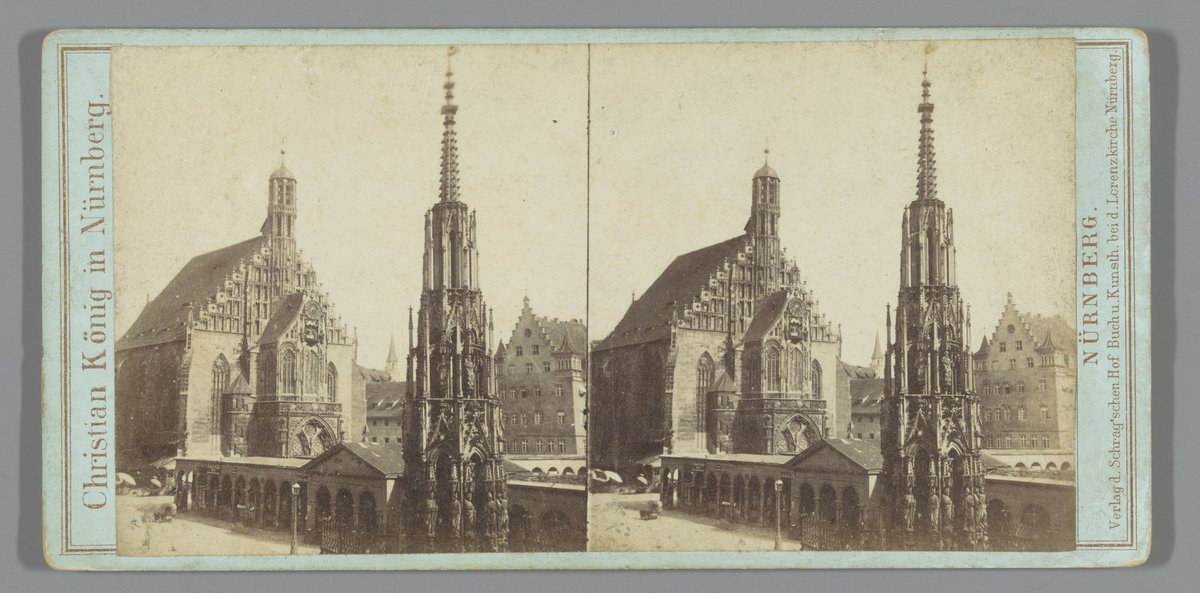
- Hauptmarkt: The central square, famous for its vibrant markets and the Beautiful Fountain.
Additional nearby attractions include the Way of Human Rights, the Germanisches Nationalmuseum, and charming Old Town streets filled with shops and cafes (travelawaits.com).
Cultural and Educational Value
The Denkmal serves as an anchor for educational tours and local school groups, offering a tangible entry point into discussions about Nuremberg’s role in European history—from its days as a free city and imperial seat to its cultural renaissance and postwar reconstruction (planetware.com). It is frequently incorporated into city festivals, remembrance events, and heritage programs, connecting the city’s past to its living present.
Restoration and Preservation Efforts
Following extensive wartime damage, Nuremberg has prioritized the conservation of its historical monuments. The S.P.Q.N. Denkmal benefits from ongoing restoration initiatives led by municipal authorities and heritage organizations, ensuring its preservation for future generations (cityplanet.org; tag-des-offenen-denkmals.de).
Role in Contemporary Nuremberg
Today, the S.P.Q.N. Denkmal is both a meeting point and a site for community gatherings. Its central location and iconic design make it a popular spot for photography, reflection, and city events. The monument remains a living symbol of Nuremberg’s ability to honor its past while embracing the future (travelawaits.com).
Frequently Asked Questions (FAQ)
Q: What are the S.P.Q.N. Denkmal visiting hours?
A: The monument is accessible at all times as it is located in a public space.
Q: Is there an entry fee or ticket required?
A: No, visiting the S.P.Q.N. Denkmal is free of charge.
Q: Is the area wheelchair accessible?
A: The monument is in a pedestrian zone; while cobblestones are present, the area is generally accessible.
Q: Are guided tours available?
A: Yes, many city walking tours include the S.P.Q.N. Denkmal; check with local tour operators or the tourist information center.
Q: What nearby attractions should I visit?
A: Consider the Nuremberg Castle, Albrecht Dürer House, Hauptmarkt, and the Way of Human Rights.
Summary & Visit Tips for S.P.Q.N. Denkmal
The S.P.Q.N. Denkmal stands as an enduring symbol of Nuremberg’s civic identity and historical journey. Its neoclassical obelisk and war eagle sculpture eloquently represent resilience, vigilance, and communal pride. Easily accessible and free to the public, the monument is an ideal starting point for exploring the city’s historic core and nearby sites (evendo.com).
Ongoing preservation efforts and the Denkmal’s integration into community life highlight Nuremberg’s dedication to its heritage. To enrich your visit, consider joining a guided tour or using digital resources and mobile apps for deeper insights. Stay updated with the latest information and events through official tourism channels and social media (cityplanet.org; tag-des-offenen-denkmals.de; travelawaits.com; planetware.com).
Listen to the full story in the app
Your Personal Curator, in Your Pocket.
Audio guides for 1,100+ cities across 96 countries. History, stories, and local insight — offline ready.
Audiala App
Available on iOS & Android
Join 50k+ Curators
Sources
-
verified
Exploring the S.P.Q.N
Denkmal: History, Visitor Information, and Nuremberg’s Historic Treasures, 2025, Evendo
- verified
- verified
- verified
- verified
- verified
Last reviewed: