Plan and listen to Wolfgang Borchert Theater with Audiala.
Audio guide in your pocket, itinerary in your browser. Built for the way you actually visit.
Introduction to Stadthafen, Münster
Stadthafen, Münster, located in the North Rhine-Westphalia region of Germany, is a testament to the city's adaptability and vision in transforming an industrial hub into a vibrant cultural and recreational district. Officially opened in 1899 to support the burgeoning industries in the region, Stadthafen played a critical role during the industrialization period by facilitating the transportation of goods, particularly through its strategic location along the Dortmund-Ems Canal (source). Over the decades, the port evolved from an essential trade hub to a cultural hotspot, reflecting the dynamic history and spirit of Münster. Today, Stadthafen is not just a relic of the past but a lively area that attracts locals and tourists alike, offering a unique blend of historical architecture, modern amenities, and diverse recreational activities. From the Kreativkai (Creative Quay) that opened in 2004 to the scenic Hafenweg promenade, Stadthafen stands as a model of successful urban regeneration (source). This guide aims to provide a comprehensive overview of Stadthafen’s history, its transformation, and practical tips for visitors, ensuring an enriching experience in one of Münster’s most dynamic areas.

Exploring Stadthafen, Münster - A Historical and Cultural Gem
Early Development and Industrial Era
Stadthafen, Münster, located in the North Rhine-Westphalia region of Germany, has a rich history that dates back to the late 19th century. The port was officially opened in 1899, marking a significant milestone in Münster's industrial development. The construction of the port was driven by the need to facilitate the transportation of goods and raw materials, particularly coal and building materials, which were essential for the burgeoning industries in the region.
The port's strategic location along the Dortmund-Ems Canal, which connects the Ruhr area with the North Sea, made it a vital hub for trade and commerce. The canal itself was completed in 1899, coinciding with the opening of Stadthafen, and played a crucial role in enhancing the port's accessibility and utility. The canal allowed for the efficient movement of goods between the industrial heartland of Germany and international markets, thereby boosting Münster's economic growth.
World War II and Post-War Reconstruction
During World War II, Stadthafen, like many other industrial sites in Germany, suffered significant damage due to Allied bombing raids. The port's infrastructure was heavily targeted because of its strategic importance in the transportation of military supplies and industrial goods. The destruction of the port facilities and the surrounding industrial areas had a profound impact on Münster's economy.
In the post-war period, efforts were made to rebuild and modernize Stadthafen. The reconstruction process was slow and challenging, given the extensive damage and the economic hardships faced by the country. However, by the 1950s, the port had been largely restored, and new facilities were added to accommodate the changing needs of the industrial sector. The introduction of modern cargo handling equipment and improved transportation links helped to revitalize the port and restore its significance as a key economic asset for Münster.
Transition to a Cultural and Recreational Hub
The latter half of the 20th century saw a gradual decline in the industrial use of Stadthafen. Changes in the global economy, advancements in transportation technology, and shifts in industrial production patterns led to a decrease in the volume of goods handled at the port. By the 1980s, many of the traditional industries that had relied on the port had either closed down or relocated, leaving large areas of the port underutilized.
In response to these changes, the city of Münster embarked on an ambitious redevelopment project aimed at transforming Stadthafen into a vibrant cultural and recreational district. The redevelopment plan, which began in the late 1990s, focused on repurposing the old industrial buildings and warehouses into modern spaces for arts, entertainment, and leisure activities.
One of the key milestones in this transformation was the opening of the Kreativkai (Creative Quay) in 2004. The Kreativkai became a focal point for the city's creative industries, housing art galleries, design studios, media companies, and cultural institutions. The area also saw the development of trendy cafes, restaurants, and bars, making it a popular destination for both locals and tourists.
Modern-Day Significance
Today, Stadthafen is a thriving cultural and recreational hub that attracts visitors from all over the world. The port area is home to a diverse range of attractions and activities, reflecting its rich history and dynamic present. The Hafenplatz, a central square in the port, hosts numerous events and festivals throughout the year, including open-air concerts, food markets, and art exhibitions.
The Hafenweg, a scenic promenade along the waterfront, offers stunning views of the port and the surrounding cityscape. The promenade is lined with public art installations, green spaces, and seating areas, providing a relaxing environment for visitors to enjoy.
In addition to its cultural and recreational offerings, Stadthafen continues to play a role in Münster's economy. The port still handles a modest volume of cargo, primarily serving local businesses and industries. The presence of modern logistics facilities and transportation links ensures that Stadthafen remains an important part of the city's infrastructure.
Architectural and Historical Landmarks
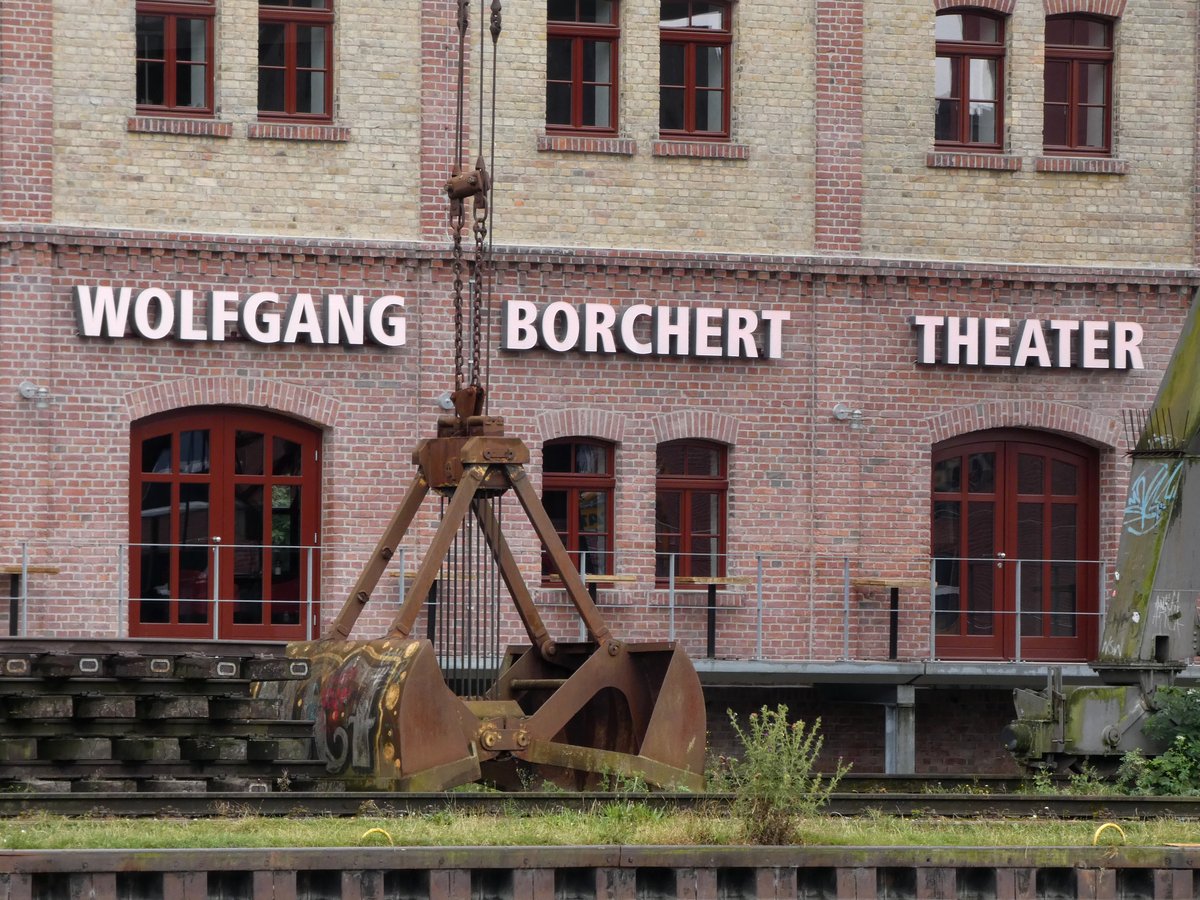
Stadthafen is home to several architectural and historical landmarks that reflect its industrial heritage and contemporary transformation. One notable landmark is the Speicherstadt, a complex of historic warehouses that have been repurposed for modern use. The warehouses, with their distinctive red-brick facades and intricate detailing, are a testament to the port's industrial past and its adaptive reuse in the present.
Another significant landmark is the Hafenamt (Harbor Office), an elegant building that once served as the administrative center for the port. The Hafenamt, with its neoclassical architecture and ornate interiors, now houses cultural and community events, adding to the area's vibrant atmosphere.
Visitor Information
For tourists planning to visit Stadthafen, there are several tips to ensure a memorable experience:
- Transportation: Stadthafen is easily accessible by public transportation, with several bus and tram lines serving the area. Visitors can also rent bicycles to explore the port and the surrounding city.
- Accommodation: There are numerous accommodation options near Stadthafen, ranging from budget-friendly hostels to luxury hotels. Booking in advance is recommended, especially during peak tourist seasons.
- Dining: The port area boasts a wide variety of dining options, from casual cafes to fine dining restaurants. Visitors can enjoy local specialties as well as international cuisine.
- Events: Checking the local event calendar is advisable, as Stadthafen hosts numerous cultural and recreational events throughout the year. Participating in these events can enhance the overall experience of visiting the port.
- Visiting Hours and Tickets: Stadthafen is open to the public year-round, though specific attractions and venues may have varying hours and may require tickets. It’s advisable to check official websites for up-to-date information on visiting hours and ticket prices.
- Guided Tours: For a more in-depth exploration, guided tours are available and can provide valuable insights into the history and redevelopment of Stadthafen.
- Photographic Spots: The scenic Hafenweg and historic Speicherstadt offer excellent photo opportunities, capturing the blend of industrial heritage and modern culture.
FAQ
-
What are the visiting hours for Stadthafen? Stadthafen is generally open to the public at all times, though specific attractions may have their own visiting hours.
-
Are there guided tours available at Stadthafen? Yes, guided tours are available and offer a deep dive into the history and redevelopment of the port area.
-
How can I get to Stadthafen? Stadthafen is easily accessible by public transportation, including buses and trams, and is also bike-friendly.
Stadthafen, Münster, with its rich history and dynamic present, offers a unique blend of cultural, recreational, and historical experiences. Whether exploring its architectural landmarks, enjoying its vibrant arts scene, or simply relaxing by the waterfront, visitors are sure to find something that captivates their interest.
Listen to the full story in the app
The whole Wolfgang Borchert Theater,
told well.
Audio guides for 1,100+ cities across 96 countries. History, stories, and local insight — offline ready.
Verified, and shown.
Researched and written by the Audiala editorial team from historical records, architectural archives, and local expertise.
Researched from Wikidata, Wikipedia & official sources · fact-checked · How we make our guides →