Introduction
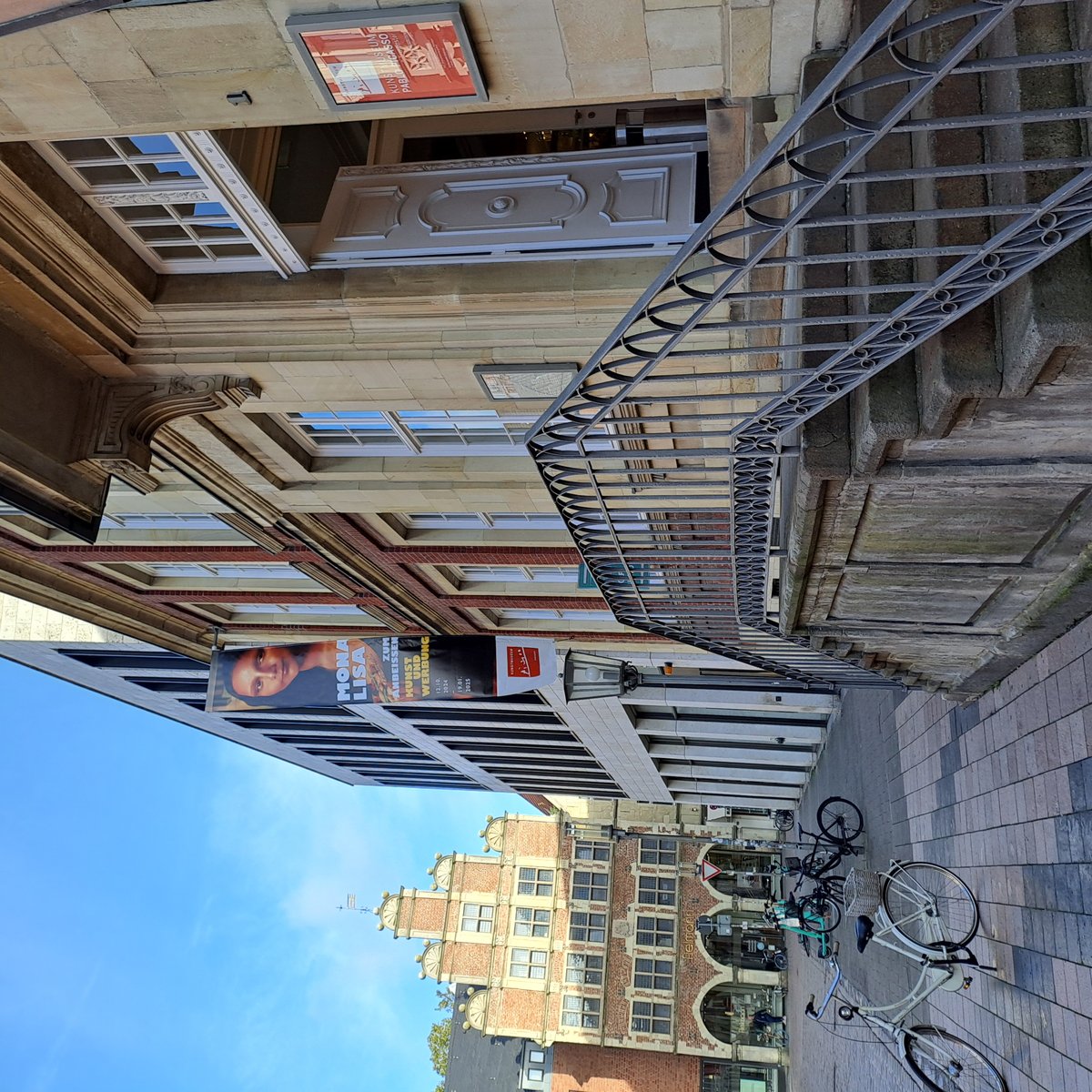
The Franz von Fürstenberg Memorial in Münster, Germany, stands as a testament to the city’s Enlightenment legacy and educational progress. Erected to honor Franz Friedrich Wilhelm von Fürstenberg (1729–1810)—a transformative statesman, educator, and reformer—the memorial is both a point of reflection and a gateway to Münster’s rich array of historical sites. This guide provides detailed information on the memorial’s history, visiting logistics, accessibility, and its place within the broader cultural landscape of Münster.
- Historical Background: Franz von Fürstenberg
- The Fürstenberg Memorial: Location and Design
- Visiting Information
- Nearby Attractions and Suggested Itineraries
- Cultural Events and Community Engagement
- Frequently Asked Questions (FAQ)
- Tips for Travelers
- Conclusion and Call to Action
- References and Resources
Historical Background: Franz von Fürstenberg
Early Life and Education
Born into the Westphalian nobility in 1729, Franz von Fürstenberg benefited from a privileged education, studying law, philosophy, and theology in Cologne, Salzburg, and Rome. His academic grounding prepared him for a life devoted to public service and reform (Encyclopedia.com).
Political and Religious Leadership
Fürstenberg quickly rose through ecclesiastical ranks, holding positions as canon in Münster and Paderborn and serving as a diplomat during the Seven Years’ War. In 1762, he became privy councillor and later vicar-general, overseeing both the spiritual and secular administration of Münster (New Advent).
Enlightenment Reforms and Legacy
A true Enlightenment reformer, Fürstenberg modernized Münster’s education system, founding the University of Münster in 1780 and introducing German-language instruction, scientific subjects, and teacher training curricula. He also advanced agricultural reforms and economic recovery post-war, leaving a legacy still evident in Münster’s educational landscape (University of Münster News).
The Fürstenberg Memorial: Location and Design
Artistic Features and Symbolism
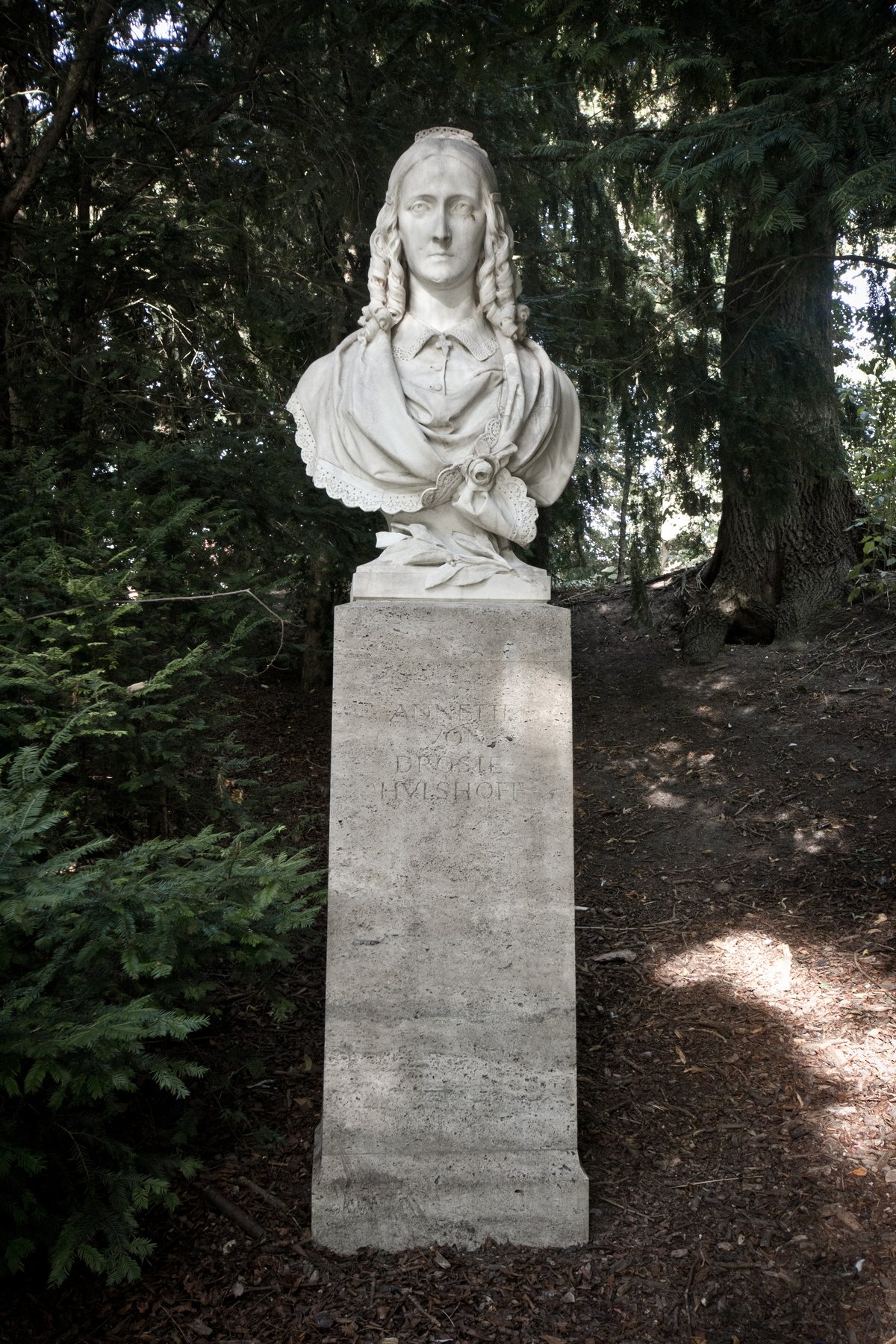
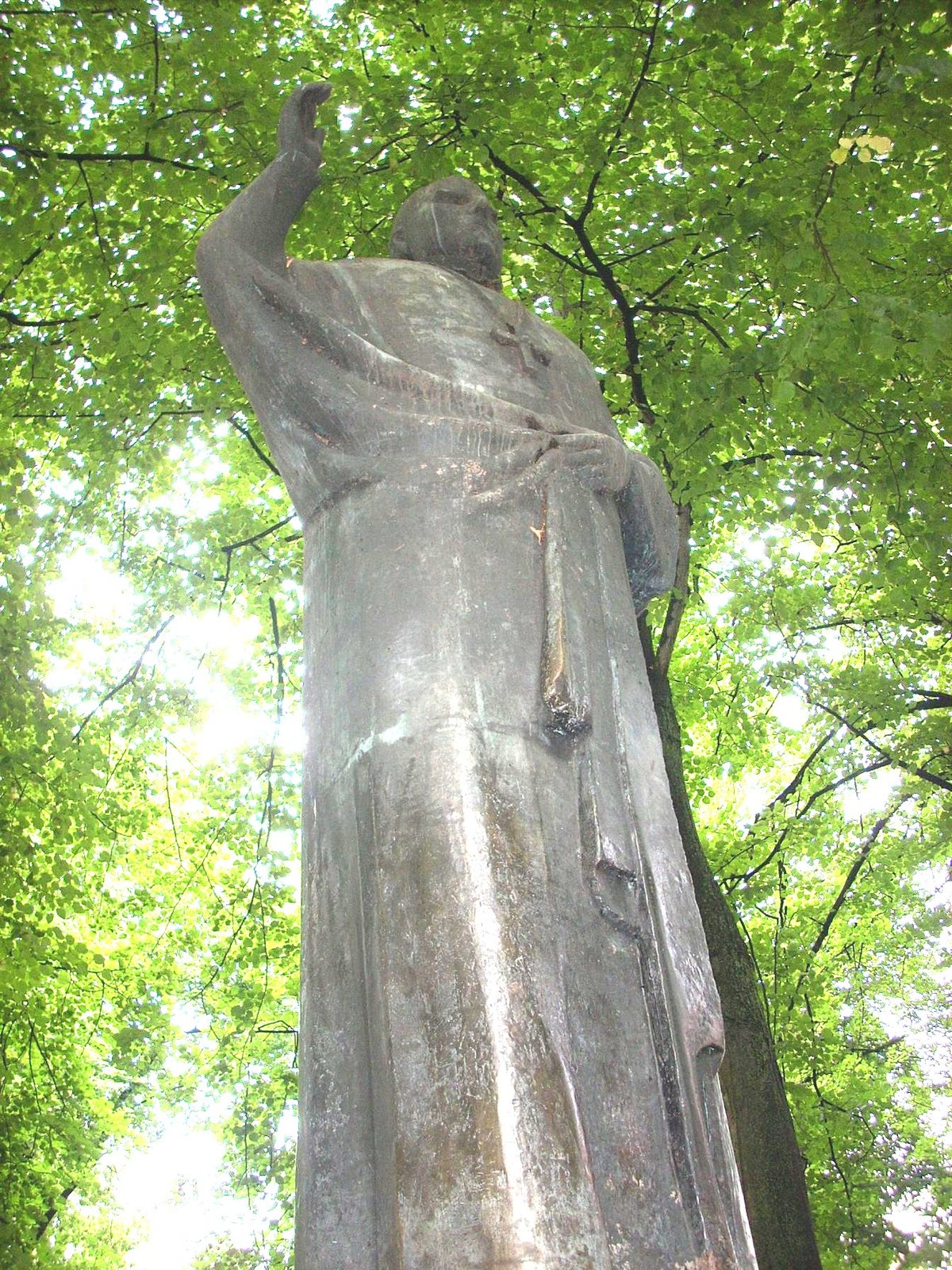
The Franz von Fürstenberg Memorial (Franz-von-Fürstenberg-Denkmal) is a neoclassical bronze statue, originally unveiled in 1875 and created by Heinrich Fleige. The monument depicts Fürstenberg in statesmanlike attire, conveying dignity and intellectual authority. It stands on a stone pedestal engraved with his name and dates, symbolizing honor, knowledge, and progressive ideals (Wikimedia Commons).
History of the Monument
Initially placed on Domplatz, the statue was relocated beside the Fürstenberghaus after World War II. Additional tributes include busts in the University of Münster and the University and State Library, underscoring Fürstenberg’s significance to the city (Museum Digital).
Visiting Information
Location and Directions
The memorial is centrally located beside the Fürstenberghaus, near Münster’s Domplatz. It is within easy walking distance from major attractions such as St. Paulus Cathedral, Prinzipalmarkt, and the University of Münster (geschichtskulturkuratieren.wordpress.com).
Opening Hours and Admission
- Hours: The memorial is outdoors and accessible 24/7, all year round.
- Admission: Free; no tickets are required.
Accessibility and Visitor Services
- Wheelchair accessible: Paved walkways and ramps.
- Public transport: Multiple bus lines and proximity to Münster Hauptbahnhof (main train station).
- Bicycle parking: Ample facilities, reflecting Münster’s cycling culture.
- Facilities: Public restrooms and benches nearby.
Guided Tours
While the memorial itself does not offer dedicated guided tours, it is featured in many city walking and cycling tours. Local tourism offices and the University of Münster frequently include it in their educational itineraries (muenster.city-map.de).
Photography
Photography is permitted and encouraged. The open space allows for excellent photo opportunities, especially with St. Paulus Cathedral as a backdrop. For digital sharing, use keywords like “Fürstenberg Memorial Münster” to enhance visibility.
Nearby Attractions and Suggested Itineraries
- St. Paulus Cathedral: Gothic masterpiece and Fürstenberg’s final resting place (wiki.muenster.org).
- Prinzipalmarkt: Historic marketplace with distinctive arcades.
- University of Münster: Main campus and Fürstenberg-Haus; home to the History Department (uni-muenster.de).
- LWL Museum: Art and cultural history adjacent to Domplatz.
- Promenade: Tree-lined cycling and walking path encircling the old city, established on Fürstenberg’s initiative (muenster.city-map.de).
Suggested Itinerary: Start at St. Paulus Cathedral, stroll through Prinzipalmarkt, visit the Fürstenberg Memorial, and explore the university or Promenade.
Cultural Events and Community Engagement
The memorial is a focal point during commemorations on Fürstenberg’s birthday (August 7) and death (September 16), featuring ceremonies and public lectures hosted by local academic and civic groups. It is also a meeting place for university students and a site for occasional city events.
Frequently Asked Questions (FAQ)
Q: Where is the Franz von Fürstenberg Memorial located?
A: Beside the Fürstenberghaus near Domplatz in Münster’s city center.
Q: Is there an admission fee?
A: No, it’s free and open to the public.
Q: What are the opening hours?
A: Accessible 24/7, year-round.
Q: Are guided tours available?
A: Yes, many city tours include the memorial as a stop.
Q: Is the site wheelchair accessible?
A: Yes, with paved, level surfaces and ramps.
Q: Are there other historical sites nearby?
A: Yes, including St. Paulus Cathedral, Prinzipalmarkt, and the University of Münster.
Tips for Travelers
- Best time to visit: Spring and summer offer pleasant weather; early mornings and late afternoons are quieter.
- Photography: Capture the memorial with the cathedral backdrop for the best images.
- Local cuisine: Sample Westphalian specialties at nearby cafés.
- Souvenirs: Find literature on Fürstenberg at local bookstores and museum shops.
- Etiquette: Be respectful; avoid climbing on the statue or pedestal.
Discover More
The Franz von Fürstenberg Memorial is more than a monument—it is a symbol of Münster’s enduring dedication to education, civic reform, and Enlightenment ideals. Freely accessible in the heart of the city, it offers visitors a meaningful starting point for exploring Münster’s rich historical landscape. Plan your visit, explore nearby attractions, and immerse yourself in the legacy of one of Germany’s most influential reformers. For more resources, download the Audiala app, follow us on social media, and consult the official tourism channels.
Listen to the full story in the app
Your Personal Curator, in Your Pocket.
Audio guides for 1,100+ cities across 96 countries. History, stories, and local insight — offline ready.
Audiala App
Available on iOS & Android
Join 50k+ Curators
Sources
- verified
- verified
- verified
- verified
- verified
Last reviewed: