Plan and listen to Erbdrostenhof with Audiala.
Audio guide in your pocket, itinerary in your browser. Built for the way you actually visit.
Introduction
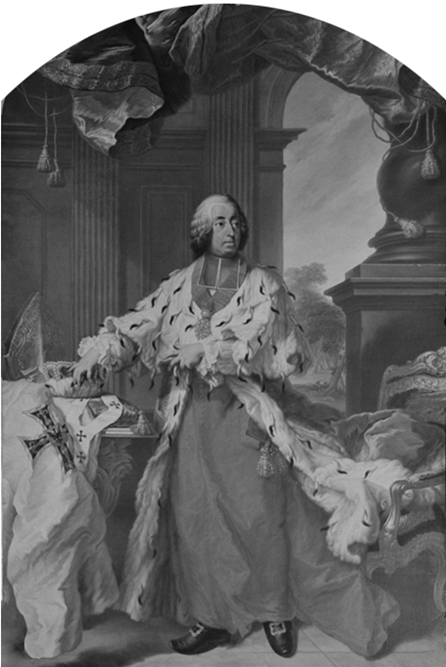
Visiting Münster, Germany, is an enriching experience, and one landmark that stands out is the Erbdrostenhof. This Baroque palace, designed by the renowned architect Johann Conrad Schlaun, offers a glimpse into the grandeur of 18th-century nobility. Built between 1753 and 1757, the Erbdrostenhof was commissioned by Adolf Heidenreich Freiherr Droste zu Vischering, the Erbdrost of Münster, and has since become a significant part of the city's architectural landscape (Wikipedia). The palace's detailed sculptures by Johann Christoph Manskirch and the restored frescoes by Nikolaus Loder further add to its artistic and historical value (Wikipedia). Today, it serves multiple purposes, including housing offices for the Landschaftsverband Westfalen-Lippe (LWL) and hosting public events, making it an accessible site for both locals and tourists (Muensterland). This guide provides comprehensive information on visiting Erbdrostenhof, including its historical background, visiting hours, ticket information, and nearby attractions, ensuring you make the most of your visit.
History of Erbdrostenhof
Architectural Genesis and Design
The Erbdrostenhof, a three-wing late Baroque palace, stands as a testament to the architectural prowess of Johann Conrad Schlaun. Commissioned by Adolf Heidenreich Freiherr Droste zu Vischering, the Erbdrost of Münster, its construction spanned from 1753 to 1757. Schlaun, a master of the Westphalian Baroque style, designed the palace to fit a rectangular plot of land, reflecting a high degree of representational ambition (Wikipedia).
Artistic Contributions
The artistic embellishments of the Erbdrostenhof were the work of several renowned artists of the time. Johann Christoph Manskirch was responsible for the intricate sculptures that adorn the building. Inside, the frescoes painted by Nikolaus Loder further enhanced the palace's grandeur. These frescoes were meticulously restored between 1965 and 1967 by Austrian restorer Paul Reckendorfer (Wikipedia).
Historical Significance
The Erbdrostenhof is not only an architectural marvel but also a site of historical importance. It is notably the birthplace of Blessed Mary of the Divine Heart, adding a layer of spiritual significance to its historical narrative (Wikipedia).
World War II and Reconstruction
The Erbdrostenhof, like much of Münster, was heavily damaged during the Allied bombing campaigns of World War II. The post-war period saw a concerted effort to restore the palace to its former glory. From 1953 to 1970, the Landschaftsverband Westfalen-Lippe (LWL) undertook the reconstruction of the Erbdrostenhof, adhering closely to Schlaun's original plans (Muensterland).
Modern Usage and Preservation
The Baroque Island
The Erbdrostenhof forms part of what is known as the 'Baroque Island' in Münster's city center, alongside the Clemens Church and the Dominican Church. This cluster of Baroque architecture offers a unique glimpse into the 18th-century Münster milieu. The palace's exterior was faithfully reconstructed after the war, and today it stands as a prominent feature of Münster's historical landscape (Stadt Münster).
Visitor Information
Visiting Hours and Tickets
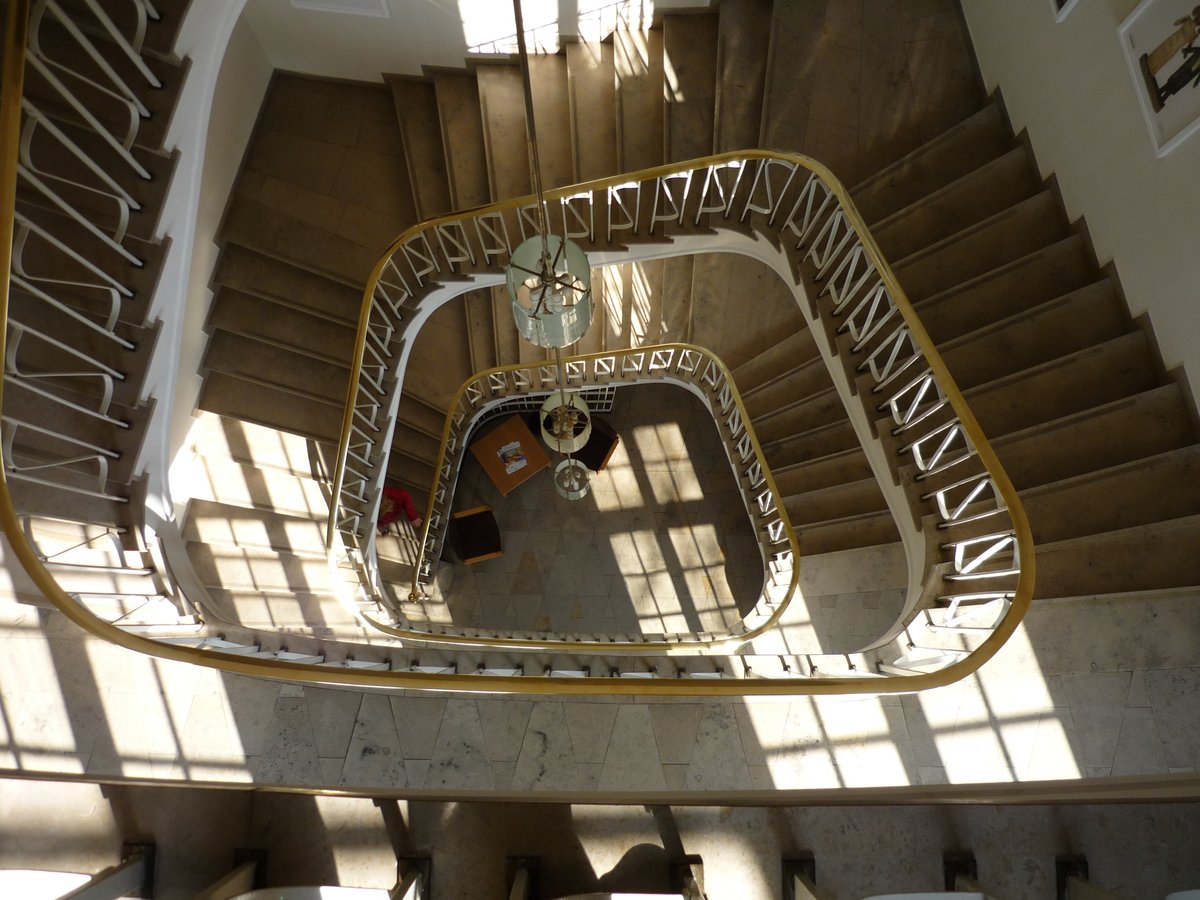
The Erbdrostenhof is primarily used for administrative purposes, but it remains accessible to the public under certain conditions. Visitors can explore the foyer free of charge during opening hours. Additionally, free public tours are available on 'Open Monument Day' and other pre-announced days (Muensterland). Check the official website for the most current information regarding visiting hours and ticket prices.
Special Events and Celebrations
The Erbdrostenhof has been the site of numerous notable events and celebrations throughout its history. Today, the banquet hall continues to serve as a venue for significant events. The 'Schauraum' campaign, held in late summer, is a particularly notable event during which the palace is beautifully illuminated, attracting numerous visitors (Muensterland).
Nearby Attractions and Accessibility
The Erbdrostenhof is conveniently located in Münster's city center, making it easily accessible by public transport or on foot. Nearby attractions include the Clemens Church, the Dominican Church, and various other historical sites and museums.
FAQ
What are the visiting hours for Erbdrostenhof?
Visiting hours for the Erbdrostenhof vary. Please check the official website for the most current information.
How much are tickets for Erbdrostenhof?
Entry to the foyer is free of charge. Guided tours on 'Open Monument Day' are also free. For other events, please refer to the official website for ticket prices.
What are the best times to visit Erbdrostenhof?
The best times to visit are during the 'Open Monument Day' and the 'Schauraum' campaign in late summer, when special tours and events are held.
Discover More
Don't miss out on other fascinating historical sites in Münster! Explore our related articles, download our mobile app for more travel tips, and follow us on social media for the latest updates on Münster's cultural heritage.
Listen to the full story in the app
The whole Erbdrostenhof,
told well.
Audio guides for 1,100+ cities across 96 countries. History, stories, and local insight — offline ready.

Verified, and shown.
Researched and written by the Audiala editorial team from historical records, architectural archives, and local expertise.
Erbdrostenhof
Erbdrostenhof Münster
The Old Town: Erbdrostenhof
Researched from Wikidata, Wikipedia & official sources · fact-checked · How we make our guides →