Plan and listen to University Of Mannheim with Audiala.
Audio guide in your pocket, itinerary in your browser. Built for the way you actually visit.
Introduction: The University of Mannheim’s Historic and Cultural Significance
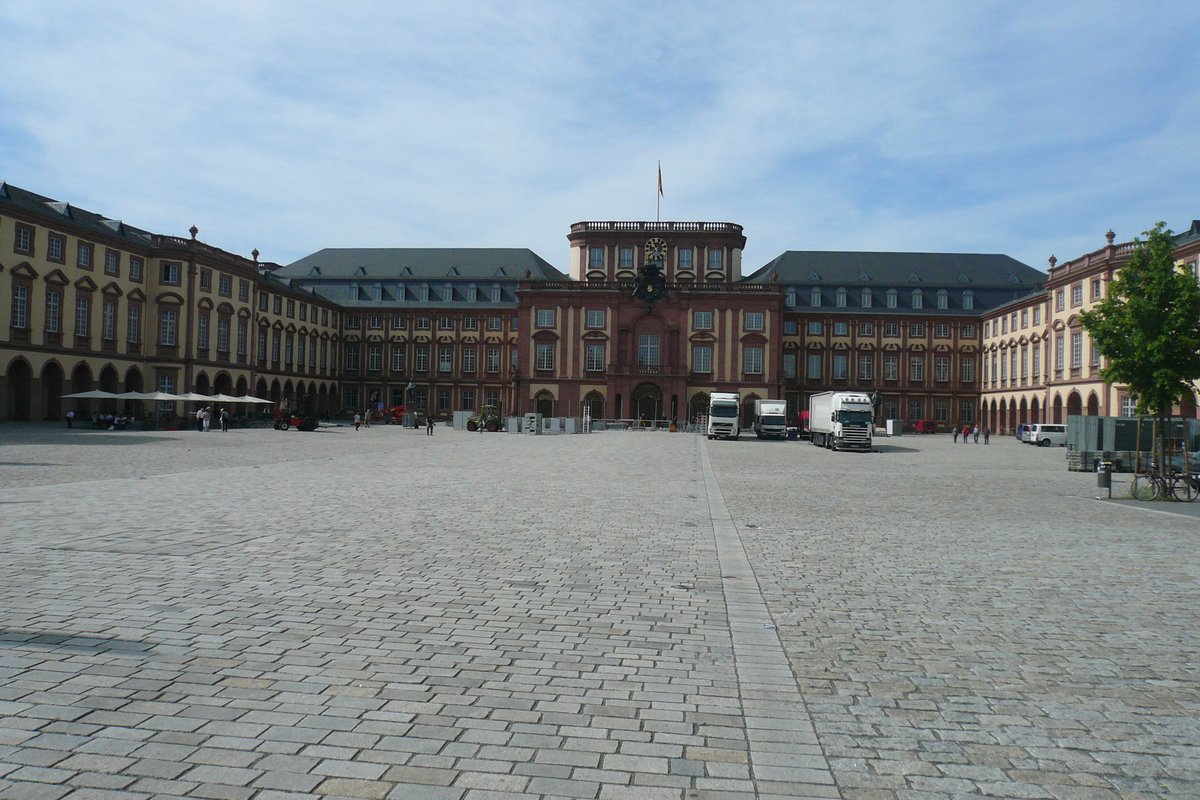
The University of Mannheim stands as a remarkable fusion of academic excellence and historical grandeur. Housed within the stunning Mannheim Palace (Schloss Mannheim), one of Europe’s largest Baroque palaces, the university offers visitors a unique experience: the opportunity to explore ornate 18th-century architecture while witnessing the vibrancy of a leading European academic institution. Located in the heart of Mannheim’s distinctive “Quadrate” grid, the university is seamlessly integrated into the city’s urban fabric, enhancing the cultural and architectural appeal of any visit.
While the university was officially founded in 1967, its academic lineage stretches back to the Palatine Academy of Sciences, established in 1763, and includes roots in the renowned Mannheim Business School (est. 1907). Today, the campus not only preserves its regal heritage through careful adaptive reuse of the palace but also embraces innovation with modern facilities like the award-winning Research and Teaching Building designed by wulf architekten. Whether you are a history buff, architecture lover, or prospective student, this guide provides all the insights you need to make the most of your visit to the University of Mannheim and its iconic palace (MyGermanUniversity, skyticket, ArchDaily, University of Mannheim Events).





Historical Evolution of the University of Mannheim
Origins and Early Development
The University of Mannheim’s origins are deeply intertwined with the intellectual history of the Palatinate region. The Palatine Academy of Sciences, founded in 1763, laid the groundwork for a longstanding tradition of scholarly pursuit. The university’s connection to Mannheim Business School, established in 1907, further cemented its reputation for excellence, particularly in economics, social sciences, and humanities (MyGermanUniversity, skyticket).
Officially established in 1967, the University of Mannheim rapidly became one of Germany’s foremost centers of research and higher learning. Its physical and intellectual development is inextricably linked to the city’s unique “Quadrate” (grid) layout, which shapes both the urban environment and the campus structure.
Mannheim Palace: From Royal Residence to Academic Hub
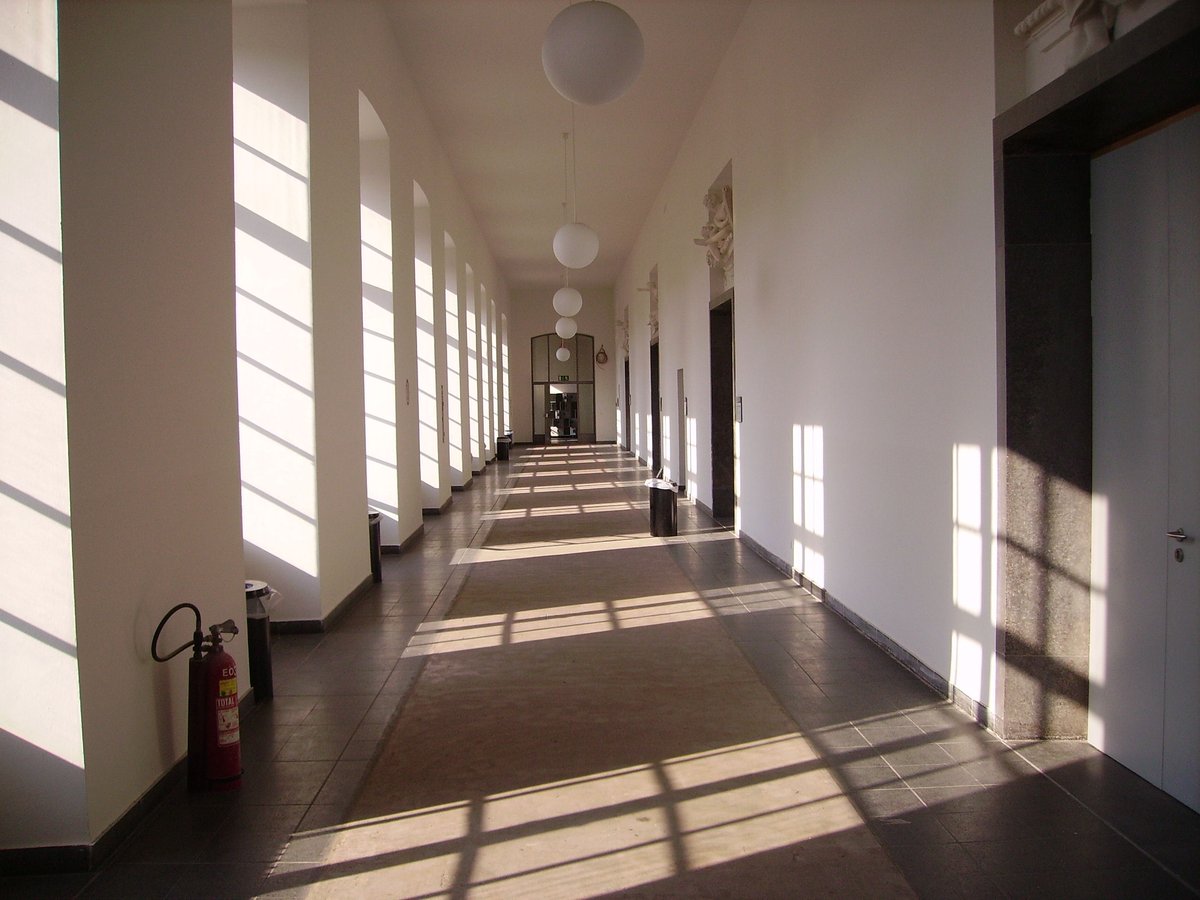
Constructed between 1720 and 1760, the Mannheim Palace was originally the opulent residence of the Prince-Electors of the Palatinate. With its symmetrical Baroque design, impressive ceremonial halls, and lavish state rooms, the palace played a central role in 18th-century political and cultural life. Today, it forms the heart of the university, its grand interiors now serving as lecture halls, offices, and event spaces—a rare and inspiring blend of royal heritage with modern academic activity (skyticket).
Modern Expansion and Innovation
In recent decades, the University of Mannheim has continued to evolve. A notable example is the Research and Teaching Building on city square B6, an architectural achievement by wulf architekten. This contemporary addition respects the historic context while providing cutting-edge facilities for learning and research (ArchDaily).
Architectural Highlights
Baroque Splendor of Mannheim Palace
Mannheim Palace is an outstanding example of Baroque architecture, covering approximately six hectares. Highlights include:
- Grand Staircase: An imposing ceremonial space in classic Baroque style.
- State Rooms and Halls: Lavishly adorned with stucco, frescoes, and gilding; accessible via guided tours (skyticket).
- Gardens and Rhine-Facing Facade: Tranquil green spaces offering picturesque views and event venues.
Integration of Modern Architecture
The Research and Teaching Building exemplifies a sensitive balance between heritage and innovation:
- Urban Integration: Reinforces Mannheim’s grid cityscape.
- Design: Sandblasted concrete façade with rhythmic square windows, echoing Baroque geometry.
- Functional Interiors: Flexible seminar rooms, collaborative workspaces, and a Baroque-inspired staircase.
- Public Spaces: Inviting entrances and open lobbies foster engagement between students, faculty, and visitors.
Preservation and Adaptive Reuse
Meticulous restoration ensures the palace’s historic elements are preserved, while modern expansions harmonize with the original architectural language (skyticket).
Visitor Information: Hours, Tickets, and Tours
Mannheim Palace and University Campus
- Palace Guided Tours: Available Tuesday to Sunday, 10:00 AM – 5:00 PM. Closed Mondays and on select holidays.
- Ticket Prices: Standard entry for adults is typically €8; reduced rates for students and seniors; children under 12 may enter free. Family and group tickets are available.
- Booking: Purchase tickets online via the official Mannheim Palace website or at the entrance. Advance booking is recommended during peak times.
- University Access: The campus is open to the public, though certain facilities may be restricted during academic sessions.
Tour Experiences
- Guided Tours: Explore ceremonial halls, university rooms, and palace gardens. Audio guides in multiple languages are available.
- Special Events: The university and palace host exhibitions, lectures, and cultural festivals throughout the year. Refer to the University of Mannheim Events calendar for the latest offerings.
Accessibility, Facilities, and Travel Tips
Getting There
- Location: Centrally located, a 10-minute walk from Mannheim Hauptbahnhof (main train station).
- Public Transport: Extensive tram and bus network connects the university to the city and beyond.
- Parking: Public parking garages are available nearby; public transport or cycling are encouraged due to limited parking during events.
Visitor Amenities
- Accessibility: Ramps and elevators ensure wheelchair access to most buildings and palace areas. Contact the visitor center for specific requirements.
- Visitor Center: Information, maps, and assistance are available on-site.
- Dining: On-campus cafeterias and nearby cafés in the Quadrate offer diverse dining options.
- Wi-Fi: Free on campus and in many public spaces.
Nearby Attractions
- Jesuit Church (Jesuitenkirche): A Baroque masterpiece opposite the palace, renowned for its onion-domed tower and ornate interior (skyticket).
- Mannheim Wasserturm (Water Tower): Iconic Art Nouveau landmark with surrounding gardens.
- Luisenpark: One of Germany’s most beautiful parks, perfect for relaxation.
- Reiss-Engelhorn Museums: Four museums featuring archaeological and cultural collections.
- Shopping and Dining: The Quadrate district offers various boutiques, restaurants, and cafes.
Frequently Asked Questions (FAQ)
Q: What are the visiting hours for Mannheim Palace and the University of Mannheim?
A: Palace tours run Tuesday to Sunday, 10:00 AM – 5:00 PM. The university campus grounds are generally accessible daily.
Q: Is there an entrance fee?
A: Access to palace courtyards and gardens is usually free. Guided tours and special exhibitions require tickets (€8–€12 for adults, with discounts available).
Q: Are guided tours available in English?
A: Yes, tours and audio guides in English can be booked in advance or at the entrance.
Q: Is the campus wheelchair accessible?
A: Yes, accessibility is prioritized throughout the palace and university.
Q: What is the best way to reach the university?
A: Mannheim Hauptbahnhof is within walking distance; trams and buses provide additional options.
Q: Are there nearby accommodations?
A: Several hotels, including Radisson Blu and Mercure Mannheim, are within walking distance of the campus.
Listen to the full story in the app
The whole University Of Mannheim,
told well.
Audio guides for 1,100+ cities across 96 countries. History, stories, and local insight — offline ready.
Verified, and shown.
Researched and written by the Audiala editorial team from historical records, architectural archives, and local expertise.
Researched from Wikidata, Wikipedia & official sources · fact-checked · How we make our guides →