Plan and listen to Gutenberg Museum with Audiala.
Audio guide in your pocket, itinerary in your browser. Built for the way you actually visit.
Introduction
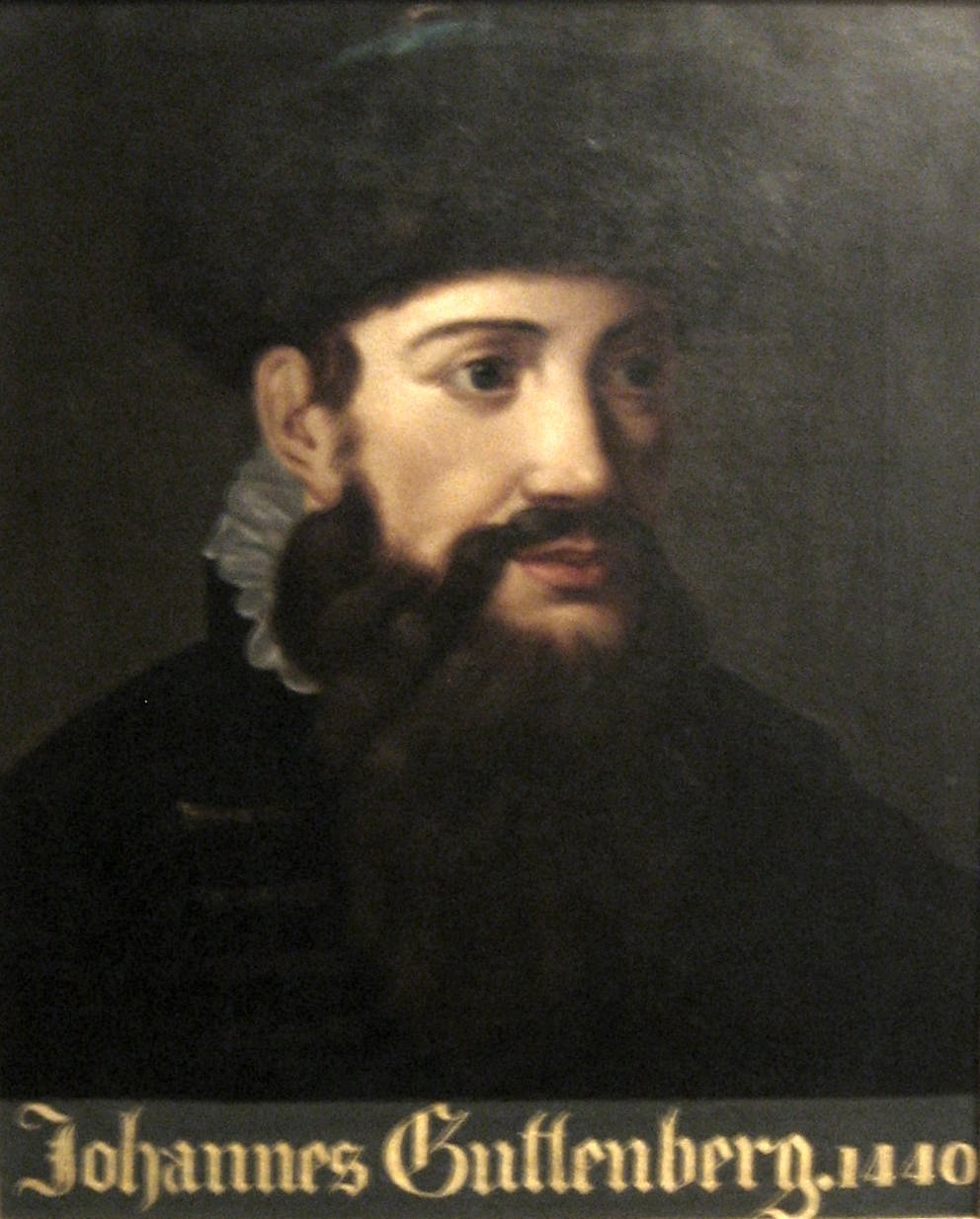
The Gutenberg Museum in Mainz, Germany, is one of the world's foremost institutions dedicated to the history and evolution of printing. Founded in 1900 to honor Johannes Gutenberg—the inventor of movable metal type—the museum preserves and showcases the story of printing’s global impact, from the earliest scripts to the digital age (mainz.de). Its diverse collections, engaging exhibitions, and interactive workshops make it a must-visit for history lovers, families, and anyone interested in the world of books and communication (wissenschaftsallianz-mainz.de).

Historical Background
Foundation and Early Growth
Established in 1900 by Mainz citizens, the Gutenberg Museum commemorates the legacy of Johannes Gutenberg, whose invention revolutionized the spread of knowledge. The museum's initial collections grew rapidly through donations from publishers and printing firms, moving to a dedicated building on Rheinallee in 1912 (museums.eu). Over time, the scope expanded to include global printing traditions, book art, and the history of writing.
International Significance
Now recognized as a world center for printing history, the museum holds several hundred thousand artifacts, including East Asian and Islamic printing materials, as well as European presses. With over 140,000 annual visitors from 70+ countries, its international reach continues to grow (mainz.de).
The Gutenberg Bibles
Central to the museum’s fame are two original copies of the 42-line Gutenberg Bible, displayed in a secure, climate-controlled vault (wissenschaftsallianz-mainz.de). These treasures are among the earliest and most valuable printed books in existence.
Modernization and Innovation
In 2024, the museum began a major modernization project. During renovations, the “Gutenberg Museum MOVED” exhibition is hosted at the Natural History Museum in Mainz, utilizing interactive exhibits and advanced media technology (mainz.de). Plans for a new state-of-the-art facility at Liebfrauenplatz are underway (Gutenberg Museum Neubau).
Permanent Collections
Gutenberg Bibles and Early Printed Works
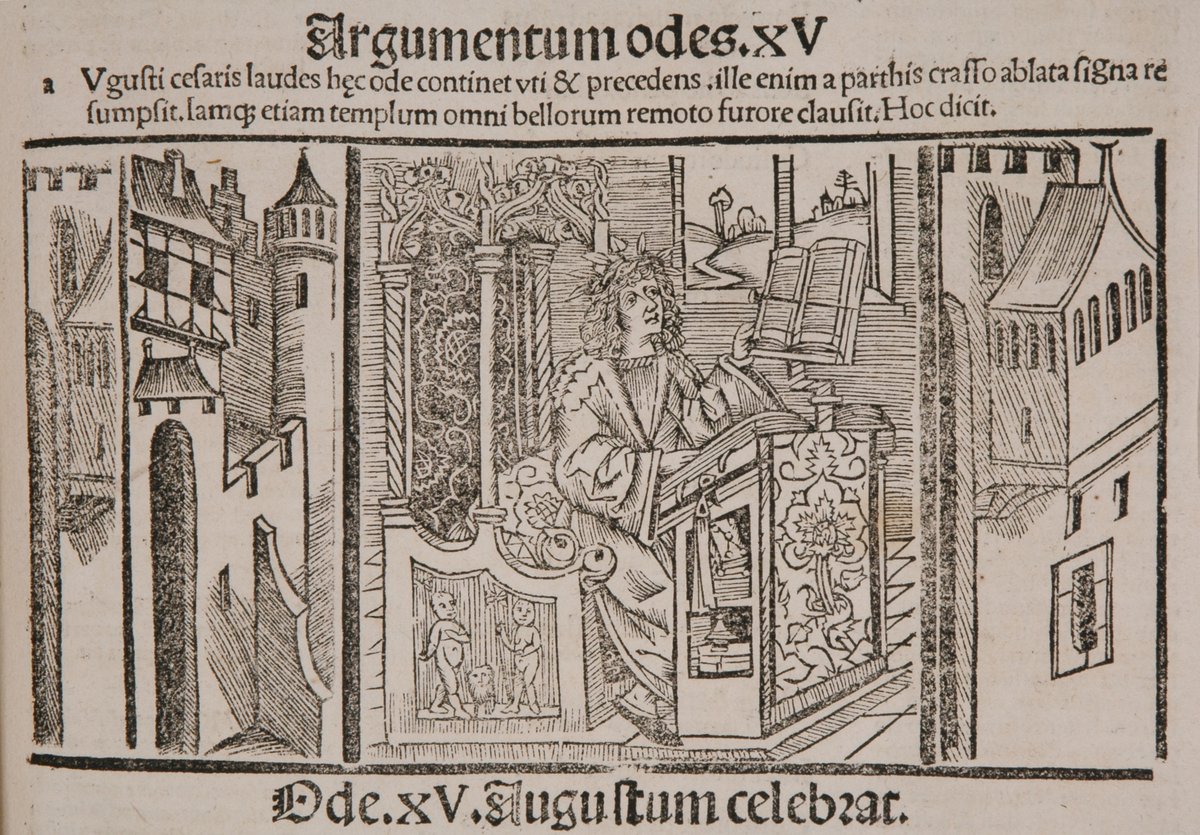
The museum’s collection features two of the remaining Gutenberg Bibles (“B42”), fragments of the “B36” Bible, incunabula (pre-1501 printed books), illuminated manuscripts, and rare first editions, illuminating milestones in the history of bookmaking (mainz.de; kidpassage.com).
Printing Presses and Technical Artifacts
Visitors can see a reconstructed 15th-century Gutenberg press, based on historical woodcuts. Live demonstrations reveal the mechanics behind early printing technology (wikipedia.org). The museum also displays a progression of historical presses, from wooden to industrial metal models (kidpassage.com).
Global Printing Traditions
The museum’s global approach covers:
- Asian Printing: Woodblock and movable type from China, Japan, and Korea
- Islamic Manuscripts: Calligraphy and early Islamic printing techniques
- Writing Systems: From cuneiform tablets to modern alphabets (kidpassage.com)
Book Art and Ephemera
The collection includes book art, artists’ books, graphic art, posters, and exlibris (bookplates), demonstrating the creative potential of the printed page (wikipedia.org).
The “Gutenberg Museum MOVED” Exhibition
During the renovation period, the interim “Gutenberg Museum MOVED” exhibition at the Natural History Museum showcases:
- Thematic Areas: Six sections tracing the evolution of media, with interactive digital displays and hands-on stations
- Treasure Chamber: The two Gutenberg Bibles and B36 fragments, accompanied by immersive projections
- Live Demonstrations: Printing press demonstrations and educational films
- Print Shop (Druckladen): Hands-on workshops in typesetting and printing for all ages (mainz.de; kidpassage.com)
Special Exhibitions and Educational Programs
The museum regularly hosts special exhibitions on rare artifacts and contemporary topics, ensuring a fresh experience for repeat visitors (mainz.de). Guided tours and print workshops are available in several languages, catering to school groups, families, and adult learners (mainz.de).
Practical Visitor Information
Visiting Hours
- Monday: Closed
- Tuesday–Sunday: 10:00 AM – 6:00 PM
Check the official website for holiday hours and updates.
Ticket Prices
- Adults: €8
- Reduced (students, seniors): €5
- Children under 18: Free
- Family ticket: €15
- Group tours: Available upon request
Tickets are available online or at the museum entrance.
Location and Getting There
- Current (2025): Natural History Museum, Reichklarastraße 1, Mainz (Gutenberg Museum Neubau)
- Public Transport: Tram and bus stops nearby; 10-minute walk from Mainz central station
- Parking: Limited; public transport recommended
Accessibility
The museum is wheelchair accessible and offers facilities for visitors with visual and hearing impairments (mainz.de).
Amenities
- Museum shop with books, replicas, and souvenirs
- Restrooms and baby-changing facilities
- Coatroom and lockers
Nearby Attractions
- Mainz Cathedral: A Romanesque masterpiece
- St. Stephan’s Church: Famous for Chagall windows
- Rhine River Promenade: Scenic walks and views
- Old Town: Historic squares, cafes, and shops (thecrazytourist.com)
Visitor Tips
- Plan ahead: Book guided tours or workshops in advance (mainz.de)
- Language: Some exhibits are primarily in German; audio guides and tours in English and other languages are available (awellreadwanderer.com)
- Photography: Allowed in most areas, but flash and tripods are restricted in the Bible chamber
- Time: Allow 2–3 hours for a thorough visit and hands-on experiences (kidpassage.com)
Frequently Asked Questions (FAQ)
Q: What are the Gutenberg Museum’s visiting hours?
A: Tuesday to Sunday, 10:00 AM – 6:00 PM; closed Mondays and public holidays.
Q: How much are tickets?
A: Adults: €8, Reduced: €5, Children under 18: Free.
Q: Is the museum accessible?
A: Yes, it is fully accessible for visitors with disabilities.
Q: Where is the museum during renovations?
A: At the Natural History Museum, Reichklarastraße 1, Mainz.
Q: Are guided tours offered?
A: Yes, in several languages; advance booking recommended.
Q: Can I buy tickets online?
A: Yes, tickets can be purchased via the official website.
Visuals and Media
Visitors can enjoy high-quality images and interactive displays throughout the museum. The website also offers virtual tours and photo galleries, providing online previews of exhibits such as the Gutenberg Bibles, printing presses, and the Print Shop.
Listen to the full story in the app
The whole Gutenberg Museum,
told well.
Audio guides for 1,100+ cities across 96 countries. History, stories, and local insight — offline ready.
Verified, and shown.
Researched and written by the Audiala editorial team from historical records, architectural archives, and local expertise.
Researched from Wikidata, Wikipedia & official sources · fact-checked · How we make our guides →