Plan and listen to Plague Column with Audiala.
Audio guide in your pocket, itinerary in your browser. Built for the way you actually visit.
Introduction
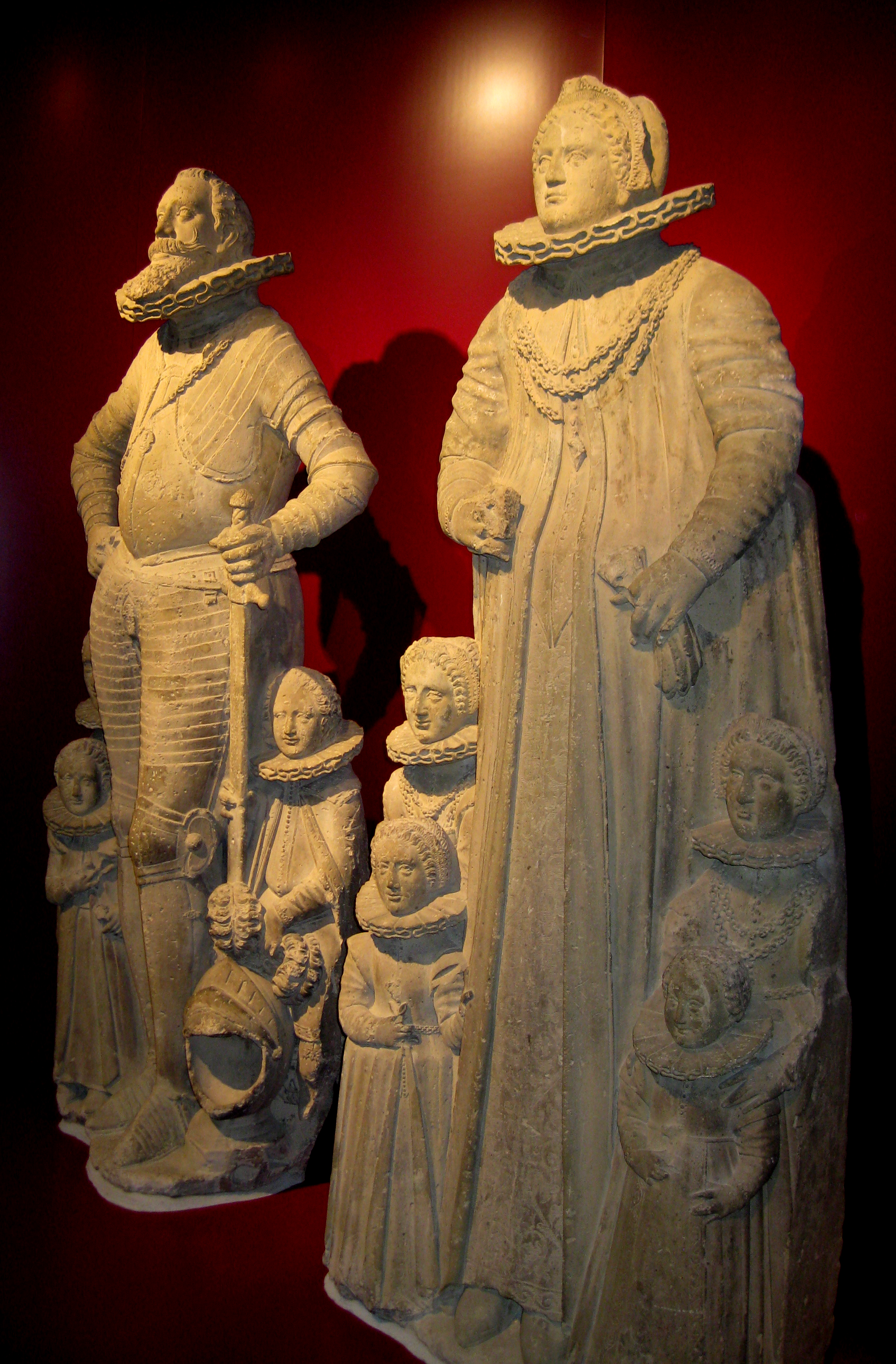
Standing at the heart of Herne, North Rhine-Westphalia, the Plague Column (Pestsäule) is a testament to the city’s resilience and spiritual endurance amid Europe’s catastrophic plague outbreaks. These Baroque-era monuments, found throughout Central Europe, were erected as acts of thanksgiving and remembrance after the plague’s devastation, most notably during the Black Death and subsequent epidemics. Herne’s column, with its rich iconography and intricate design, is not only a significant artistic landmark but also a living symbol of communal faith, gratitude, and renewal (PMC10818976; Atlas Obscura; dhayton.haverford.edu).
This comprehensive guide explores the Herne Plague Column’s historical and cultural context, architectural features, practical visitor details (hours, tickets, accessibility), travel tips, and how it connects to the wider tradition of plague columns in Central Europe. Whether you’re a history enthusiast, art lover, or curious traveler, you’ll find everything needed for an enriching visit to this iconic Herne landmark.
The Plague in European and German History
Origins and Impact
The bacterium Yersinia pestis wrought devastation across Europe, with the Black Death (1346–1353) alone killing 30–50% of the population (PMC10818976). Carried by fleas on rats and through human contact, the plague returned in waves, shaping demographics and society for centuries (PMC8488627; CEPR).
Plague Columns: Commemoration and Faith
In response, communities across Central Europe built plague columns—Baroque monuments featuring the Holy Trinity or Virgin Mary, surrounded by angels and plague saints—as public acts of gratitude and faith (Atlas Obscura). The tradition, initiated in Vienna with the grand Pestsäule after the 1679 epidemic, soon spread to Germany, the Czech Republic, Hungary, and beyond (Visit Teplice; JSTOR Daily).
Herne and the Ruhr Area: Historical Context
Herne, once a medieval settlement, grew rapidly during the industrial era but was shaped by earlier periods of hardship, including the plague (Wikipedia: Herne). Its central location within the Ruhr—an important industrial and trade hub—meant that it was both vulnerable to epidemics and central to regional recovery efforts (PMC10818976).
The Herne Plague Column: Significance and Architectural Features
Artistic and Symbolic Design
Dating from the late 17th or early 18th century, the Herne Plague Column exemplifies Baroque artistry and religious symbolism. The monument typically features:
- A sturdy stone base—often triangular, referencing the Holy Trinity (beyondarts.at)
- Three vertical sections:
- Lower Section: Depicts human suffering and supplication.
- Middle Section: Angels and plague saints (such as St. Sebastian, St. Roch, and St. Charles Borromeo) intercede for the city (allaboutvienna.com).
- Upper Section: The Holy Trinity or Virgin Mary, signifying divine protection (audiala.com; visitingvienna.com).
- Allegorical motifs: Angels, saints, and sometimes vanquished monsters or serpents, symbolizing triumph over disease (visitingvienna.com).
- Inscriptions: Documenting the event, donors, and invoking continued protection.
Baroque Influence
Baroque plague columns, including Herne’s, are characterized by dramatic movement, dynamic clouds of angels, and expressive figures, intended to inspire awe and reinforce communal faith (dhayton.haverford.edu).
Cultural Role
The column remains a focal point for religious processions, community gatherings, and commemorative events, linking Herne’s past to its present.
Visiting the Herne Plague Column: Practical Information
- Location: Central square near Herne’s main church. Directions and maps are available via the Herne Official Tourism Website.
- Visiting Hours: Open 24/7 as an outdoor monument; best viewed during daylight for photography and detail.
- Tickets: No fee or tickets required.
- Accessibility: The area is flat, wheelchair accessible, and pedestrian-friendly.
- Facilities: Restrooms, seating, and cafés are nearby. The central location makes it easy to combine your visit with shopping or dining.
- Guided Tours: Local tours often include the column; check schedules on tripper.guide or the city tourism office.
- Photography: Permitted; drone use may be restricted.
Visitor Tips & Recommendations
- Best Viewing Times: Early morning or late afternoon for optimal lighting.
- Interpretive Materials: Look for plaques or QR codes with historical information.
- Combine with Other Sites: Visit Herne’s museums, Schloss Strünkede, or the LWL Museum of Archaeology (placesandthingstodo.com).
- Accessibility: Generally suitable for wheelchairs and strollers; contact the tourism office for specific needs.
- Events: Attend local festivals, markets, or commemorative ceremonies for a richer experience (Herne city event listings).
- Weather: Dress appropriately and plan for the outdoors.
- Language: German is spoken, but English is widely understood in tourist areas.
Nearby Attractions in Herne and the Ruhr
- Ewald Colliery Museum: Explore local industrial history.
- Cranger Kirmes: One of Germany’s largest fairs.
- Kaiser-Wilhelm-Turm: For panoramic views.
- Halde Pluto: Unique landscape and observation platform (NRW Tourist Guide).
Frequently Asked Questions (FAQ)
Q: What are the visiting hours for the Herne Plague Column?
A: The monument is accessible 24/7, year-round.
Q: Do I need a ticket to visit?
A: No, visiting is free.
Q: Is the site accessible for wheelchairs?
A: Yes, the area is flat and accessible, though some cobblestones may be present.
Q: Are guided tours available?
A: Yes, many local tours include the plague column. Check with the Herne tourism office or tripper.guide.
Q: Can I photograph the monument?
A: Yes, but check for drone restrictions in the city center.
Q: Where can I get more visitor information?
A: Visit the Herne Official Tourism Website or contact the Herne City Marketing office.
Plague Columns in Central Europe: A Broader Perspective
Plague columns are found throughout Austria, the Czech Republic, Hungary, Slovakia, and Germany, each reflecting regional artistic traditions but sharing a common message of hope and resilience. Notable examples include Vienna’s Wiener Pestsäule (Wikipedia: Plague Column, Vienna), Prague’s Holy Trinity Columns (Expats.cz), and Budapest’s Trinity Column. These monuments remain free to visit, accessible, and often central to cultural memory and tourism (JSTOR Daily; Explorial).
Sustainable and Responsible Tourism
Support Herne’s cultural heritage by respecting the site, minimizing waste, and choosing public transportation or walking when possible. Your mindful visit helps preserve these monuments for future generations.
Contact Information
- Herne City Marketing: +49 2323 9190514, [email protected]
- Tourist Info Center: See Herne Official Tourism Website
- Emergency: Dial 112 for urgent assistance
Listen to the full story in the app
The whole Plague Column,
told well.
Audio guides for 1,100+ cities across 96 countries. History, stories, and local insight — offline ready.

Verified, and shown.
Researched and written by the Audiala editorial team from historical records, architectural archives, and local expertise.
Last reviewed
Researched from Wikidata, Wikipedia & official sources · fact-checked · How we make our guides →