Introduction
Heidelberg University Library (Universitätsbibliothek Heidelberg) stands as one of Germany’s oldest and most respected academic libraries. Founded alongside Heidelberg University in 1386, the library is an enduring symbol of scholarship, culture, and architectural beauty. Its legacy draws students, researchers, and visitors from around the world to explore its remarkable collections, rare manuscripts, and distinctive Neo-Renaissance and Art Nouveau architecture. This comprehensive guide presents everything you need to know for your visit—including opening hours, ticketing, guided tours, accessibility, and nearby attractions—ensuring a rewarding experience in the heart of Heidelberg’s Old Town.
For current visitor information and enhanced experiences, consult the official Heidelberg University Library website and consider using the Audiala app for guided tours and updates.
Photo Gallery
Explore Heidelberg University Library in Pictures

Close-up of a red and yellow embossed sealing stamp measuring 3 cm from Universitäts-Bibliothek Heidelberg in Heidelberg

Detailed image of a 3 cm sealing stamp from Universitäts-Bibliothek Heidelberg featuring light yellow background with red embossed patterns, used for authenticating documents.

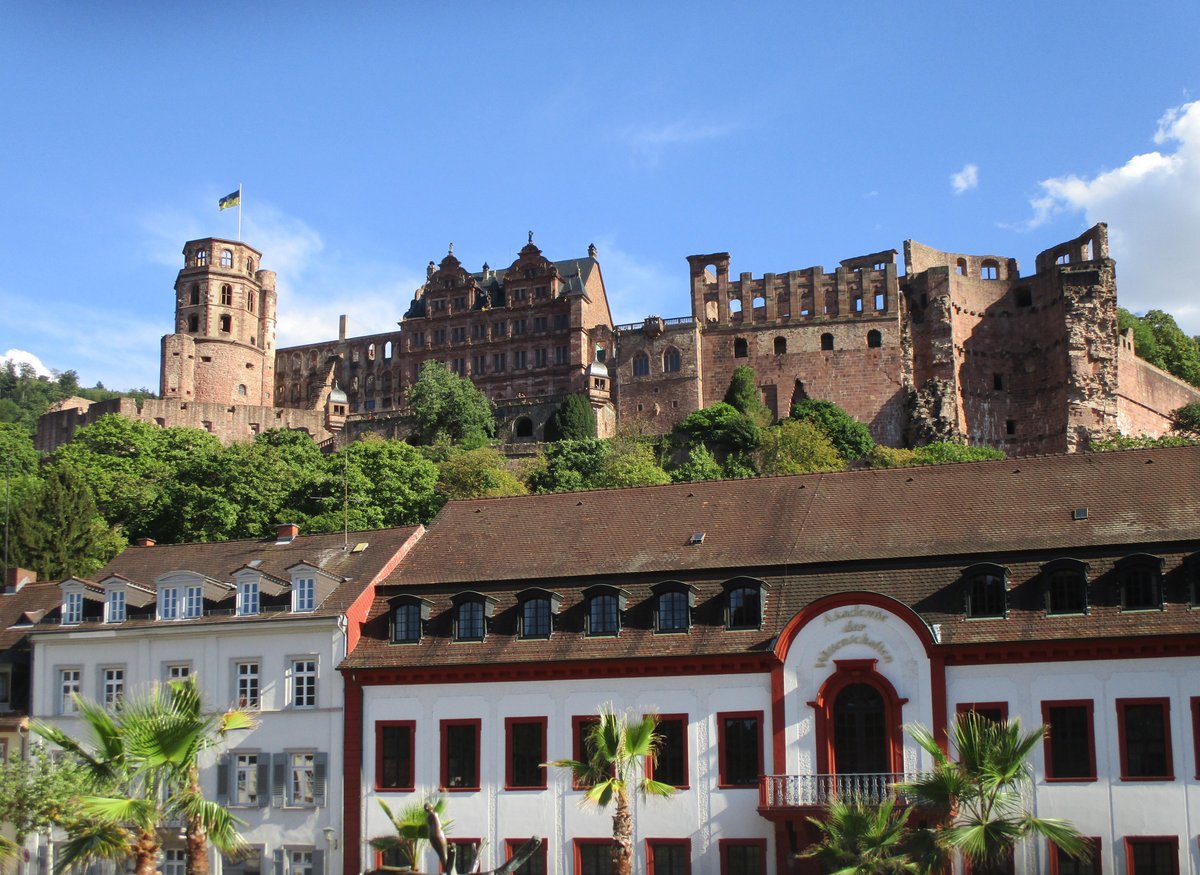
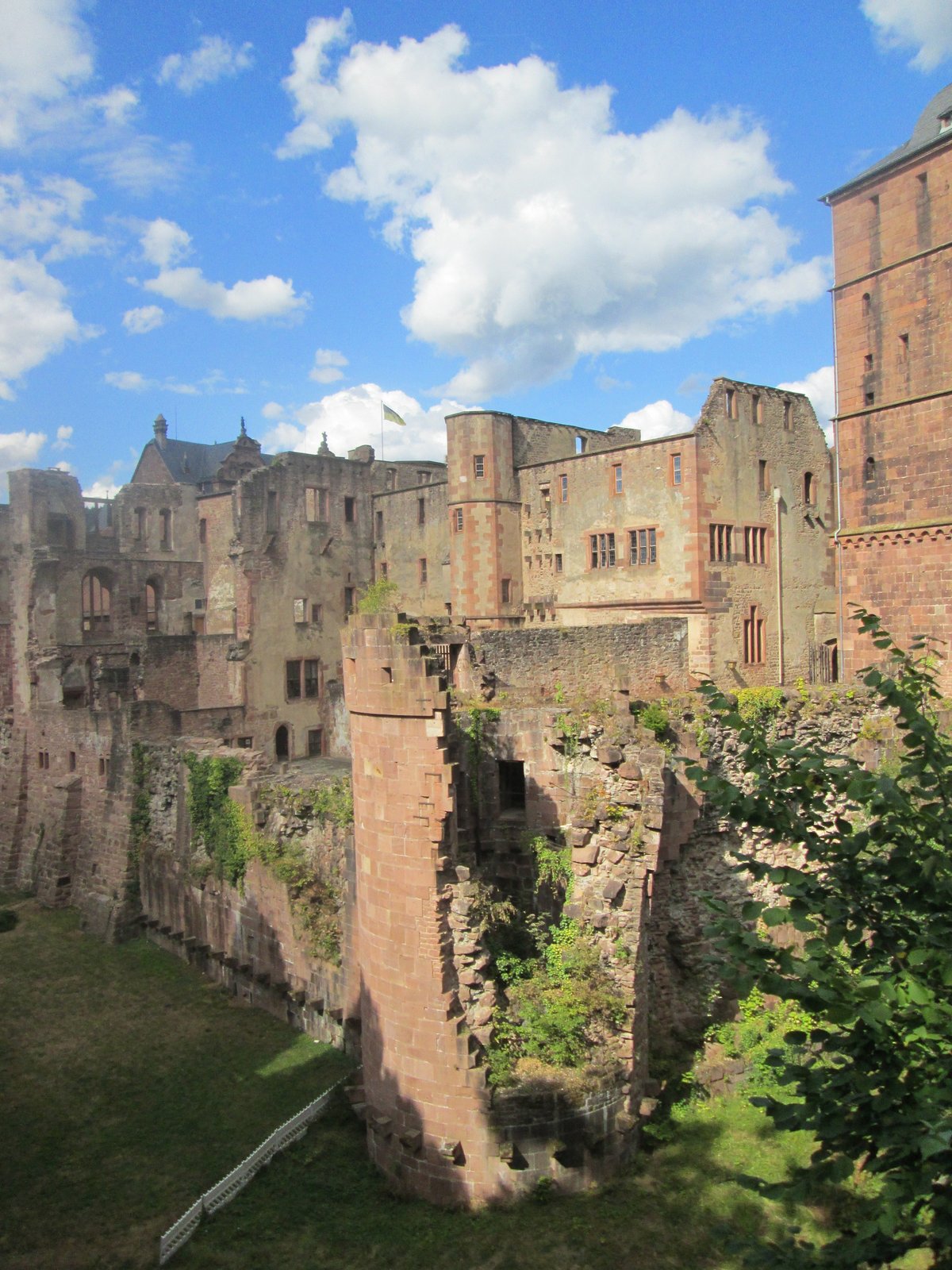
Scenic terrace view overlooking Heidelberg, Germany, showcasing the historic university library and surrounding city skyline.

Scenic view of the University of Heidelberg campus overlooking the historic Heiligenberg hill in Heidelberg, Germany

The terrace of Heidelberg University Library in Germany showing the historical architecture and students or visitors enjoying the outdoor atmosphere.
History and Significance
Origins and Development (1386–17th Century)
Established in 1386, Heidelberg University Library began as a collection of manuscripts and books donated by early rectors, bishops, and scholars. Initially housed in the Church of the Holy Spirit (Heiliggeistkirche), the library became a central scholarly hub for the growing university. In the 16th century, under Elector Otto Henry, disparate faculty collections were consolidated to form the renowned Bibliotheca Palatina, lauded as the “mother of all German libraries.”
The Bibliotheca Palatina
The Thirty Years’ War profoundly impacted the library when, in 1622, the Bibliotheca Palatina’s treasures were seized and transported to the Vatican. Today, thanks to digitization partnerships between Heidelberg and the Vatican, these manuscripts are available to researchers and the public worldwide (Heidelberg Digital Library).
Architectural Evolution
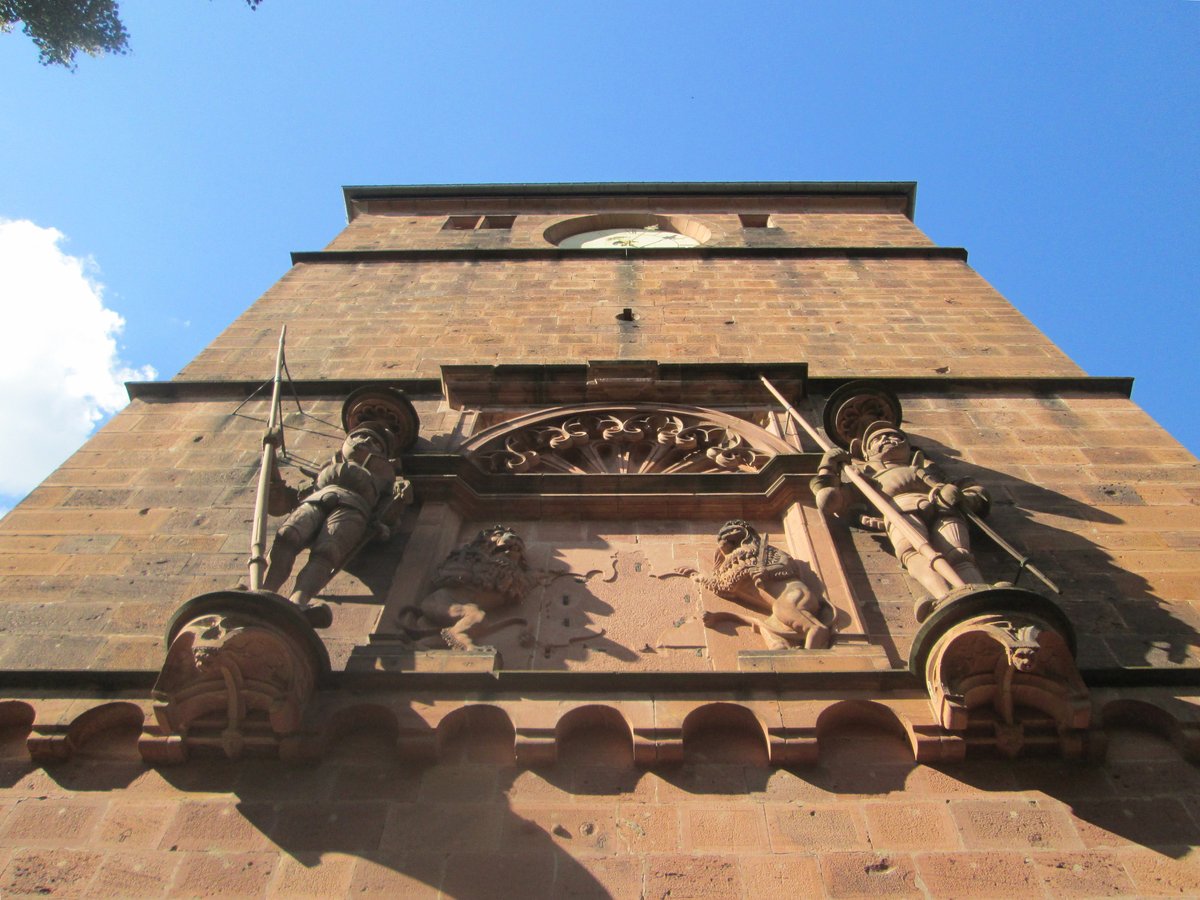
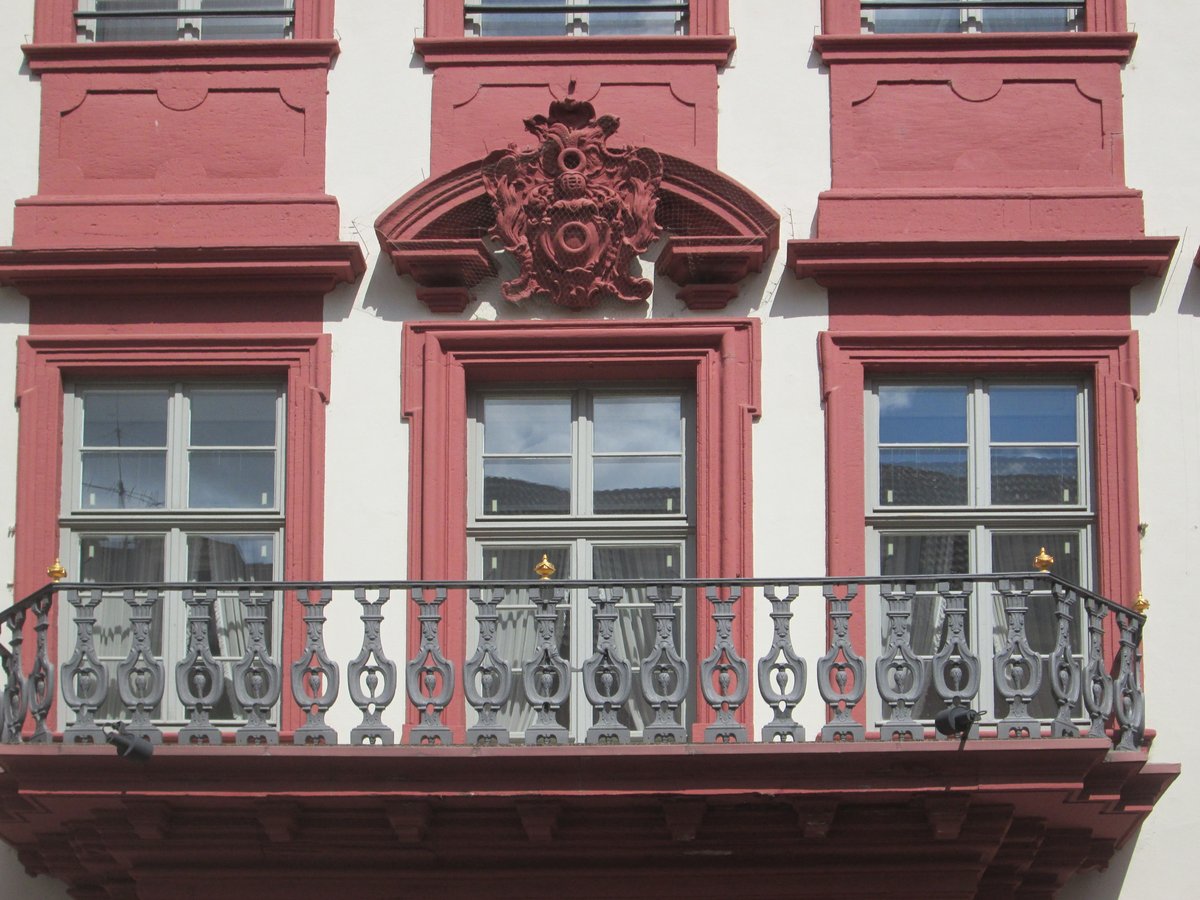
The main library building, completed in 1905 and designed by Josef Durm, is a masterwork of Neo-Renaissance and Art Nouveau styles. Its red sandstone façade features intricate sculptures and the iconic Palatine Lion above the entrance. The grand staircase, stained glass, and original wooden furnishings evoke a historic scholarly atmosphere, while modern upgrades—such as digital infrastructure and accessible facilities—ensure comfort and functionality for contemporary users.
Visiting Information
Opening Hours and Tickets
- Main Library (Plöck 107–109):
- Monday to Friday: 8:00 AM – 8:00 PM
- Saturday: 10:00 AM – 4:00 PM
- Sunday: Closed
- Neuenheimer Feld Branch: Varies; see official hours.
Admission: Free for all visitors. No tickets are required for entry to public areas and exhibitions. Some special collections or guided tours may require advance registration.
Accessibility
The library is wheelchair accessible with ramps, elevators, and adapted restrooms. Staff assistance is available upon request.
Guided Tours and Exhibitions
- Occasional guided tours (in German and English) cover the library’s history, architecture, and rare collections. Advance booking is recommended.
- The library regularly hosts exhibitions featuring rare manuscripts, the Codex Manesse, and thematic displays in partnership with university institutes. Check the events calendar for current offerings.
Nearby Attractions and Photographic Spots
Centrally located in Heidelberg’s Old Town, the library is within walking distance of:
- Heidelberg Castle
- Church of the Holy Spirit (Heiliggeistkirche)
- Old University and University Museum
- Studentenkarzer (Student Prison)
- Neckar River promenade
The library’s striking façade and grand reading rooms are highlights for photography enthusiasts (note: flash and photography in special collections may be restricted).
Collections and Academic Highlights
The library houses more than 3.2 million print and digital items, specializing in humanities, social sciences, natural sciences, and medicine. Among its most prized holdings are:
- Codex Manesse: A 14th-century illuminated manuscript of Middle High German poetry, listed on UNESCO’s Memory of the World Programme.
- Bibliotheca Palatina Manuscripts: Digitally reunited via collaboration with the Vatican, accessible globally.
- Extensive digital resources: Over 152,000 e-journals, thousands of databases, and hundreds of thousands of e-books via the HEIDI catalog.
Research strengths include regional studies, art history, Egyptology, South Asian studies, and more.
Visitor Tips
- Arrive early for guided tours and to enjoy quieter reading rooms.
- Bring valid ID if you wish to register for borrowing privileges or special collections access.
- Take advantage of free Wi-Fi and digital catalogs (HEIDI) to plan your visit.
- Observe library etiquette: Maintain silence in reading rooms and use lockers for bags.
- Explore nearby cafés for refreshments, as food and drink (except water in transparent bottles) are not permitted inside.
Frequently Asked Questions (FAQ)
Q: Is there an entrance fee to visit the library?
A: No, admission is free for all visitors.
Q: What are the library’s visiting hours?
A: Monday–Friday 8:00 AM–8:00 PM, Saturday 10:00 AM–4:00 PM. Check the official website for holiday and special event changes.
Q: Are guided tours available?
A: Yes, tours are offered occasionally in German and English; advance booking is required.
Q: Is the library accessible to visitors with disabilities?
A: Yes, the building is equipped with ramps, elevators, and accessible restrooms.
Q: Can I take photographs inside?
A: Photography is generally allowed in public areas, but restrictions apply in special collections and some exhibitions. Always ask staff for permission.
Q: Can tourists borrow books?
A: Borrowing is generally limited to university members, but visitors can access materials on-site.
Listen to the full story in the app
Your Personal Curator, in Your Pocket.
Audio guides for 1,100+ cities across 96 countries. History, stories, and local insight — offline ready.
Audiala App
Available on iOS & Android
Join 50k+ Curators
Sources
- verified
- verified
- verified
- verified
- verified
Last reviewed: