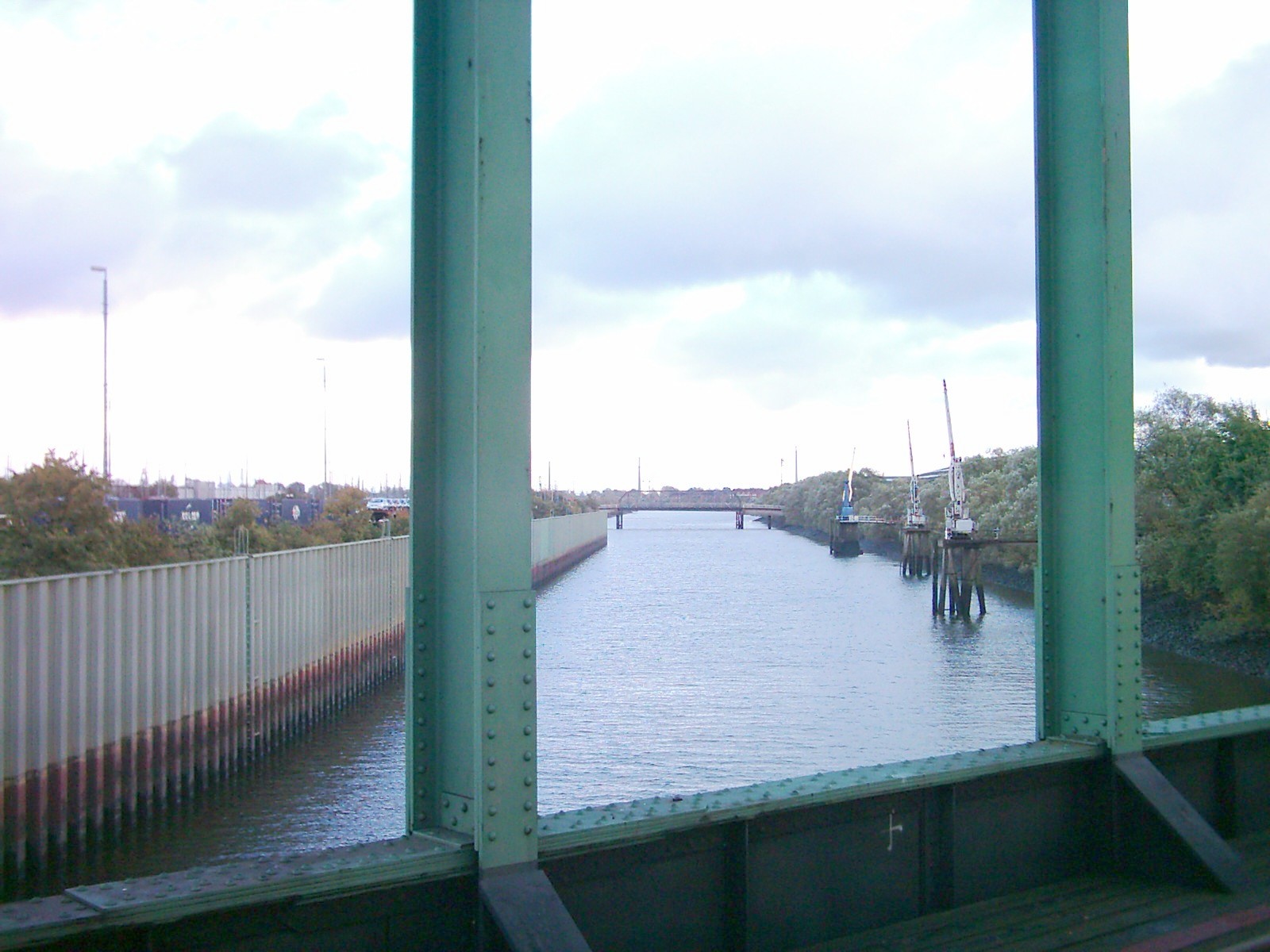
Introduction to Transmitter Hamburg-Billstedt
The Transmitter Hamburg-Billstedt is one of Hamburg’s most significant landmarks, located in the Billstedt district. Established in 1934, this towering structure has played a pivotal role in the evolution of broadcasting technology, atmospheric research, and urban identity in Hamburg. Over the decades, it has transformed from a wooden radio mast into a state-of-the-art 304-meter steel tower that serves both as a broadcasting facility and a meteorological research platform. While interior access is restricted due to its operational status, the transmitter remains a compelling site for visitors interested in technology, history, and culture. This guide provides an in-depth look at the transmitter’s history, visiting information, accessibility, and nearby attractions to help you plan your visit. More background can be found at Wikipedia and Everything Explained Today.
Foundations and Early Years (1934–1949)
The transmitter was inaugurated in 1934 during a period of rapid radio technology development in Germany. Its original structure was a 145-meter wooden tower with a wire aerial, which played a crucial role in pre- and post-war broadcasting. The tower’s height was reduced in 1941, and it was ultimately demolished by 1949 to make way for more advanced constructions (Wikipedia).
Wartime Adaptations
During World War II, the transmitter’s importance grew as a communication tool. In 1940, a triangular area aerial system was added, expanding its frequency range to meet wartime needs. This innovation supported both civilian and strategic uses until the 1950s (Everything Explained Today).
Post-War Modernization (1949–1960s)
A 198-meter steel mast replaced the original tower in 1949/50, equipped for FM and television broadcasts. From 1953 to 1962, it served as the “Deutschen Langwellensender,” using advanced single sideband modulation for efficient transmission (Graphsearch EPFL). By the early 1960s, this mast was dismantled to pave the way for the current structure.
The Modern Era: Scientific Collaboration
Since 1967, the 304-meter mast has functioned as both a broadcasting and meteorological research facility. Managed by Norddeutscher Rundfunk (NDR) and the University of Hamburg, it features six research platforms up to 280 meters high for collecting atmospheric data (Wikipedia).
Architectural and Technical Features
The current transmitter is a guyed steel mast standing 304 meters tall—one of Hamburg’s tallest structures. Its utilitarian design underscores functionality, supporting FM, television, and meteorological instruments. The mast is visually prominent from surrounding districts, including Billbrook, Moorfleet, and Billwerder (Mapcarta).
While the transmitter complex itself is fenced and not open to the public, visitors can view and photograph the exterior from public roads and parks. The silhouette is especially striking at sunrise or sunset.
The “Hamburg Light Miracle”
Soon after its inauguration, the transmitter gained notoriety for the “Hamburger Lichtwunder” (“Hamburg Light Miracle”). Residents near the tower discovered that light bulbs connected to the ground and a wire could glow, powered by the transmitter’s electromagnetic field. This curious phenomenon highlighted both the power of the facility and the need for regulatory oversight—prompting German authorities to prohibit non-broadcast use of transmitter energy (Wikipedia; Everything Explained Today).
Meteorological Research and Scientific Value
The transmitter is a vital platform for atmospheric research. Since 1967, the University of Hamburg has used it to install sensors for temperature, humidity, and wind speed up to 280 meters. These instruments provide real-time data on atmospheric boundary layer processes, supporting climate and weather research. Much of this data is available online, fostering public engagement with science (Wikipedia; Everything Explained Today).
Visiting Information: Hours, Tickets, and Accessibility
- Interior Access: The facility is an active broadcasting and research site and is not open for regular public tours.
- Special Events: Guided tours or open days may be organized by NDR or local heritage groups. Check official NDR channels or Hamburg tourist information for announcements.
- Tickets: No tickets are required for exterior viewing. Special event tickets, if available, are usually free or low-cost.
- Accessibility: The area surrounding the transmitter is accessible by public transport and is generally wheelchair friendly. The mast itself and its interior remain off-limits.
- Photography: The transmitter is a popular subject for photography from public spaces.
Getting There and Travel Tips
- Public Transport: Reach Billstedt via Hamburg’s U-Bahn and bus lines. The Billwerder-Moorfleet station is a convenient access point, with a short walk or bus ride to the site (Mapcarta).
- By Car or Bike: The district is well-connected by road and offers ample parking. Hamburg’s “Stadtrad” bike rental scheme is available for cyclists.
- Best Time to Visit: Late spring to early autumn (May–September) is ideal for walking and photography. Weather can be variable, so bring rain gear (Wanderlog).
- Visitor Etiquette: Stay on public paths, respect signage, and avoid trespassing on restricted areas.
Nearby Attractions
- Deutsches Maler- und Lackierer-Museum: Discover the history of painting and varnishing trades, reflecting Hamburg’s industrial heritage.
- St. Nikolai Church (Hamburg-Billwerder): Explore local religious and architectural history.
- Billstedt Center Hamburg: Enjoy shopping and dining at this major shopping destination (Urtrips).
- Local Cafes: Veneto Cafe and Crema Cafe are popular for refreshments.
Local Culture and Community Context
Billstedt is characterized by its multicultural community, with a diverse population and vibrant atmosphere. The transmitter stands as a symbol of technological progress and urban identity, contributing to both the neighborhood’s skyline and its sense of connection (Billstedt United). The area offers authentic cultural experiences, local shops, and markets, providing a different perspective from Hamburg’s traditional tourist centers.
Community centers such as Elternschule Billstedt offer family programs and support, reflecting the district’s commitment to social cohesion (Hamburg.de PDF).
Frequently Asked Questions (FAQ)
Q: Can I tour inside the Transmitter Hamburg-Billstedt?
A: No, the transmitter is not open for public interior tours. Exterior viewing is possible from public areas.
Q: Are there regular visiting hours or tickets?
A: There are no official visiting hours or tickets needed for exterior visits. Occasional special events may offer limited access.
Q: How do I get there?
A: Use Hamburg’s public transport to reach Billstedt or Billwerder-Moorfleet station. The site is a short walk or bus ride away.
Q: Is the area wheelchair accessible?
A: Yes, the surrounding area is generally accessible, though the transmitter itself is not open to the public.
Q: Are guided tours available?
A: Special guided tours may be held during events—check with NDR or local tourist information for updates.
Q: When is the best time to visit for photography?
A: Sunrise and sunset offer dramatic lighting for photos.
Summary and Final Tips
The Transmitter Hamburg-Billstedt encapsulates the technological and cultural history of Hamburg. From its 1930s origins to its modern role in scientific research, the mast is both a monument and an active part of the city’s infrastructure. While interior access is restricted, the site offers unique photographic opportunities and is best appreciated in the context of Billstedt’s diverse community and nearby attractions. Visitors are encouraged to combine their trip with local museums, parks, and cultural sites for a richer experience. For up-to-date information on special events, guided tours, and visitor tips, consult NDR, Hamburg.com, or the Audiala app.
Listen to the full story in the app
Your Personal Curator, in Your Pocket.
Audio guides for 1,100+ cities across 96 countries. History, stories, and local insight — offline ready.
Audiala App
Available on iOS & Android
Join 50k+ Curators
Sources
- verified
- verified
- verified
- verified
- verified
- verified
- verified
Last reviewed: